Stevens-Johnson Syndrome / Toxic Epidermal Necrolysis
Rare but life-threatening skin reactions caused by medications, requiring urgent withdrawal and intensive supportive care.
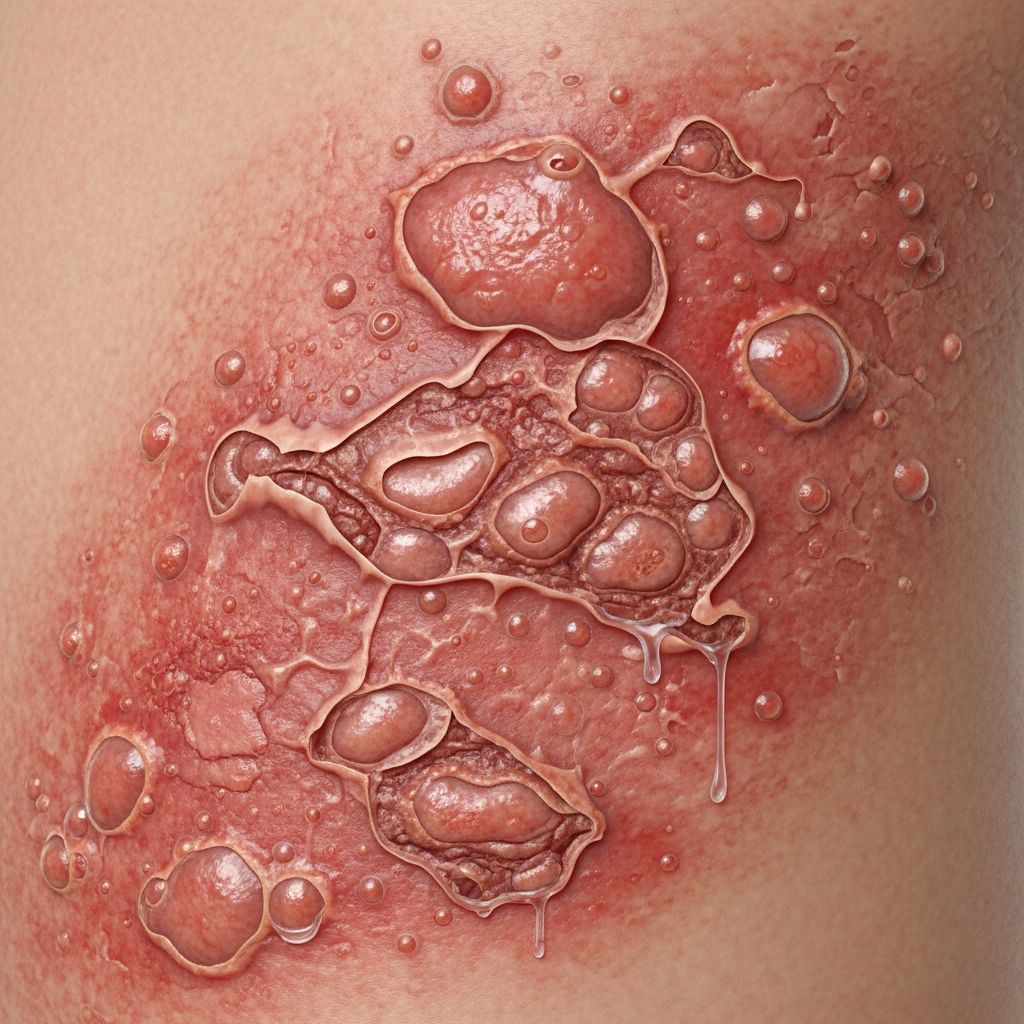
Stevens-Johnson syndrome (SJS) and toxic epidermal necrolysis (TEN) represent a spectrum of severe, life-threatening mucocutaneous reactions, primarily triggered by medications, characterized by widespread keratinocyte death leading to epidermal detachment.
What is Stevens-Johnson syndrome/toxic epidermal necrolysis?
Stevens-Johnson syndrome and toxic epidermal necrolysis are rare, acute hypersensitivity reactions affecting the skin and mucous membranes. They form a continuum based on the extent of detached epidermis: SJS involves <10% body surface area (BSA), SJS/TEN overlap 10 60% BSA, and TEN >30% BSA. These conditions carry mortality rates of 5 610% for SJS, up to 30 650% for TEN, driven by infection, fluid loss, and multiorgan failure.
The hallmark is full-thickness epidermal necrosis due to cytotoxic T-cell mediated apoptosis of keratinocytes, primarily via granulysin, Fas-ligand, and perforin/granzyme pathways. Incidence is 1 62 cases per million annually, higher in HIV-positive individuals.
Who gets Stevens-Johnson syndrome/toxic epidermal necrolysis?
SJS/TEN affects all ages but peaks in adults 20 60 years, with females slightly more prone. Genetic risk factors include HLA-B*15:02 (carbamazepine in Asians), HLA-B*58:01 (allopurinol), and others linked to specific drugs. Comorbidities like HIV, malignancy, or autoimmune diseases increase susceptibility. High-risk populations include those of Han Chinese, Thai, or Indian descent for certain HLA alleles.
What causes Stevens-Johnson syndrome/toxic epidermal necrolysis?
- Medications (80 690% of cases): Most common culprits include anticonvulsants (carbamazepine, phenytoin, lamotrigine, phenobarbital), allopurinol, sulfonamides (antibiotics, diuretics), NSAIDs (oxicam derivatives like piroxicam), nevirapine, and others. Risk escalates with first exposure or re-exposure within 8 weeks.
- Infections: Mycoplasma pneumoniae (especially children), herpes simplex, cytomegalovirus, rarely others.
- Other triggers: Rarely vaccines, contrast media, or idiopathic.
Drugs with long half-lives (e.g., phenobarbital) worsen prognosis if not withdrawn promptly.
What are the clinical features of Stevens-Johnson syndrome/toxic epidermal necrolysis?
Prodrome (1 14 days): Fever, malaise, sore throat, cough. Acute phase:
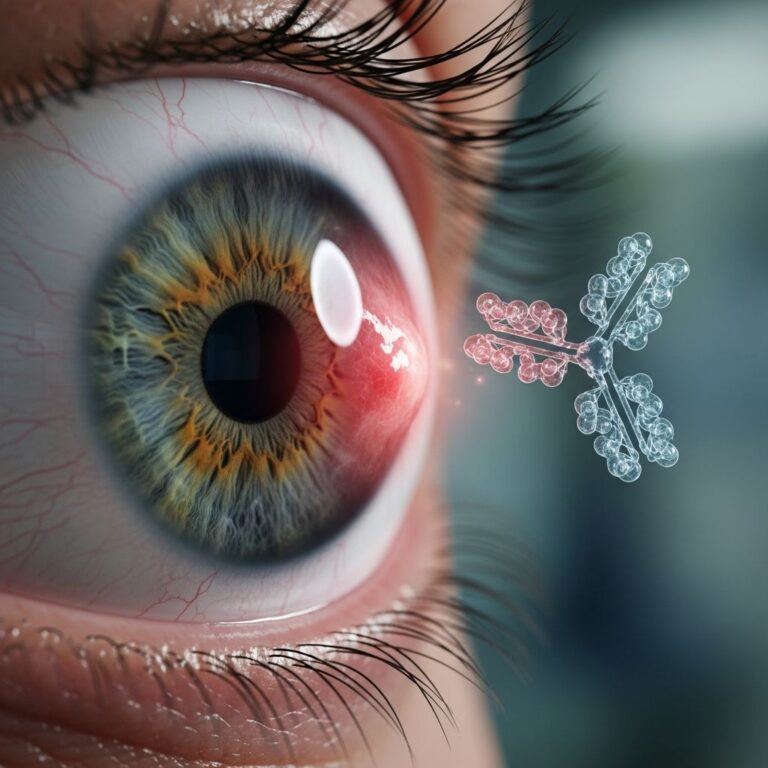
- Mucosal involvement (90%): Painful erosions/hemorrhagic crusts on lips, mouth, eyes, genitals; conjunctivitis, uveitis.
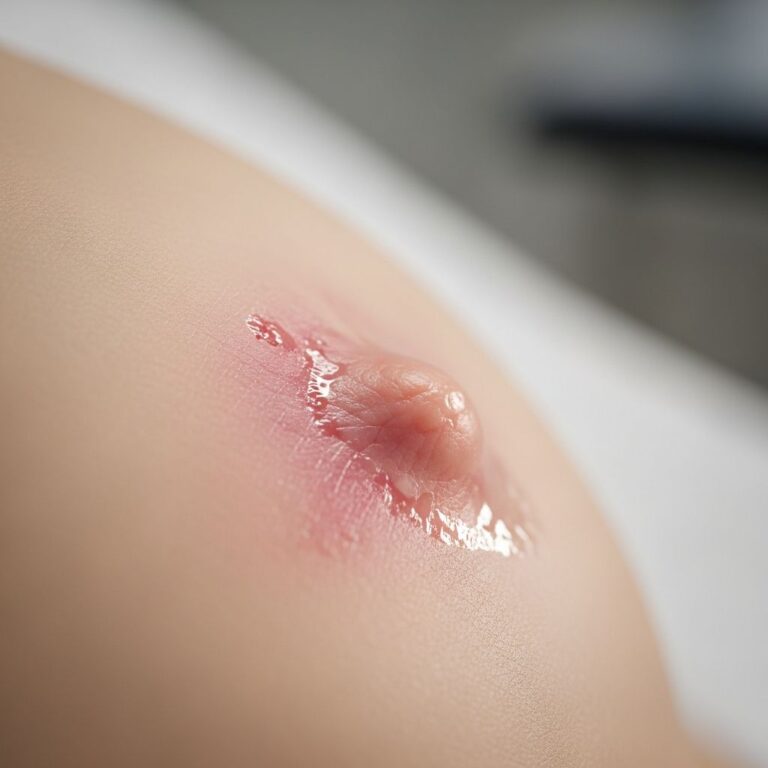
- Skin: Prodromal macules (target-like, dusky centers) on face/trunk, progressing to flaccid bullae, sheet-like epidermal detachment, positive Nikolsky sign (epidermis shears with pressure).
- Severe TEN: >30% BSA sloughing, resembling burns.
Systemic: Respiratory distress, gastrointestinal hemorrhage, hepatitis, renal failure.
How is the diagnosis of Stevens-Johnson syndrome/toxic epidermal necrolysis made?
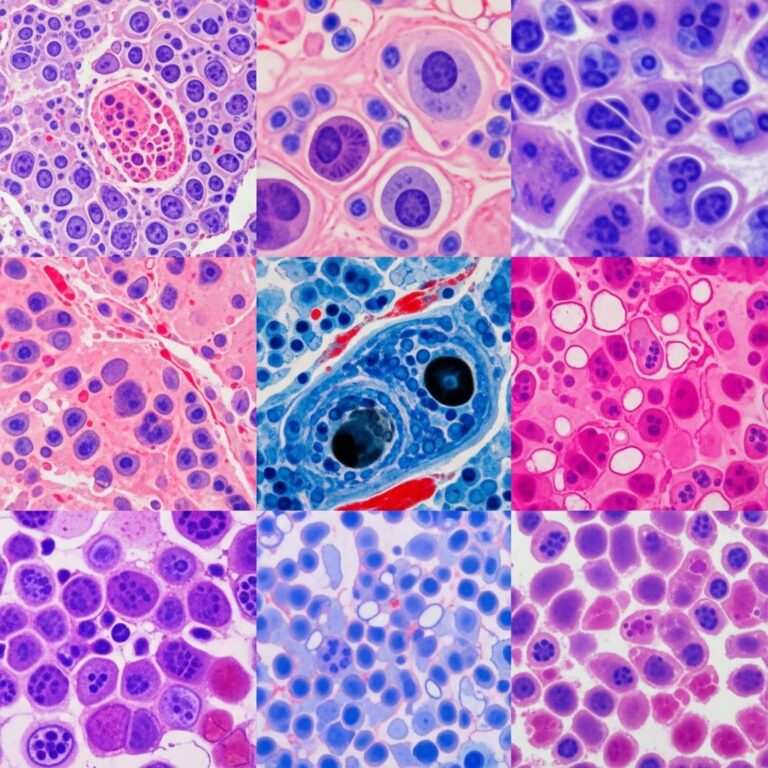
Clinical: History of drug exposure + characteristic rash/mucosal lesions + epidermal detachment. Biopsy confirms: Full-thickness keratinocyte necrosis, sparse lymphocytic infiltrate, satellite cell necrosis. Rule out differentials: Erythema multiforme (EM; recurrent HSV-associated, less mucosal/severe), staphylococcal scalded skin syndrome (superficial split), necrotizing fasciitis. SCORTEN score predicts mortality (age, heart rate, BSA, urea, glucose, bicarbonate, malignancy).
What is the basic management of patients with Stevens-Johnson syndrome/toxic epidermal necrolysis?
Immediate actions:
- Discontinue ALL suspect drugs, especially high-risk ones; earlier withdrawal improves survival.
- Transfer to burn/ICU/dermatology unit for severe cases (>10% BSA).
- Supportive care: Fluid resuscitation (2 63L/day insensible losses + BSA-based Parkland-like formula), electrolyte balance, temperature control (31 632DA), nutrition (enteral preferred).
- Wound care: Non-adherent dressings, antiseptic baths, avoid debridement unless infected.
- Pain control: IV opioids (fentanyl/morphine).
- Infection prevention: Prophylactic antibiotics controversial; use if signs of sepsis.
- Ocular: Ophthalmologist consult, lubricants, amniotic membrane if needed.
What is the specific treatment for Stevens-Johnson syndrome/toxic epidermal necrolysis?
Pharmacotherapy remains controversial; no universal consensus, but options include:
Related Stories



| Treatment | Dose/Regimen | Evidence/Notes |
|---|---|---|
| Cyclosporine | 3 65 mg/kg/day oral x10 days, taper over 1 month | Inhibits CD8/granulysin; shortens detachment (2 3 days), reduces mortality; preferred in trials. |
| Corticosteroids | Dexamethasone 8 16 mg/day early (24 648h onset), taper 7 10 days | Improves outcomes in early use, especially India; risk infection/sepsis. |
| IVIG | 2 2.7 g/kg over 2 3 days | Blocks Fas/apoptosis; mixed results, safe in children; combine with steroids possible. |
| Tacrolimus | 0.12 mg/kg/day oral | Case reports show rapid improvement; similar to cyclosporine. |
| Others (TNF-b1 inhibitors, plasmapheresis) | Etanercept/infliximab; plasmapheresis | Emerging; limited data. |
Avoid thalidomide (increases mortality). Individualize based on case severity.
Complications of Stevens-Johnson syndrome/toxic epidermal necrolysis
- Acute: Sepsis (leading cause death), pneumonia, multiorgan failure, GI perforation.
- Ocular: Symblepharon, corneal ulcers, blindness (10 120%).
- Respiratory: ARDS, bronchospasm.
- Chronic: Scarring, dyspigmentation, nail dystrophy, chronic dryness, esophageal strictures, vaginal adhesions.
How do patients with Stevens-Johnson syndrome/toxic epidermal necrolysis recover?
Re-epithelialization: 2 3 weeks; hospitalization 3 6 weeks. Survivors often have sequelae: 30 50% chronic skin/eye issues. Prognosis better with early intervention; SCORTEN guides. Avoid culprit drugs lifelong; HLA screening for high-risk.
Which drugs cause which Stevens-Johnson syndrome/toxic epidermal necrolysis?
| Drug Class | Examples (High Risk) | Notes |
|---|---|---|
| Anticonvulsants | Carbamazepine, phenytoin, lamotrigine, phenobarbital | HLA-B*15:02 screening in Asians. |
| NSAIDs | Piroxicam, meloxicam | Oxicams highest risk. |
| Allopurinol | Allopurinol | HLA-B*58:01. |
| Antibiotics | Sulfonamides, nevirapine | ART in HIV. |
Timeline of Stevens-Johnson syndrome/toxic epidermal necrolysis
- Day 0: Drug exposure.
- 1 3 weeks: Prodrome.
- 24 648h: Mucocutaneous eruption.
- Days 3 7: Peak detachment.
- Weeks 2 4: Re-epithelialization.
Prevention of Stevens-Johnson syndrome/toxic epidermal necrolysis
Screen HLA before high-risk drugs (e.g., carbamazepine in Asians). Patient education on rash symptoms; rapid drug cessation.
Stevens-Johnson syndrome / toxic epidermal necrolysis in children
Similar to adults but more Mycoplasma-associated; IVIG/corticosteroids used; supportive focus.
Historical perspective on Stevens-Johnson syndrome/toxic epidermal necrolysis
Described 1922 (Stevens-Johnson); TEN by Lyell 1956; spectrum unified 1990s.
Patient outcomes and long-term care
Mortality: SJS 5%, TEN 30 50%. Survivors: Multidisciplinary follow-up (dermatology, ophthalmology, gynecology).
Frequently Asked Questions
What is the first step in SJS/TEN management?
Immediate withdrawal of suspect drugs.
Is cyclosporine effective for TEN?
Yes, 3 65 mg/kg/day shortens disease and may reduce mortality.
Can SJS/TEN recur?
Rare if culprit avoided; re-challenge fatal.
What is SCORTEN?
Mortality prediction score using 7 parameters.
Is IVIG always recommended?
Evidence mixed; useful adjunct in some cases.
References
- Management of Stevens-Johnson Syndrome-Toxic Epidermal Necrolysis 6 Indian Journal of Dermatology, Venereology and Leprology (NIH/PMC). 2018-04-01. https://pmc.ncbi.nlm.nih.gov/articles/PMC5903040/
- Stevens-Johnson syndrome 6 NHS UK. 2023-01-20. https://www.nhs.uk/conditions/stevens-johnson-syndrome/
- Stevens-Johnson Syndrome (SJS) and Toxic Epidermal Necrolysis (TEN) 6 Merck Manual Professional. 2024-05-01. https://www.merckmanuals.com/professional/dermatologic-disorders/hypersensitivity-and-reactive-skin-disorders/stevens-johnson-syndrome-sjs-and-toxic-epidermal-necrolysis-ten
- Stevens-Johnson Syndrome and Toxic Epidermal Necrolysis 6 Critical Care Nurse (NIH/PMC). 2020-10-01. https://pmc.ncbi.nlm.nih.gov/articles/PMC7539539/
- Stevens-Johnson Syndrome (SJS): Causes, Rash & Treatments 6 Cleveland Clinic. 2024-02-15. https://my.clevelandclinic.org/health/diseases/17656-stevens-johnson-syndrome
Similar Articles








Read full bio of medha deb