Stevia Benefits: 5 Key Health Advantages Backed by Science
Discover the natural sweetness of stevia and its potential health benefits for blood sugar control, weight management, and more.
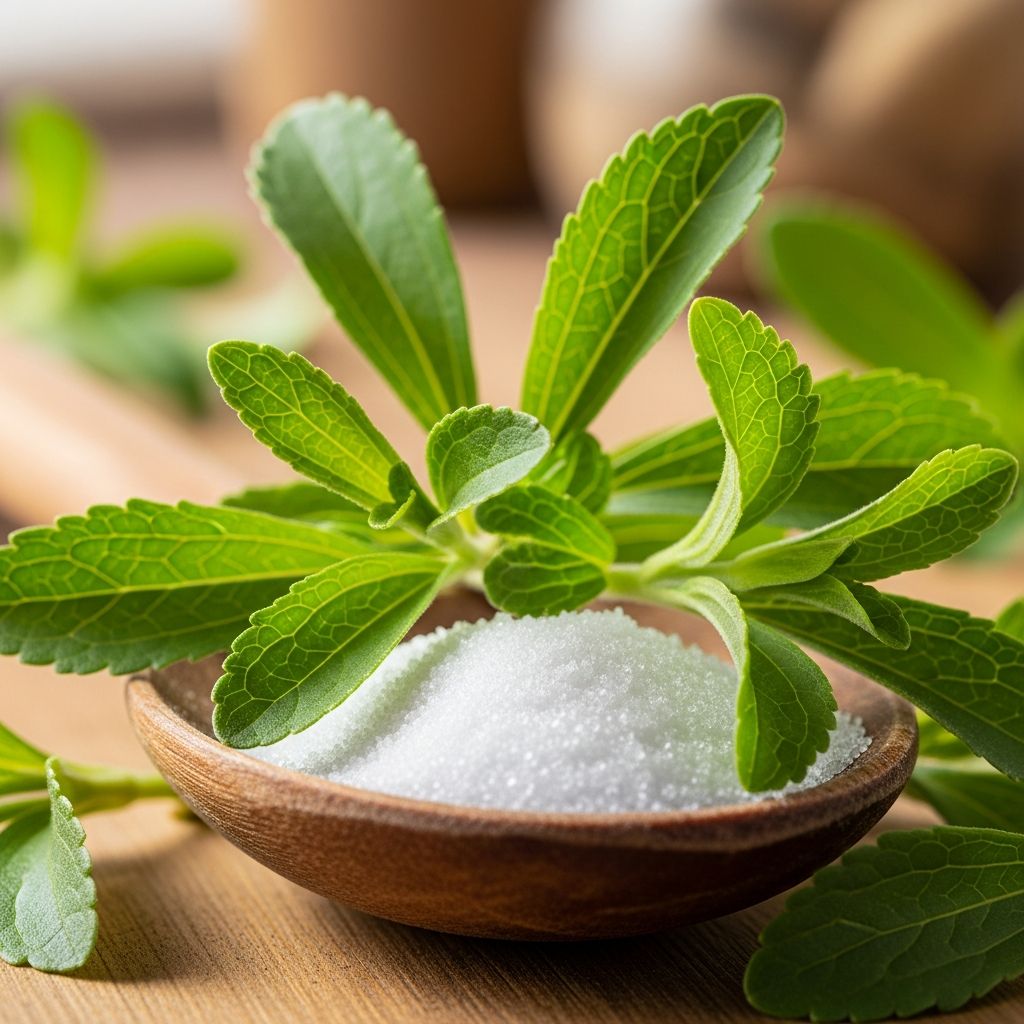
Stevia, derived from the leaves of the Stevia rebaudiana plant native to South America, is a natural, zero-calorie sweetener that’s 200–300 times sweeter than sugar. Used for centuries in traditional medicine, modern research highlights its potential health advantages, particularly for blood sugar control and weight management.
What Is Stevia?
Stevia is a plant-based sweetener extracted from the leaves of Stevia rebaudiana, a herb in the Asteraceae family. The sweet compounds, known as steviol glycosides like stevioside and rebaudioside A, provide intense sweetness without calories or carbohydrates. Unlike artificial sweeteners, stevia is natural and has been consumed in Paraguay and Brazil for hundreds of years to sweeten teas and medicines.
The U.S. Food and Drug Administration (FDA) classifies highly purified steviol glycosides as generally recognized as safe (GRAS). Commercial products include powders, liquids, and blends often mixed with sugar alcohols or fillers for texture. Whole leaf stevia or crude extracts are not approved for food use in the U.S. due to limited safety data.
Nutrition Facts of Stevia
Stevia contains zero calories, zero carbohydrates, and no impact on blood glucose or insulin levels, making it ideal for low-carb, keto, or diabetic diets. A typical serving (e.g., 1 teaspoon of powdered stevia equivalent to 1 cup sugar) provides negligible nutrients but delivers sweetness from steviol glycosides.
| Nutrient | Amount per Serving (1g powder) | % Daily Value |
|---|---|---|
| Calories | 0 | 0% |
| Total Fat | 0g | 0% |
| Carbohydrates | 1g | 0% |
| Sugar | 0g | – |
| Protein | 0g | 0% |
Data based on common commercial stevia products; values may vary by brand.
Potential Health Benefits of Stevia
Research, including peer-reviewed studies, suggests stevia offers several health benefits, though more large-scale human trials are needed.
Blood Sugar Control
Stevia does not raise blood glucose levels, making it beneficial for diabetes management. A joint statement from the American Heart Association (AHA) and American Diabetes Association (ADA) supports its use as a sugar substitute for people with diabetes, provided they don’t compensate with extra calories.
Studies show stevia reduces post-meal blood glucose. In one trial, participants consuming stevia-sweetened jelly had lower glucose levels 60–120 minutes after eating compared to sucrose, even before insulin secretion. Rat studies found whole leaf powder lowered fasting blood sugar and protected against liver/kidney damage.
Weight Loss and Satiety
By replacing sugar, stevia cuts calories, aiding weight loss. A study compared stevia, aspartame, and sucrose preloads: despite fewer calories in stevia (290 vs. 493), satiety and hunger levels were similar, with lower post-meal glucose and insulin.
Stevia may enhance fullness and reduce later calorie intake. Obese rats fed stevia showed improved insulin signaling, reduced inflammation, and less atherosclerotic plaque.
Heart Health
Stevia may lower cholesterol and blood pressure. A 2009 human study found 20 mL daily stevia extract for one month reduced total cholesterol, LDL, and triglycerides while raising HDL, with no side effects.
Anti-hypertensive effects are noted in reviews; stevioside relaxes blood vessels. It also reduces triglycerides and improves lipid profiles in animal models.
Related Stories



Antioxidant and Anti-Inflammatory Effects
Stevia exhibits antioxidant properties, combating oxidative stress linked to diabetes complications. Leaf extracts show anti-inflammatory action, inhibiting pathogenic bacteria and reducing edema.
Potential anti-cancer effects include fighting certain cancers via glycosides, though human evidence is preliminary.
Other Benefits
- Anti-cariogenic: Inhibits oral bacteria, reducing cavity risk.
- Kidney protection: Improves polycystic kidney disease and function.
- Immunomodulatory: Stimulates immunity and phagocytosis.
Stevia Side Effects and Risks
Highly purified stevia is safe for most, but some report a bitter aftertaste or digestive issues from additives like erythritol.
- Allergic reactions rare, mainly in those sensitive to Asteraceae plants (e.g., ragweed).
- Sugar alcohols in blends may cause bloating, gas, or diarrhea.
- Limited data on long-term high-dose use; pregnant/breastfeeding individuals should consult doctors.
No evidence of toxicity in approved forms. Whole leaf stevia lacks extensive safety data.
Is Stevia Safe?
Yes, FDA-approved purified steviol glycosides are GRAS. Studies confirm safety for diabetes, hypertension, obesity, and children. Baptist Health notes positive effects like cholesterol management and blood sugar control, with ongoing research.
Avoid confusing with unpurified extracts. Check labels for additives.
How to Use Stevia
Baking: Use half the amount of sugar; it doesn’t caramelize or add bulk—blend with flour or applesauce.
Beverages: Drops or packets for coffee, tea, smoothies.
Cooking: Stable up to 400°F; ideal for sauces, dressings.
- Start small—it’s potent.
- Choose pure products without dextrose fillers.
- Store in cool, dry place.
Stevia vs. Other Sweeteners
| Sweetener | Calories | Glycemic Index | Natural? | Potential Benefits |
|---|---|---|---|---|
| Stevia | 0 | 0 | Yes | Blood sugar control, antioxidants |
| Sugar | 4/g | 65 | Yes | Quick energy |
| Aspartame | 4/g | 0 | No | Low cal |
| Monk Fruit | 0 | 0 | Yes | Antioxidants |
| Erythritol | 0.2/g | 1 | Semi | Dental friendly |
Who Should Avoid Stevia?
- Those with ragweed allergies.
- Pregnant/nursing without doctor approval.
- Individuals sensitive to sugar alcohols.
Moderation is key; excess may cause nausea.
Frequently Asked Questions (FAQs)
Is stevia good for diabetics?
Yes, it helps manage blood sugar without spikes. AHA/ADA endorse it.
Does stevia cause weight gain?
No, it’s zero-calorie and promotes satiety.
Is stevia better than artificial sweeteners?
Often preferred for natural origin and added benefits like antioxidants.
Can stevia replace sugar in baking?
Yes, but adjust ratios and add bulk agents.
Is stevia FDA approved?
Purified extracts are GRAS.
References
- Stevia and diabetes: Safety, benefits, risks, and side effects — Medical News Today. 2023-05-15. https://www.medicalnewstoday.com/articles/323376
- What Is Stevia? Health Benefits and Risks — WebMD. 2024-01-10. https://www.webmd.com/food-recipes/what-is-stevia
- Natural sweetener Stevia rebaudiana: Functionalities, health benefits and potential risks — PMC (NCBI). 2021-11-01. https://pmc.ncbi.nlm.nih.gov/articles/PMC8600158/
- Stevia Side Effects and Best Alternatives — Healthline. 2023-08-20. https://www.healthline.com/health/food-nutrition/stevia-side-effects
- Is Stevia Safe? — Baptist Health. 2024-03-05. https://www.baptisthealth.com/blog/healthy-living/is-stevia-safe
Similar Articles








Read full bio of Sneha Tete