STI Vs. STD: Clear Guide To The Difference
Understand the crucial distinction between STIs and STDs to improve sexual health awareness and reduce stigma.
Sexually transmitted infections (STIs) and sexually transmitted diseases (STDs) are often used interchangeably, but they represent distinct stages of sexually transmitted conditions. An STI refers to the initial infection caused by pathogens like bacteria, viruses, or parasites transmitted through sexual contact, which may not always produce symptoms. An STD develops when that infection progresses to cause noticeable symptoms or health complications.
This distinction is crucial because many STIs remain asymptomatic, allowing silent transmission. Recognizing the difference promotes early testing, reduces stigma, and prevents progression to more serious diseases.
What Is an STI?
An
STI
is an infection acquired through sexual activity, including vaginal, anal, or oral sex, or skin-to-skin contact. Pathogens invade the body and multiply without necessarily causing immediate harm or symptoms. Common examples include chlamydia, gonorrhea, human papillomavirus (HPV), herpes simplex virus (HSV), and syphilis.According to the CDC, STIs are caused by viruses, bacteria, fungi, or parasites passed during intimate contact. Many people with STIs show no signs, making routine screening essential, especially for sexually active individuals.
What Is an STD?
An
STD
occurs when an STI advances, damaging cells and producing symptoms like pain, discharge, sores, or long-term complications such as infertility or cancer. Not all STIs become STDs; some resolve naturally or with early treatment.For instance, untreated chlamydia can lead to pelvic inflammatory disease (PID), an STD causing chronic pelvic pain and infertility. The term STD implies clinical disease manifestation.
STI vs. STD: The Key Difference
The primary distinction is symptoms: STIs are infections (often silent), while STDs are symptomatic diseases stemming from those infections. All STDs start as STIs, but not all STIs progress to STDs.
| Aspect | STI | STD |
|---|---|---|
| Definition | Infection by pathogen via sexual contact | Symptomatic progression of STI |
| Symptoms | Often none (asymptomatic) | Visible signs like sores, pain, discharge |
| Progression | May clear without treatment | Causes tissue damage/complications |
| Examples | HPV (latent), chlamydia (early) | Genital herpes, syphilis (late stages) |
This table highlights how STIs can be managed before becoming STDs.
Why the Shift from STD to STI?
Health experts prefer “STI” to reduce stigma associated with “disease,” which implies severe illness. “Infection” is more accurate since most cases lack symptoms, encouraging testing without fear.
The CDC and WHO emphasize STI terminology to focus on prevention before disease develops, improving public health outcomes.
How Do STIs Spread?
STIs transmit via:
- Vaginal, anal, or oral sex
- Skin-to-skin contact (e.g., HPV, herpes)
- Bodily fluids (semen, vaginal secretions, blood)
- Shared needles (HIV, hepatitis)
- Mother-to-child during pregnancy/birth
Over 30 pathogens are known to spread sexually, per WHO.
Common STIs and Their Progression to STDs
Many STIs can evolve into STDs if untreated:
| STI | Potential STD Outcomes |
|---|---|
| Chlamydia | PID, infertility, epididymitis |
| Gonorrhea | PID, disseminated infection |
| HPV | Genital warts, cervical/oral cancers |
| Herpes (HSV) | Genital herpes outbreaks |
| Syphilis | Neurosyphilis, heart damage |
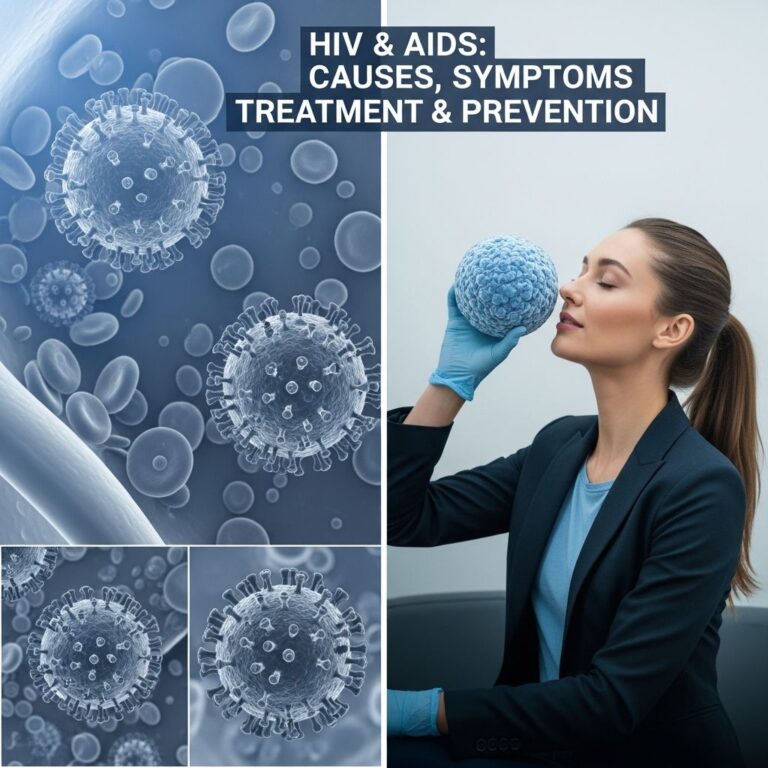
| HIV | AIDS if untreated |
| Trichomoniasis | Increased STI susceptibility |
Related Stories



Early intervention halts progression.
Symptoms to Watch For
STIs often asymptomatic, but signs include:
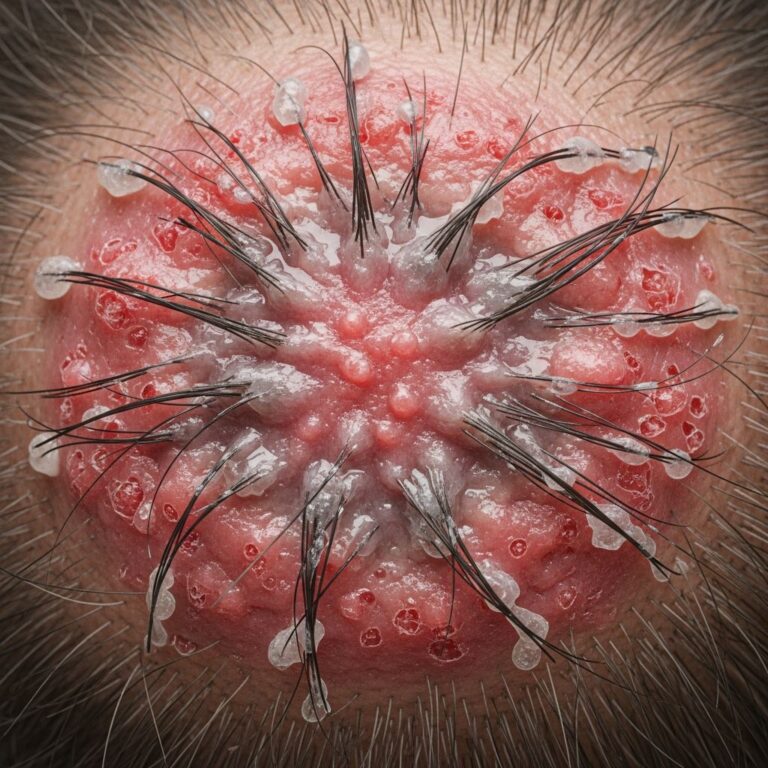
- Bumps, sores, rashes on genitals/anus/thighs
- Unusual discharge (vaginal/penile), odor changes
- Painful urination or penetration
- Pelvic pain, swollen testicles
- Rectal bleeding, lymph node swelling
Women may notice irregular bleeding; men, penile issues. Seek care promptly.
Testing and Diagnosis
Test via urine, blood, swabs. Incubation periods vary (days to months), so time tests post-exposure. CDC recommends annual screening for active individuals.
Asymptomatic testing prevents spread.
Treatment Options
Bacterial STIs (chlamydia, gonorrhea, syphilis): Antibiotics cure most.
Viral (HPV, herpes, HIV): Antivirals manage, not cure. HPV vaccines prevent.
Early treatment averts STDs.
Prevention Strategies
- Use condoms/dental dams consistently
- Get vaccinated (HPV, hepatitis B)
- Regular testing, especially with new partners
- Limit partners, communicate status
- Avoid sharing needles
PrEP for HIV prevention.
Frequently Asked Questions (FAQs)
Are STI and STD the same?
No. STI is the infection; STD is when it causes symptoms. All STDs start as STIs.
Can you have an STI without knowing?
Yes, most are asymptomatic initially.
Do condoms prevent all STIs?
No, they reduce risk but not for skin-contact STIs like HPV/herpes.
Is chlamydia an STI or STD?
Initially STI; becomes STD if symptomatic like PID.
How often should you test?
Yearly or more if high-risk, per CDC.
Impact on Reproductive Health
Untreated STIs cause infertility, ectopic pregnancy, cancers. Women face higher PID risk; men, epididymitis.
Global burden: Millions affected yearly; prevention key.
References
- About Sexually Transmitted Infections (STIs) — CDC. 2024. https://www.cdc.gov/sti/about/index.html
- Sexually transmitted infections (STIs) — WHO. 2024-11-21. https://www.who.int/news-room/fact-sheets/detail/sexually-transmitted-infections-(stis)
- Sexually Transmitted Infections — MedlinePlus. 2024. https://medlineplus.gov/sexuallytransmittedinfections.html
- Sexually transmitted infections and female reproductive health — PMC/NCBI. 2022-08-11. https://pmc.ncbi.nlm.nih.gov/articles/PMC9362696/
- What you should know about STDs and STIs — Ohio State Health. 2024. https://health.osu.edu/health/sexual-health/std-and-sti
Similar Articles








Read full bio of Sneha Tete