Stickler Syndrome Comprehensive Guide To Symptoms And Care
Comprehensive insights into Stickler syndrome: genetic causes, eye risks, symptoms, diagnosis, and lifelong management strategies for better outcomes.
Stickler syndrome represents a spectrum of genetic disorders stemming from defects in connective tissue, primarily collagen, which supports structures throughout the body. This condition manifests in varied ways, predominantly affecting the eyes, joints, ears, and facial development, with potential involvement of the palate and skeleton.
Genetic Foundations and Types
At its core, Stickler syndrome arises from mutations in genes responsible for producing collagen, a vital protein that provides strength and flexibility to tissues. These mutations disrupt normal collagen formation, leading to widespread developmental issues. Several genes are implicated, including COL2A1, COL11A1, and COL11A2, among others, resulting in distinct subtypes.
- Type I (STL1): Linked to COL2A1 mutations on chromosome 12q13.11, accounting for about 70% of cases. It broadly impacts eyes, ears, face, palate, and skeleton.
- Type II: Associated with COL11A1, often featuring prominent hearing loss and milder eye involvement.
- Type III: Involves COL11A2, primarily skeletal with less ocular impact.
- Types IV-VI: Tied to rarer genes like COL9A1, COL9A2, and COL9A3, with variable presentations.
Prevalence estimates suggest 1 in 7,500 to 9,000 newborns in the U.S. are affected, occurring equally across genders. Inheritance is typically autosomal dominant, meaning a single mutated gene from one parent suffices, though de novo mutations occur in some cases.
Distinctive Facial and Palatal Characteristics
Individuals often display a characteristic facial profile due to underdeveloped midfacial bones, including a flat midface, prominent forehead, small upturned nose, and micrognathia (underdeveloped jaw). These traits align with Pierre Robin sequence in many cases, featuring a cleft palate or high-arched palate, small jaw, and posterior tongue placement, which can complicate breathing, feeding, and speech in infancy.
Malocclusion, where upper and lower teeth fail to align properly, is common, sometimes necessitating dental interventions. As children grow, facial features may become less pronounced, but early orthodontic evaluation remains crucial.
Critical Eye-Related Manifestations
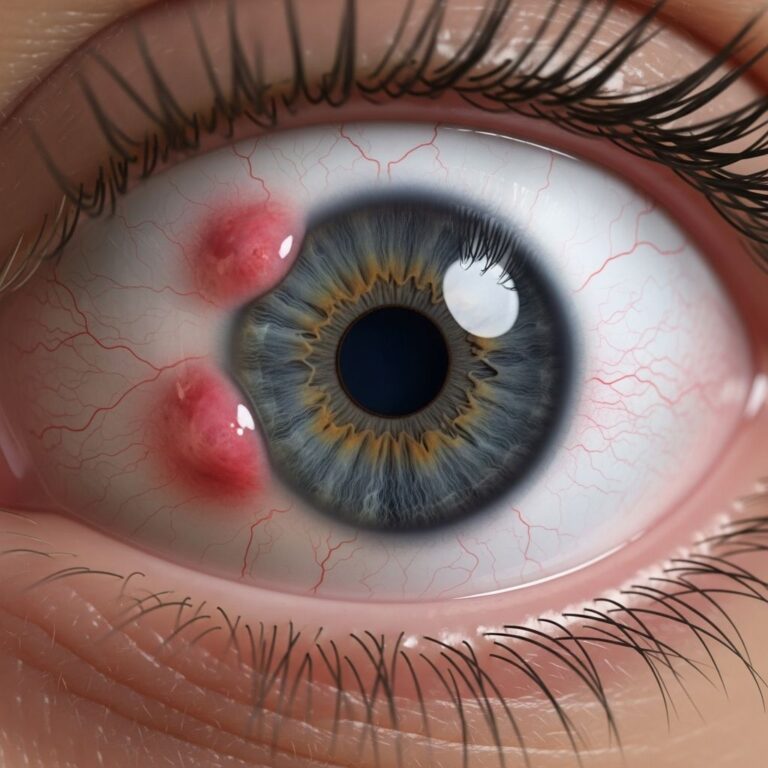
Ocular complications are a hallmark, often presenting early and posing significant vision threats. High myopia, detectable from infancy or developing progressively, blurs distant vision and heightens risks for other issues.
| Eye Condition | Description | Potential Impact |
|---|---|---|
| Myopia | Extreme nearsightedness | Blurry distance vision; risk factor for retinal issues |
| Vitreoretinal Degeneration | Breakdown of vitreous gel and retina | Floaters, heightened detachment risk |
| Retinal Detachment | Retina pulls away from eye wall | Vision loss if untreated; requires urgent surgery |
| Cataracts | Lens clouding | Blurred vision; surgically removable |
| Astigmatism/Strabismus | Corneal/lens irregularity; eye misalignment | Double vision, amblyopia |
| Glaucoma | Elevated eye pressure | Optic nerve damage (5-10% cases) |
Regular ophthalmologic monitoring from birth is essential, as early detection of vitreous changes or retinal tears can prevent detachment via laser therapy.
Auditory and Mitral Valve Concerns
Sensorineural hearing loss, stemming from inner ear collagen defects, affects many, progressing gradually and often requiring hearing aids. Conductive loss from recurrent otitis media due to palate issues is also frequent in childhood.
A subset experiences mitral valve prolapse, where the heart’s valve doesn’t close properly, potentially causing regurgitation. Routine cardiac screening is advised, though severe issues are uncommon.
Skeletal and Joint Abnormalities
Hypermobile joints predispose to dislocations, particularly in hips, knees, and shoulders. Over time, this evolves into stiffness, pain, and early osteoarthritis by the 30s or 40s. Spinal curvatures like kyphoscoliosis may develop, alongside mild short stature or rhizomelic shortening in some types.
Related Stories



- Joint laxity decreases with age but leaves lasting degenerative changes.
- Skeletal surveys can reveal epiphyseal dysplasia or platyspondyly.
- Physical therapy helps maintain mobility and strength.
Diagnostic Approaches
Diagnosis combines clinical evaluation, family history, and genetic testing. Key indicators include ocular findings, hearing tests, facial dysmorphology, and joint exams. Genetic confirmation via sequencing of COL2A1 and related genes solidifies the diagnosis, guiding counseling on recurrence risks (50% for dominant inheritance).
Prenatal testing is possible if a familial mutation is known, via amniocentesis or CVS. Differential diagnoses include Marshall syndrome, OSMED, or other collagenopathies like Ehlers-Danlos.
Management and Therapeutic Interventions
No cure exists, but multidisciplinary care optimizes outcomes. Management focuses on symptom control and prevention:
- Eye Care: Annual dilated exams; prophylactic laser for retinal risks; glasses/contacts for refractive errors; cataract surgery as needed.
- Hearing/Speech: Audiology assessments; aids; speech therapy for palate-related issues.
- Orthopedics/Dentistry: Bracing for scoliosis; joint protection; orthodontic corrections.
- Cardiac: Echocardiograms if indicated.
Supportive therapies like physical/occupational therapy enhance quality of life. Genetic counseling educates families on inheritance and options.
Prognosis and Daily Living
With vigilant monitoring, most achieve good vision preservation and functional independence. Untreated retinal detachment risks blindness, underscoring early intervention. Life expectancy is typically normal, though joint degeneration may limit mobility later.
Lifestyle adaptations include low-impact exercises, joint protection techniques, and nutritional support for bone health. Patient advocacy groups offer resources and community.
Frequently Asked Questions (FAQs)
What causes Stickler syndrome?
Mutations in collagen genes like COL2A1 disrupt connective tissue formation.
Is Stickler syndrome progressive?
Symptoms like myopia stabilize, but joint issues and hearing loss may worsen over time.
Can retinal detachment be prevented?
Yes, routine eye exams and laser treatments for at-risk areas significantly reduce incidence.
Does everyone with Stickler syndrome have the same symptoms?
No, variability is common even within families; eye and joint issues are most consistent.
How is Stickler syndrome inherited?
Primarily autosomal dominant; 50% chance per child if a parent is affected.
References
- Stickler Syndrome – Symptoms, Causes, Treatment — NORD (National Organization for Rare Disorders). 2023-05-15. https://rarediseases.org/rare-diseases/stickler-syndrome/
- Stickler Syndrome — Rady Children’s Health. 2024-02-10. https://www.rchsd.org/programs-services/genetics-dysmorphology/conditions-treated/stickler-syndrome/
- Stickler Syndrome: Symptoms & Outlook — Cleveland Clinic. 2024-11-20. https://my.clevelandclinic.org/health/diseases/17987-stickler-syndrome
- Stickler Syndrome | Causes, Signs, & Symptoms — Marfan Foundation. 2023-08-05. https://marfan.org/conditions/stickler-syndrome/
- Stickler Syndrome — Boston Children’s Hospital. 2024-01-12. https://www.childrenshospital.org/conditions-treatments/stickler-syndrome
- Stickler Syndrome – GeneReviews® — NCBI Bookshelf (NIH). 2023-07-27. https://www.ncbi.nlm.nih.gov/books/NBK1302/
Similar Articles








Read full bio of medha deb