Stiff Neck: Causes, Symptoms & Treatment Options
Learn about stiff neck causes, when to see a doctor, and effective at-home treatments.
Understanding Stiff Neck: Causes, Symptoms, and Treatment
A stiff neck is one of the most common musculoskeletal complaints affecting millions of people each year. Whether caused by poor posture, muscle strain, or an underlying condition, neck stiffness can significantly impact your daily activities and quality of life. The good news is that most cases of stiff neck are temporary and can be managed effectively with at-home treatments. However, understanding when to seek professional medical attention is equally important, as a stiff neck can sometimes indicate a more serious health condition requiring immediate care.
What Is a Stiff Neck?
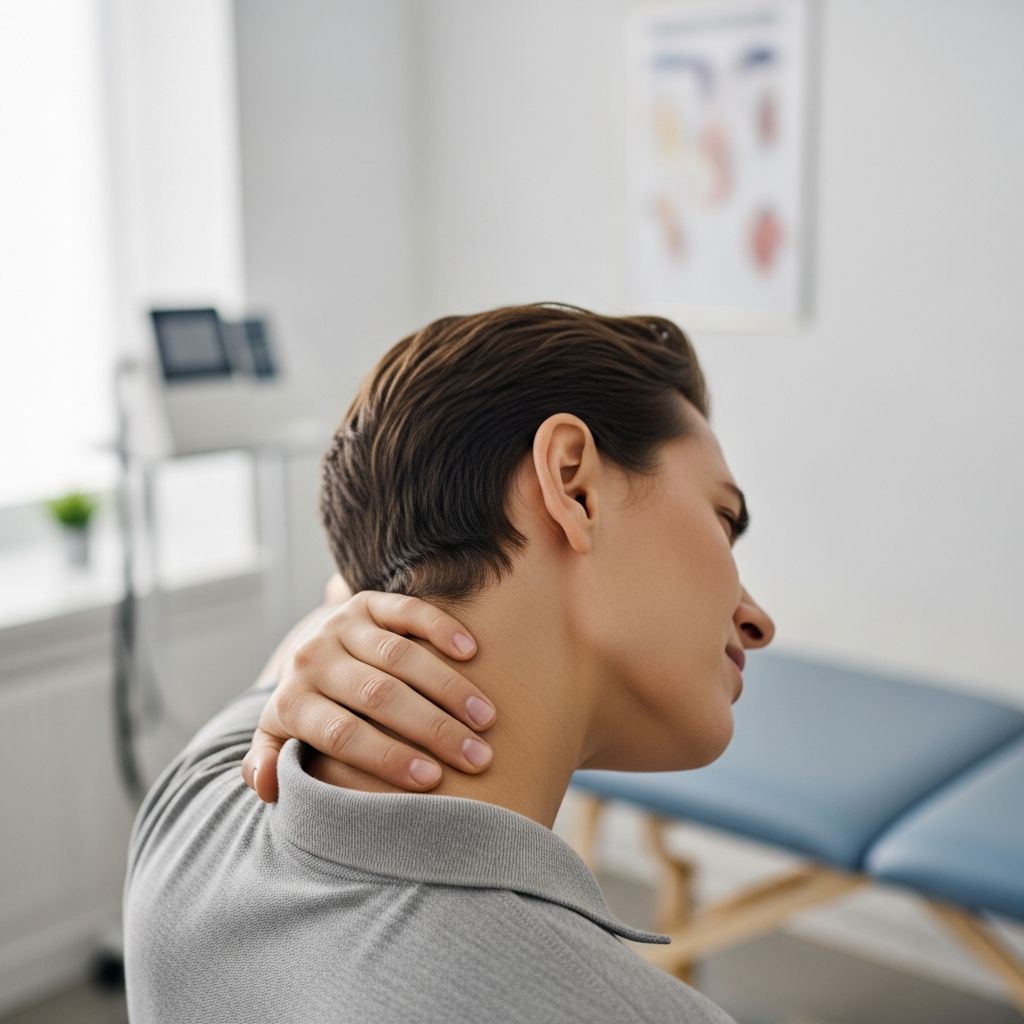
A stiff neck refers to difficulty moving your neck, particularly when trying to turn your head from side to side or touch your chin to your chest. This stiffness may be accompanied by pain, soreness, or a limited range of motion. The condition can develop suddenly or gradually, depending on the underlying cause. Most commonly, stiff neck results from muscle tension, poor sleeping positions, or prolonged posture issues related to screen time.
Common Causes of Stiff Neck
Understanding the root cause of your stiff neck is essential for determining the appropriate treatment approach. Several factors can contribute to neck stiffness, including:
- Muscle strain from sudden movements or whiplash injuries
- Poor posture while sitting at a desk or using mobile devices
- Sleeping in an awkward position or on an unsupportive pillow
- Stress and tension that accumulates in neck muscles
- Cervical arthritis or degenerative disc disease
- Muscle spasms or tension headaches
- Minor infections or inflammatory conditions
Recent data from the Centers for Disease Control and Prevention’s 2018 National Health Interview Survey found that 16.1% of adults experienced neck pain within the past three months, highlighting how prevalent this issue has become in our increasingly screen-dependent society.
When Should You Seek Medical Attention?
While most cases of stiff neck resolve on their own or with simple home treatments, certain situations warrant professional medical evaluation. You should visit a healthcare provider if you experience:
- Stiff neck accompanied by fever, headache, and sensitivity to light (potential signs of meningitis)
- Severe pain that doesn’t improve with over-the-counter medications
- Numbness, tingling, or weakness in your arms or hands
- Loss of bladder or bowel control
- Difficulty swallowing or speaking
- Stiffness that persists for more than a few days without improvement
- Limited range of motion that prevents normal daily activities
- Stiff neck resulting from a trauma or accident
Trust your instincts and listen to what your body is telling you. Even if your neck stiffness isn’t caused by something serious, a healthcare provider can guide you toward the most effective treatment approach and rule out any underlying conditions.
At-Home Treatments for Stiff Neck
For minor stiff neck cases, several at-home remedies can provide relief and promote recovery. These conservative treatments are safe, cost-effective, and can be implemented immediately:
Heat and Cold Therapy
Applying ice or heat to your neck is one of the most effective and accessible treatments for stiffness. For the first 48 to 72 hours after the onset of stiffness, use ice to reduce inflammation and numb the area. After the initial period, switch to heat therapy to relax muscles and improve circulation. Heat can be applied through warm showers, hot compresses, or a heating pad. Be cautious not to fall asleep with heating pads or ice bags to avoid skin injuries.
Related Stories



Over-the-Counter Pain Relievers
Doctors commonly recommend ibuprofen or acetaminophen to manage neck pain and reduce inflammation. These medications can help control symptoms while your body naturally heals. Follow the dosage instructions on the package and consult a healthcare provider if pain persists.
Stretching and Range-of-Motion Exercises
The key to relief for a stiff neck is proper stretching and gentle manipulation. Slow range-of-motion exercises performed up and down, side to side, and from ear to ear can help gently stretch neck muscles and restore flexibility. You might also try stretching your arms over your head and slowly rolling your neck in a circle. Certain yoga poses can also help ease stiffness, though avoid jerking or painful movements that could exacerbate symptoms.
Massage and Manual Therapy
Gentle massage of sore or painful areas can provide significant relief. When having a partner perform the massage, communication is essential. Ask them to vary pressure and technique until finding what feels most comfortable. Massage movements should be directed toward the heart, matching the direction of blood flow in your veins. Excessive pressure in the wrong direction could potentially damage a valve.
Rest and Activity Modification
Avoiding jerking movements and painful activities helps calm symptoms and reduce inflammation. Give your neck time to recover by taking breaks from repetitive activities and maintaining a neutral spine position throughout the day.
Proper Sleep Support
Your sleeping position and pillow choice significantly impact neck health. Try sleeping on a firm mattress without a pillow or with a special cervical neck pillow designed to support proper alignment. Avoid sleeping on your stomach, which forces your neck into rotation.
Soft Neck Collar
A healthcare provider may recommend using a soft neck collar to relieve discomfort and limit movement during the acute phase. However, avoid wearing the collar for extended periods, as prolonged use can weaken neck muscles.
Professional Treatment Options
When at-home treatments don’t provide adequate relief or if your stiff neck stems from a more serious condition, healthcare providers offer additional treatment options:
Physical Therapy
A physical therapist can design specific exercises to strengthen muscles around your neck and improve flexibility. These customized exercise programs address your unique needs and can be performed both in the clinic and at home.
Medication
Healthcare providers may prescribe muscle relaxants or stronger pain medications if over-the-counter options prove insufficient. For certain conditions, prescription-strength anti-inflammatory medications may be recommended.
Corticosteroid Injections
These injections reduce inflammation and swelling near nerves in your neck, providing relief for conditions like cervical radiculopathy or stenosis. Epidural steroid injections deliver strong anti-inflammatory medicine to tight, irritated spaces around the spine.
Surgical Intervention
If conservative treatments fail or neurological symptoms develop, surgery may be recommended. Advanced surgical techniques can repair fractures, replace damaged cervical disks with artificial disks, or address other structural issues causing persistent stiffness.
Treatment for Specific Conditions
The underlying cause of your stiff neck determines the appropriate treatment approach. For example, neck stiffness caused by arthritis typically responds well to the at-home treatments mentioned above, supplemented by physical therapy exercises designed to strengthen neck muscles. A healthcare provider or physical therapist can guide you through specific stretches and strengthening routines tailored to your condition.
How Long Does Stiff Neck Last?
The duration of stiff neck varies depending on its cause and treatment approach. For minor cases, stiffness might resolve within minutes or by later the same day. Most cases improve within a few days with appropriate home care. However, if your symptoms persist beyond a few days or worsen despite treatment, professional evaluation becomes necessary. Some individuals experience complete resolution without any treatment, while others require ongoing management strategies.
Preventing Future Stiff Neck Episodes
Prevention is always preferable to treatment. Consider these strategies to reduce your risk of developing stiff neck:
- Maintain proper posture while working at a desk or using mobile devices
- Take frequent breaks from screen time to stretch and move
- Invest in an ergonomic chair and proper desk setup
- Sleep on a supportive pillow that keeps your neck aligned
- Practice stress-reduction techniques like yoga or meditation
- Stay physically active and maintain neck muscle strength
- Avoid sudden jerking movements and whiplash situations
- Keep your workspace organized to avoid awkward reaching
Frequently Asked Questions
Q: How long should I use ice versus heat for a stiff neck?
A: Use ice for the first 48 to 72 hours after onset to reduce inflammation, then switch to heat therapy to relax muscles and improve circulation. Heat can be applied through warm showers, hot compresses, or heating pads.
Q: Is it safe to use a neck collar for extended periods?
A: No, prolonged use of a neck collar can weaken neck muscles. Use soft collars only for short periods as recommended by your healthcare provider to relieve acute discomfort.
Q: Can stress cause a stiff neck?
A: Yes, stress and tension commonly accumulate in neck muscles, causing stiffness. Practicing stress-reduction techniques like yoga, meditation, and regular stretching can help prevent stress-related stiff neck.
Q: What’s the best sleeping position for neck health?
A: Sleep on your back or side with a supportive pillow that maintains neutral spine alignment. Avoid sleeping on your stomach, which forces your neck into rotation and can cause stiffness.
Q: When should I see a doctor for stiff neck?
A: Visit a healthcare provider if your stiff neck is accompanied by fever, headache, sensitivity to light, severe pain, numbness, weakness, or if stiffness persists for more than a few days despite home treatment.
Q: Are there exercises I can do to prevent stiff neck?
A: Yes, gentle range-of-motion exercises performed throughout the day help maintain flexibility. Slow neck rolls, side-to-side movements, and forward-backward motions, combined with yoga, can strengthen neck muscles and prevent stiffness.
Q: What should I do if over-the-counter pain relievers don’t help?
A: If over-the-counter medications like ibuprofen or acetaminophen don’t provide relief, consult a healthcare provider. They may prescribe muscle relaxants, stronger anti-inflammatory medications, or recommend other treatments like physical therapy or injections.
References
- Stiff Neck: Common Causes & How to Treat Them — Cleveland Clinic. 2022-11-28. https://my.clevelandclinic.org/health/symptoms/24477-stiff-neck
- Stiff Neck? Remedies to Find Neck Pain Relief — Cleveland Clinic Health Essentials. https://health.clevelandclinic.org/do-you-have-a-stiff-neck-try-these-simple-remedies
- National Health Interview Survey 2018 — Centers for Disease Control and Prevention. https://www.cdc.gov/nchs/nhis/
- 11 Causes of Neck Spasms & How to Treat Them — Cleveland Clinic. https://my.clevelandclinic.org/health/diseases/24462-neck-spasms
- Cervical Spondylosis: What It Is, Symptoms & Treatment — Cleveland Clinic. https://my.clevelandclinic.org/health/diseases/17685-cervical-spondylosis
- Cervical Neck Pain Treatment — Cleveland Clinic. https://my.clevelandclinic.org/services/cervical-neck-pain-treatment
- Neck Pain: 6 Common Causes and Treatments — Cleveland Clinic. https://my.clevelandclinic.org/health/symptoms/21179-neck-pain
Similar Articles








Read full bio of medha deb