STIs And Vision: Key Risks, Prevention, And Eye Care 2025
Discover how common sexually transmitted infections can silently threaten eyesight and learn proven strategies for prevention and early detection.
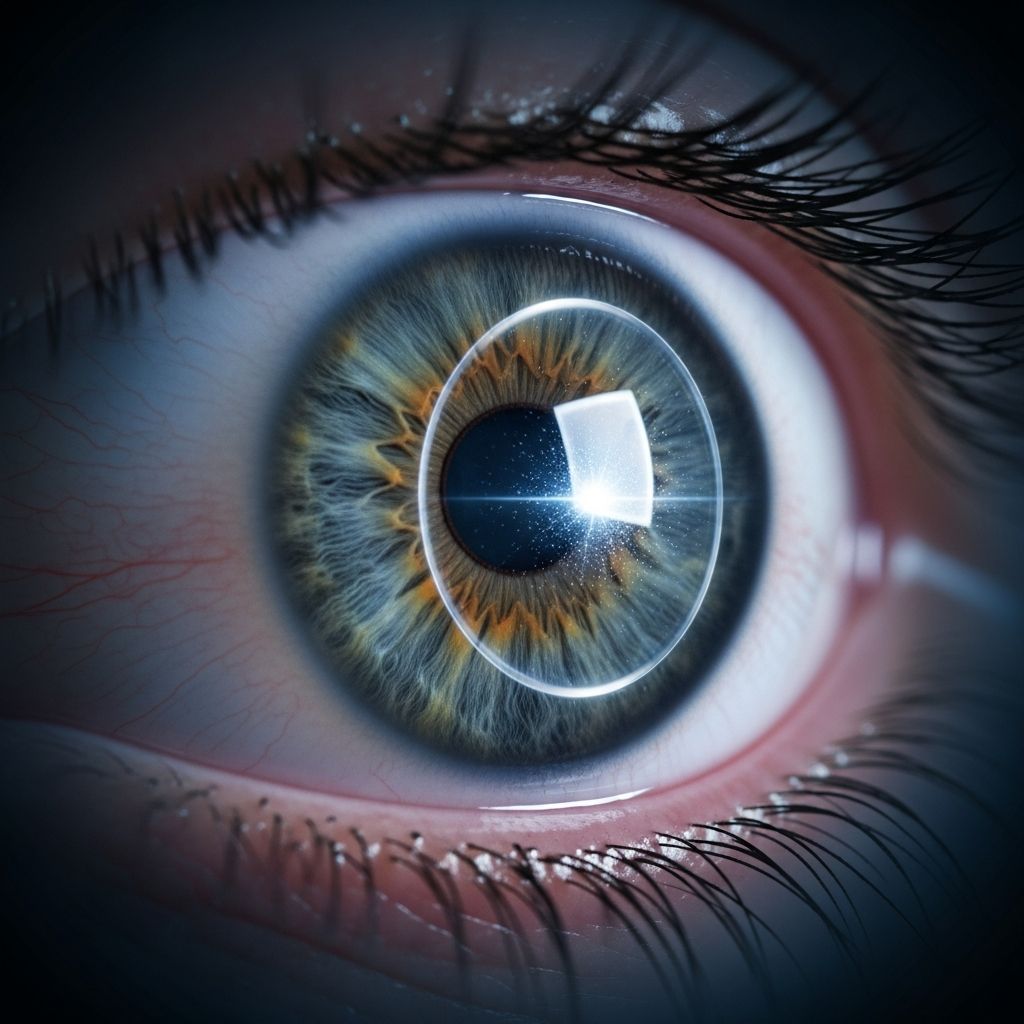
Sexually transmitted infections (STIs) pose risks far beyond reproductive health, potentially compromising eyesight through direct or indirect ocular involvement. Bacterial and viral pathogens like those causing syphilis, gonorrhea, chlamydia, HIV, and herpes can infiltrate eye tissues, leading to inflammation, scarring, and irreversible vision loss if untreated. Recent data from U.S. health authorities reveal sharp rises in STI cases—gonorrhea up 28% and syphilis up 74% from 2017 to 2021—heightening the urgency for awareness among eye care professionals and the public.
The Hidden Pathways: How STIs Reach the Eyes
STIs typically invade the eyes via autoinoculation, where individuals touch infected genital areas and then rub their eyes, transferring pathogens directly. Direct contact with infected bodily fluids during intimate activities also facilitates spread to ocular surfaces. For instance, Neisseria gonorrhoeae aggressively targets the conjunctiva, rapidly progressing to corneal invasion within hours if unchecked.
In systemic infections like syphilis, spirochetes disseminate hematogenously, affecting nearly any ocular structure from the cornea to the optic nerve. HIV weakens immunity, paving the way for opportunistic invaders such as cytomegalovirus (CMV), which ravages the retina in up to 40% of advanced cases. Understanding these routes underscores the need for meticulous hand hygiene and barrier protection during sexual encounters.
Gonorrhea and Chlamydia: Common Culprits of Ocular Inflammation
Gonorrhea and chlamydia rank among the most prevalent STIs, frequently manifesting as severe conjunctivitis characterized by intense redness, lid swelling, profuse discharge, and photophobia. These infections can blur vision through accumulated pus and mucus, mimicking routine pink eye but demanding specialized antibiotics due to their potency.
In adults, gonococcal keratitis evolves swiftly: peripheral corneal ulcers form, merge into ring-like lesions, and risk perforation or endophthalmitis within 24 hours. Chlamydia, often asymptomatic genitally, triggers similar conjunctival chaos upon ocular exposure. Optometrists note surging cases, emphasizing slit-lamp exams for early detection to avert corneal scarring and blindness.
| Infection | Eye Symptoms | Potential Complications |
|---|---|---|
| Gonorrhea | Redness, discharge, blurred vision | Keratitis, corneal perforation, vision loss |
| Chlamydia | Itchiness, mucopurulent discharge, light sensitivity | Chronic conjunctivitis, scarring |
Syphilis: A Multisystem Threat to Vision
Ocular syphilis, though rare (affecting 0.6% of cases), strikes unpredictably across disease stages, impacting the uvea, retina, optic nerve, and beyond. Symptoms span blurred vision, floaters, scotomas, and profound loss, with retinitis, uveitis, optic neuritis, and even retinal detachment reported. Both eyes suffer in over half of instances, and blindness occurs irrespective of HIV status.
From 2014-2015 surveillance across eight U.S. jurisdictions, cases predominantly involved men who have sex with men (MSM) and HIV-positive individuals, mirroring syphilis epidemiology. Untreated, it culminates in optic atrophy or necrotizing retinitis. Prompt penicillin therapy halts progression, but misdiagnosis as milder conditions delays care.
Herpes Viruses and HPV: Viral Assaults on Ocular Surfaces
Herpes simplex virus (HSV-1 and HSV-2) induces dendritic corneal ulcers post-reactivation, alongside stromal keratitis in 25% of cases, fostering scarring, thinning, and rupture risk. Symptoms include pain, tearing, redness, and discomfort. Iridocyclitis and glaucoma may follow.
HIV-related CMV retinitis demands dilated fundus exams for peripheral retinal hemorrhage and necrosis detection. Human papillomavirus (HPV) links to conjunctival papillomas and squamous neoplasias, particularly types 16 and 18. These underscore comprehensive ophthalmic screening in STI patients.
Related Stories



HIV/AIDS: Gateway to Opportunistic Eye Diseases
Up to 70% of HIV patients face ocular issues, largely from opportunistic infections rather than the virus itself. CMV retinitis predominates in immunocompromised states, necessitating vigilant monitoring via indirect ophthalmoscopy. Antiretroviral therapy mitigates risks, but early intervention prevents retinal devastation.
Recognizing Symptoms: When to Seek Urgent Care
- Sudden vision blurring or floaters
- Unilateral or bilateral redness with discharge
- Photophobia or eye pain disproportionate to typical allergies
- Visual field defects or scotomas
- Lid sores or persistent irritation
These red flags warrant immediate ophthalmologic evaluation, including slit-lamp biomicroscopy and dilated exams. Misattribution to benign conjunctivitis allows progression. All sexual partners require testing and treatment to curb reinfection.
Prevention Strategies: Safeguarding Sight and Health
Consistent condom use slashes transmission risks, alongside dental dams for oral-genital contact. Routine STI screening, especially for high-risk groups like MSM and HIV-positive individuals, enables preemptive action. Handwashing post-genital contact prevents autoinoculation.
Vaccination against HPV curbs associated ocular lesions. Annual eye exams by optometrists or ophthalmologists detect subclinical signs via specialized tools. Public health campaigns amplify awareness amid rising STI incidences.
Treatment Approaches: Restoring and Preserving Vision
Bacterial culprits like gonorrhea, chlamydia, and syphilis respond to targeted antibiotics—ceftriaxone for gonorrhea, azithromycin/doxycycline for chlamydia, and penicillin for syphilis. Viral cases may need antivirals like acyclovir for HSV or valganciclovir for CMV.
Early intervention via eye specialists prevents sequelae; delays invite permanence. Patients with penicillin allergies require desensitization or alternatives. Follow-up ensures clearance, protecting vision long-term.
FAQs on STIs and Eye Health
Can STIs cause permanent blindness?
Yes, untreated gonorrhea, syphilis, and herpes can scar corneas or damage retinas, leading to irreversible loss.
Who is most at risk for ocular STIs?
Sexually active young adults, MSM, and HIV-positive individuals face elevated risks due to prevalence patterns.
How quickly does gonococcal eye infection progress?
Corneal complications can emerge within 24 hours, demanding emergency care.
Is ocular syphilis only in HIV patients?
No, it affects HIV-negative individuals too, with similar blindness risks.
Can regular eye exams detect STI-related issues?
Yes, slit-lamp and dilated exams reveal early signs invisible to patients.
Key Takeaways for Eye Protection
Proactive measures—protection, hygiene, screening, and prompt care—intercept STI threats to vision. With STI surges documented by the CDC, integrating eye health into sexual wellness routines is paramount. Consult professionals for personalized risk assessment.
References
- Beyond the bedroom: How STIs are affecting vision across America — Ophthalmology Times. 2023. https://www.ophthalmologytimes.com/view/beyond-the-bedroom-how-stis-are-affecting-vision-across-america
- Common Ocular Manifestations of Sexually Transmitted Diseases — Longdom Publishing. 2018. https://www.longdom.org/open-access/common-ocular-manifestations-of-sexually-transmitted-diseases-52068.html
- The ocular manifestations of sexually transmitted diseases — PubMed. 1990. https://pubmed.ncbi.nlm.nih.gov/2191758/
- Ocular Syphilis — Eight Jurisdictions, United States, 2014–2015 — CDC MMWR. 2016-10-28. https://www.cdc.gov/mmwr/volumes/65/wr/mm6543a2.htm
- The Role of Doctors of Optometry in the Identification, Treatment, and Prevention of STDs — American Optometric Association. N/A. https://www.aoa.org/AOA/Documents/Advocacy/HPI/The%20Role%20of%20Doctors%20of%20Optometry%20in%20the%20Identification,%20Treament,%20and%20Prevention%20of%20STDs.pdf
- Ocular Syphilis: Symptoms & Treatment — Cleveland Clinic. 2023. https://my.clevelandclinic.org/health/diseases/25108-ocular-syphilis
Similar Articles








Read full bio of medha deb