Stoma Skin Problems: Types, Causes, and Treatment
Comprehensive guide to managing skin complications around stomas with evidence-based treatments.
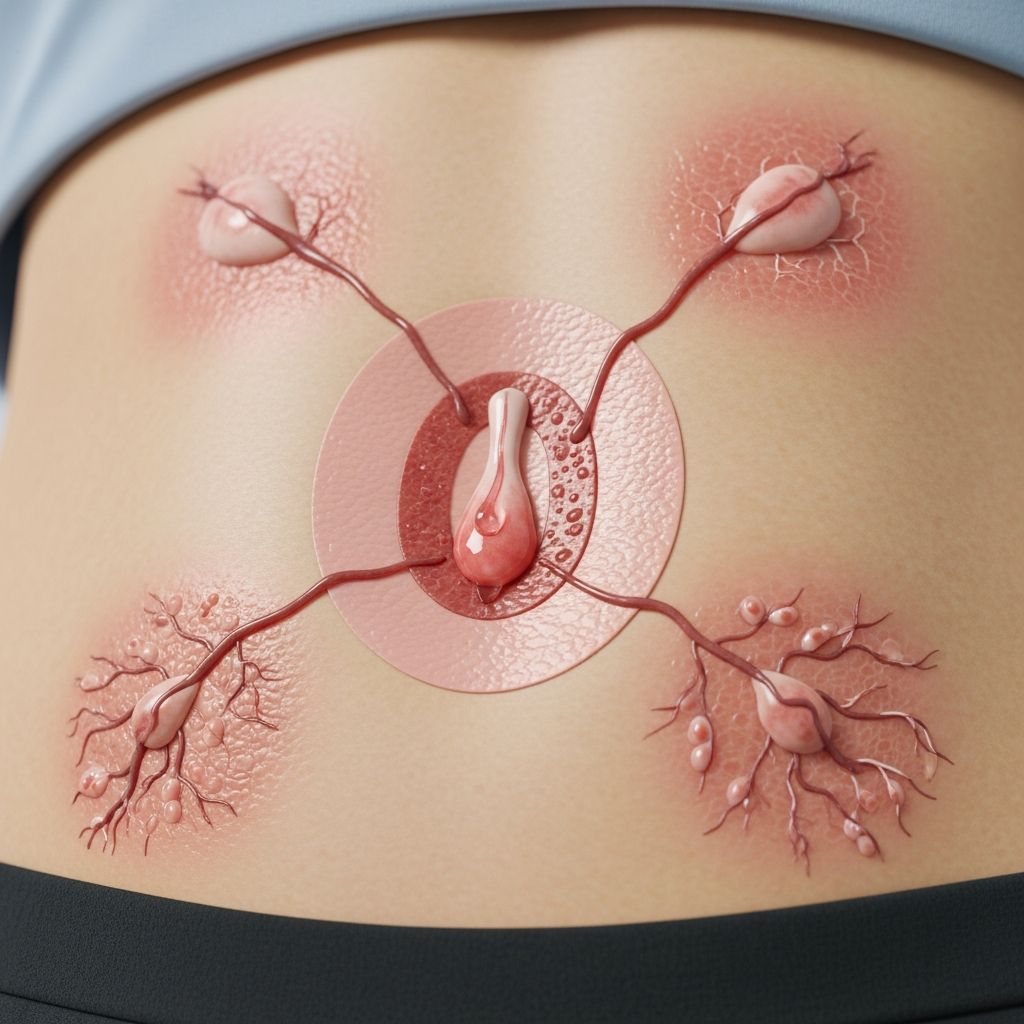
Understanding Stoma Skin Problems
The skin surrounding a stoma faces unique challenges due to the warm, humid environment created by ostomy appliances and exposure to bodily output. This peristomal skin region is particularly vulnerable to various complications that can significantly impact a patient’s comfort and quality of life. Skin problems around stomas are among the most common concerns for ostomy patients, yet many complications are preventable through proper care and early intervention. Understanding the different types of skin conditions that can develop, their underlying causes, and appropriate treatment strategies is essential for both patients and healthcare providers managing stoma care.
Basic Stoma Skin Care Practices
Maintaining healthy skin around a stoma begins with establishing a consistent daily care routine. The foundation of effective peristomal skincare involves gentle cleansing, thorough drying, and careful appliance management.
- Cleansing: Cleanse the skin around the stoma with water alone, using a cotton wipe or soft cloth. Avoid soaps containing moisturisers, perfumes, or fragrances, as these can irritate sensitive peristomal skin. Do not use baby wipes, premoistened wipes, or alcohol-based products, as these may cause additional irritation. Be careful to avoid getting water or debris directly into the stoma during cleaning.
- Drying: After cleansing, allow the skin to dry completely before applying a new appliance. Pat the skin gently rather than rubbing, and ensure no moisture remains under the adhesive seal.
- Hair Management: Shave hairy areas approximately once weekly using a clean razor blade. Removing hair around the stoma improves appliance adhesion and reduces the risk of folliculitis.
- Adhesive Removal: Use gentle adhesive remover sprays or wipes when changing the appliance. Aggressive skin stripping during appliance removal can damage the epidermis and trigger inflammatory conditions.
- Product Selection: Choose carefully designed ostomy products with properties that protect peristomal skin. New skin-protective technology in ostomy baseplates has been found to improve peristomal skin complications and is currently undergoing clinical investigation.
Irritant Contact Dermatitis
Irritant contact dermatitis represents one of the most common skin complications affecting stoma patients. This condition develops when bodily output—containing waste products such as urea, ammonia, and uric acid—comes into contact with peristomal skin. The inflammatory response results in redness, swelling, and discomfort in affected areas.
The primary cause of irritant dermatitis is typically appliance leakage, often resulting from a poorly fitting stoma pouch or incorrect application technique. The warm, humid environment under the appliance creates an ideal setting for irritation to develop. Skin that is already compromised or sensitive is particularly susceptible to developing dermatitis from output exposure.
Treatment of irritant dermatitis focuses on addressing the underlying cause and protecting the skin. Approaches include ensuring proper appliance fit and seal integrity, using skin-protective barrier wipes or films before appliance application, and allowing the skin to dry completely between appliance changes. A light dusting of stoma powder can help dry moist skin and provide an adequate pouching surface. In some cases, a light coating of calamine lotion serves as an effective drying agent. If irritation persists despite proper appliance fit, topical steroids may be applied directly to the stoma when the bag is changed.
Medical Adhesive Related Skin Injuries (MARSI)
Medical Adhesive Related Skin Injuries, commonly referred to as MARSI, encompass skin damage resulting from improper application and removal of ostomy adhesives. The incorrect daily handling of adhesive products can damage the epidermis, leading to discomfort and compromised appliance adhesion. This category of injury is largely preventable through careful technique and patient education.
Prevention strategies include using adhesive remover products rather than forcefully peeling away appliances, allowing adequate drying time between appliance changes, and ensuring that all residual adhesive, creams, and mucus are removed from the skin before applying a new appliance. Patients should avoid aggressive skin stripping, which can trigger inflammatory responses and compromise the skin barrier. Healthcare providers should emphasize gentle appliance removal and reinforce proper techniques during patient education sessions.
Related Stories



Infectious Skin Conditions
The warm, humid environment surrounding a stoma provides an ideal setting for microbial proliferation. Bacteria and fungi may colonise the stoma without necessarily causing disease; however, true skin infection is more likely in patients with general ill-health, diabetes, or those taking immunosuppressive medications.
Bacterial Infections
Bacterial infections around stomas present in various forms and require appropriate diagnosis and treatment. Common presentations include folliculitis, characterised by small, painful pustules in hair follicles; erosions and secondary infection of excoriated areas; and cellulitis with spreading erythema and oedema. Bacterial infections are confirmed through bacterial swabs taken from affected areas.
Treatment depends on infection severity. Cleansing with antiseptic solutions may be sufficient for mild cases. More severe bacterial infections require treatment with specific oral antibiotics prescribed following culture and sensitivity testing. Healthcare providers should investigate underlying factors contributing to infection, such as poorly controlled diabetes or immunosuppression, to address root causes rather than symptoms alone.
Fungal Infections
Fungal infections, particularly candidiasis, commonly develop in the warm, moist environment around stomas. These infections present as red, beefy patches with satellite lesions or as white plaques. Fungal infections are confirmed through skin scrapings sent for mycological examination. Candida species account for the majority of fungal infections in peristomal skin.
Treatment involves antifungal lotions applied topically to affected areas. In some cases, oral antifungal medication may be necessary for extensive or persistent infections. Keeping the peristomal skin dry and changing appliances before excessive moisture accumulates helps prevent fungal overgrowth.
Viral Infections
Viral infections can affect peristomal skin, though they are less common than bacterial or fungal infections. Herpes simplex and other viral infections may present with characteristic vesicles or ulcerations. Diagnosis typically relies on clinical presentation and may be confirmed through viral culture or PCR testing. Treatment is symptomatic, though specific antiviral therapy may be indicated for certain conditions such as primary herpes simplex infection.
Allergic Contact Dermatitis
Allergic contact dermatitis to components of ostomy appliances is rare but can occur. True allergic reactions differ from irritant dermatitis in their distribution pattern. While irritant dermatitis typically shows localised irritation at points of leakage, allergic contact dermatitis affects all areas in contact with the offending allergen and may spread to surrounding or distant skin sites.
Allergens may include acrylic adhesives or resin components of the appliance. Patients with suspected allergic contact dermatitis should be patch tested to identify the specific allergen. Management involves switching to an appliance made from alternative materials that do not contain the identified allergen. If allergic dermatitis is suspected, patients should try avoiding products with fragrances, moisturisers, and other additives, as these may compound the problem.
Granulation and Over-Granulation
Prolonged irritation and inflammation around stomas can result in over-granulation, characterised by moist, red, thickened tissue that bleeds easily. In severe cases, warty papules or pseudoepitheliomatous hyperplasia—growths resembling cancer—may develop. These conditions result from chronic low-grade trauma and inflammation.
Treatment approaches include topical steroids to reduce inflammation, cautery procedures to remove excessive tissue, and addressing the underlying cause of irritation. A common and effective treatment involves filling defects left from separation with stoma powder and then using stoma paste to caulk open defects. Small ulcerations can usually be treated with stoma powder or antimicrobial powder covered by hydrocolloid dressing. Foam dressings, silver dressings, and calcium alginates are also effective for particularly moist ulcerations. The goal is to use modalities that absorb moisture and allow adequate appliance adhesion.
Stomal Granulomas
Granulomas are lumpy lesions resulting from inflammation in the dermis. Stomal granulomas may develop due to suture material, trauma from appliances, or underlying conditions such as sarcoidosis. These lesions may be asymptomatic or may bleed with appliance changes. Treatment options include topical steroid application, cryotherapy, or surgical excision if granulomas become problematic or bleed excessively.
Peristomal Skin Discolouration
The skin surrounding a stoma may become discoloured for various reasons, including post-inflammatory hyperpigmentation following resolved dermatitis, bruising from trauma, or specific skin conditions. Most discolouration gradually resolves as the underlying inflammation improves. Discolouration that persists or worsens may indicate an underlying skin condition requiring investigation.
Psoriasis
Psoriasis presents as patches of scaly red skin and may develop around stomas in patients with pre-existing psoriasis or a genetic predisposition. This condition is particularly common in patients with inflammatory bowel disease who have undergone stoma creation. The moist environment under hydrocolloid appliances may paradoxically be beneficial in treating psoriasis.
Psoriasis lesions are generally sharply defined and may extend beyond the stoma. They often are more prominent outside the stoma area because the moist, occluded environment underneath the appliance may suppress psoriatic inflammation. A significant concern is the Koebner reaction—the development or worsening of psoriasis triggered by skin trauma, such as aggressive stripping when the appliance is changed. Gentle appliance removal is therefore essential for psoriasis patients.
Treatment of peristomal psoriasis includes topical steroid lotions or scalp solutions applied directly to the stoma when the bag is changed. For more extensive or resistant disease, systemic treatments such as phototherapy, methotrexate, or ciclosporin may be necessary. Dermatology consultation is recommended for patients with significant psoriasis affecting the peristomal region.
Pyoderma Gangrenosum
Pyoderma gangrenosum is a painful, ulcerating skin disorder that may be associated with inflammatory bowel disease or malignancy. The condition is characterised by rapidly enlarging, painful ulcers that may develop from minor skin trauma. This is known as pathergy—the phenomenon where injury to skin triggers or worsens the condition. Trauma from tight appliances or surgical manipulation can precipitate pyoderma gangrenosum around stomas.
Management is challenging and requires prompt recognition. Treatment options include topical steroids, topical tacrolimus, systemic steroids, ciclosporin, dapsone, and minocycline. Importantly, further surgery should be avoided if possible, as it may provoke larger ulcers through the pathergy phenomenon. Treatment of any underlying inflammatory bowel disease is crucial, as resolution of the systemic condition often improves peristomal pyoderma gangrenosum. Dermatology and gastroenterology consultation is typically necessary for optimal management.
Seborrhoeic Dermatitis
Seborrhoeic dermatitis may appear around stomas, causing a scaling pink rash similar to irritant dermatitis or psoriasis. This condition typically affects characteristic sites including the scalp, behind ears, nose crease, chest, under arms, and navel. The condition is associated with overgrowth of Malassezia yeasts.
Treatment involves antifungal lotions applied to affected areas. Occasional courses of topical steroids may be necessary for inflammatory flares. Keeping the peristomal skin clean and dry helps prevent seborrhoeic dermatitis development.
Topical Treatment Strategies
Topical steroid lotions or scalp solutions represent a cornerstone of treatment for many inflammatory peristomal skin conditions. These medications can be applied directly onto the stoma when the appliance is changed to treat inflammatory conditions including dermatitis, psoriasis, and pyoderma gangrenosum. The choice of steroid potency should be individualised based on condition severity and patient factors.
In addition to steroids, various topical agents serve complementary roles in peristomal skin management. Stoma powders absorb moisture and provide a dry surface for appliance adhesion. Skin barrier films and preparations protect against output contact and reduce irritation. Antimicrobial powders help manage infected or colonised skin. Healthcare providers should select treatments based on the specific skin condition identified and the underlying pathophysiology.
When to Seek Professional Care
Patients should consult their stoma care nurse or doctor if skin irritation does not improve with basic care measures, if signs of infection develop (such as pus, warmth, or fever), if painful lesions or ulcers appear, or if rashes persist despite appropriate topical treatment. Healthcare professionals can perform diagnostic tests such as bacterial swabs, fungal scrapings, or patch testing to identify the underlying cause and prescribe appropriate therapy. Early professional intervention prevents minor problems from developing into significant complications affecting quality of life and appliance wear time.
Frequently Asked Questions
Q: What is the best way to prevent skin problems around my stoma?
A: The best prevention involves gentle daily cleansing with water alone, ensuring complete skin drying before appliance application, using properly fitting appliances, and changing appliances before leakage occurs. Avoid soaps with moisturisers or fragrances. Check your stoma size regularly, as sizing changes can affect fit. Use gentle techniques when removing appliances to avoid skin trauma.
Q: Why does my peristomal skin feel itchy, and what should I do?
A: Itching may result from irritant dermatitis, allergic contact dermatitis, fungal infection, or folliculitis. Avoid scratching, which can worsen damage. Try washing with water only for a period, avoiding all fragranced or moisturising products. If itching persists, consult your stoma care nurse, who may recommend diagnostic testing and specific treatments such as antifungal lotions or topical steroids.
Q: Is it normal for my stoma skin to bleed during appliance changes?
A: Mild oozing may occasionally occur, particularly if the skin is inflamed or over-granulated. However, significant bleeding warrants investigation. Over-granulation, granulomas, or other lesions may cause bleeding. Use gentle technique during appliance removal, and avoid aggressive skin stripping. Consult your stoma care nurse if bleeding is recurrent or heavy.
Q: Can I use regular soap to clean around my stoma?
A: No, regular soaps—especially those containing moisturisers, perfumes, or fragrances—can irritate peristomal skin. Use water alone or water with a Provox Cleaning Towel. If you must use a cleanser, choose one specifically formulated for sensitive peristomal skin. Always ensure thorough rinsing and complete drying afterward.
Q: What should I do if I develop a rash with painful pimples around my stoma?
A: This presentation suggests folliculitis, a bacterial infection of hair follicles. Ensure you shave the peristomal area regularly with a clean razor to prevent hair from trapping bacteria. Consult your stoma care nurse or doctor, who may swab the area and prescribe antibiotics if infection is confirmed. Maintain meticulous skin cleanliness and dryness.
Q: How can I manage my peristomal skin if I have psoriasis?
A: Use extremely gentle appliance removal techniques to avoid triggering the Koebner reaction. The moist environment under your appliance may actually help control psoriasis. Topical steroid treatments applied during appliance changes can reduce inflammation. Consult your dermatologist and stoma care nurse to coordinate care, as systemic therapies may occasionally be necessary.
Q: What is Medical Adhesive Related Skin Injury (MARSI), and how do I prevent it?
A: MARSI refers to skin damage from improper adhesive application or removal. Prevent it by using adhesive removers rather than peeling appliances directly, allowing adequate drying time between changes, ensuring all adhesive residue is removed before applying new appliances, and using gentle, patient techniques. Aggressive skin stripping causes unnecessary damage.
Q: My peristomal skin has a white appearance with satellite lesions. What could this be?
A: This presentation is consistent with candidiasis (fungal infection). Consult your stoma care nurse or doctor, who will likely take a skin scraping for mycological confirmation. Antifungal lotions are typically effective. Reduce moisture around the stoma and ensure appliances are changed before excessive moisture accumulates. Keep the area clean and dry.
References
- Stoma Skin Problems — DermNet NZ. 2025. https://dermnetnz.org/topics/skin-problems-from-stomas
- Peristomal Dermatology — National Centre for Biotechnology Information (NCBI/PMC), National Institutes of Health. 2009. https://pmc.ncbi.nlm.nih.gov/articles/PMC2780183/
- The Management of Stoma-Related Skin Complications — Wounds UK. 2023. https://wounds-uk.com/wp-content/uploads/2023/02/content_9076.pdf
- Four Easy Steps to Healthy Skin Around Your Stoma — Atos Medical. 2024. https://www.atosmedical.com/news/four-easy-steps-to-healthy-skin-around-your-stoma
- Essential Tips for Urostomy Skin Care — Urostomy Association UK. 2025. https://urostomyassociation.org.uk/information-pages/essential-skin-care-tips/
- Overcoming Skin Irritation Around Your Stoma — Coloplast UK. 2024. https://www.coloplast.co.uk/stoma/people-with-a-stoma/living-with-a-stoma/irritated-sore-skin/
- Sore Skin/Leakage — Colostomy UK. 2025. https://www.colostomyuk.org/information/stoma-problems/sore-skinleakage/
Similar Articles








Read full bio of Sneha Tete