Stomach Cancer Treatment: 6 Essential Options And Advances
Comprehensive guide to stomach cancer treatments: surgery, chemotherapy, immunotherapy, and emerging innovations for better outcomes.
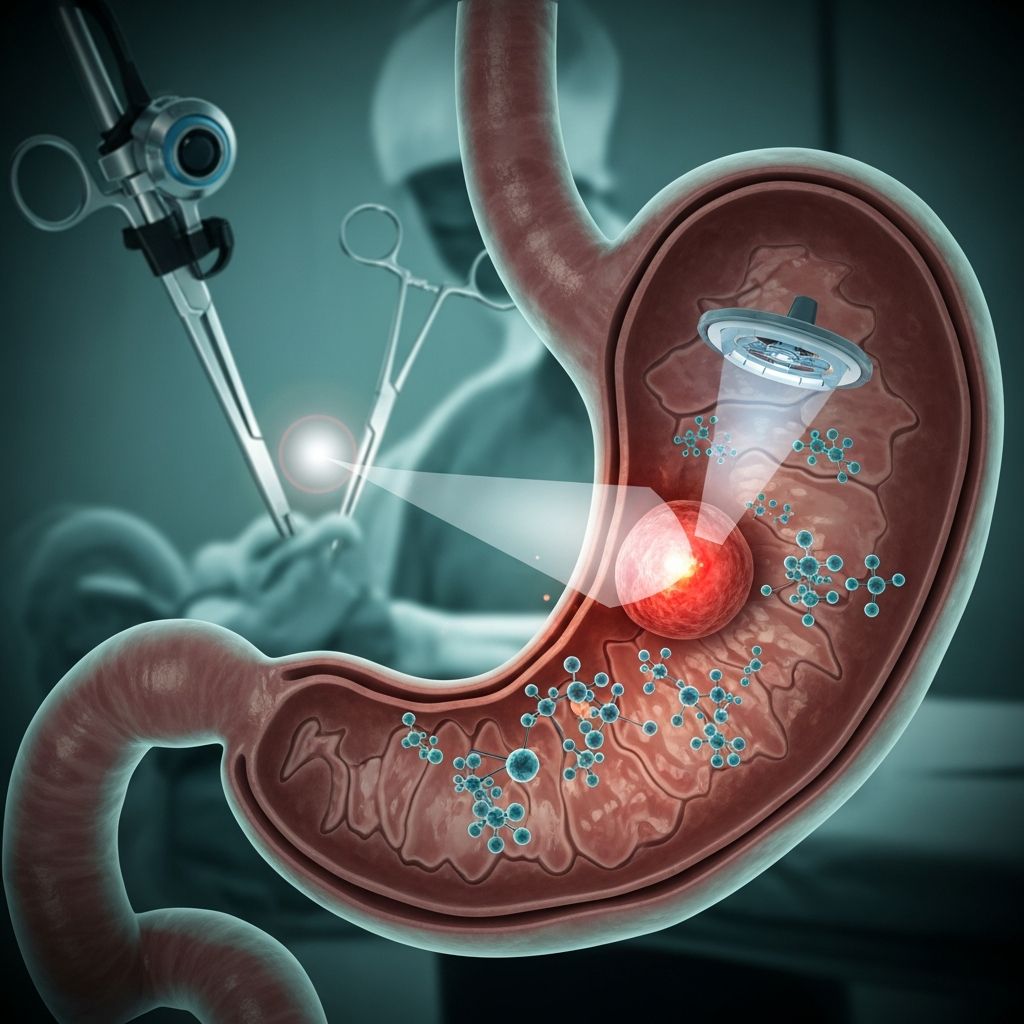
Stomach cancer, also known as gastric cancer, requires a multifaceted treatment approach tailored to the cancer’s stage, location, and patient health. Standard treatments include surgery, chemotherapy, targeted therapy, immunotherapy, radiation, and palliative care, with recent innovations like minimally invasive techniques and bidirectional therapies improving outcomes.
What Are the Treatments for Stomach Cancer?
Treatment for stomach cancer typically combines multiple modalities to maximize efficacy and minimize recurrence. The choice depends on factors like tumor stage, patient age, overall health, and preferences. For early-stage disease, surgery is often curative, while advanced stages incorporate systemic therapies.
Recent advances have transformed care: neoadjuvant chemotherapy and immunotherapy followed by surgery is now standard for locally advanced cases, with up to 20% achieving complete responses. Multidisciplinary teams coordinate these approaches for optimal results.
Surgery
Surgery remains the cornerstone of stomach cancer treatment, aiming to remove the tumor and affected lymph nodes. Common procedures include:
- Gastrectomy: Partial (removes part of the stomach) or total (removes the entire stomach). Traditionally open, but minimally invasive options are expanding.
- Lymphadenectomy: Removal of nearby lymph nodes, often D2 dissection in comprehensive centers.
Minimally invasive surgery, including laparoscopic and robotic gastrectomy, reduces hospital stays, eliminates feeding tubes, and improves quality of life compared to open surgery. J-pouch reconstruction after gastrectomy allows larger meals, less weight loss, and reduced dumping syndrome (nausea, diarrhea post-eating).
For metastatic disease with peritoneal spread, cytoreductive surgery combined with hyperthermic intraperitoneal chemotherapy (HIPEC) offers prolonged survival via bidirectional therapy.
Chemotherapy
Chemotherapy uses drugs to kill cancer cells and is given before (neoadjuvant), after (adjuvant), or alongside surgery. Common regimens include:
- Fluorouracil (5-FU)
- Oxaliplatin
- Cisplatin
- Docetaxel
- Epirubicin-cisplatin-5-FU (ECF) perioperative regimen
In the MAGIC trial, perioperative ECF improved 5-year survival from 23% to 36% versus surgery alone. Total neoadjuvant therapy (TNT) boosts completion rates and oncologic outcomes. Side effects include nausea, fatigue, hair loss, and low blood counts, but benefits often outweigh risks in advanced disease.
For adjuvant use in East Asia, S-1 (oral fluoropyrimidine) monotherapy or with docetaxel shows 5-year OS of 72% and better recurrence-free survival.
Targeted Therapy
Targeted therapies attack specific cancer cell features, identified via biomarker tests like HER2, PD-L1, or MSI status. Key options:
- Trastuzumab: For HER2-positive tumors, combined with chemotherapy.
- Ramucirumab: Anti-angiogenic VEGFR-2 inhibitor; second-line monotherapy adds 1.4 months survival, or with paclitaxel extends OS to 9.6 months.
These improve survival in advanced cases but may cause hypertension, bleeding, or fatigue. Multikinase inhibitors like regorafenib are under study with immunotherapy.
Immunotherapy
Immunotherapy harnesses the immune system against cancer, revolutionizing stomach cancer care. Standard for locally advanced disease: neoadjuvant chemo-immunotherapy (e.g., nivolumab or pembrolizumab) followed by surgery and adjuvant therapy.
- Complete pathologic response rates reach 20%, higher in MSI-high tumors, enabling organ preservation trials.
- Pembrolizumab or nivolumab with chemotherapy for advanced HER2-negative, PD-L1-positive cases.
Related Stories



Side effects include fatigue, rashes, and organ inflammation, but remarkable outcomes support its use. Intraperitoneal immunotherapy is being explored.
Radiation Therapy
Radiation uses high-energy rays to destroy cancer cells, often with chemotherapy (chemoradiation) post-surgery for localized disease. It’s less common as primary treatment but aids symptom relief in advanced stages, like pain or swallowing issues.
Postoperative chemoradiation is a preferred approach per guidelines, especially after inadequate lymph node dissection. Side effects: fatigue, skin irritation, nausea.
Palliative and Supportive Care
Palliative care focuses on quality of life, managing pain, nutrition, and emotional support alongside or instead of aggressive treatments. Essential for advanced cancer, it includes:
- Pain management
- Nutritional support (e.g., feeding tubes if needed)
- Emotional and family counseling
Integrated early, it improves outcomes without hastening death.
Emerging Treatments and Innovations
Recent breakthroughs include:
- Minimally Invasive & Robotic Surgery: Safer with better recovery.
- HIPEC for Peritoneal Metastases: Neoadjuvant systemic therapy + laparoscopic HIPEC; promising for stage 4.
- Organ Preservation: For complete responders to neoadjuvant therapy.
- Prophylactic Intraperitoneal Therapy: To prevent recurrence.
Trials like ACTS-GC and JACCRO GC-07 validate adjuvant strategies.
Treatment by Stage
| Stage | Primary Treatments | Key Goals |
|---|---|---|
| Early (0-I) | Endoscopic resection or partial gastrectomy | Curative, preserve function |
| Locally Advanced (II-III) | Neoadjuvant chemo/immunotherapy + gastrectomy + adjuvant therapy | Downstage tumor, prevent recurrence |
| Metastatic (IV) | Systemic chemo/targeted/immunotherapy ± HIPEC | Prolong survival, palliation |
Staging guides personalization; multidisciplinary care is key.
Side Effects and Management
Treatments cause side effects managed supportively:
- Surgery: Infection, dumping syndrome (mitigated by J-pouch).
- Chemo: Nausea, neuropathy.
- Immunotherapy: Immune-related adverse events.
Nutritional counseling, anti-emetics, and monitoring are standard.
Frequently Asked Questions (FAQs)
Is stomach cancer curable?
Yes, early-stage is often cured with surgery; advanced cases focus on control.
What is the newest treatment for stomach cancer?
Neoadjuvant chemo-immunotherapy with potential organ preservation and HIPEC.
How effective is immunotherapy for stomach cancer?
Up to 20% complete response; higher in MSI-high tumors.
Does radiation cure stomach cancer?
Rarely alone; used adjunctively for local control.
What is the survival rate for stomach cancer?
Varies: 70%+ 5-year for localized; lower for metastatic, improving with new therapies.
References
- Transforming stomach cancer care: 6 recent innovations — Mayo Clinic. 2023. https://www.mayoclinic.org/medical-professionals/surgery/news/transforming-stomach-cancer-care-6-recent-innovations/mac-20592730
- Stomach cancer treatment options: Surgery, chemotherapy, and more — Medical News Today. 2024. https://www.medicalnewstoday.com/articles/stomach-cancer-treatment
- Current Treatment and Recent Progress in Gastric Cancer — National Library of Medicine, NIH. 2023-02-20. https://pmc.ncbi.nlm.nih.gov/articles/PMC9927927/
Similar Articles








Read full bio of Sneha Tete