Stomach Cramps: 10 Causes, Relief Tips, And Red Flags
Understand stomach cramps: common causes, symptoms, when to seek help, and effective relief strategies for better digestive health.
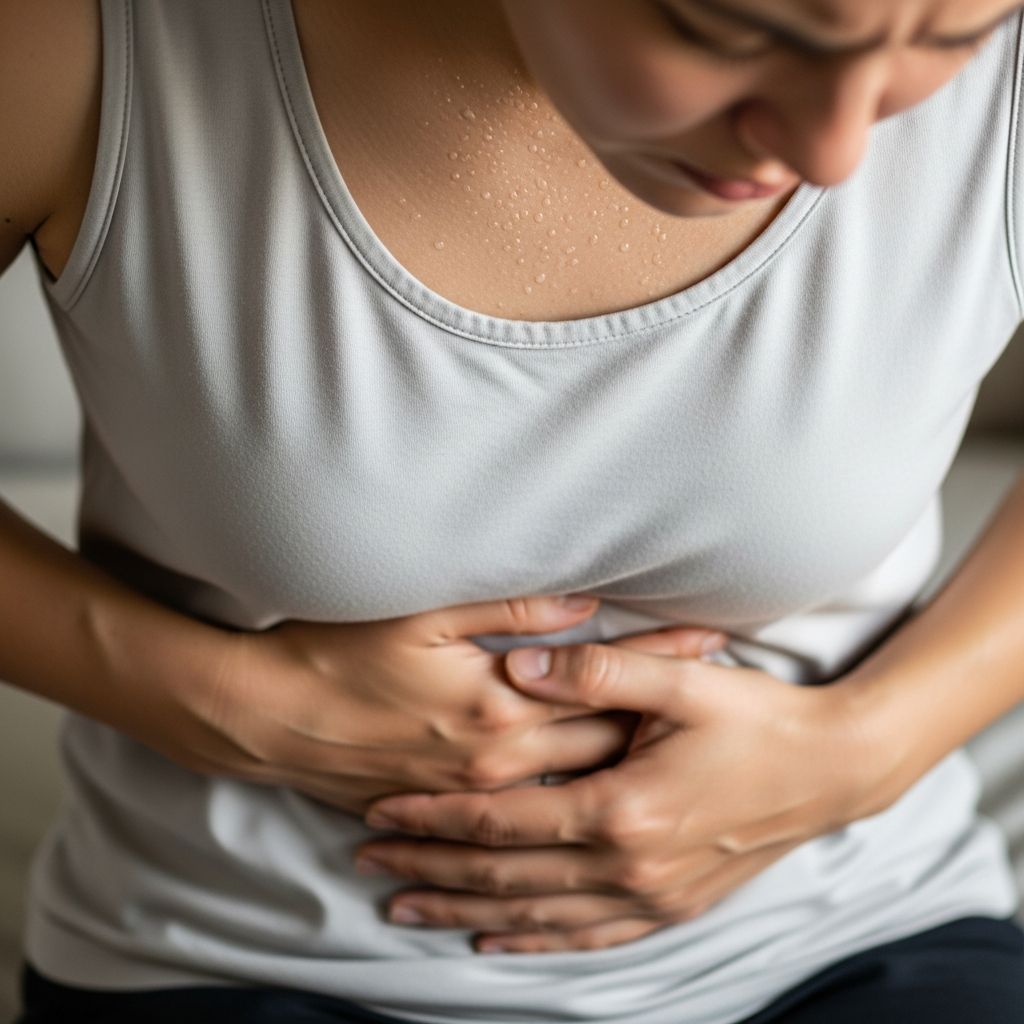
Stomach cramps, also known as abdominal cramps, are a common discomfort affecting millions worldwide. These painful spasms in the abdomen can range from mild twinges to severe, debilitating pain. While often benign and temporary, persistent or intense cramps may signal underlying health issues requiring medical attention. According to the National Institute of Diabetes and Digestive and Kidney Diseases (NIDDK), abdominal pain is one of the most frequent reasons people seek medical care.
This comprehensive guide explores the diverse causes of stomach cramps, associated symptoms, effective relief methods, prevention strategies, and red flags indicating the need for professional evaluation. Whether triggered by something you ate or a chronic condition, understanding stomach cramps empowers you to manage them effectively.
What Causes Stomach Cramps?
Stomach cramps arise from various factors irritating the gastrointestinal tract, muscles, or abdominal organs. Causes span dietary indiscretions to infections, hormonal changes, and serious diseases. Identifying the trigger often requires considering timing, accompanying symptoms, and medical history.
1. Gas and Bloating
The most common culprit, gas buildup causes sharp, crampy pain from trapped air in the intestines. Swallowed air (aerophagia) from eating too quickly, carbonated drinks, or high-fiber foods contributes significantly. Lactose intolerance or small intestinal bacterial overgrowth (SIBO) exacerbates gas production.
- Symptoms: Bloating, belching, flatulence, sharp stabbing pain that shifts locations
- Duration: Hours to a day, relieved by passing gas
- Prevalence: Affects 10-25% of healthy individuals daily per gastroenterology studies
2. Indigestion (Dyspepsia)
Indigestion occurs when stomach acid irritates the stomach lining, often after heavy, spicy, or fatty meals. It produces burning or cramping sensations in the upper abdomen.
- Common triggers: Overeating, caffeine, alcohol, NSAIDs like ibuprofen
- Associated symptoms: Nausea, heartburn, early satiety
3. Constipation
Hard, infrequent stools stretch the colon, causing lower abdominal cramping. Dehydration, low fiber intake, and sedentary lifestyle contribute. The American Gastroenterological Association notes chronic constipation affects 16% of U.S. adults.
4. Food Intolerances and Allergies
Lactose, gluten (celiac disease), or FODMAPs trigger cramps in sensitive individuals through poor digestion and inflammation.
5. Infections (Gastroenteritis)
Viral (norovirus), bacterial (Salmonella), or parasitic infections inflame the gut lining, causing crampy pain with diarrhea and vomiting. The CDC reports 179 million foodborne illnesses annually in the U.S.
6. Irritable Bowel Syndrome (IBS)
This functional disorder affects gut motility, producing recurrent cramps relieved by defecation. Stress exacerbates symptoms in 60-90% of IBS patients per Rome IV criteria.
7. Inflammatory Conditions
Crohn’s disease, ulcerative colitis, and diverticulitis cause chronic inflammation leading to severe cramping, bloody stools, and weight loss.
8. Menstrual Cramps (Dysmenorrhea)
Prostaglandin release contracts the uterus, referring pain to the lower abdomen. Primary dysmenorrhea affects 50-90% of women; secondary involves conditions like endometriosis.
9. Urinary Tract Issues
UTIs, kidney stones, or bladder infections cause lower abdominal cramps radiating to the back or groin.
10. More Serious Causes
Appendicitis, gallstones, pancreatitis, ectopic pregnancy, or aortic aneurysm present with escalating, localized pain requiring emergency care.
Symptoms That Accompany Stomach Cramps
Cramp characteristics and associated symptoms help differentiate causes:
| Symptom | Possible Cause |
|---|---|
| Crampy, shifting pain | Gas, IBS |
| Constant, worsening pain | Appendicitis, obstruction |
| Pain with diarrhea | Infection, IBS-D |
| Pain with vomiting | Food poisoning, obstruction |
| Fever + pain | Infection, appendicitis |
| Bloody stools | IBD, cancer |
Related Stories



Stomach Cramps Relief: Home Remedies and OTC Treatments
Most cramps resolve with conservative measures:
- Heat therapy: Heating pads relax abdominal muscles (20 minutes at a time)
- Hydration: Electrolyte solutions prevent dehydration
- BRAT diet: Bananas, rice, applesauce, toast soothe the gut
- Antispasmodics: Hyoscyamine, dicyclomine for IBS cramps
- Simethicone: Gas-X breaks up bubbles
- Probiotics: Restore gut flora balance
Avoid NSAIDs during acute episodes; opt for acetaminophen.
When to See a Doctor for Stomach Cramps
Seek immediate care for:
- Pain lasting >24-48 hours or progressively worsening
- Fever >101°F (38.3°C)
- Bloody/black stools or vomiting blood
- Severe pain preventing walking/sleeping
- Pain with jaundice, confusion, fainting
- Pregnancy with abdominal pain
- Recent trauma or surgery
Schedule evaluation for recurrent cramps interfering with daily life.
Diagnosis of Stomach Cramps
Healthcare providers use:
- History and physical exam focusing on pain location, radiation, aggravating/alleviating factors
- Blood tests (CBC, liver/kidney function, inflammatory markers)
- Stool studies for infection/inflammation
- Imaging: Ultrasound, CT scan, endoscopy/colonoscopy
Prevention Tips for Stomach Cramps
Minimize episodes through lifestyle modifications:
- Eat smaller, frequent meals
- Chew thoroughly, eat slowly
- Identify/reduce trigger foods via elimination diet
- Exercise regularly (30 min/day)
- Manage stress with yoga, meditation
- Stay hydrated (8-10 cups water daily)
- Increase soluble fiber gradually
Frequently Asked Questions About Stomach Cramps
Are stomach cramps always serious?
No, most cramps result from benign causes like gas or indigestion. However, persistent, severe, or accompanied by red-flag symptoms warrant medical evaluation.
Can stress cause stomach cramps?
Yes, the gut-brain axis means stress disrupts motility and increases visceral sensitivity, triggering cramps especially in IBS patients.
How long should stomach cramps last?
Mild cramps from food typically resolve within hours. Gastroenteritis lasts 1-3 days. Seek care if >48 hours.
Do probiotics help stomach cramps?
Specific strains (Bifidobacterium infantis, Lactobacillus plantarum) reduce IBS symptoms and antibiotic-associated diarrhea per meta-analyses.
Can stomach cramps be cancer?
Rarely as an isolated symptom. Colorectal cancer typically presents with bowel habit changes, blood in stool, and weight loss over months.
Key Takeaways
Stomach cramps have numerous causes ranging from harmless gas to surgical emergencies. Most resolve with simple measures, but knowing red flags prevents dangerous delays. Track patterns and consult gastroenterologists for chronic issues. Maintaining digestive health through diet, hydration, and stress management minimizes episodes and improves quality of life.
References
- Definition & Facts for Indigestion — National Institute of Diabetes and Digestive and Kidney Diseases (NIDDK). 2023-06-01. https://www.niddk.nih.gov/health-information/digestive-diseases/indigestion-dyspepsia/definition-facts
- Irritable Bowel Syndrome (IBS) — American College of Gastroenterology. 2024-02-15. https://gi.org/topics/irritable-bowel-syndrome-ibs/
- Estimates of Foodborne Illness in the United States — Centers for Disease Control and Prevention (CDC). 2023-11-09. https://www.cdc.gov/foodborneburden/index.html
- Rome IV Diagnostic Criteria for Functional Gastrointestinal Disorders — Rome Foundation. 2022-05-20. https://theromefoundation.org/rome-iv/rome-iv-criteria/
- Probiotics for the Prevention of Antibiotic-Associated Diarrhea — World Gastroenterology Organisation. 2024-01-12. https://www.worldgastroenterology.org/guidelines/probiotics
Similar Articles








Read full bio of Sneha Tete