Stomach and Duodenal Ulcers: Peptic Ulcers Explained
Comprehensive guide to peptic ulcers: causes, symptoms, diagnosis, and treatment options.
What Are Peptic Ulcers?
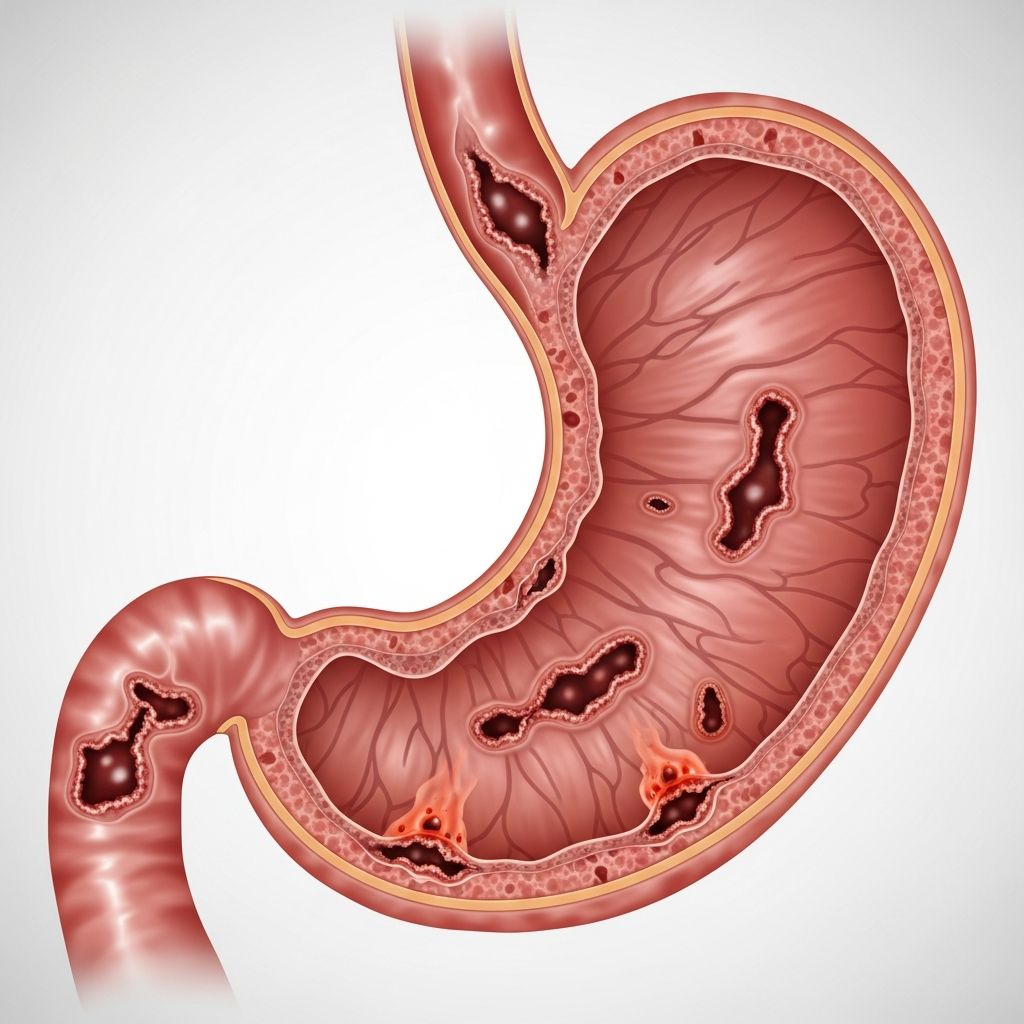
Peptic ulcers are open sores that develop in the lining of the stomach, duodenum (the first part of the small intestine), or occasionally in other parts of the digestive tract. These painful lesions form when the protective mucus layer that shields the stomach and intestinal lining from stomach acid becomes compromised. When this protective barrier breaks down, acidic stomach juices erode the underlying tissue, creating the characteristic open sore known as an ulcer.
Peptic ulcers represent a significant gastrointestinal concern affecting millions of people worldwide. While many individuals may experience minimal symptoms, others suffer from considerable discomfort and pain that can impact their daily quality of life. Understanding the nature of these ulcers is crucial for seeking appropriate medical care and implementing effective treatment strategies.
Types of Peptic Ulcers
Peptic ulcers are classified based on their location within the digestive tract. The two primary types include:
Gastric Ulcers
Gastric ulcers develop in the lining of the stomach itself. These ulcers tend to be more painful and may cause a sensation of fullness or loss of appetite. Gastric ulcers can be more serious if left untreated, as they have a higher potential for complications.
Duodenal Ulcers
Duodenal ulcers form in the duodenum, the first section of the small intestine. These ulcers are more common than gastric ulcers and often cause burning pain in the upper abdomen that may improve after eating or worsen on an empty stomach. Duodenal ulcers typically occur in younger individuals compared to gastric ulcers.
Causes of Peptic Ulcers
The development of peptic ulcers results from an imbalance between protective factors and damaging factors in the digestive tract. Two primary causes account for the vast majority of peptic ulcer cases:
Helicobacter pylori (H. pylori) Infection
H. pylori is a bacterium that colonizes the stomach lining and represents one of the most common causes of peptic ulcers worldwide. This bacterium triggers inflammation of the protective mucus layer, leading to increased stomach acid production and subsequent ulcer formation. H. pylori is typically acquired in childhood and can remain dormant for years before causing symptoms in adulthood. The infection spreads through contaminated food or water and person-to-person contact.
Nonsteroidal Anti-inflammatory Drugs (NSAIDs)
Regular use of NSAIDs such as aspirin, ibuprofen, and naproxen represents the second most common cause of peptic ulcers. These medications work by inhibiting prostaglandins, substances that protect the stomach and intestinal lining from stomach acid. By reducing prostaglandin production, NSAIDs compromise the protective mechanisms of the digestive tract, increasing vulnerability to ulcer formation. Long-term NSAID use significantly elevates the risk of developing peptic ulcers.
Other Contributing Causes
While H. pylori infection and NSAID use account for approximately 99% of peptic ulcers, other factors can contribute to ulcer development:
- Zollinger-Ellison syndrome, a rare condition causing excessive stomach acid production
- Severe physiological stress leading to stress ulcers
- Crohn’s disease and other inflammatory bowel conditions
- Malignancy in the stomach or duodenum
- Corticosteroid medications, particularly when combined with NSAIDs
- Certain antidepressants that may increase ulcer risk
- Severe infections or sepsis
- Vascular insufficiency affecting blood flow to the digestive tract
Related Stories



Risk Factors
Several lifestyle and demographic factors increase the likelihood of developing peptic ulcers, even in the absence of H. pylori infection or regular NSAID use:
- Smoking: Tobacco use significantly increases ulcer risk by reducing protective mucus production and blood flow to the stomach lining
- Alcohol consumption: Regular alcohol intake irritates the stomach lining and increases acid production
- Chronic stress: Prolonged psychological stress may increase acid production and compromise the protective mucus layer
- Spicy foods: While not a direct cause, certain spicy foods may exacerbate symptoms in susceptible individuals
- Age: Peptic ulcers become more common with advancing age, particularly gastric ulcers
- Family history: A family history of peptic ulcers may increase individual risk
Symptoms of Peptic Ulcers
Peptic ulcer symptoms vary widely among individuals, ranging from mild discomfort to severe pain. Some individuals with peptic ulcers experience no symptoms at all and may only discover their condition during evaluation for other issues or complications.
Common Symptoms
The most prevalent symptom of peptic ulcers is burning stomach pain, typically occurring in the upper abdomen between the breastbone and navel. This burning sensation may be described as gnawing or sharp discomfort. Additional symptoms frequently reported by individuals with peptic ulcers include:
- Bloating and feelings of fullness
- Heartburn and acid reflux
- Nausea and vomiting
- Loss of appetite and weight loss
- Dark or bloody stools, indicating internal bleeding
- Vomiting blood or material resembling coffee grounds
- Indigestion and belching
Pain Patterns
The timing and pattern of ulcer-related pain often provide diagnostic clues. In duodenal ulcers, pain frequently improves after eating or with antacid use, only to return one to three hours after meals. Gastric ulcers may worsen with food intake, particularly fatty or spicy meals. Pain may be more severe at night or when the stomach is empty.
Complications
While many peptic ulcers heal without serious consequences, untreated or severe ulcers can lead to significant complications requiring emergency medical intervention:
Bleeding
Ulcers that penetrate deeply into the stomach or duodenal lining can erode blood vessels, leading to internal bleeding. Signs of bleeding include dark or tarry stools, vomiting blood, and anemia-related symptoms such as weakness and fatigue.
Perforation
A penetrating ulcer may eventually create a hole through the stomach or duodenal wall, allowing stomach contents and bacteria to leak into the abdominal cavity. This serious complication causes severe abdominal pain and requires immediate surgical intervention.
Gastric Outlet Obstruction
Scarring from chronic ulcers can narrow the opening from the stomach into the duodenum, obstructing food passage and causing persistent vomiting, bloating, and weight loss.
Diagnosis of Peptic Ulcers
Healthcare providers employ multiple diagnostic approaches to confirm peptic ulcer presence and identify underlying causes:
H. pylori Testing
Several tests can detect H. pylori infection, including blood tests, breath tests, and stool antigen tests. The urea breath test involves ingesting a special solution containing tagged urea and measuring radioactive carbon dioxide in exhaled breath. Stool antigen tests detect H. pylori antigens in fecal samples.
Endoscopy
Upper endoscopy allows direct visualization of the stomach and duodenal lining. A flexible tube with a camera is passed through the mouth and esophagus into the stomach and duodenum. This procedure enables healthcare providers to visualize ulcers, obtain tissue samples for H. pylori testing, and perform therapeutic interventions if necessary.
Imaging Studies
Upper gastrointestinal radiography using barium contrast can reveal ulcer craters and other gastroduodenal abnormalities, though endoscopy provides superior visualization.
Treatment Options
Peptic ulcer treatment goals include relieving pain, promoting healing, eliminating infection if present, and preventing recurrence. Treatment approaches vary based on ulcer cause and severity.
Medications
Proton Pump Inhibitors (PPIs) represent the most effective medication class for ulcer healing. These agents significantly reduce stomach acid production by inhibiting the proton pump in gastric parietal cells. Commonly prescribed PPIs include omeprazole, lansoprazole, and pantoprazole. PPIs typically heal ulcers within four to eight weeks.
Histamine-2 (H2) Receptor Antagonists reduce stomach acid by blocking histamine receptors that stimulate acid secretion. These medications, including famotidine and cimetidine, are less potent than PPIs but remain useful for symptom relief and maintenance therapy.
Antibiotics are essential when H. pylori infection is identified. Triple therapy, combining two antibiotics with a PPI, effectively eradicates H. pylori in most patients. Common antibiotic combinations include amoxicillin, clarithromycin, and a PPI, or metronidazole, tetracycline, and a PPI.
Antacids and Protective Agents neutralize existing stomach acid and provide symptomatic relief. Sucralfate forms a protective barrier over the ulcer surface, promoting healing. These medications work more rapidly than acid-reducing agents but do not prevent ulcer recurrence.
Lifestyle Modifications
Supportive lifestyle changes significantly improve treatment outcomes and reduce recurrence risk:
- Avoid NSAIDs if possible; switch to acetaminophen for pain relief
- Eliminate smoking and tobacco products
- Reduce alcohol consumption substantially
- Limit or avoid spicy foods, caffeine, and fatty meals
- Implement stress reduction techniques including meditation, yoga, and counseling
- Eat smaller, more frequent meals rather than large meals
- Avoid eating close to bedtime
- Maintain a healthy body weight
Surgical Intervention
Modern medical therapy resolves most peptic ulcers without surgical intervention. However, surgery may become necessary for complicated ulcers involving perforation, uncontrolled bleeding, or gastric outlet obstruction resistant to medical management.
Prevention Strategies
Reducing peptic ulcer risk involves addressing known causative factors and maintaining protective lifestyle habits:
- Use NSAIDs judiciously; take the lowest effective dose for the shortest duration
- Take NSAIDs with food or use gastroprotective agents when NSAID use is necessary
- Practice good hygiene to prevent H. pylori transmission
- Maintain adequate nutrition with balanced diet
- Manage stress through regular exercise and relaxation techniques
- Avoid smoking and excessive alcohol
- Seek treatment for H. pylori infection if diagnosed
Prognosis and Recovery
The majority of peptic ulcers respond favorably to appropriate medical treatment. Most ulcers heal within four to eight weeks with adherence to prescribed medications and lifestyle modifications. Complete healing reduces symptom recurrence significantly, though H. pylori reinfection or renewed NSAID use can precipitate ulcer recurrence.
Long-term prognosis improves substantially when underlying causes are addressed. H. pylori eradication therapy achieves success rates exceeding 95% with appropriate antibiotic combinations, while discontinuation or modification of NSAID use dramatically reduces recurrence risk.
When to Seek Medical Attention
Individuals experiencing persistent burning stomach pain, unexplained weight loss, persistent vomiting, or signs of gastrointestinal bleeding should seek prompt medical evaluation. Emergency care is warranted for severe abdominal pain suggesting perforation, vomiting blood, or signs of severe internal bleeding.
Frequently Asked Questions
Q: Are peptic ulcers contagious?
A: H. pylori infection, which causes many peptic ulcers, can spread through contaminated food and water or person-to-person contact. However, not everyone exposed to H. pylori develops ulcers. NSAID-related ulcers are not contagious.
Q: Can stress cause peptic ulcers?
A: While chronic stress may increase acid production and compromise protective mechanisms, stress alone does not typically cause peptic ulcers. However, stress can exacerbate symptoms in individuals with existing ulcers.
Q: How long does peptic ulcer treatment take?
A: Most peptic ulcers heal within four to eight weeks with appropriate medication therapy. H. pylori eradication typically requires one to two weeks of triple therapy, followed by acid-suppressing medication for several weeks.
Q: Can peptic ulcers recur after treatment?
A: Yes, peptic ulcers can recur if H. pylori reinfection occurs or if NSAID use resumes without gastroprotection. However, ulcer recurrence rates are low when underlying causes are properly addressed and preventive measures are maintained.
Q: Are there foods I should avoid with peptic ulcers?
A: While food does not cause ulcers, certain foods may trigger symptoms. Common triggers include spicy foods, caffeine, chocolate, fatty foods, and acidic foods like citrus fruits and tomatoes. Individual tolerance varies considerably.
Q: Can I take NSAIDs if I have a history of peptic ulcers?
A: Individuals with ulcer history should avoid NSAIDs if possible. If NSAID use is necessary, combining the medication with a PPI or H2 blocker provides gastroprotection and reduces ulcer recurrence risk.
References
- Symptoms & Causes of Peptic Ulcers (Stomach or Duodenal Ulcers) — National Institute of Diabetes and Digestive and Kidney Diseases (NIDDK). 2024. https://www.niddk.nih.gov/health-information/digestive-diseases/peptic-ulcers-stomach-ulcers/symptoms-causes
- Peptic Ulcer – Diagnosis and Treatment — Mayo Clinic. 2024. https://www.mayoclinic.org/diseases-conditions/peptic-ulcer/diagnosis-treatment/drc-20354229
- Stomach Ulcer: Signs, Symptoms, Causes & Treatment — Cleveland Clinic. 2024. https://my.clevelandclinic.org/health/diseases/22314-stomach-ulcer
- Stomach Ulcer — National Health Service (NHS). 2024. https://www.nhs.uk/conditions/stomach-ulcer/
- Duodenal Ulcer – Causes, Symptoms and Treatment — Healthdirect. 2024. https://www.healthdirect.gov.au/duodenal-ulcer
- Duodenal Ulcers: Causes, Symptoms, and Treatment Strategies — GastroMed Clinic. 2024. https://www.gastromedclinic.com/duodenal-ulcers-causes-symptoms-and-treatment-strategies/
Similar Articles








Read full bio of Sneha Tete