Stomach Flu Guide: Symptoms, Treatment, Prevention
Recognize symptoms, manage discomfort, and prevent spread of viral gastroenteritis effectively.
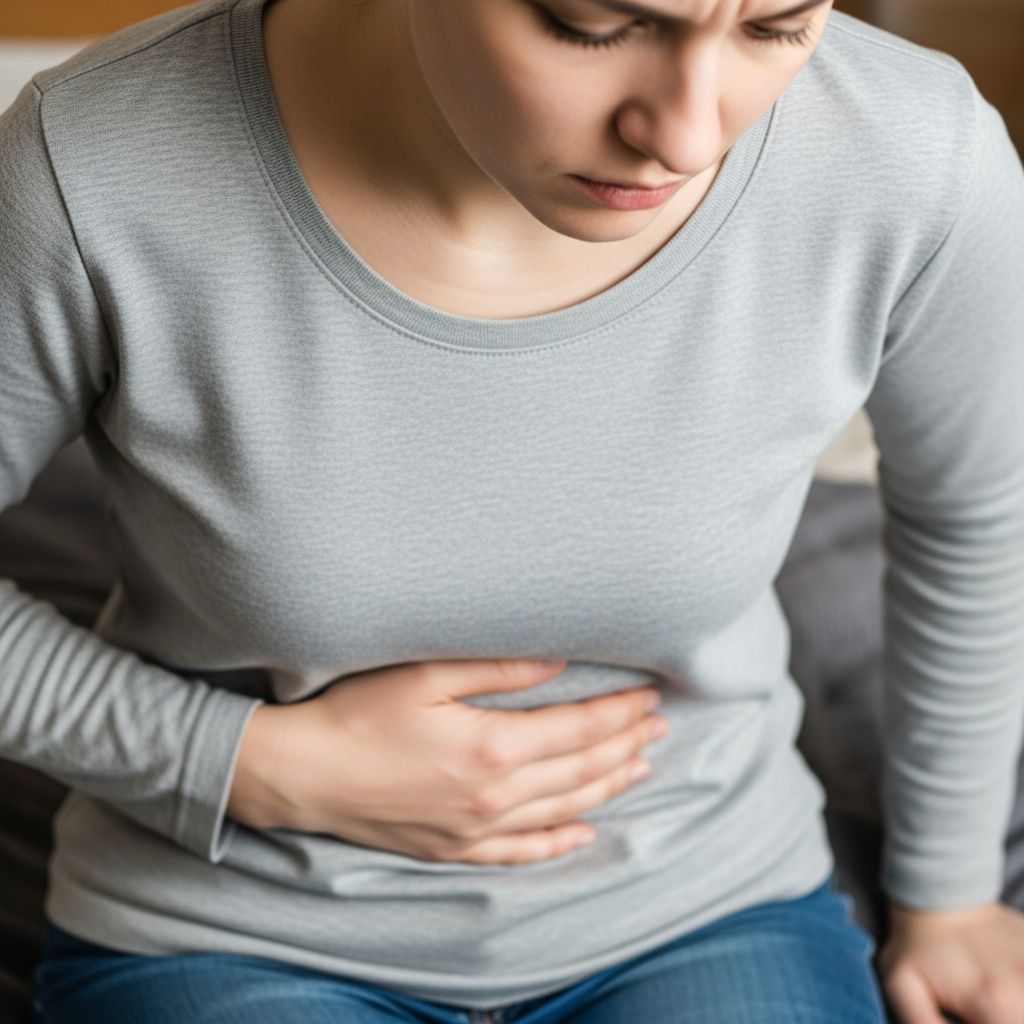
Viral gastroenteritis, commonly known as stomach flu, affects the digestive system with inflammation caused by viruses like norovirus or rotavirus. It leads to symptoms such as diarrhea, vomiting, and abdominal pain, typically resolving in 1-3 days with proper care.
Understanding What Stomach Flu Really Is
Despite its name, stomach flu is not related to influenza, which targets the respiratory system. Instead, it involves viral infection of the stomach and intestines, causing inflammation as the immune system responds. Norovirus causes over 50% of cases, while rotavirus is common in children. Bacterial causes like salmonella exist but are less frequent for true viral cases.
Symptoms appear 12 hours to a few days after exposure and last 1-14 days, varying by virus and individual health. High-risk groups include young children, elderly individuals, and those with weakened immune systems.
Key Symptoms to Watch For
Primary signs include watery diarrhea, nausea, vomiting, stomach cramps, and mild fever. Systemic effects like fatigue, headache, or muscle aches may occur if inflammation spreads. Children might show fussiness or reduced appetite.
- Gastrointestinal: Diarrhea (often non-bloody), vomiting, abdominal pain or bloating.
- General: Low-grade fever, chills, dehydration signs like dry mouth or dizziness.
- Duration: Peaks in 1-3 days; full recovery in 1-10 days.
Dehydration is the main complication, especially from fluid loss via vomiting and diarrhea.
Differentiating Stomach Flu from Similar Conditions
Many confuse stomach flu with other issues. Use this table for quick comparison:
| Condition | Main Symptoms | Onset | Duration | Prevention |
|---|---|---|---|---|
| Stomach Flu (Viral Gastroenteritis) | Diarrhea, vomiting, cramps | 12 hours – 2 days | 1-14 days | Handwashing |
| Influenza (Flu) | Fever, cough, fatigue | Sudden | 2-10 days | Flu vaccine |
| Food Poisoning | Vomiting, diarrhea post-meal | Hours after eating | 12-60 hours | Safe food prep |
| 24-Hour Flu | Similar to stomach flu but short | Quick | 12-60 hours | Handwashing |
Food poisoning overlaps but ties to recent meals; influenza lacks dominant gut symptoms. Bacterial infections may include blood in stool, requiring different management.
Common Causes and Transmission Routes
Viruses spread via fecal-oral route: contaminated food, water, surfaces, or close contact. Norovirus thrives in crowds like schools or daycare. Rotavirus affects kids, preventable by vaccine. Outbreaks occur from poor hygiene, raw shellfish, or sewage-contaminated water.
Unlike influenza, no vaccine covers all stomach flu viruses, but rotavirus shots protect infants.
Effective Home Management Strategies
No specific antiviral treatment exists; focus on symptom relief and hydration. Antibiotics are ineffective against viruses and risk resistance.
Hydration is Priority
Replace fluids and electrolytes lost. Adults can use oral rehydration solutions, clear broths, or sports drinks (diluted). Sip small amounts if vomiting.
- Avoid fruit juices (high sugar worsens diarrhea).
- Children: Pediatric electrolyte solutions.
- Severe cases: IV fluids via healthcare provider.
Dietary Adjustments
Start with BRAT diet (bananas, rice, applesauce, toast) once vomiting subsides. Progress to crackers, boiled veggies, soup.
Avoid: Dairy, caffeine, alcohol, fatty/spicy foods, nicotine.
Over-the-Counter Options
Adults may use loperamide (Imodium) for diarrhea or bismuth subsalicylate (Pepto-Bismol) for nausea, but not with fever or bloody stool. Avoid in children without doctor advice. Acetaminophen for fever; skip ibuprofen/aspirin on empty stomach. Probiotics may shorten diarrhea, per studies.
Related Stories



Rest and Hygiene
Rest aids recovery. Disinfect surfaces with bleach solution; wash hands thoroughly. Isolate to prevent spread.
When to Seek Professional Medical Help
Most cases self-resolve, but contact a doctor if:
- Signs of dehydration: No urine 8+ hours, rapid heartbeat, sunken eyes.
- Symptoms persist >2 days or worsen.
- Bloody stool, high fever (>102°F), severe pain.
- High-risk: Infants, elderly, immunocompromised.
Hospitalization for IV fluids if needed. Bacterial/parasitic cases require tests.
Prevention Tips for You and Your Family
Handwashing with soap for 20 seconds is key, especially after bathroom use or before eating. Cook foods thoroughly; avoid raw shellfish.
- Vaccinate children against rotavirus.
- Disinfect high-touch areas during outbreaks.
- Stay home while symptomatic.
Crowded settings increase risk; practice vigilance.
Frequently Asked Questions (FAQs)
Is stomach flu contagious?
Yes, highly via contact or contaminated items. Shedding continues post-symptoms.
Can I go to work with stomach flu?
No, until 48 hours symptom-free to avoid spread.
Does the flu shot prevent stomach flu?
No, it targets respiratory influenza only.
How long is stomach flu incubation?
12 hours to 3 days, depending on virus.
Can adults get rotavirus?
Less common but possible, especially with child exposure.
Long-Term Outlook and Complications
Healthy individuals recover fully without issues. Vulnerable groups risk prolonged dehydration or secondary infections. Recurrent due to virus variety. Maintain hygiene year-round.
References
- Have the Stomach Flu? 4 Ways to Treat Symptoms at Home — UnityPoint Health. 2023. https://www.unitypoint.org/news-and-articles/have-the-stomach-flu-4-ways-to-treat-symptoms-at-home
- Stomach Flu: Symptoms, Causes & Treatment — Cleveland Clinic. 2024-01-12. https://my.clevelandclinic.org/health/diseases/12418-stomach-flu
- Gastroenteritis (Stomach Flu): Symptoms, Causes — NCDHP. 2023. https://www.ncdhp.com/news/gastroenteritis-stomach-flu
- Viral Gastroenteritis (Stomach Flu) — Brown University Health Services. 2022. https://healthservices.brown.edu/sites/default/files/handouts/Stomach-Flu-20.pdf
- Treatment of Viral Gastroenteritis (”Stomach Flu”) — National Institute of Diabetes and Digestive and Kidney Diseases (NIDDK). 2024-06-13. https://www.niddk.nih.gov/health-information/digestive-diseases/viral-gastroenteritis/treatment
Similar Articles








Read full bio of Sneha Tete