Stomach Flu vs. Food Poisoning: Key Differences
Learn how to distinguish stomach flu from food poisoning and when to seek medical care.
Stomach Flu vs. Food Poisoning: Understanding the Difference
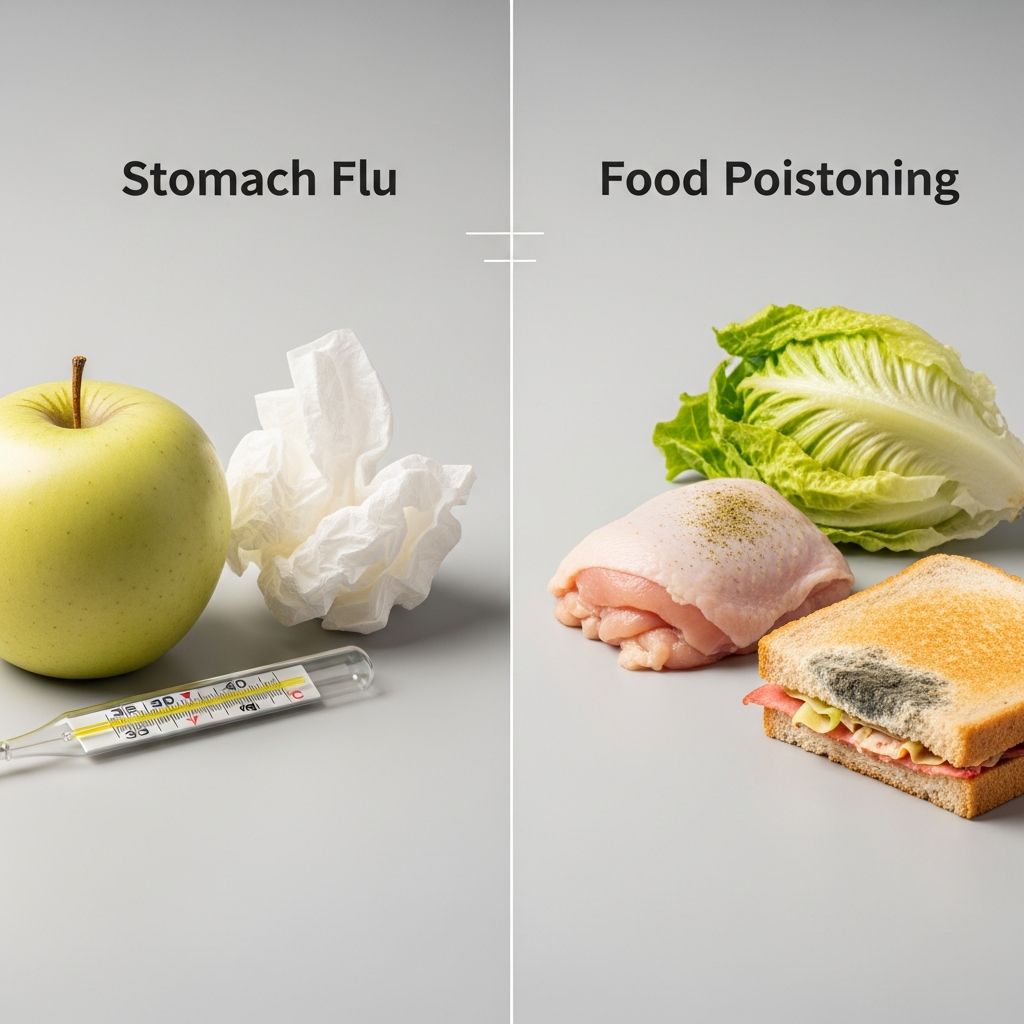
When your stomach isn’t cooperating, it can be difficult to determine whether you’re dealing with food poisoning or stomach flu. Both conditions produce similar uncomfortable symptoms like nausea, vomiting, diarrhea, and abdominal cramping, making them easy to confuse. However, understanding the key differences between these two conditions can help you identify what you’re experiencing and determine the appropriate course of action. While they share overlapping symptoms, food poisoning and stomach flu differ significantly in their causes, onset times, duration, and how they spread.
What Is Food Poisoning?
Food poisoning occurs when you consume food or beverages contaminated with harmful bacteria, viruses, or parasites. This contamination typically happens due to improper food preparation, inadequate refrigeration, or poor food handling practices. Common culprits include undercooked meats, improperly stored dairy products, and produce that hasn’t been washed thoroughly. Unlike stomach flu, food poisoning is not contagious and cannot be spread from person to person through direct contact.
What Is Stomach Flu?
Stomach flu, medically known as viral gastroenteritis, is a viral infection that affects the digestive system. It’s important to note that stomach flu is not the same as influenza, which is a respiratory illness. Stomach flu is typically caused by viruses such as noroviruses and rotaviruses and spreads from person to person through direct contact, contaminated surfaces, or consuming food prepared by an infected individual. Unlike food poisoning, stomach flu is highly contagious and can spread rapidly through families, workplaces, and communities.
Key Differences: Onset and Duration
One of the most significant differences between food poisoning and stomach flu is how quickly symptoms appear. Food poisoning symptoms typically develop rapidly, usually within 30 minutes to six hours after consuming contaminated food. In some cases, symptoms may appear as quickly as two hours after eating the problematic food. The rapid onset is your body’s way of attempting to expel the harmful substance.
In contrast, stomach flu has a slower onset. The incubation period for stomach flu is typically 24 to 48 hours, meaning symptoms usually appear one to three days after exposure to the virus. You may initially feel queasy and unwell before experiencing more severe symptoms like vomiting and diarrhea.
Duration is another critical distinguishing factor. Food poisoning is generally short-lived, lasting anywhere from a few hours to 48 hours at most. Most people recover relatively quickly as their body purges the contaminated food. Stomach flu, however, typically persists longer, usually lasting three to five days, though in some cases, it can extend up to ten days depending on your immune system and the specific viral strain.
Comparing Symptoms
While food poisoning and stomach flu share many symptoms, there are some subtle differences in how they manifest. Both conditions commonly cause nausea, vomiting, diarrhea, and abdominal cramping. However, stomach flu is more likely to present with systemic symptoms such as fever, chills, body aches, headaches, and fatigue. Food poisoning may occasionally include fever, but these systemic symptoms are less common.
Related Stories



The type of diarrhea can also differ slightly. Food poisoning more commonly causes discolored or textured stools, and diarrhea may appear bloody or mucousy due to rapid intestinal irritation. Stomach flu typically produces watery diarrhea, though it can occasionally be bloody as well.
| Characteristic | Food Poisoning | Stomach Flu |
|---|---|---|
| Onset | 30 minutes to 6 hours | 1 to 3 days (24-48 hour incubation) |
| Duration | Few hours to 48 hours | 3 to 5 days (up to 10 days) |
| Primary Cause | Contaminated food/beverages | Viral infection (norovirus, rotavirus) |
| Contagious | No | Yes |
| Fever/Chills | Rare | Common |
| Body Aches | Uncommon | Common |
| Transmission | Not person-to-person | Person-to-person |
Common Symptoms of Food Poisoning
- Nausea
- Vomiting
- Diarrhea (sometimes bloody or mucousy)
- Stomach pain or cramping
- Chills
- Fever (occasional)
Common Symptoms of Stomach Flu
- Nausea
- Vomiting
- Diarrhea
- Stomach pain or cramping
- Fever
- Chills
- Body aches
- Headache
- Fatigue
How to Determine Which One You Have
Consider the timing of symptom onset. If you and others who ate the same meal become ill within a few hours, food poisoning is the likely culprit. If symptoms appeared a day or more after eating together, stomach flu is more probable.
Check if others are sick. Food poisoning typically affects people who consumed the same contaminated food. If multiple people who ate different meals at different times are experiencing similar symptoms, or if family members living in your home are getting sick, you’re likely dealing with stomach flu.
Look for community outbreaks. If you’ve heard about stomach bugs circulating at your workplace, school, or in your community, you may have caught the virus rather than experienced food poisoning.
Evaluate your symptoms. The presence of fever, body aches, and headaches suggests stomach flu. Rapid onset of digestive symptoms without systemic effects points more toward food poisoning.
Think about food safety. Did you eat at a new restaurant, attend a potluck, or consume food that may not have been properly stored? Risky food situations increase the likelihood of food poisoning.
Treatment and Recovery
The treatment approach for both food poisoning and stomach flu is remarkably similar. The primary focus is on rest and hydration. Both conditions cause your body to lose significant fluids and electrolytes through vomiting and diarrhea. Dehydration is the biggest risk associated with either illness, particularly in children, elderly individuals, and people with weakened immune systems.
To manage symptoms at home, drink plenty of water, clear broths, and electrolyte replacement beverages. Avoid dairy, fatty foods, high-fiber foods, and foods high in sugar until you’ve fully recovered. Ginger ale, sports drinks, and oral rehydration solutions can be particularly helpful for maintaining electrolyte balance.
Rest is equally important—allow your body to focus its energy on fighting the infection and expelling contaminants. Over-the-counter medications may help manage symptoms, but always consult a healthcare provider before use, especially if you have other health conditions.
When to Seek Emergency Medical Care
While most cases of food poisoning and stomach flu resolve on their own, certain warning signs require immediate medical attention:
- Blood in stool or vomit
- Fever above 102°F (38.9°C)
- Green or yellow-colored vomit
- Signs of severe dehydration, including rapid heartbeat, confusion, or loss of consciousness
- Severe and constant abdominal pain
- Difficulty swallowing or breathing
- Inability to keep any fluids down for several hours
- Symptoms lasting longer than expected without improvement
Prevention Strategies
To prevent food poisoning: Practice proper food safety by cooking meats to appropriate temperatures, refrigerating perishable foods promptly, washing produce thoroughly, and avoiding cross-contamination in the kitchen. Be cautious at restaurants and social events, and when in doubt about food safety, it’s better to discard questionable items.
To prevent stomach flu: Wash your hands frequently with soap and water, especially before eating and after using the bathroom. Avoid close contact with people who are sick, disinfect frequently touched surfaces, and avoid sharing personal items like utensils or drinks. If someone in your household has stomach flu, isolate them when possible and clean surfaces regularly.
Frequently Asked Questions
Q: Can you get stomach flu from contaminated food?
A: Yes, while stomach flu is primarily spread person-to-person, you can contract it by consuming food prepared by an infected individual. However, this would still be classified as stomach flu (viral gastroenteritis) rather than food poisoning.
Q: Is stomach flu the same as the regular flu?
A: No. Influenza (the regular flu) is a respiratory illness that causes coughing, shortness of breath, and upper respiratory symptoms. Stomach flu affects the digestive system and primarily causes gastrointestinal symptoms.
Q: How long should I stay home if I have food poisoning or stomach flu?
A: For food poisoning, you can typically return to normal activities once symptoms resolve, usually within 24 to 48 hours. For stomach flu, it’s advisable to stay home for at least 24 hours after symptoms stop to prevent spreading the virus to others.
Q: Should I take antibiotics for food poisoning or stomach flu?
A: Most cases of food poisoning and stomach flu are self-limiting and don’t require antibiotics. Antibiotics may be prescribed only if bacterial infection is confirmed and recommended by a healthcare provider. Taking unnecessary antibiotics can contribute to antibiotic resistance.
Q: What should I eat while recovering?
A: Start with clear broths, water, and electrolyte drinks. As you improve, gradually introduce bland, easily digestible foods like crackers, rice, applesauce, and toast. Avoid dairy, spicy foods, and high-fat items until you’re fully recovered.
Q: Can children and elderly people experience different symptoms?
A: Yes, children and elderly individuals may experience more severe dehydration and systemic symptoms. They should be monitored closely, and medical attention should be sought if symptoms persist or warning signs develop.
Conclusion
While stomach flu and food poisoning share many similarities and overlapping symptoms, understanding their key differences can help you identify what you’re experiencing and take appropriate action. Food poisoning typically strikes quickly, runs its course within 48 hours, and doesn’t spread between people. Stomach flu develops more slowly over 24 to 48 hours, lasts longer (3 to 5 days), and spreads easily from person to person. Both conditions are generally manageable at home with proper hydration and rest, but seek medical attention if you experience severe symptoms or warning signs. By practicing good food safety and hygiene habits, you can significantly reduce your risk of experiencing either condition.
References
- Food Poisoning or Stomach Flu? How to Tell the Difference — UNC Healthcare. 2025. https://healthtalk.unchealthcare.org/food-poisoning-or-stomach-flu-how-to-tell-the-difference/
- Stomach Flu or Food Poisoning? How To Tell — Cleveland Clinic. 2025. https://health.clevelandclinic.org/flu-vs-food-poisoning
- Food Poisoning vs. Stomach Flu — GoHealth Urgent Care. 2024. https://www.gohealthuc.com/library/food-poisoning-vs-stomach-flu
- Food Poisoning vs. Norovirus: How to tell the difference — OSF Healthcare. 2024. https://www.osfhealthcare.org/blog/food-poisoning-vs-norovirus-how-to-tell-the-difference
- The Difference: Stomach Flu vs. Food Poisoning — Banner Health. 2024. https://www.bannerhealth.com/healthcareblog/teach-me/stomach-flu-or-food-poisoning-how-to-tell-the-difference
- Food Poisoning vs Stomach Bug: What’s the Difference? — Healthy U Clinics. 2024. https://www.healthyuclinics.com/food-poisoning-vs-stomach-bug/
Similar Articles








Read full bio of medha deb