Stomach Flu: What To Eat And Drink For Faster Recovery
Discover the best foods and drinks to ease stomach flu symptoms, prevent dehydration, and speed recovery safely.
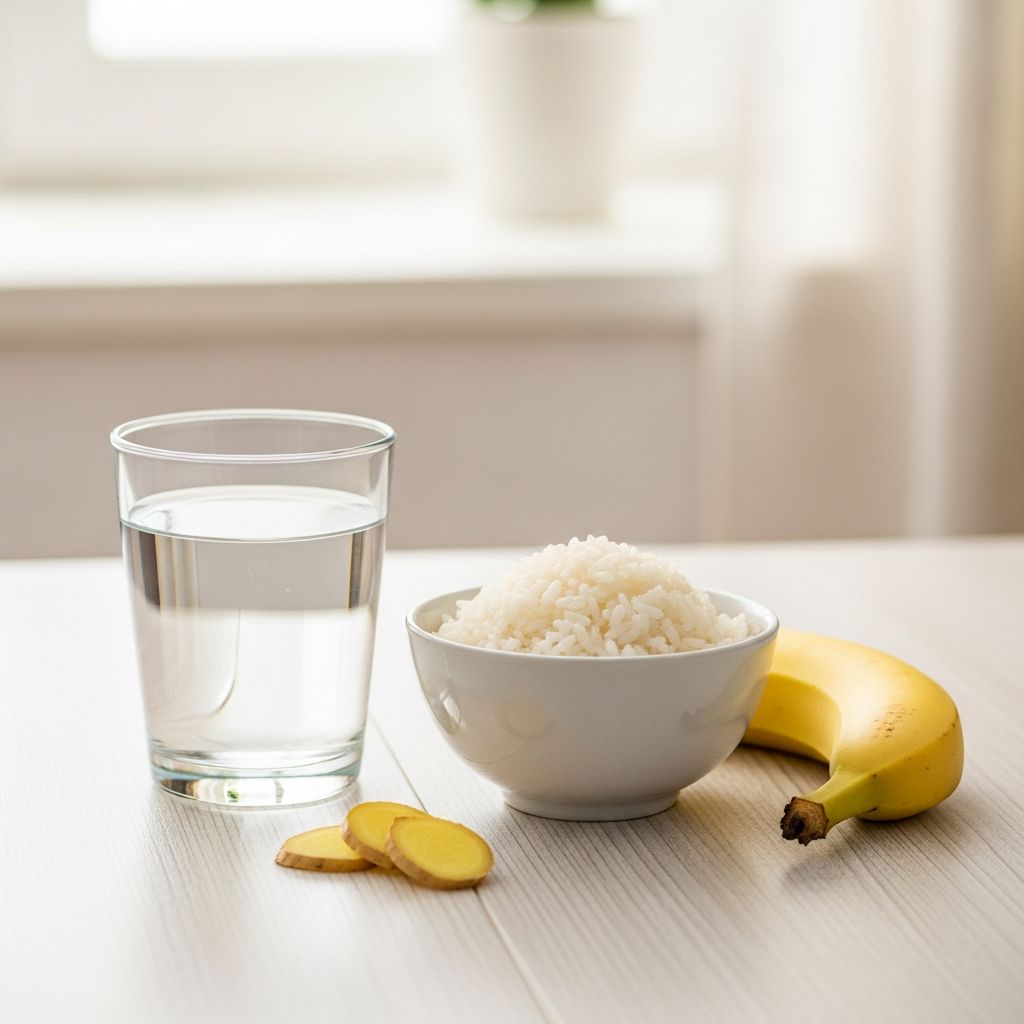
The stomach flu, medically known as viral gastroenteritis, causes nausea, vomiting, diarrhea, and abdominal cramps, making eating challenging. Selecting the right foods and drinks is crucial to soothe your digestive system, maintain hydration, and promote recovery without worsening symptoms.
What Is Stomach Flu?
Stomach flu refers to viral gastroenteritis, an intestinal infection from viruses like norovirus or rotavirus, leading to watery diarrhea, cramps, nausea, vomiting, headache, muscle aches, and occasional fever. Unlike influenza, which affects the respiratory system, this condition spreads through contaminated food, water, or contact with infected individuals. Symptoms typically emerge 1-3 days post-exposure and last a few days to a week, with dehydration as the primary risk.
Symptoms of Stomach Flu
Common signs include:
- Watery diarrhea
- Abdominal cramps or pain
- Nausea and vomiting
- Low-grade fever
- Headache and muscle aches
- Loss of appetite
These symptoms disrupt normal eating, but proper nutrition supports healing. Severe cases may require medical attention, especially in children, older adults, or immunocompromised people.
The Importance of Hydration During Stomach Flu
Dehydration from fluid loss via vomiting and diarrhea poses the biggest threat. Replenish electrolytes and fluids gradually to avoid overwhelming the stomach. Start with small sips of clear liquids every 15-20 minutes rather than large volumes at once. Effective options include oral rehydration solutions, which balance sodium, potassium, and glucose better than plain water.
What to Drink When You Have Stomach Flu
Prioritize clear, non-irritating fluids:
- Water: Sip room-temperature water slowly.
- Clear broths: Chicken or vegetable broth provides sodium and warmth.
- Herbal teas: Chamomile or ginger tea (caffeine-free) soothes nausea.
- Oral rehydration solutions: Pedialyte or similar products restore electrolytes.
- Diluted sports drinks: Low-sugar, non-caffeinated versions like diluted Gatorade.
- Clear sodas: Flat ginger ale or lemon-lime soda in moderation.
Avoid caffeinated, alcoholic, or dairy-based drinks, as they can exacerbate diarrhea or nausea.
Best Foods to Eat with Stomach Flu: The BRAT Diet
Once liquids stay down, introduce the BRAT diet—Bananas, Rice, Applesauce, Toast—known for being bland, low-fiber, and binding to firm stools.
- Bananas: Rich in potassium to replace electrolytes; easy to digest and provide energy.
- Rice: Plain white rice absorbs excess water in the gut, reducing diarrhea.
- Applesauce: Cooked apples offer pectin, which has mild anti-diarrheal effects; avoid whole apples initially.
- Toast: Plain white toast (no butter) is gentle on the stomach.
Expand gradually to similar bland foods as tolerated.
Other Recommended Foods for Stomach Flu Recovery
Beyond BRAT, incorporate these stomach-friendly options in small portions:
- Plain crackers or pretzels: Salty varieties help retain fluids.
- Boiled or mashed potatoes: Low-residual, starchy comfort food.
- Plain pasta or noodles: Simple carbs for energy without irritation.
- Boiled chicken or turkey: Lean protein once solids are tolerated.
- Gelatin (Jell-O): Hydrating and easy to swallow.
- Plain yogurt: Probiotics may help restore gut flora (low-fat, no added sugar).
Eat small, frequent meals rather than large ones to prevent overwhelming digestion.
Foods and Drinks to Avoid During Stomach Flu
Certain items can prolong symptoms or cause further upset:
Related Stories



- Dairy products: Milk, cheese, ice cream—lactose intolerance often worsens temporarily.
- Fatty or fried foods: Burgers, fries, pizza slow digestion.
- Spicy foods: Peppers, hot sauces irritate the gut lining.
- Caffeine and alcohol: Dehydrate and stimulate bowels.
- High-fiber foods: Raw veggies, whole grains, beans increase diarrhea.
- Sweet or sugary treats: Candy, sodas can draw water into intestines.
- Acidic fruits: Citrus, tomatoes may trigger nausea.
Steer clear until fully recovered, typically 48-72 hours symptom-free.
Sample Meal Plan for Stomach Flu Recovery
| Time | Stage 1: First 24 Hours | Stage 2: Days 2-3 | Stage 3: Day 4+ |
|---|---|---|---|
| Morning | Clear broth sips | Banana + toast | Rice + boiled chicken |
| Midday | Oral rehydration solution | Applesauce + crackers | Mashed potatoes + yogurt |
| Afternoon | Ginger tea | Plain rice | Plain pasta |
| Evening | Gelatin | Toast + banana | Broth-based soup |
This plan progresses from liquids to solids based on tolerance. Adjust portions to individual needs.
When to See a Doctor for Stomach Flu
Most cases resolve at home, but seek medical care if:
- Unable to keep fluids down for 24 hours
- Signs of dehydration: dry mouth, dizziness, reduced urine
- Bloody stools or severe abdominal pain
- Symptoms persist beyond 7 days
- High fever (>101°F/38.3°C)
- High-risk groups: infants, elderly, immunocompromised
IV fluids may be needed for severe dehydration.
Stomach Flu in Children vs. Adults
Children dehydrate faster due to higher fluid-to-body-mass ratio. Use pediatric oral rehydration solutions and monitor closely. Adults may tolerate solids sooner but should follow similar guidelines. Breastfed infants can continue nursing.
Prevention Tips for Stomach Flu
Prevent spread with:
- Frequent handwashing with soap for 20 seconds
- Disinfecting surfaces
- Avoiding contaminated food/water
- Isolating sick individuals
Outbreaks peak in winter/spring.
Tips for Managing Medications
Use OTC anti-diarrheals or anti-nausea meds sparingly; consult a doctor first. Avoid NSAIDs like ibuprofen, which irritate the stomach. Probiotics may aid recovery but aren’t a cure.
Frequently Asked Questions (FAQs)
Can I eat dairy during stomach flu?
No, avoid dairy as it can worsen diarrhea due to temporary lactose intolerance.
How long does stomach flu last?
Typically 1-3 days for mild cases, up to a week for severe ones.
Is Pedialyte better than water?
Yes, it replaces electrolytes lost in vomiting/diarrhea more effectively.
Should I use anti-diarrheal meds?
Only if advised by a doctor; they may prolong viral infections.
Can stomach flu be prevented with vaccines?
Rotavirus vaccine protects infants; no universal vaccine for norovirus.
Is it safe to return to work/school?
Wait 48 hours after symptoms stop to avoid spreading.
References
- Best foods to eat for a stomach bug — Mayo Clinic Health System. 2023. https://sncs-prod-external.mayoclinic.org/hometown-health/speaking-of-health/best-foods-to-eat-when-you-have-a-stomach-bug
- Viral Gastroenteritis (Stomach Flu) — Centers for Disease Control and Prevention (CDC). 2024-05-10. https://www.cdc.gov/norovirus/about/index.html
- Managing Acute Gastroenteritis Among Children — World Health Organization (WHO). 2023. https://www.who.int/publications/i/item/9789240074897
- Norovirus Clinical Overview — CDC. 2024-09-15. https://www.cdc.gov/norovirus/hcp/clinical-overview/index.html
- Acute Gastroenteritis in Adults — National Institute for Health and Care Excellence (NICE). 2023-07-01. https://www.nice.org.uk/guidance/cg84
Similar Articles








Read full bio of Sneha Tete