Stomach Flu: 3-Phase Eating And Drinking Plan To Ease Symptoms
Discover the best foods and drinks to ease stomach flu symptoms, stay hydrated, and recover faster with expert nutrition tips.
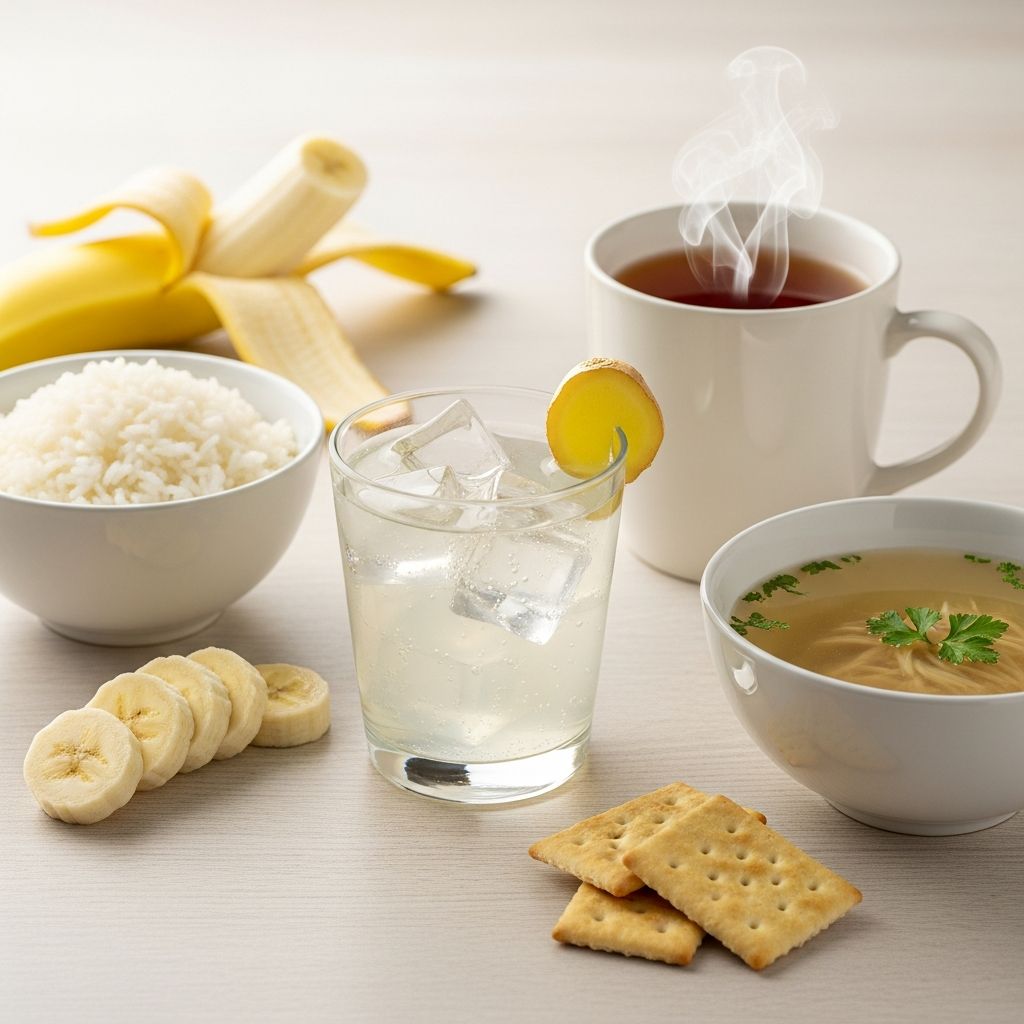
Stomach flu, medically known as viral gastroenteritis, causes diarrhea, vomiting, cramps, and nausea, making eating challenging. The right foods and fluids help soothe symptoms, maintain hydration, and support recovery without worsening gut irritation.
What Is Stomach Flu?
Viral gastroenteritis is an intestinal infection from viruses like norovirus or rotavirus, leading to watery diarrhea, abdominal cramps, nausea, vomiting, headache, muscle aches, and occasional fever. Unlike influenza (a respiratory illness), it spreads via contaminated food, water, or contact with infected people.
Symptoms typically start 1-3 days after exposure, lasting a few days to a week. While usually mild and self-resolving, dehydration is the primary risk, especially in children, older adults, and immunocompromised individuals.
Why Nutrition Matters During Stomach Flu
When battling a stomach bug, your digestive system is inflamed and sensitive. Solid foods may trigger more nausea or diarrhea, but starving prolongs recovery and heightens dehydration risk. Strategic eating—starting with clear liquids, then bland solids—restores gut balance, replenishes electrolytes, and provides gentle energy.
Key goals: Hydrate frequently in small sips, choose low-fiber ‘low-residual’ foods that digest easily, and avoid irritants like dairy, fat, or spice. This approach, often called the BRAT diet, minimizes stool bulk and calms the stomach.
Step-by-Step Recovery Eating Plan
Phase 1: Let Your Stomach Settle (First 4-24 Hours)
Skip solids entirely if vomiting persists. Focus on clear fluids to prevent dehydration:
- Water (room temperature, sipped slowly)
- Clear broths (chicken, vegetable—low-sodium)
- Herbal teas (peppermint, ginger—caffeine-free, soothing for nausea)
- Electrolyte solutions (Pedialyte for kids, Gatorade diluted 1:1 with water for adults)
- Clear sodas like ginger ale (flat, to reduce bubbles)
Aim for 1-2 ounces every 15-20 minutes. Ice chips or frozen electrolyte pops work if sipping is tough.
Phase 2: Ease Back into Solids (Once Fluids Stay Down)
Introduce small, frequent meals (4-6 per day) of bland, binding foods. The classic
BRAT diet
(Bananas, Rice, Applesauce, Toast) is ideal:- Bananas: Potassium-rich, bind stool, easy to digest. Ripe ones are gentler.
- Rice: Plain white rice (not brown—higher fiber irritates). Boiled or steamed.
- Applesauce: Cooked apples provide pectin to firm stools; avoid raw fruit.
- Toast: Plain white bread, dry or lightly toasted—no butter.
Expand gradually with other low-residual options:
| Food Category | Recommended Examples | Why It Helps |
|---|---|---|
| Grains | Plain crackers, mashed potatoes (no skin/butter), plain noodles/pasta | Low fiber, provides carbs for energy without gut strain |
| Proteins | Boiled chicken breast (skinless, plain), hard-boiled eggs (yolks optional) | Lean protein rebuilds strength; avoid fried or fatty meats |
| Desserts | Gelatin (Jell-O), plain popsicles (no dairy) | Hydrating, easy on stomach |
| Soups | Clear chicken broth, rice water | Rehydrates, settles nausea |
Phase 3: Transition to Normal Eating (Days 3-7)
As symptoms fade, add variety: boiled veggies (carrots, potatoes), yogurt (plain, probiotic-rich for gut flora), lean fish, and whole grains. Increase portions slowly; full recovery takes 1-2 weeks.
Hydration: The Top Priority
Dehydration signs include dry mouth, dizziness, reduced urine (dark/concentrated), rapid heartbeat. Vomiting/diarrhea flushes electrolytes (sodium, potassium), risking severe complications.
- Adults: 8-10 cups fluids/day minimum.
- Kids: 1-2 oz/kg body weight/hour initially.
- Pro tip: Oral rehydration solutions (ORS) like WHO formula outperform sports drinks for electrolyte balance.
Foods and Drinks to Avoid
Certain items exacerbate symptoms by irritating the gut or drawing water into bowels:
- Dairy: Milk, cheese, ice cream (lactose intolerance spikes during illness).
- Fatty/Greasy: Fried foods, fast food, rich sauces.
- High-Fiber: Raw veggies, whole grains, beans, popcorn.
- Sugary/Artificial: Candy, gum, diet sodas (sorbitol worsens diarrhea).
- Caffeine/Alcohol: Dehydrates, stimulates gut.
- Acidic/Spicy: Citrus, tomatoes, peppers.
Related Stories



Steer clear until fully recovered.
Medications: Use with Caution
OTC anti-diarrheals (Imodium) or anti-nausea meds (Zofran) may help severe cases but consult a doctor first—especially for kids. Avoid NSAIDs (ibuprofen) as they upset stomachs. Probiotics (e.g., Saccharomyces boulardii) can shorten duration per studies.
When to See a Doctor
Most cases resolve at home, but seek care for:
- Bloody/black stools
- Severe abdominal pain
- Inability to keep fluids down >24 hours
- Signs of dehydration (lethargy, no tears/urine)
- Symptoms >1 week
- High fever (>102°F/39°C)
- High-risk groups: Infants, elderly, immunocompromised
IV fluids may be needed for hospitalization.
Prevention Tips
Stomach bugs peak in winter/spring. Protect yourself:
- Wash hands 20+ seconds with soap, especially post-bathroom, pre-food.
- Disinfect surfaces; avoid sharing utensils.
- Cook food thoroughly; avoid tap water in high-risk areas.
- Vaccines for rotavirus (kids); good hygiene limits norovirus spread.
Frequently Asked Questions (FAQs)
What is the BRAT diet for stomach flu?
The BRAT diet—Bananas, Rice, Applesauce, Toast—uses bland, low-fiber foods to firm stools and ease digestion during viral gastroenteritis.
Can I eat chicken during stomach flu?
Yes, plain boiled chicken breast provides protein without irritation. Avoid fried or seasoned versions.
How much should I drink with stomach flu?
Sip small amounts frequently: aim to replace losses from vomiting/diarrhea to prevent dehydration.
Is yogurt okay for stomach flu?
Plain, low-fat yogurt with live cultures can help restore gut bacteria once acute symptoms subside. Skip during peak vomiting.
How long does stomach flu last?
Typically 1-3 days for symptoms, up to a week for full recovery. Persistent cases warrant medical check.
Expert Insights and Recovery Timeline
Recovery varies: Mild cases improve in 48 hours with proper fueling; severe ones need monitoring. Nurse practitioner Shelly Frischmann emphasizes small, bland meals post-liquids. Track progress: Tolerating BRAT signals advancement.
For families, kid-friendly options like applesauce pops or rice porridge encourage intake. Long-term, a probiotic-rich diet rebuilds microbiome resilience against future bugs.
References
- Best foods to eat for a stomach bug — Mayo Clinic Health System, Shelly Frischmann, C.N.P., A.P.N.P. 2023 (accessed 2026). https://sncs-prod-external.mayo.edu/hometown-health/speaking-of-health/best-foods-to-eat-when-you-have-a-stomach-bug
- Viral Gastroenteritis — Centers for Disease Control and Prevention (CDC). 2024-10-15. https://www.cdc.gov/norovirus/about/index.html
- Clinical Practice Guidelines: Gastroenteritis — American Academy of Pediatrics. 2023-05-01. https://publications.aap.org/pediatrics/article/152/5/e2023063797/194614
- Managing Acute Gastroenteritis Among Children — World Health Organization (WHO). 2023-11-20. https://www.who.int/publications/i/item/9789240081012
Similar Articles








Read full bio of Sneha Tete