Stomach Pain: 19 Causes and Effective Treatments
Discover 19 common causes of stomach pain, from gas to serious conditions, plus proven treatments for quick relief.
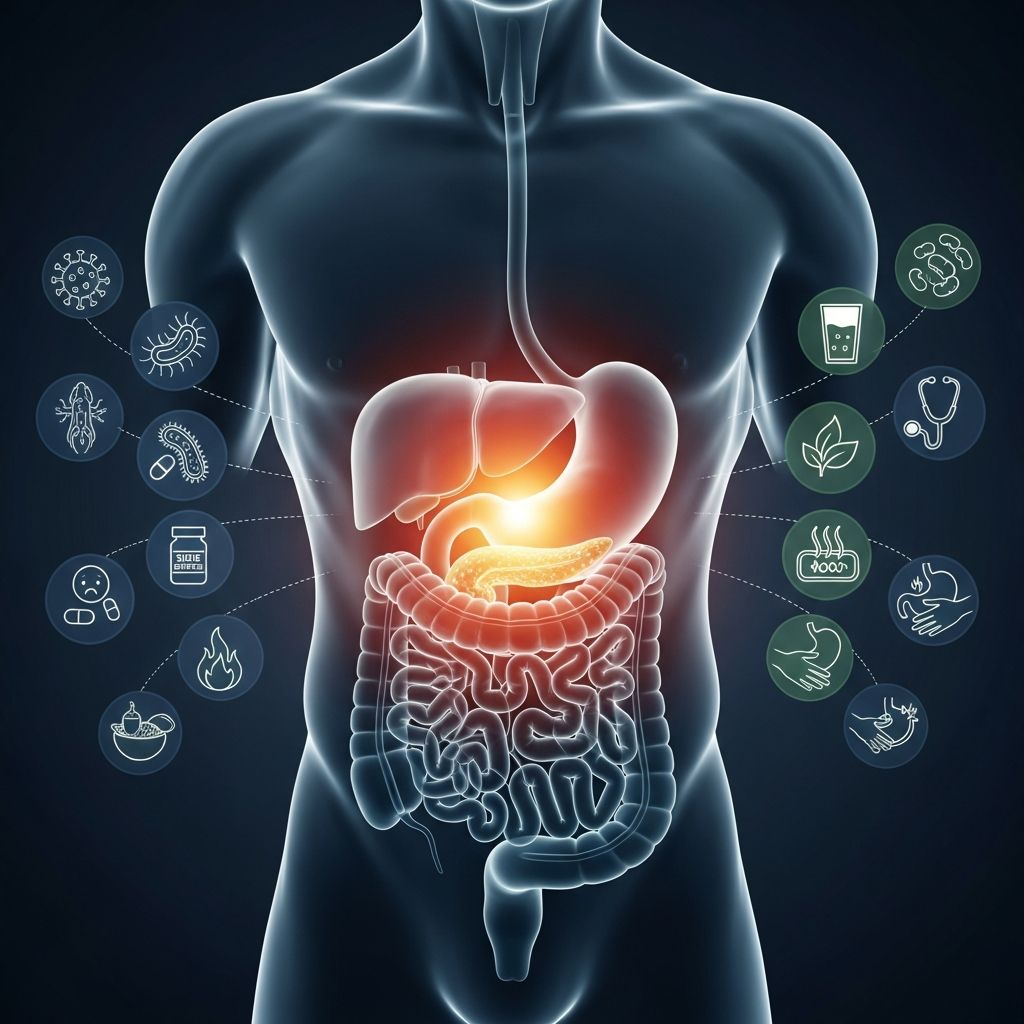
Stomach pain is one of the most common health complaints, affecting millions worldwide. Whether it’s a sharp cramp after eating, dull aching, or persistent discomfort, abdominal pain can range from mild and fleeting to severe and alarming. The abdomen houses vital organs including the stomach, intestines, liver, pancreas, and gallbladder, making pain a potential signal of various underlying issues.
While occasional stomach pain often resolves with simple remedies like rest or antacids, persistent or intense pain warrants medical attention. This comprehensive guide covers 19 common causes of stomach pain, their symptoms, risk factors, and evidence-based treatments. Understanding these can help you differentiate between harmless discomfort and conditions needing professional care.
What Causes Stomach Pain?
Stomach pain arises from issues in the digestive tract, infections, inflammation, or referred pain from other organs. Causes are broadly categorized as acute (sudden onset) or chronic (ongoing). Factors like diet, stress, medications, and underlying diseases all play roles. According to the National Institute of Diabetes and Digestive and Kidney Diseases (NIDDK), digestive diseases affect over 60 million Americans annually.1
19 Common Causes of Stomach Pain
1. Gas and Bloating
The most frequent cause of stomach pain, gas builds up from swallowed air, food fermentation, or poor digestion. Symptoms include bloating, belching, flatulence, and crampy pain. Triggers: carbonated drinks, beans, dairy (in lactose-intolerant individuals).
- Treatment: Over-the-counter simethicone (Gas-X), dietary changes (avoid gas-producing foods), walking, or peppermint tea.
- Prevention: Eat slowly, reduce fiber intake gradually, stay hydrated.
2. Indigestion (Dyspepsia)
Indigestion causes burning pain or fullness in the upper abdomen after meals. Common after fatty/spicy foods or overeating. Affects up to 30% of the population per Cleveland Clinic data.2
- Symptoms: Heartburn, nausea, bloating.
- Treatment: Antacids (Tums), H2 blockers (Pepcid), lifestyle changes like smaller meals.
3. Constipation
Hard, infrequent stools lead to lower abdominal pain and straining. Causes: low fiber diet, dehydration, sedentary lifestyle.
| Symptom | Duration | Treatment |
|---|---|---|
| Hard stools | 3+ days | Fiber supplements, laxatives (Miralax) |
| Bloating | Chronic | Increase water, prunes |
4. Food Poisoning
Bacterial toxins from contaminated food (Salmonella, E. coli) cause sudden pain, vomiting, diarrhea. CDC reports 48 million cases yearly in the U.S.3
- Treatment: Hydration (Pedialyte), BRAT diet (bananas, rice, applesauce, toast). Seek care if bloody stools or fever >101°F.
5. Gastroenteritis (Stomach Flu)
Viral infection (norovirus) inflames stomach lining. Highly contagious; symptoms start 12-48 hours post-exposure.
Treatment: Rest, fluids, anti-nausea meds (Zofran if prescribed).
6. Irritable Bowel Syndrome (IBS)
Chronic disorder affecting 10-15% globally. Causes cramping, diarrhea/constipation alternation. Stress exacerbates per Rome Foundation criteria.
- Treatment: Low-FODMAP diet, antispasmodics (Bentyl), probiotics, stress management.
7. Acid Reflux (GERD)
Stomach acid backs up into esophagus, causing burning pain. Risk factors: obesity, pregnancy, hiatal hernia.
Related Stories



Treatment: PPIs (omeprazole), elevate head of bed, avoid triggers (chocolate, caffeine).
8. Gallstones
Hardened bile deposits cause intense pain post-fatty meals (biliary colic). Affects 10-15% of adults per NIH.1
- Symptoms: Right upper quadrant pain radiating to back.
- Treatment: Surgery (cholecystectomy), pain management.
9. Kidney Stones
Mineral crystals cause severe flank pain radiating to abdomen. More common in men aged 30-60.
Treatment: Alpha blockers (tamsulosin), lithotripsy, hydration (2-3L/day).
10. Appendicitis
Inflammation of appendix; medical emergency. Pain starts periumbilical, migrates to right lower quadrant. Lifetime risk: 7% per CDC.3
- Red flags: Rebound tenderness, fever, nausea.
- Treatment: Immediate appendectomy.
11. Ulcers (Peptic)
H. pylori bacteria or NSAIDs erode stomach lining. Symptoms: gnawing pain worse when empty.
Treatment: Triple therapy (antibiotics + PPI), avoid NSAIDs.
12. Pancreatitis
Pancreas inflammation from gallstones/alcohol. Severe epigastric pain radiates to back.
Treatment: Hospitalization, NPO (nothing by mouth), IV fluids.
13. Diverticulitis
Infected colon pouches; common in Western diets low in fiber. Pain in left lower quadrant.
- Treatment: Antibiotics, clear liquids, surgery if recurrent.
14. Endometriosis
Uterine tissue grows outside uterus, causing pelvic pain mimicking GI issues. Affects 10% of women.
Treatment: Hormonal therapy, laparoscopy.
15. UTI or Kidney Infection
Bacterial ascent causes lower abdominal pain, urgency. Women at higher risk.
Treatment: Antibiotics (nitrofurantoin), cranberry products preventively.
16. Muscle Strain
Overexertion or cough strains abdominal muscles, causing localized pain worsened by movement.
- Treatment: Rest, ice, NSAIDs (ibuprofen).
17. Menstrual Cramps
Prostaglandins cause uterine contractions radiating to lower abdomen. Severe in dysmenorrhea.
Treatment: NSAIDs, heat pads, birth control.
18. Food Intolerances
Lactose, gluten (celiac), fructose malabsorption cause pain post-ingestion.
| Intolerance | Triggers | Test |
|---|---|---|
| Lactose | Dairy | Breath test |
| Gluten | Wheat | Biopsy/serology |
19. Inflammatory Bowel Disease (IBD)
Crohn’s/ulcerative colitis cause chronic pain, diarrhea, weight loss. Affects 1.3% per Crohn’s & Colitis Foundation.
Treatment: Biologics (Infliximab), immunosuppressants, surgery.
When to See a Doctor for Stomach Pain
Seek immediate care if pain is:
- Sudden and severe
- Accompanied by vomiting blood, black stools, jaundice
- Persistent >48 hours or worsening
- With fever >101°F, difficulty breathing, or pregnancy
Per American College of Gastroenterology, early diagnosis prevents complications like perforation or sepsis.4
Stomach Pain Diagnosis
Doctors use history, physical exam (rebound tenderness), labs (CBC, lipase), imaging (ultrasound, CT), or endoscopy.
Home Remedies for Stomach Pain
- Heat therapy: Heating pad eases cramps.
- Hydration: Electrolyte solutions prevent dehydration.
- Ginger/peppermint: Natural antispasmodics backed by NIH studies.1
- BRAT diet: Gentle on stomach.
Prevention Tips
Eat balanced diet (25-30g fiber/day), exercise regularly, manage stress (yoga/meditation), stay vaccinated against foodborne illnesses.
Frequently Asked Questions (FAQs)
What relieves stomach pain fast?
Pepto-Bismol, ginger tea, or walking often provide quick relief for mild cases.
Is stomach pain a sign of cancer?
Rarely in isolation; persistent pain with weight loss or blood warrants screening.
Can stress cause stomach pain?
Yes, via gut-brain axis; affects motility in IBS patients.
How long is too long for stomach pain?
Over 24-48 hours or if interfering with daily life.
Does stomach pain mean appendicitis?
Not always; location (right lower) and progression key indicators.
References
- Digestive Diseases Statistics — National Institute of Diabetes and Digestive and Kidney Diseases (NIDDK). 2024-07-01. https://www.niddk.nih.gov/health-information/health-statistics/digestive-diseases
- Indigestion (Dyspepsia) — Cleveland Clinic. 2025-03-15. https://my.clevelandclinic.org/health/diseases/21206-indigestion-dyspepsia
- Foodborne Illness Data — Centers for Disease Control and Prevention (CDC). 2024-11-20. https://www.cdc.gov/foodborneburden/index.html
- Acute Abdominal Pain Guidelines — American College of Gastroenterology. 2023-10-05. https://journals.lww.com/ajg/fulltext/2023/10000/acg_clinical_guideline__evaluation_of_acute.13.aspx
- Irritable Bowel Syndrome Diagnosis — Rome Foundation. 2024-05-12. https://theromefoundation.org/rome-iv-diagnostic-criteria/
Similar Articles








Read full bio of Sneha Tete