16 Common Stomach Problems and Digestive Issues
Discover 16 common stomach problems, their causes, symptoms, and treatments to manage digestive discomfort effectively.
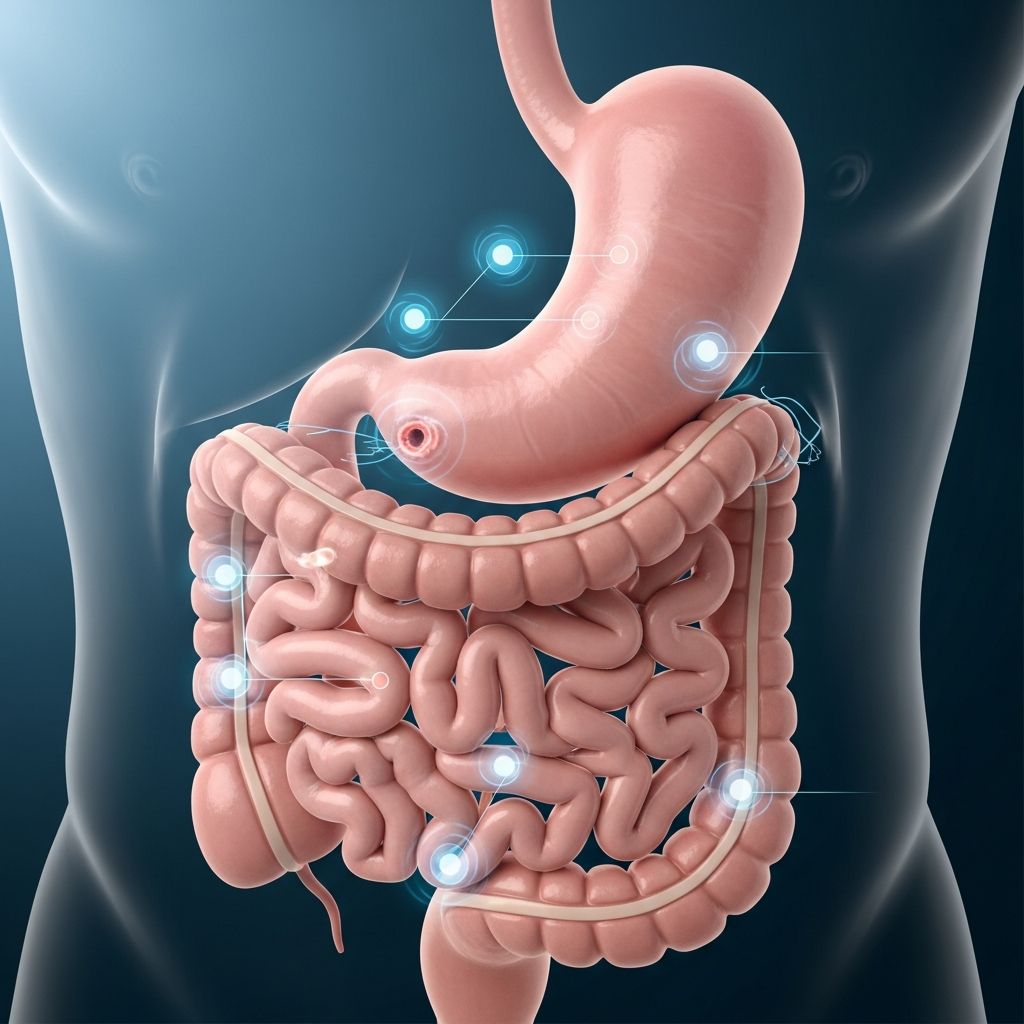
Stomach discomfort is one of the most frequent health complaints, affecting millions worldwide. From occasional bloating after a heavy meal to chronic conditions like irritable bowel syndrome (IBS), digestive problems can disrupt daily life. According to the National Institute of Diabetes and Digestive and Kidney Diseases (NIDDK), digestive diseases impact over 60 million Americans annually. This comprehensive guide covers 16 common stomach problems, detailing their symptoms, causes, diagnosis, treatments, and prevention strategies to help you achieve better gut health.
1. Bloating
Bloating occurs when your abdomen feels full, tight, or swollen, often due to gas buildup in the digestive tract. It’s a widespread issue, with up to 30% of people experiencing it regularly.
Symptoms
- Visible abdominal distension
- Feeling of fullness or pressure
- Excessive belching or flatulence
- Abdominal discomfort or pain
Causes
- Swallowing air (aerophagia) while eating or chewing gum
- High-fiber foods, carbonated drinks, or artificial sweeteners
- Constipation, food intolerances (e.g., lactose), or small intestinal bacterial overgrowth (SIBO)
Diagnosis and Treatment
Diagnosis typically involves medical history and ruling out underlying conditions via blood tests or imaging. Treatment focuses on lifestyle changes: eat smaller meals slowly, avoid trigger foods, and exercise regularly. Over-the-counter remedies like simethicone (Gas-X) or probiotics can provide relief.
Prevention
Identify food triggers with a diary, stay hydrated, and incorporate digestive enzymes.
2. Constipation
Constipation is defined as fewer than three bowel movements per week or difficult, hard stools. The NIDDK reports it affects 16% of U.S. adults.
Symptoms
- Hard, dry stools
- Straining during bowel movements
- Sense of incomplete evacuation
- Abdominal pain or bloating
Causes
- Low-fiber diet, dehydration, or sedentary lifestyle
- Medications (opioids, antidepressants), IBS, or hypothyroidism
Diagnosis and Treatment
Assessed via Rome IV criteria; tests may include colonoscopy if chronic. Increase fiber (25-30g daily), water intake, and physical activity. Laxatives like polyethylene glycol (MiraLAX) are first-line for short-term use.
Prevention
Maintain a high-fiber diet with fruits, vegetables, and whole grains; establish regular bathroom routines.
3. Diarrhea
Diarrhea involves loose, watery stools three or more times daily. Acute cases often resolve quickly, but chronic diarrhea requires investigation.
Symptoms
- Frequent loose stools
- Urgency or incontinence
- Dehydration signs (dry mouth, dizziness)
Causes
- Infections (viral, bacterial), food poisoning, or medications
- IBS, IBD (Crohn’s, ulcerative colitis), or malabsorption
Diagnosis and Treatment
Stool tests, blood work, or endoscopy. Hydration with oral rehydration solutions (Pedialyte) is key; loperamide (Imodium) slows motility. Treat underlying causes.
Prevention
Practice hand hygiene, cook foods properly, and consider probiotics post-antibiotics.
4. Gas
Everyone produces 0.6-1.8 liters of gas daily, but excess can cause discomfort.
Symptoms
- Frequent burping or flatulence
- Abdominal pain or cramping
Related Stories



Causes
- Dietary (beans, broccoli, dairy), swallowing air, or gut fermentation
Treatment
Alpha-galactosidase (Beano) for food-related gas; dietary adjustments.
5. Heartburn
Heartburn is a burning sensation in the chest from stomach acid refluxing into the esophagus.
Symptoms
- Burning chest pain, worse after eating or lying down
- Sour taste in mouth
Causes
- Hiatal hernia, obesity, pregnancy, or fatty/spicy foods
Treatment
Antacids (Tums), H2 blockers (Pepcid), or PPIs (Prilosec). Elevate head during sleep.
6. Acid Reflux/GERD
Gastroesophageal reflux disease (GERD) is chronic acid reflux, affecting 20% of Americans per NIDDK.
Symptoms
- Frequent heartburn, regurgitation
- Chronic cough, hoarseness
Diagnosis and Treatment
Endoscopy or pH monitoring. PPIs, weight loss, and surgery (fundoplication) if refractory.
7. Food Intolerances
Non-allergic reactions like lactose intolerance (65% global prevalence per NIH).
Symptoms
- Bloating, diarrhea, cramps after trigger foods
Treatment
Elimination diets, lactase supplements, or gluten-free for celiac.
8. Nausea
Unpleasant queasy feeling, often preceding vomiting.
Causes
- Motion sickness, pregnancy, infections, or migraines
Treatment
Ginger, acupressure, or ondansetron (Zofran).
9. Vomiting
Forceful expulsion of stomach contents.
Causes
- Gastroenteritis, food poisoning, or chemotherapy
Treatment
Rest, hydration; seek care if persistent.
10. Abdominal Pain
Cramping or sharp pain in the abdomen, varying by organ.
Causes
- Gas, IBS, gallstones, or appendicitis
Red Flags
- Severe pain, fever, blood in stool—seek emergency care.
11. Indigestion (Dyspepsia)
Upper abdominal discomfort post-eating.
Symptoms
- Burning, bloating, early satiety
Treatment
Antacids, PPIs; H. pylori testing.
12. IBS
Irritable bowel syndrome affects 10-15% globally (Rome Foundation).
Symptoms
- Abdominal pain, altered bowel habits
Treatment
Low-FODMAP diet, antispasmodics, CBT.
13. Gallstones
Hardened bile deposits causing biliary colic.
Treatment
Cholecystectomy if symptomatic.
14. Enlarged Spleen
Splenomegaly from infections or liver disease.
Treatment
Address underlying cause.
15. Swallowing Difficulty
Dysphagia from strictures or achalasia.
Diagnosis
Barium swallow, endoscopy.
16. Ulcers
Gastric/duodenal sores from H. pylori or NSAIDs.
Treatment
Triple therapy antibiotics + PPI.
When to See a Doctor
Seek immediate care for severe pain, bloody stools, unexplained weight loss, or persistent symptoms. Early intervention prevents complications like esophageal cancer from chronic GERD.
Frequently Asked Questions (FAQs)
What causes most stomach problems?
Diet, stress, infections, and medications are primary culprits. Lifestyle modifications often resolve mild cases.
Can stress cause stomach issues?
Yes, the gut-brain axis links stress to IBS, GERD, and motility disorders.
How to improve gut health?
Probiotics, fiber-rich diet, hydration, exercise, and stress management.
Key Takeaways
| Problem | Quick Relief |
|---|---|
| Bloating | Simethicone, walk |
| Constipation | Fiber, water |
| GERD | PPIs, elevate bed |
References
- Digestive Diseases Statistics — National Institute of Diabetes and Digestive and Kidney Diseases (NIDDK). 2023. https://www.niddk.nih.gov/health-information/health-statistics/digestive-diseases
- Irritable Bowel Syndrome — American College of Gastroenterology. 2024-10-15. https://gi.org/topics/irritable-bowel-syndrome/
- GERD Clinical Guidelines — American Gastroenterological Association. 2022. https://www.gastrojournal.org/article/S0016-5085(22)00230-5/fulltext
- Lactose Intolerance — National Institutes of Health (NIH). 2023-05-01. https://www.niddk.nih.gov/health-information/digestive-diseases/lactose-intolerance
- Rome IV Criteria for IBS — Rome Foundation. 2024. https://theromefoundation.org/rome-iv/rome-iv-criteria/
Similar Articles








Read full bio of medha deb