11 Stomach-Soothing Steps for Heartburn Relief
Discover proven lifestyle changes and medical strategies to prevent and manage heartburn naturally.
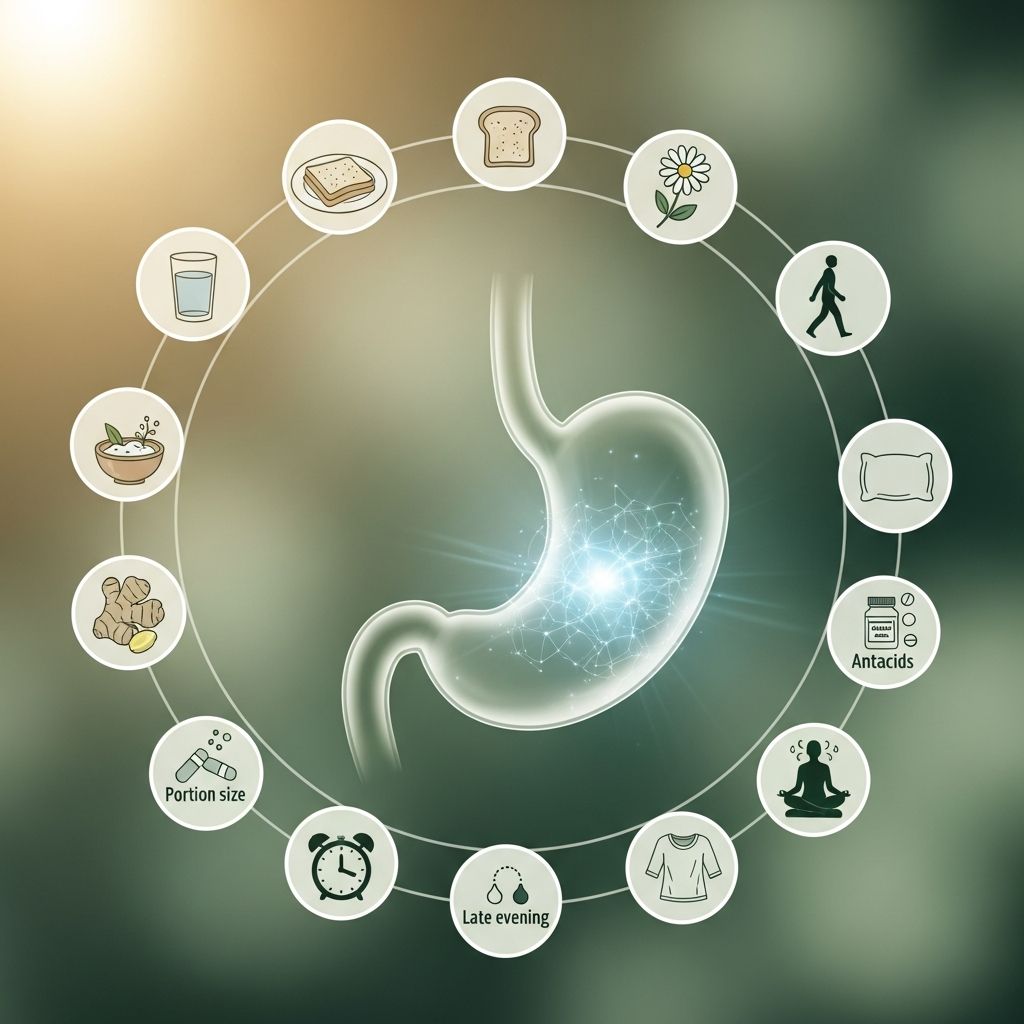
Heartburn affects millions of people worldwide, causing discomfort, disrupted sleep, and digestive distress. If you’re among the many who experience this burning sensation in your chest and throat, you’re not alone. The good news is that numerous lifestyle modifications and preventive strategies can help you manage and reduce heartburn symptoms without relying solely on medications.
Understanding Heartburn and Acid Reflux
Heartburn occurs when stomach acid flows backward into your esophagus, causing irritation and discomfort. This condition, formally known as gastroesophageal reflux disease (GERD) when chronic, affects a significant portion of the population. Nighttime heartburn is particularly problematic, affecting approximately four out of five people who suffer from regular heartburn, disrupting sleep quality and overall well-being.
According to leading gastroenterologists, the cornerstone of heartburn management is prevention rather than treatment after symptoms develop. By implementing strategic lifestyle changes, you can significantly reduce the frequency and severity of heartburn episodes.
The 11 Essential Steps for Heartburn Relief
1. Sleep on Your Left Side
Your sleeping position plays a crucial role in heartburn management. Medical experts recommend sleeping on your left side to minimize nighttime heartburn symptoms. This position appears to create a natural barrier that prevents stomach acid from easily flowing into your esophagus. To remember this simple rule, think: “Right is wrong.” The left side positioning helps maintain a more favorable angle between your stomach and esophagus, reducing acid reflux during sleep.
2. Achieve and Maintain a Healthy Weight
Weight management is directly connected to heartburn frequency and severity. Extra weight, particularly around the abdominal area, can increase intra-abdominal pressure, pushing stomach acid upward. The encouraging news is that even modest weight loss can produce significant results. Losing as little as two and a half pounds can noticeably reduce heartburn symptoms. If you’re overweight, gradual, sustainable weight loss through balanced nutrition and regular exercise can dramatically improve your heartburn symptoms.
3. Elevate Your Upper Body While Sleeping
When you lie completely flat in bed, your throat and stomach are essentially at the same level, creating an ideal condition for stomach acid to flow upward into your esophagus. Elevating your upper body creates a downward slope that helps gravity work in your favor, keeping acid in your stomach where it belongs.
You can achieve this elevation in two effective ways:
- Place 4- to 6-inch blocks under the head of your bed to create an incline
- Use a wedge-shaped pillow that’s at least 6 to 10 inches thick on one end
Important note: Simply stacking regular pillows won’t work effectively because they only raise your head, not your entire upper body, limiting the gravitational advantage you need.
4. Wear Loose-Fitting Clothing
Tight-fitting clothes, particularly those snug around your waist and abdomen, create external pressure on your stomach. This pressure can trigger heartburn by forcing stomach contents and acid upward. By wearing loose, comfortable clothing, you eliminate this unnecessary pressure and allow your digestive system to function optimally. This simple change can provide immediate relief for many heartburn sufferers.
Related Stories



5. Identify and Avoid Your Personal Heartburn Triggers
Heartburn triggers vary significantly from person to person. While some foods reliably cause problems for most people, your individual triggers may differ. Common heartburn-inducing foods and beverages include:
- Alcoholic beverages
- Caffeinated drinks (coffee, colas, tea)
- Chocolate and cocoa products
- Peppermint
- Garlic and onions
- Dairy products, particularly whole milk
- Fatty, spicy, greasy, or fried foods
- Acidic foods like citrus fruits and tomato-based products
Maintaining a detailed food diary can help you identify your specific triggers. Note what you eat, when you experience heartburn, and its severity. Over time, patterns will emerge, allowing you to make informed dietary choices that minimize symptoms.
6. Avoid Late-Night and Large Meals
The timing and size of your meals significantly impact heartburn risk. The American Gastroenterological Association recommends avoiding meals two to three hours before bedtime. This timeframe allows your stomach to partially empty its contents before you lie down, reducing the likelihood of acid reflux during sleep.
Large meals place considerable pressure on your stomach, increasing acid production and reflux risk. Instead, eat smaller, more frequent meals throughout the day. A lighter evening meal is particularly important for preventing nighttime heartburn.
7. Eat in a Relaxed, Mindful State
Stress and rushing during meals can cause your stomach to produce excessive acid. When you eat quickly or while anxious, your digestive system doesn’t function optimally. Take time to relax before, during, and after meals. Implement stress-reduction techniques such as deep breathing exercises or meditation. After eating, remain upright for at least 30 minutes rather than immediately lying down, as this allows your digestive system time to process the meal.
8. Maintain an Upright Position After Eating
Gravity is your ally in heartburn prevention. After meals, stay in an upright or sitting position to keep food and acid in your stomach. Avoid bending over or straining to lift heavy objects, as these actions can increase abdominal pressure and force acid into your esophagus. This simple positioning strategy is one of the most effective preventive measures available.
9. Time Your Exercise Appropriately
While regular exercise is crucial for overall health and weight management, the timing matters for heartburn prevention. Allow at least two hours after eating before engaging in vigorous physical activity. This gives your stomach adequate time to empty its contents. Exercising too soon after a meal can jostle food and acid, triggering reflux symptoms.
10. Chew Sugar-Free Gum
Chewing gum stimulates saliva production, which serves multiple beneficial functions. Saliva soothes your esophagus and helps wash stomach acid down into your stomach where it belongs. However, choose gum flavors carefully—avoid peppermint, which can actually worsen heartburn in some individuals. Cinnamon, spearmint, or other flavors are better choices.
11. Quit Smoking
Smoking poses a double threat to heartburn sufferers. Cigarette smoke directly irritates your gastrointestinal tract, and nicotine relaxes the esophageal muscles responsible for keeping stomach acid in place. By quitting smoking, you eliminate both mechanisms that contribute to heartburn, significantly improving your symptoms and overall digestive health.
Medication Considerations
Certain medications can cause or exacerbate heartburn, including nonsteroidal anti-inflammatory drugs (NSAIDs), some osteoporosis medications, certain heart and blood pressure drugs, hormone medications, asthma medications, and some antidepressants. If you take any of these medications and experience heartburn, consult your doctor about potential alternatives or timing adjustments that might reduce symptoms.
When to Seek Medical Attention
While lifestyle modifications work well for many people, persistent heartburn warrants medical evaluation. Contact your healthcare provider if:
- Heartburn persists despite implementing lifestyle changes
- You experience difficulty swallowing
- Heartburn causes vomiting
- Symptoms continue after using antacids for two weeks
- You develop new or worsening symptoms
Untreated chronic heartburn can have serious consequences. Persistent acid reflux may scar and narrow your esophagus, and in severe cases, chronic GERD can potentially develop into esophageal cancer. Never ignore persistent heartburn symptoms.
Creating Your Personalized Heartburn Management Plan
The most effective heartburn management approach is personalized. Everyone’s triggers, sleep patterns, and lifestyle factors differ. Start by implementing the strategies that seem most applicable to your situation. Keep detailed records of what works and what doesn’t. Over time, you’ll identify the combination of lifestyle modifications that provides you with the greatest relief.
Remember that heartburn prevention is typically more effective than treating symptoms after they develop. By making these lifestyle adjustments, you’re taking a proactive approach to your digestive health that can significantly improve your quality of life and sleep quality.
Frequently Asked Questions About Heartburn Relief
Q: How quickly will lifestyle changes reduce my heartburn symptoms?
A: Some changes, like sleeping position and elevation, may provide immediate relief. Others, like weight loss, take longer. Most people notice significant improvement within 2-4 weeks of consistently implementing multiple strategies.
Q: Can I use over-the-counter antacids as my only treatment?
A: While antacids provide temporary relief, they don’t address underlying causes. Combining antacids with lifestyle modifications is more effective. However, if you need antacids regularly, consult your doctor about prescription alternatives.
Q: Is nighttime heartburn different from daytime heartburn?
A: Nighttime heartburn is often more severe because lying flat eliminates gravity’s protective effect. The strategies in this guide focus heavily on nighttime relief but are beneficial throughout the day.
Q: Can stress contribute to heartburn?
A: Yes, stress increases stomach acid production and can trigger heartburn. Stress-reduction techniques like meditation, deep breathing, and regular exercise are important components of heartburn management.
Q: How long should I wait after eating before exercising?
A: For vigorous exercise, wait at least 2 hours after meals. For light activity like walking, 30-60 minutes is usually sufficient.
Q: Should I completely eliminate foods that trigger my heartburn?
A: Not necessarily. Some people can tolerate trigger foods in smaller quantities or when combined with other preventive measures. Keep a food diary to determine your personal tolerance levels.
Conclusion
Heartburn is a manageable condition when you understand what triggers it and implement appropriate preventive strategies. These 11 stomach-soothing steps provide a comprehensive approach to heartburn relief without depending solely on medication. Start with the changes that fit most easily into your lifestyle, then gradually incorporate additional strategies. Most importantly, if lifestyle modifications don’t adequately control your symptoms within a few weeks, consult your healthcare provider to rule out underlying conditions and explore medication options.
References
- 12 Tips for Nighttime Heartburn Relief — WebMD. Retrieved 2025-12-01. https://www.webmd.com/heartburn-gerd/features/nighttime-heartburn-sleep-tips
- Gastroesophageal Reflux Disease (GERD) — American Gastroenterological Association. https://www.gastro.org/practice-guidance/gi-patient-center/topic/gerd
- Understanding Acid Reflux — Mayo Clinic. https://www.mayoclinic.org/diseases-conditions/gerd/symptoms-causes/syc-20361940
Similar Articles








Read full bio of Sneha Tete