Stomach Ulcer Symptoms: 7 Warning Signs And When To Get Help
Recognize the key signs of stomach ulcers early to prevent serious complications and seek timely medical care.
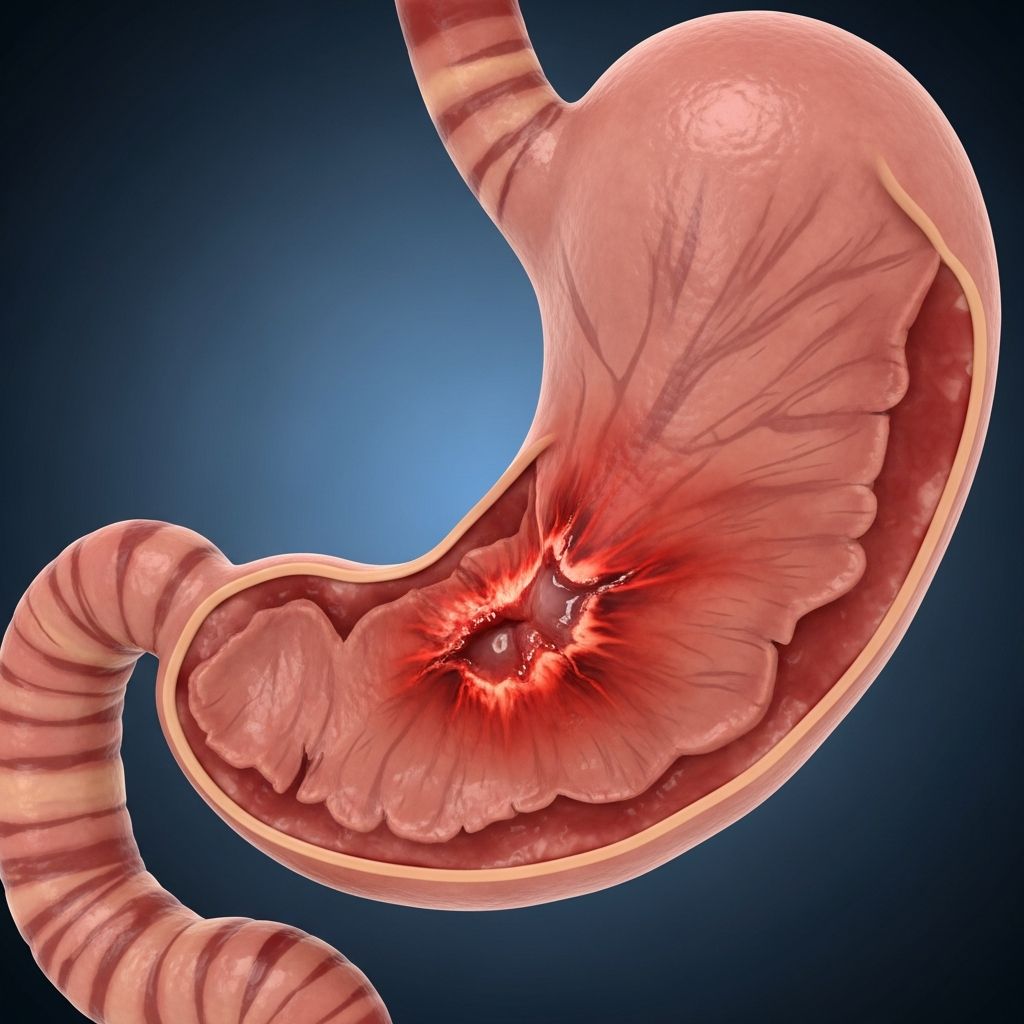
Stomach ulcers, also known as peptic ulcers, are open sores that develop on the inner lining of the stomach, lower esophagus, or the upper part of the small intestine (duodenum). These painful erosions occur when the protective mucous layer is damaged, allowing stomach acid to erode the tissue beneath. While many people experience no symptoms, recognizing the signs is crucial as untreated ulcers can lead to bleeding, perforation, or other life-threatening complications.
The most common symptom is a burning or gnawing pain in the upper abdomen, often worsening between meals or at night. According to experts, this pain may temporarily ease with food, milk, or antacids but typically returns. Stomach ulcers affect millions worldwide, primarily caused by Helicobacter pylori (H. pylori) infection or prolonged use of nonsteroidal anti-inflammatory drugs (NSAIDs) like ibuprofen.
What Is a Stomach Ulcer?
A stomach ulcer forms when the stomach’s protective lining is compromised, exposing the underlying tissue to digestive acids and enzymes. This results in inflammation and sores that can vary in size from small irritations to large erosions. Peptic ulcer disease encompasses gastric ulcers (in the stomach), duodenal ulcers (in the duodenum), and esophageal ulcers.
Up to 70% of individuals with peptic ulcer disease may not notice symptoms initially, but when present, they often include epigastric pain and indigestion. The condition is not caused by stress or spicy foods, as once believed, but by specific factors weakening the mucosal defenses. Duodenal ulcers tend to cause pain mid-morning, relieved by eating, while gastric ulcers may cause pain during or after meals.
Stomach Ulcer Symptoms
Symptoms of stomach ulcers can range from mild discomfort to severe indicators of complications. The hallmark is upper abdominal pain described as burning, gnawing, aching, or hunger-like, located just below the breastbone. Pain patterns differ: duodenal ulcer pain follows a rhythm, absent upon waking but appearing mid-morning and returning after meals; gastric ulcer pain lacks pattern and may worsen with eating.
- Burning stomach pain: The most frequent sign, felt between meals or at night, sometimes easing briefly with antacids.
- Bloating or early satiety: Feeling full after small amounts of food due to impaired stomach emptying.
- Nausea or vomiting: Irritation leads to queasiness; vomiting blood or ‘coffee grounds’ indicates bleeding.
- Loss of appetite: Pain and nausea reduce desire to eat, creating a vicious cycle.
- Unintentional weight loss: Results from avoiding food due to discomfort.
- Heartburn or indigestion: Mimics acid reflux, unresponsive to usual remedies.
- Dark, tarry stools: A critical sign of upper GI bleeding (melena).
Less common symptoms include chest pain from penetration into adjacent organs or severe bloating from obstruction.
Symptoms of Complications
Untreated ulcers can progress to serious issues like bleeding, penetration, perforation, or obstruction, each with distinct symptoms requiring immediate attention.
| Complication | Symptoms |
|---|---|
| Bleeding | Vomiting blood, dark/tarry stools, dizziness, lightheadedness. |
| Penetration | Intense, persistent pain radiating to back or other areas, worsening with position changes. |
| Perforation | Sudden, sharp abdominal pain spreading throughout, shoulder pain, rigid tender abdomen, rebound tenderness. |
| Obstruction | Repeated vomiting of undigested food, severe bloating, lack of appetite, weight loss, dehydration. |
These complications arise when ulcers erode deeper layers or scar tissue narrows passages. Bleeding occurs in about 15-20% of cases, while perforation demands emergency surgery.
Related Stories



Causes of Stomach Ulcers
The primary causes disrupt the stomach’s protective barrier. H. pylori infection, present in over 50% of cases, inflames the lining and increases acid production. NSAIDs inhibit prostaglandins, which maintain mucosal integrity, leading to erosion. Other factors include excessive acid from Zollinger-Ellison syndrome, smoking, alcohol, or stress in critically ill patients.
- H. pylori: Bacterial infection weakening defenses.
- NSAIDs: Long-term use common in arthritis patients.
- Rare: Radiation, chemotherapy, or hyperacidity disorders.
Stomach Ulcer vs. Gastritis
Gastritis is inflammation of the stomach lining without sores, while ulcers involve actual tissue breakdown. Both share symptoms like pain and nausea but ulcers pose higher bleeding risk. H. pylori causes both; gastritis may be acute or chronic. Diagnosis differentiates via endoscopy.
Diagnosis
Providers assess symptoms, test for H. pylori (breath, stool, blood, or biopsy), and use endoscopy for visualization and biopsy. Imaging like CT or upper GI series detects larger ulcers or complications. Early diagnosis prevents progression.
Treatment
Treatment eradicates H. pylori with antibiotics (e.g., clarithromycin, amoxicillin) plus proton pump inhibitors (PPIs) like omeprazole to reduce acid. NSAIDs users switch to alternatives or add PPIs. Lifestyle changes include quitting smoking, limiting alcohol, and avoiding irritants. Surgery is rare, for complications only.
Prevention
Prevent ulcers by testing/treating H. pylori, using NSAIDs cautiously (lowest dose, with PPIs), maintaining hygiene to avoid infection, and managing stress. Balanced diet aids but doesn’t prevent alone.
When to See a Doctor
Seek immediate care for severe pain, bloody vomit/stools, fainting, rigid abdomen, or shock signs. Contact provider for persistent pain, unexplained weight loss, frequent vomiting, or early fullness. Prompt intervention heals most ulcers within weeks.
Frequently Asked Questions (FAQs)
What are the first signs of a stomach ulcer?
The earliest sign is often burning upper abdominal pain that improves with eating but returns later.
Can stomach ulcers cause back pain?
Yes, if penetrating the pancreas, causing referred back pain.
Do stomach ulcers heal on their own?
Some may, but treatment is essential to prevent recurrence or complications.
Is dark stool always from an ulcer?
No, but it’s a red flag for upper GI bleeding needing urgent evaluation.
How long do ulcer symptoms last?
Symptoms cycle days to weeks; treatment resolves most in 4-8 weeks.
References
- 7 Symptoms of a Stomach Ulcer — Health News Hub. 2023. https://healthnewshub.org/7-symptoms-of-a-stomach-ulcer/
- Peptic Ulcer Disease — Merck Manuals. 2024-01-13. https://www.merckmanuals.com/home/digestive-disorders/gastritis-and-peptic-ulcer-disease/peptic-ulcer-disease
- Peptic Ulcer Disease — Cleveland Clinic. 2024. https://my.clevelandclinic.org/health/diseases/10350-peptic-ulcer-disease
- Peptic ulcer disease – discharge — MedlinePlus. 2024. https://medlineplus.gov/ency/patientinstructions/000380.htm
Similar Articles








Read full bio of Sneha Tete