Stomatitis (Oral Mucositis): Types, Symptoms & Treatment
Understanding stomatitis: causes, symptoms, diagnosis, and effective treatment options for oral inflammation.
Understanding Stomatitis (Oral Mucositis)
Stomatitis, also known as oral mucositis, is inflammation in the mucous membranes (mucosa) that line your mouth or lips. This condition represents your body’s natural inflammatory response to an injury, making it a relatively common experience for many people. The most familiar types of stomatitis are cold sores and canker sores, both of which can cause discomfort and interfere with eating and speaking. While stomatitis is a type of mucositis, which includes inflammation involving your oral mucosa or any of the mucous membranes lining your gastrointestinal (GI) tract, this article focuses specifically on oral manifestations of the condition.
Stomatitis can stem from various causes, including infections, injuries, allergic reactions, and cancer treatment side effects. The good news is that many causes of this inflammation aren’t serious and heal on their own. However, some cases require prescriptions or professional medical treatment. Understanding the signs and symptoms of stomatitis is crucial because early recognition and intervention can prevent complications and speed up recovery.
What Causes Stomatitis?
Almost anything that damages the mucosa in your mouth can lead to stomatitis, as inflammation is your body’s natural protective response. Several categories of causes contribute to this condition, and understanding them can help you identify potential triggers and seek appropriate treatment.
Infectious Causes
Infections represent one of the primary causes of stomatitis. Bacterial, viral, and fungal infections can all trigger inflammation in the oral tissues. However, it’s important to note that infections are not only causes but also potential complications of stomatitis. When the mucosa becomes injured, it creates a vulnerable barrier that makes you more susceptible to germs, which can then trigger additional inflammation and tissue damage. This is why proper treatment is essential to prevent progression.
Physical and Chemical Injuries
Physical trauma to the mouth from dental work, accidental cheek biting, or sharp food particles can damage the mucosa and lead to stomatitis. Chemical irritants such as certain mouthwashes, toothpastes, or oral rinses may also trigger inflammation in sensitive individuals. In some cases, determining the exact chemical cause requires trial and error; your healthcare provider may recommend switching brands of mouthwash or toothpaste to identify the culprit.
Allergic Reactions
Allergic responses to specific substances in oral care products or foods can manifest as stomatitis. These reactions vary from person to person, making diagnosis sometimes challenging without careful history-taking and systematic elimination of potential allergens.
Cancer Treatment Side Effects
One of the more serious causes of stomatitis is cancer treatment. Both chemotherapy and radiation therapy to the head and neck can cause oral mucositis as a side effect. Between 20% to 40% of patients with solid tumors receiving chemotherapy develop mucositis, typically within five to fourteen days of starting treatment. The severity varies based on the specific chemotherapeutic agents used, the number of treatment cycles, the chemotherapy dose, and individual patient factors. Patients receiving myeloablative preparations for hematopoietic stem cell transplants experience even higher incidence rates.
Types of Stomatitis
Stomatitis manifests in several recognizable forms, each with distinct characteristics and causes.
Related Stories



Canker Sores (Aphthous Ulcers)
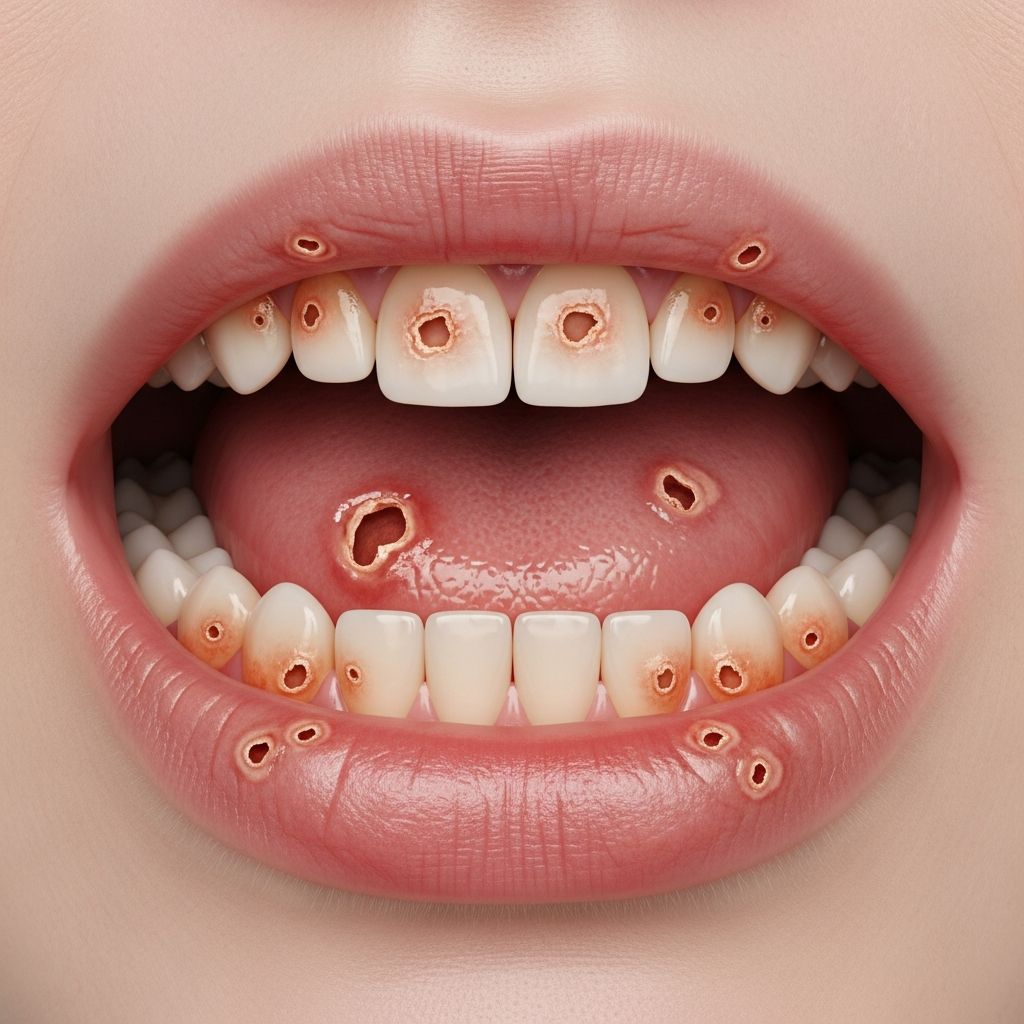
Canker sores are small, painful ulcers that typically appear inside the mouth on the inner cheeks, lips, tongue, or the soft palate. They are usually round or oval with a white or yellowish center surrounded by a red, inflamed border. Canker sores are not contagious and typically heal within one to two weeks without scarring.
Cold Sores (Herpes Simplex Labialis)
Cold sores are caused by the herpes simplex virus (HSV-1) and typically appear on or around the lips, though they can also occur inside the mouth. Unlike canker sores, cold sores are contagious and may be preceded by tingling or burning sensations. They typically progress from fluid-filled blisters to crusted lesions over seven to ten days.
Chemotherapy-Induced Oral Mucositis
In cancer patients, oral mucositis typically begins as erythema (redness) in the mucosa, which subsequently becomes eroded and ulcerated. A white fibrinous pseudomembrane may cover these ulcerations. The ulcers typically appear on non-keratinized surfaces of the mouth, including the buccal mucosa (inner cheeks), lateral tongue, ventral tongue, and soft palate. These lesions can be particularly severe and debilitating, sometimes requiring specialized treatment.
Recognizing Symptoms of Stomatitis
The symptoms of stomatitis can vary depending on the cause and severity, but several common signs warrant attention. Patients often experience pain or soreness in the mouth, making eating, drinking, and speaking uncomfortable. Visible sores or blisters appear in the affected areas, and the oral tissues may appear red, swollen, and shiny. Some individuals notice white patches or discoloration in their mouth. In more severe cases, difficulty swallowing (dysphagia) may occur, and fever or swollen lymph nodes might accompany the local oral symptoms, suggesting a systemic component.
While the discomfort associated with stomatitis can feel unpleasant and may cause self-consciousness, the good news is that this discomfort is usually short-lived. However, if you notice a sore that doesn’t heal or if you’re experiencing other persistent signs of stomatitis, consulting your healthcare provider is advisable.
Diagnostic Approach to Stomatitis
Healthcare providers can typically recognize most types of stomatitis, such as canker sores and cold sores, through visual examination alone. Your provider will carefully inspect the affected areas and ask about your symptoms and medical history. Knowing that you’re undergoing cancer treatment, for example, may immediately suggest that your oral mucositis is a treatment side effect rather than an infectious process.
Diagnostic Methods
Your provider may employ several diagnostic techniques depending on the clinical presentation:
Physical Examination: Direct visual inspection of the mouth and oral tissues provides essential information about the location, appearance, size, and characteristics of lesions. Healthcare providers assess whether the ulcers are limited to non-keratinized surfaces or more widespread.
Medical History Review: Detailed questioning about symptom onset, duration, associated pain, recent dental work, new oral care products, dietary changes, and systemic symptoms helps identify potential causes. Information about cancer treatment, recent infections, or allergies is particularly valuable.
Laboratory Tests: While not always necessary, certain situations may warrant additional testing. Viral cultures can identify herpes simplex virus or other viral causes. Fungal cultures may be performed if candidiasis is suspected. Blood tests can assess immune function and identify systemic infections or deficiencies.
Allergy Testing: If an allergic reaction is suspected, elimination diets or patch testing with specific oral care products may help identify the causative allergen.
Treatment Options for Stomatitis
Treatment for stomatitis depends fundamentally on identifying and addressing what’s causing it. The only true cure for stomatitis is to treat or manage the underlying issue creating the problem. However, while addressing the root cause, several symptomatic treatments can manage pain and promote healing.
Managing the Underlying Cause
Once your healthcare provider identifies the cause, treatment targets that specific etiology. If a chemical irritant like a particular mouthwash is responsible, switching to a different brand or formulation may resolve the inflammation. For infectious causes, appropriate antimicrobial therapy—antibiotics, antivirals, or antifungals—addresses the pathogen. In cancer treatment–related mucositis, continuing necessary cancer therapy while providing supportive care is essential.
Symptomatic and Supportive Care
Oral Hygiene Measures: Basic oral care (BOC) is recommended for managing stomatitis. This includes mechanical cleaning of teeth, regular mouth rinses, and lubricating the oral mucosa. Frequent assessment of oral tissues before and during cancer treatment reduces infection risk and helps identify initial stages of oral mucositis.
Oral Rinses: Healthcare providers typically recommend rinsing the oral cavity with non-medicated oral rinses every four hours. These may include saline water rinses, sodium bicarbonate rinses, or a combination of both. Despite limited data on these rinses, they are recognized as inert and bland solutions that increase oral clearance, help maintain oral hygiene, and improve patient comfort.
Dietary Modifications: Diet should be limited to foods that don’t aggravate the mucosa or risk injury during chewing. Foods that may induce trauma to the oral mucosa—such as spicy, sharp, and hard foods—should be avoided. Soft, cool foods are often better tolerated. Adequate hydration is crucial, though hot beverages should be avoided.
Pain Management: For pain relief, healthcare providers may recommend several options. Topical anesthetics can provide localized relief for mouth sores. Magic mouthwash—a combination rinse typically containing antimicrobial, antifungal, and anesthetic components—can be particularly effective. Corticosteroid gels or rinses, such as dexamethasone solution or clobetasol propionate, may be prescribed to reduce inflammation and pain. For more severe cases, topical morphine mouthwash may be recommended, particularly for head and neck cancer patients receiving radiotherapy and chemotherapy.
Prevention Strategies
While not all cases of stomatitis can be prevented, several strategies can reduce your risk or minimize severity:
Maintain Good Oral Hygiene: Regular brushing, flossing, and professional dental cleanings reduce the risk of oral infections and trauma. Using a soft-bristled toothbrush minimizes mechanical injury to the mucosa.
Choose Gentle Oral Care Products: Select toothpastes and mouthwashes without harsh chemicals or high alcohol content. If you suspect a particular product is causing irritation, switch to a gentler alternative.
Avoid Known Triggers: If certain foods or beverages trigger stomatitis, eliminate or reduce them from your diet. Similarly, avoid tobacco and alcohol, which can irritate oral tissues.
Manage Underlying Conditions: For cancer patients undergoing treatment, close collaboration with your oncology team and dentist can help prevent or minimize oral mucositis.
When to Seek Medical Care
While many cases of stomatitis resolve independently, certain situations warrant professional medical evaluation. You should consult a healthcare provider if you have a sore that doesn’t heal within two weeks, if the pain is severe and unmanageable with over-the-counter medications, if you develop fever or signs of systemic infection, if you’re unable to eat or drink adequately due to oral pain, or if stomatitis interferes significantly with your quality of life. Additionally, if you’re undergoing cancer treatment and develop oral symptoms, report them to your healthcare team promptly.
Prognosis and Recovery
The prognosis for stomatitis is generally favorable. Most cases resolve without intervention over one to two weeks, though the timeline varies based on the cause and severity. In chemotherapy-induced oral mucositis, symptoms typically begin to resolve as the absolute neutrophil count recovers in immunosuppressed patients. Overall, most people experience complete healing without long-term complications, though severe cases may lead to secondary infections or require longer recovery periods. Over-the-counter or prescription medications may speed healing and reduce discomfort during recovery.
Frequently Asked Questions About Stomatitis
Q: What is the difference between stomatitis and oral mucositis?
A: Stomatitis and oral mucositis are essentially the same condition—terms used interchangeably to describe inflammation in the oral mucous membranes. Oral mucositis is the broader medical term, while stomatitis is commonly used clinically. Both refer to the same inflammatory response affecting the mouth’s lining tissues.
Q: Are cold sores and canker sores the same thing?
A: No, they are different conditions. Cold sores are caused by herpes simplex virus (HSV-1) and are contagious, typically appearing on the lips or around the mouth. Canker sores (aphthous ulcers) are non-contagious and occur inside the mouth. Cold sores usually last seven to ten days, while canker sores typically heal within one to two weeks.
Q: Can stomatitis become a serious condition?
A: While most cases resolve without complications, stomatitis can become serious if infected or if it severely restricts oral intake. In cancer patients, severe oral mucositis can lead to dehydration, malnutrition, and may require parenteral (intravenous) nutrition. Additionally, damaged oral tissues can allow bacteria or fungi to invade, leading to systemic infections. This is why proper treatment and infection prevention are important.
Q: How long does stomatitis typically last?
A: Most cases of stomatitis resolve within one to two weeks. However, severe cases, particularly those associated with cancer treatment, may take two to six weeks to heal completely. Factors affecting healing time include the underlying cause, severity of inflammation, and how well the underlying condition is managed.
Q: Can I prevent stomatitis from occurring?
A: While you cannot prevent all cases, you can reduce your risk by maintaining excellent oral hygiene, using gentle oral care products, avoiding tobacco and alcohol, protecting your mouth from injury, and managing any underlying health conditions. If you’re undergoing cancer treatment, work closely with your healthcare team to minimize treatment-related oral complications.
References
- Stomatitis (Oral Mucositis): Types, Symptoms & Treatment — Cleveland Clinic. 2024. https://my.clevelandclinic.org/health/diseases/stomatitis-oral-mucositis
- Oral Mucositis — National Center for Biotechnology Information (NCBI) StatPearls. 2024. https://www.ncbi.nlm.nih.gov/books/NBK565848/
- Mucositis: Types, Symptoms & Treatment — Cleveland Clinic. 2024. https://my.clevelandclinic.org/health/diseases/24181-mucositis
- Oral Adverse Events Associated with Targeted Cancer Therapies — Academy of General Dentistry. 2018. https://www.agd.org
Similar Articles








Read full bio of Sneha Tete