Stool Color Chart: 5 Poop Hues And Their Health Signals
Understanding what your poop color reveals about your digestive health and when to see a doctor.
What Does Your Stool Color Mean?
Your stool color can tell you a lot about your digestive health and overall wellness. While most people are accustomed to seeing brown poop in the toilet, stool can come in a surprising range of colors. Understanding what these colors mean—and when they warrant medical attention—can help you stay informed about your health.
The normal color of stool comes from bile, a greenish-brown fluid that your liver produces to aid in digestion. Bile naturally contains bilirubin, which gives your poop its characteristic brown hue. However, several factors can change this color, including what you eat, medications you take, and potential health conditions. The good news is that most color changes are temporary and linked to something you consumed. But if your poop remains an unusual color for several days or weeks, it may indicate something more serious that requires medical attention.
The Normal Stool Color: Brown
Brown is considered the ideal poop color for adults. The shade of brown can vary—from light tan to darker brown—and these variations are typically normal. If your poop is occasionally a different color but returns to brown within a day or two, there’s usually no cause for concern. This variation in shade happens naturally as bile levels in your gut fluctuate throughout the day.
However, if your poop consistently stays a color that isn’t brown, or if it changes colors frequently over several days, this could signal an underlying health condition that deserves attention from your healthcare provider.
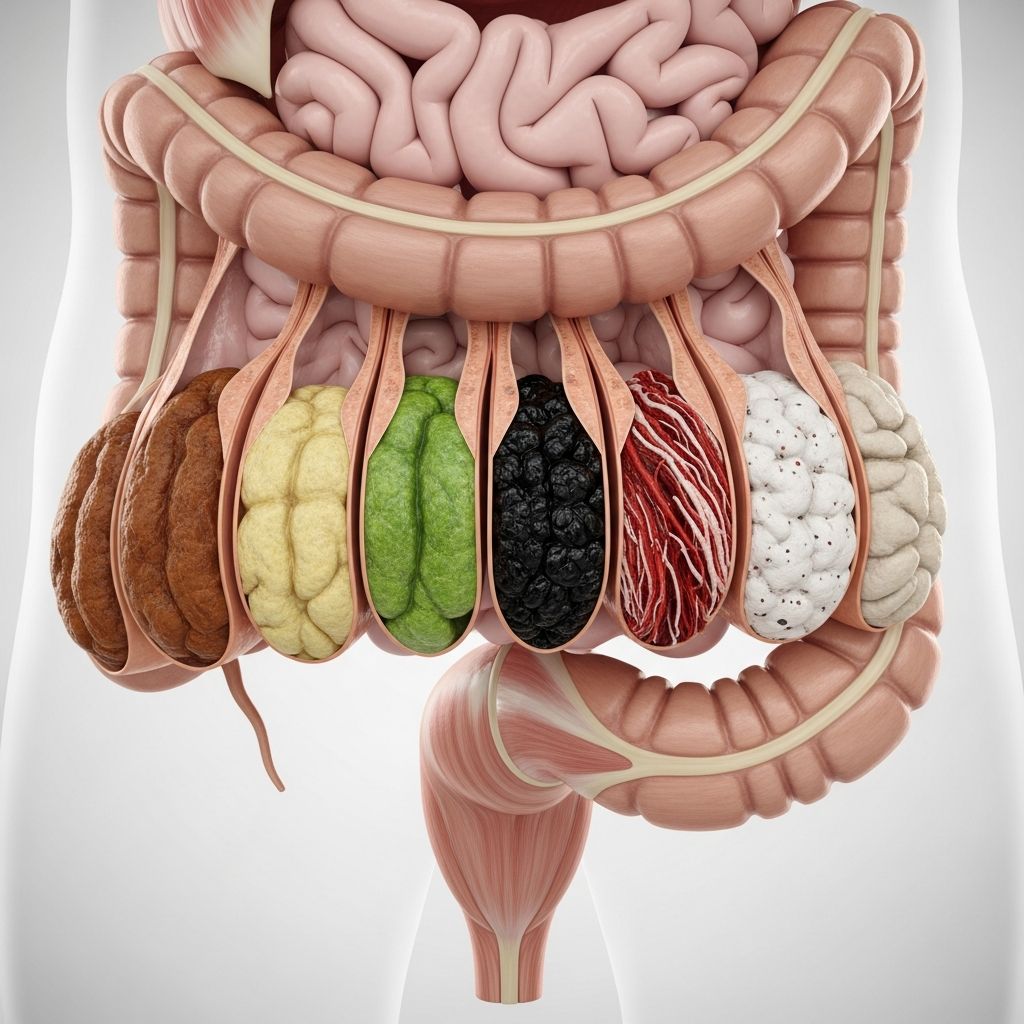
Stool Color Chart: What Different Colors Mean
Here’s a comprehensive guide to understanding what various stool colors might indicate:
| Poop Color | Common Food Causes | Potential Health Causes |
|---|---|---|
| Green | Green leafy vegetables (kale, spinach), green food coloring or dyes | Bacterial infections, irritable bowel syndrome (IBS), food passing through intestines too quickly |
| Red | Drinks or foods with red food coloring, tomato juice, beets, cranberries | Rectal bleeding (hemorrhoids, ulcers, fissures), inflammatory bowel disease |
| Black | Blueberries, dark leafy vegetables | Upper digestive bleeding, iron supplements, bismuth medications (Pepto-Bismol) |
| Gray, White, or Clay-Colored | Milk or dairy products (rare) | Liver problems, bile duct blockages, pancreas issues, gallbladder disease, anti-diarrheal medications |
| Yellow | Carrots, sweet potatoes, high-fat fried foods, foods with carotenoids | Excess fat in stool, pancreatitis, celiac disease |
Green Poop: Causes and When to Worry
Green stool is one of the most common color variations people notice. In most cases, it’s nothing to be alarmed about. Green poop frequently results from consuming green foods or foods containing green food coloring. Once these foods pass through your digestive system, your stool should return to its normal brown color.
Dietary causes of green poop include:
- Leafy green vegetables like kale and spinach
- Green food coloring in beverages or processed foods
- Artificial green dyes in candies or drinks
However, green stool can also indicate health concerns. Greenish stool could signal that you have a bacterial infection (such as salmonella or E. coli), a viral infection (like norovirus), or a parasite (such as Giardia). Food passing through your intestines too quickly—a condition sometimes associated with irritable bowel syndrome (IBS)—can also cause green poop. Additionally, certain medications may upset your stomach, resulting in bile-filled diarrhea that appears green.
Related Stories



If your green stool persists for more than a few days or is accompanied by symptoms like abdominal pain, fever, diarrhea, or vomiting, contact your healthcare provider.
Red Poop: When Bleeding May Be Involved
Red stool often causes alarm, and rightfully so—it can indicate bleeding in your digestive tract. However, it’s important to remember that not all red poop signals a serious problem. Red-colored foods and drinks can cause your stool to appear red without any health concerns involved.
Common food causes of red poop include:
- Drinks or foods with red food coloring
- Tomato juice or tomato-based products
- Beets
- Cranberries or cranberry juice
When red stool does indicate a health issue, it’s typically caused by bleeding in the lower digestive tract. Potential medical causes include:
- Hemorrhoids (internal or external)
- Anal fissures (small tears in the anal tissue)
- Rectal ulcers
- Inflammatory bowel disease (IBD)
Red poop accompanied by pain during bowel movements, visible blood, or persistent bleeding warrants a call to your healthcare provider. If you’ve consumed red-colored foods recently and the color normalizes within a day, there’s typically no cause for concern.
Black Poop: Understanding Dark Stools
Black or very dark stool can be alarming, but like other color variations, it often has an innocent explanation. Certain foods naturally produce dark-colored stool without any health implications.
Foods that commonly cause black poop include:
- Blueberries
- Dark leafy vegetables
- Other dark-colored berries
However, black stool can also indicate upper digestive tract bleeding, which is a more serious concern. Medical causes of black stool include:
- Upper gastrointestinal bleeding
- Iron supplements (which darken stool as a side effect)
- Bismuth medications like Pepto-Bismol
If your black stool coincides with taking iron supplements or Pepto-Bismol, there’s likely no cause for concern. However, if black stool appears without explanation, especially if accompanied by abdominal pain, vomiting, or signs of bleeding, seek medical attention promptly.
Clay-Colored, Gray, or White Poop
Light-colored stool—appearing white, gray, or clay-colored—is less common than other color variations but can signal more serious underlying conditions. While occasional pale stools may not be concerning, frequent pale stool should prompt a call to your healthcare provider.
Pale poop usually occurs when your liver doesn’t produce enough bile, often due to problems with your biliary system. This system includes your gallbladder, liver, and bile ducts, and its primary function is to make, store, and transfer bile throughout your body.
Health conditions associated with pale stool include:
- Bile duct blockages
- Gallstones
- Liver disease or cirrhosis
- Pancreatic problems
- Gallbladder disease
- Certain medications like anti-diarrheal drugs
Pale stool accompanied by jaundice (yellowing of the skin and eyes) and dark urine requires immediate medical attention, as these symptoms together may indicate a serious condition affecting your liver or bile ducts.
Yellow Poop: What It Means
Yellow stool often results from dietary factors rather than health concerns. Foods rich in carotenoids—natural pigments that give foods their yellow or orange hue—can temporarily color your stool yellow.
Common dietary causes of yellow poop include:
- Carrots and sweet potatoes
- Squash and other orange-yellow vegetables
- Turmeric and turmeric supplements
- High-fat foods like fried items
However, persistent yellow stool can indicate health issues. Potential medical causes include excess fat in your stool (steatorrhea), pancreatitis, or celiac disease. If yellow stool persists beyond a few days without dietary explanation, or if accompanied by other symptoms like abdominal pain, weight loss, or digestive issues, contact your healthcare provider.
When to Contact Your Healthcare Provider
While most stool color changes are harmless and temporary, certain situations warrant medical attention. You should reach out to your healthcare provider if:
- Your poop doesn’t return to brown within a few days
- Unusual stool color persists for several weeks
- Color changes occur frequently over time
- You experience unexplained weight loss alongside color changes
- You have abdominal pain or cramping
- You develop a fever
- You have diarrhea lasting more than a few days
- You notice blood in your stool or on toilet paper
- You experience rectal bleeding or pain during bowel movements
- You have pale stools accompanied by jaundice or dark urine
These “alarm features” deserve prompt medical attention to rule out underlying conditions that may need treatment.
How Your Healthcare Provider Diagnoses Stool Color Problems
If you’re concerned about your stool color, your healthcare provider will typically begin by gathering information about your symptoms, eating habits, and medical history. They’ll ask detailed questions to understand when the color change started, how long it’s lasted, and whether other symptoms are present.
After reviewing your history, your provider will likely perform a physical examination. Depending on their findings and your symptoms, they may order tests such as:
- Blood tests to check liver function
- Imaging studies like ultrasound or CT scans
- Stool samples to check for infections or parasites
- Endoscopy or colonoscopy for visual examination of your digestive tract
These tests help identify the underlying cause of unusual stool color and guide appropriate treatment recommendations.
Tips for Monitoring Your Stool Color
Paying attention to your bowel movements is a helpful way to monitor your digestive health. Here are some practical tips:
- Note the color, consistency, and frequency of your stool regularly
- Keep track of what you eat and observe any correlations with stool color changes
- Don’t panic if you notice an unusual color for a single day—it’s usually dietary
- Document symptoms like pain, fever, or diarrhea that accompany color changes
- Contact your healthcare provider if changes persist or are accompanied by concerning symptoms
- Keep a brief log if color changes happen frequently to share with your provider
Remember: There’s usually a very clear explanation for unusual stool colors, and in most cases, it involves something you’ve eaten. However, persistent or unexplained changes warrant professional evaluation.
Frequently Asked Questions About Stool Color
Q: Is green poop always a sign of illness?
A: No. Green poop is usually caused by eating green vegetables or green-colored foods and drinks. It becomes concerning only if it persists for more than a few days or is accompanied by other symptoms like fever, diarrhea, or abdominal pain.
Q: What should I do if my poop is red?
A: First, consider whether you’ve eaten red-colored foods like beets, tomatoes, or cranberries. If the color returns to normal after a day or two, there’s no cause for concern. However, if red stool persists, is accompanied by pain, or you notice actual blood, contact your healthcare provider.
Q: Does black stool always mean I’m bleeding?
A: Not necessarily. Blueberries, dark vegetables, iron supplements, and medications like Pepto-Bismol can all cause black stool. However, if black stool appears without dietary or medication explanation, or with abdominal symptoms, seek medical evaluation.
Q: How long should I wait before seeing a doctor about unusual stool color?
A: If unusual stool color persists for more than a few days without dietary explanation, or if it’s accompanied by concerning symptoms like pain, fever, or bleeding, contact your healthcare provider promptly.
Q: Can medications affect stool color?
A: Yes. Iron supplements, bismuth-containing medications like Pepto-Bismol, and certain anti-diarrheal medications can all affect stool color. If you’re taking medications and notice color changes, mention this to your healthcare provider.
Q: Is it normal for stool color to vary day to day?
A: Minor variations in brown shades are normal and typically reflect natural fluctuations in bile levels and dietary factors. However, if you notice dramatic color swings over several days, it may warrant medical evaluation.
Q: What should I tell my doctor about my stool color?
A: Provide details about when the color change started, how long it’s lasted, the specific color observed, any accompanying symptoms, recent dietary changes, and current medications. This information helps your provider make an accurate diagnosis.
References
- What Does My Stool (Poop) Color Mean? — Cleveland Clinic. 2024. https://my.clevelandclinic.org/health/articles/stool-poop-color
- Can Food Change the Color of Your Poop? — Cleveland Clinic Health. 2024. https://health.clevelandclinic.org/how-your-diet-can-affect-your-poop-color
- Clay Colored Stool (Pale Stool) — Cleveland Clinic. 2024. https://my.clevelandclinic.org/health/symptoms/clay-colored-or-pale-stool
- 5 Reasons Why Your Poop Is Green — Cleveland Clinic Health. 2024. https://health.clevelandclinic.org/green-poop
- Yellow Diarrhea: Meaning and Causes — Cleveland Clinic Health. 2024. https://health.clevelandclinic.org/yellow-diarrhea
Similar Articles








Read full bio of Sneha Tete