Stop Eye Twitching: 5 Simple Remedies That Work
Discover effective ways to end annoying eye twitches with simple lifestyle tweaks and medical options for lasting relief.
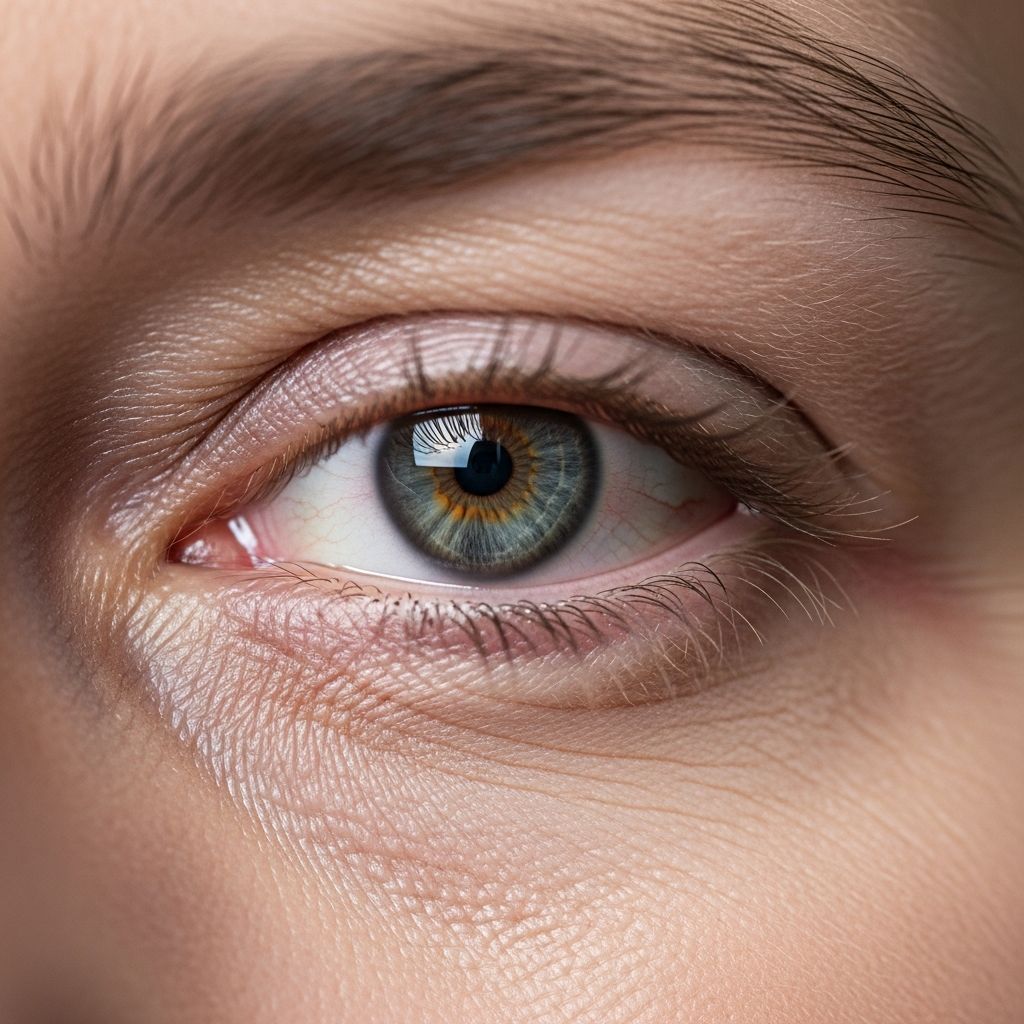
Eyelid twitching, medically termed myokymia, involves involuntary muscle contractions in the eyelid that can range from mild flutters to persistent spasms. Most cases stem from everyday factors and resolve without intervention, but understanding the triggers empowers effective management.
Understanding the Phenomenon of Eyelid Spasms
These spasms typically affect the upper eyelid but can involve the lower one too. They arise from overactive nerves signaling muscles to contract repeatedly. While rarely painful, frequent twitching disrupts focus and daily activities, prompting many to seek solutions. Simple myokymia represents the benign form, distinct from more serious conditions like benign essential blepharospasm, which impacts both eyes bilaterally.
Primary Triggers Behind Eye Twitching
Several lifestyle and environmental elements commonly provoke these spasms. Identifying personal triggers is key to prevention.
- Stress and Anxiety: Elevated cortisol levels from chronic stress heighten nerve excitability, leading to muscle twitches.
- Fatigue or Insufficient Sleep: Sleep deprivation fatigues the nervous system, making eyelids prone to spasms.
- Excessive Caffeine Intake: Stimulants like coffee overstimulate nerves, exacerbating twitching.
- Eye Strain from Screens: Prolonged digital device use causes ‘computer vision syndrome,’ irritating eye muscles.
- Dry Eyes and Irritation: Insufficient tear production or environmental factors like wind lead to surface irritation and spasms.
Other contributors include alcohol overuse, smoking, allergies, and nutritional gaps in magnesium or electrolytes, all disrupting muscle function.
Rarer Medical Conditions Linked to Twitching
While uncommon, persistent twitching may signal underlying issues. Hemifacial spasm occurs when a blood vessel compresses the facial nerve, causing unilateral facial and eye movements. Benign essential blepharospasm involves forceful bilateral closures, often in older adults, potentially interfering with vision. Neurological disorders like multiple sclerosis, Parkinson’s, or brain stem damage can manifest as twitching alongside other symptoms.
| Condition | Key Features | Affected Area |
|---|---|---|
| Simple Myokymia | Temporary, mild spasms | Single eyelid |
| Hemifacial Spasm | Persistent, one-sided | Face and eye |
| Benign Essential Blepharospasm | Forceful closures | Both eyes |
Distinguishing these requires professional evaluation, especially if twitching lasts weeks or spreads.
Everyday Strategies to Alleviate Twitching
Most episodes respond to simple adjustments. Start with these evidence-based steps for rapid improvement.
- Prioritize Sleep: Aim for 7-9 hours nightly to restore nerve balance.
- Reduce Stimulants: Limit caffeine to under 400mg daily and moderate alcohol.
- Manage Stress: Practice deep breathing, meditation, or yoga to lower tension.
- Follow the 20-20-20 Rule: Every 20 minutes, gaze 20 feet away for 20 seconds to ease strain.
- Stay Hydrated: Drink ample water to prevent dehydration-induced spasms.
These changes often halt twitching within days by addressing root irritants.
Home Remedies for Immediate Relief
When spasms strike, targeted self-care provides quick solace.
- Warm Compress: Apply a clean, warm cloth for 5-10 minutes to relax muscles.
- Gentle Massage: Use fingertips to softly circle the eyelid, promoting circulation.
- Artificial Tears: Over-the-counter drops lubricate dry eyes, reducing irritation.
- Cold Compress: Alternate with warm for inflammation from allergies.
- Conscious Blinking: Intentionally blink slowly to reset muscle activity.
Nutritional boosts like magnesium-rich foods (nuts, spinach) or electrolyte drinks support muscle health long-term.
Professional Interventions for Stubborn Cases
If home efforts fail after two weeks, consult an ophthalmologist. They assess for irritants like blepharitis or corneal abrasions via exam.
Related Stories



- Prescription Drops: Antibiotics or anti-inflammatories treat infections or allergies.
- Botulinum Toxin Injections: Botox paralyzes overactive muscles, offering 3-4 months relief for blepharospasm or spasms.
- Surgical Options: Myectomy removes problematic eyelid muscles/nerves in severe, refractory cases.
Neurological referrals probe rare systemic causes.
Preventing Recurrence Through Lifestyle Optimization
Proactive habits minimize future episodes. Maintain screen filters, humidifiers for dry air, and allergy management. Balanced diets with B-vitamins and potassium fortify nerves. Regular eye exams catch issues early.
Warning Signs Necessitating Urgent Care
Seek immediate help if twitching:
- Persists beyond 2-3 weeks
- Closes the eye fully or spreads to face
- Accompanies vision loss, drooping, or redness
- Occurs with headaches or neurological symptoms.
These may indicate hemifacial spasm or blepharospasm requiring prompt intervention.
Frequently Asked Questions (FAQs)
Is eye twitching a sign of something serious?
Usually not; it’s often benign from lifestyle factors. Persistent cases warrant checking for conditions like blepharospasm.
How long does eye twitching typically last?
Minutes to days for simple cases; weeks if triggered by ongoing stress or dryness.
Does caffeine really cause eye twitching?
Yes, excess stimulates nerves; cutting back resolves many instances.
Can dry eyes trigger spasms?
Absolutely; lubrication with drops often stops it.
When should I see a doctor for twitching?
If it doesn’t improve with rest/stimulant reduction or affects vision.
Eye twitching, though irritating, is manageable with awareness and action. Most find relief through basic tweaks, ensuring clear, spasm-free vision.
References
- What Are The Causes & Treatments for Eye Twitching? — Coastal Eye Surgeons. 2023. https://www.coastaleyesurgeons.com/blog/what-are-the-causes-treatments-for-eye-twitching/
- Eyelid Twitch: Causes, Treatments, and Prevention — Healthline. 2023. https://www.healthline.com/health/eyelid-twitch
- Eye Twitching: 8 Causes, Treatments And Prevention — Dr. Shonah. 2023. https://drshonah.ca/eye-twitching-8-causes-treatments-and-prevention/
- Eye Twitching Symptoms & Causes | Blepharospasm — CVS MinuteClinic. 2023. https://www.cvs.com/minuteclinic/symptoms/eye-twitching
- Twitching Eyelid Causes & Symptoms – Ophthalmology — UCLA Health. 2023. https://www.uclahealth.org/medical-services/ophthalmology/eye-signs-and-symptoms/twitching-eyelid
- Eye Twitching — UMass Memorial Health. 2023. https://www.ummhealth.org/health-library/eye-twitching-0
- Eye Twitching: Causes, Associated Conditions & Treatment — Cleveland Clinic. 2023. https://my.clevelandclinic.org/health/symptoms/17663-eye-twitching
Similar Articles








Read full bio of medha deb