Stop Scratching Eczema: Expert Strategies For Lasting Relief
Effective strategies to break the itch-scratch cycle and soothe eczema-prone skin for lasting relief.
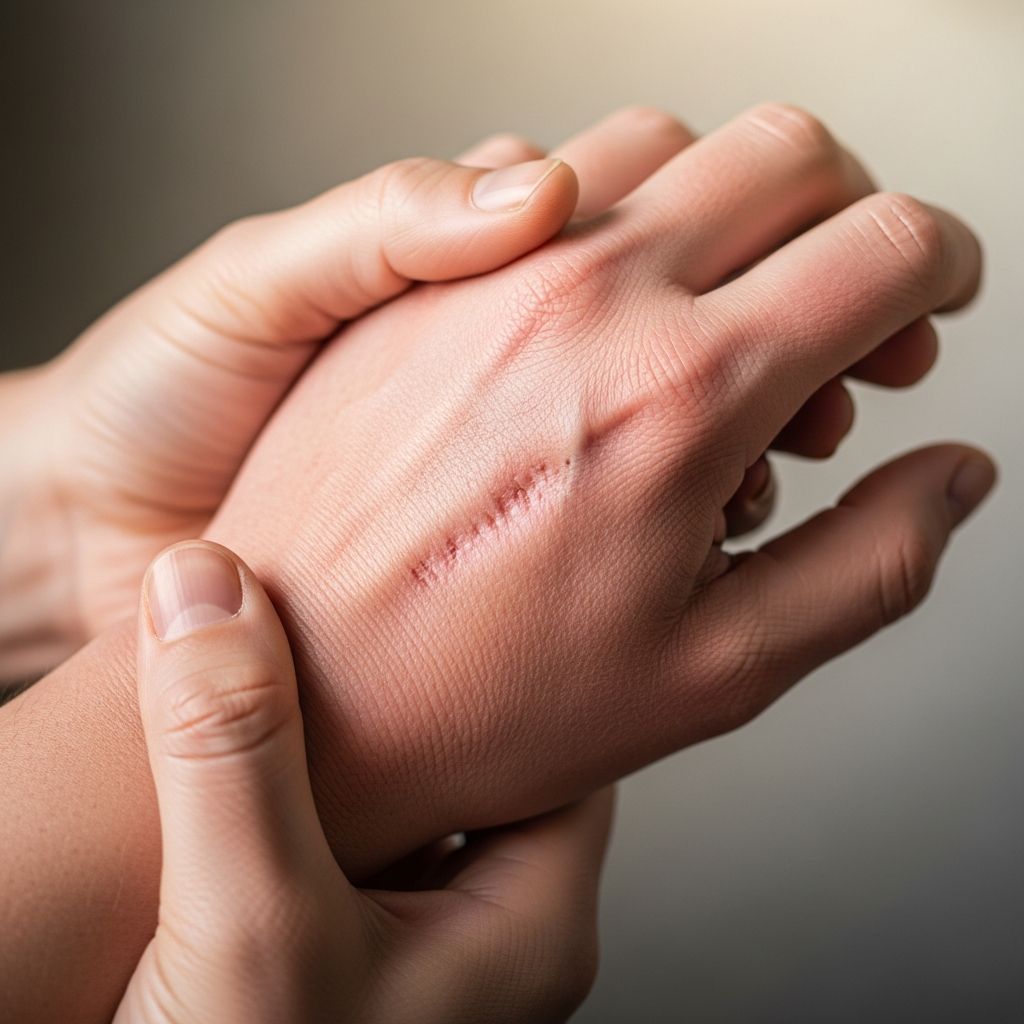
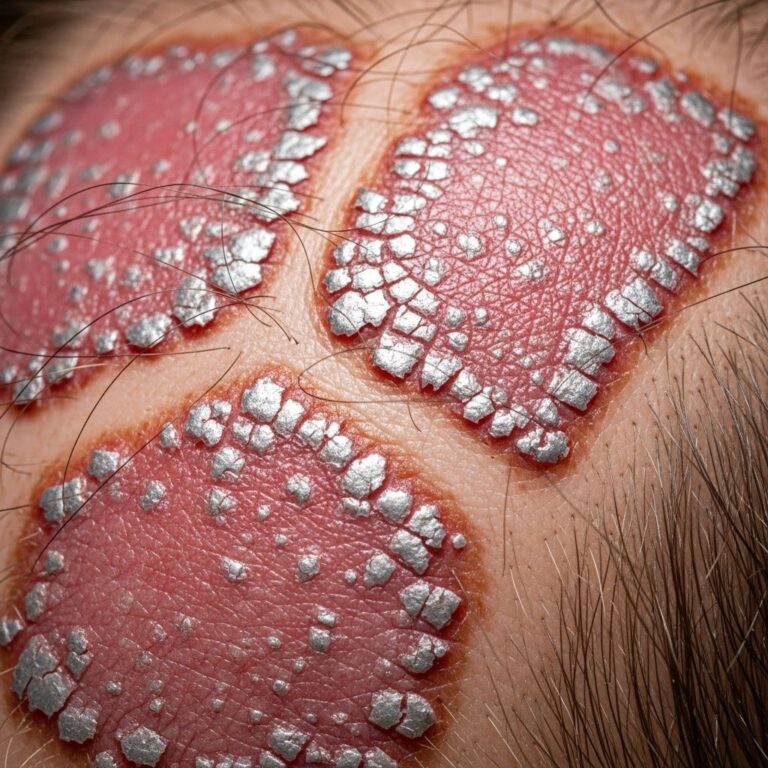
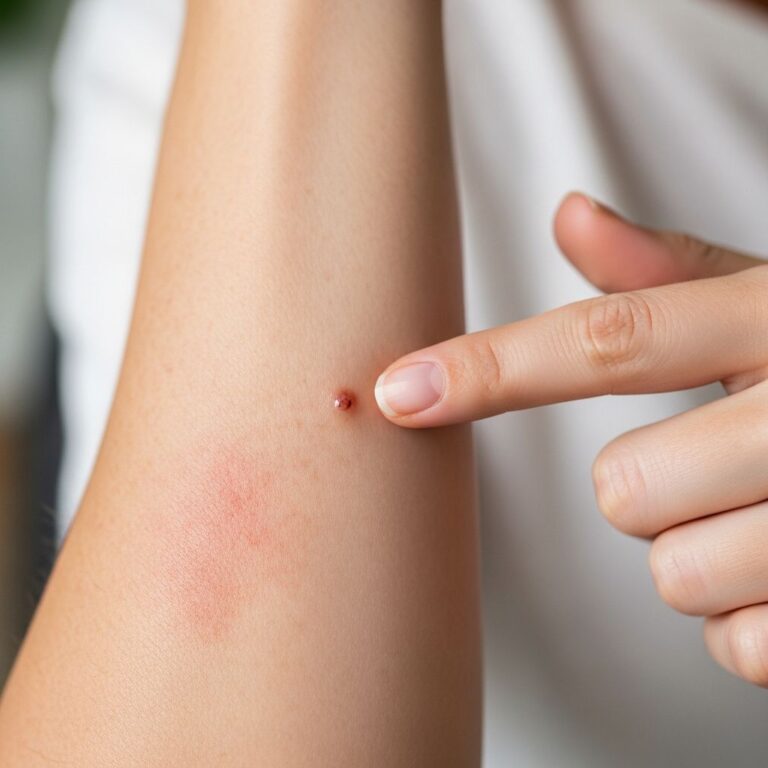
Eczema, also known as atopic dermatitis, is a chronic skin condition characterized by dry, red, and intensely itchy skin. The urge to scratch provides momentary relief but perpetuates a vicious cycle, leading to worsened inflammation, skin damage, and increased risk of infection. Breaking this itch-scratch cycle is essential for managing symptoms and preventing flare-ups. This article explores practical, evidence-based strategies drawn from dermatologist recommendations to help you regain control over your skin health.
Understanding the Itch-Scratch Cycle
The itch-scratch cycle begins when eczema compromises the skin’s barrier function, allowing irritants and allergens to penetrate and trigger intense itching. Scratching further damages the skin, releasing inflammatory mediators that heighten sensitivity and itchiness. According to dermatological guidelines, addressing this cycle requires a multifaceted approach: restoring the skin barrier, minimizing triggers, and employing itch-relief techniques. Daily habits like proper moisturizing and environmental adjustments form the foundation of effective management.
Moisturize Daily to Restore the Skin Barrier
Consistent moisturizing is the cornerstone of eczema care. Thick emollients such as petrolatum-based ointments create a protective barrier, locking in moisture and shielding against irritants. Dermatologists recommend applying moisturizer immediately after bathing—within three minutes—while skin is still damp to maximize hydration. For persistent flare-ups, opt for fragrance-free products with the National Eczema Association Seal of Acceptance. Studies show that proactive daily application can reduce flare frequency by up to 50%.
- Choose ointments over lotions for severe dryness, as they contain less water and provide superior occlusion.
- Apply at least twice daily, using a liberal amount—like a shot glass for an adult’s body.
- Incorporate ceramide-rich creams to repair the skin’s lipid barrier.
Choose Breathable, Gentle Fabrics
Fabrics play a critical role in eczema management. Rough, synthetic materials like polyester trap heat and moisture, exacerbating irritation, while breathable options promote airflow and reduce sweating. Opt for 100% cotton, linen, silk, or bamboo, which are soft and hypoallergenic. Loose-fitting garments prevent friction and allow skin to breathe, minimizing flare triggers.
- Avoid wool, nylon, and acrylic, known for their itch-inducing textures.
- Layer lightweight clothing to regulate temperature, especially in variable climates.
- Remove all tags and labels, as they can rub against sensitive areas.
Optimize Your Laundry Routine
Residues from detergents, dyes, and manufacturing chemicals can linger on clothing, provoking eczema flares. Wash new clothes before first wear to eliminate these irritants. Use only fragrance-free, dye-free detergents formulated for sensitive skin—distinguishing them from ‘unscented’ products that may mask fragrances. Skip fabric softeners, dryer sheets, and bleach, which deposit irritating residues.
Wash clothes after every use to prevent buildup of dead skin cells and allergens. Dry indoors on racks if possible, avoiding outdoor lines exposed to pollen and pollutants. These steps can significantly cut down on contact dermatitis from laundry products.
Home Remedies for Immediate Itch Relief
Related Stories



When itch strikes, quick interventions can interrupt the cycle without medication. The American Academy of Dermatology endorses several at-home techniques for temporary relief, emphasizing their role alongside long-term control.
Cool Compresses
Apply a damp, cool washcloth to itchy areas for 10-15 minutes. The cold numbs nerve endings, reducing itch signals to the brain. Follow with moisturizer to seal in hydration. This method is safe for all ages and provides rapid, non-invasive relief.
Colloidal Oatmeal Baths
Colloidal oatmeal, finely ground oats, disperses in water to form a soothing colloid that relieves dryness and inflammation. Add to lukewarm bathwater (not hot, to avoid drying skin), soak for 10-15 minutes, pat dry gently, and moisturize promptly. Safety note: Supervise children to prevent slips, and avoid ingestion.
Bleach Baths for Infection Prevention
For eczema prone to bacterial overgrowth, dilute household bleach baths (1/2 cup in a full tub) can mimic the skin’s natural defenses. Use twice weekly under medical guidance to reduce Staph aureus colonization, a common flare aggravator.
Behavioral Techniques to Curb Scratching
Distraction and stress reduction are powerful tools, as anxiety amplifies itch perception. Engage in activities like reading, puzzles, or gentle play to divert attention—especially effective for children. Gentle pinching or tapping near (not on) itchy patches disrupts itch signals via the gate control theory of pain. Keep nails short and cover skin with soft mittens or sleeves during sleep to limit unconscious scratching.
Avoid common pitfalls: Scolding for scratching increases stress and worsens flares; anti-itch creams often contain irritants like calamine that provoke more itching.
Lifestyle Adjustments for Flare Prevention
| Trigger | Strategy | Benefit |
|---|---|---|
| Sweat/Overheating | Wear layers; stay cool | Reduces moisture buildup |
| Harsh Soaps | Use gentle, soap-free cleansers | Preserves skin pH |
| Stress | Mindfulness, exercise | Lowers cortisol-driven flares |
| Dry Air | Humidifier | Maintains 40-60% humidity |
These adjustments address environmental factors holistically, supporting pharmacological treatments.
Advanced Treatments: When to See a Dermatologist
If home strategies fail, professional intervention is key. Dermatologists may prescribe topical corticosteroids, calcineurin inhibitors, or PDE4 inhibitors for inflammation control. Phototherapy uses controlled UV light to modulate immune response. For severe, refractory cases, biologics like dupilumab target specific itch pathways, offering transformative relief. Early specialist care prevents complications like eczema herpeticum.
Frequently Asked Questions (FAQs)
Why does scratching eczema make it worse?
Scratching damages the skin barrier, introduces bacteria, and releases inflammatory chemicals, intensifying the itch in a feedback loop.
How often should I moisturize with eczema?
At minimum twice daily, plus after every bath or handwashing, using thick ointments for best results.
Are oatmeal baths safe for babies with eczema?
Yes, when prepared correctly in lukewarm water; always supervise to prevent slips and apply moisturizer post-bath.
What fabrics are best for eczema clothing?
Cotton, bamboo, silk, and linen; avoid synthetics and wool for breathability and softness.
Can stress really trigger eczema flares?
Yes, stress hormones like cortisol impair skin barrier function and heighten itch sensitivity.
Long-Term Management Plan
Combine these strategies into a ‘skin care routine’: Cleanse gently, moisturize proactively, dress smartly, and monitor triggers via a diary. Consistency yields results—patients following structured plans report 70% fewer flares. Consult a provider for personalized plans, especially with comorbidities like asthma.
Empower yourself with knowledge: Eczema is manageable, not a life sentence. Persistent symptoms warrant evaluation to rule out secondary infections or allergies.
References
- Have an Eczema Flare Up? 9 Easy Tips to Stop Scratching — UVA Health. 2023. https://www.uvahealth.com/healthy-balance/eczema-flare-up-9-tips-to-stop-scratching/
- Home remedies: What can relieve itchy eczema? — American Academy of Dermatology (AAD). 2024-10-15. https://www.aad.org/public/diseases/eczema/childhood/itch-relief/home-remedies
- Guidelines of care for the management of atopic dermatitis: Part 4 — Journal of the American Academy of Dermatology (Sidbury R et al.). 2014-07. https://doi.org/10.1016/j.jaad.2014.05.048
Similar Articles








Read full bio of medha deb