Stopping Birth Control: 6 Expert Transition Tips
What to expect when discontinuing birth control: effects on periods, fertility, mood, and how to transition safely.
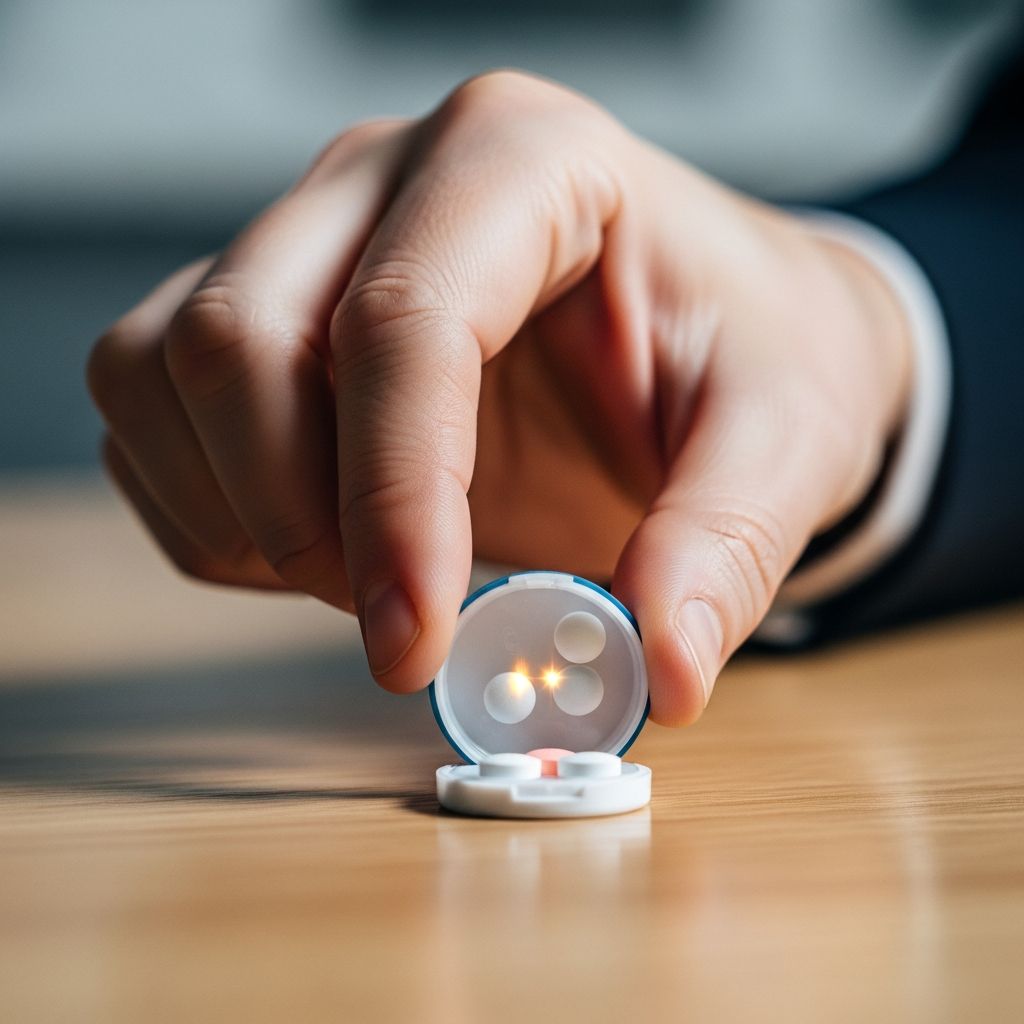
Discontinuing birth control is a common decision for many people, whether to pursue pregnancy, alleviate side effects, or explore non-hormonal options. While most individuals resume normal fertility and cycles within months, the transition can bring temporary changes like irregular periods, acne flare-ups, and mood swings as hormone levels readjust.
What Happens When You Stop Birth Control
Birth control methods, especially hormonal ones, regulate estrogen and progesterone levels to prevent ovulation and stabilize cycles. Stopping them allows your body to revert to its natural hormonal rhythm, which can take 1-3 months or longer depending on the method and individual factors. Common effects include breakthrough bleeding, heavier or lighter periods, and potential delays in fertility return, though 80-90% conceive within a year.
- Menstrual irregularities: Expect spotting, missed periods, or heavier flow as ovulation resumes.
- Hormonal acne: Increased androgens may trigger breakouts, often resolving in 3-6 months.
- Mood fluctuations: Drops in synthetic hormones can mimic PMS or exacerbate underlying conditions like PMDD.
- Weight and libido changes: Some notice shifts, though evidence is mixed and often tied to lifestyle.
These symptoms, sometimes called “post-birth control syndrome,” are temporary for most but warrant monitoring if persistent.
Reasons to Stop Birth Control
People stop birth control for diverse reasons, each influencing the approach to discontinuation.
- Trying to conceive: Fertility typically returns quickly, with studies showing 83% pregnancy rates within 12 months post-cessation.
- Side effects: Mood swings, headaches, nausea, or decreased libido prompt many to quit or switch methods.
- Health concerns: Interactions with medications or risks like blood clots may necessitate stopping.
- Lifestyle changes: Desire for hormone-free options like condoms or fertility awareness.
- Perimenopause or menopause: Older users may transition off as natural cycles wind down.
Consult a healthcare provider to align stopping with your goals and health history.
Effects on Your Menstrual Cycle
Your period may not return immediately or predictably. Combined pills often lead to withdrawal bleeding within days, while progestin-only methods or shots can delay it for weeks to months.
| Method | Time to First Period | Common Cycle Changes |
|---|---|---|
| Pill/Patch/Ring | 1-4 weeks | Irregular, heavier/lighter |
| Shot | 3-9 months | Prolonged amenorrhea |
| IUD/Implant | Days to weeks | Spotting then normalization |
Track cycles with apps; if absent after 3 months, seek evaluation for conditions like PCOS.
Fertility After Stopping Birth Control
Fertility rebounds to pre-contraceptive levels for most. Myths of permanent damage are unfounded; however, longer-acting methods like Depo-Provera may delay ovulation.
- Short-acting (pill, patch): Ovulation resumes in 2-3 weeks.
- Long-acting (shot, implant): Up to 18 months for full return in rare cases.
- Age factor: Over 35? Fertility declines naturally, so plan promptly.
Pregnancy chances match general population: 85% within a year. Preconception checkups optimize outcomes.
Related Stories



Side Effects After Stopping Birth Control
As hormones fluctuate, various symptoms may emerge or resurface.
Acne and Skin Changes
Hormonal acne peaks 1-3 months post-stop due to rising androgens. Use gentle skincare; severe cases may need dermatologist input.
Mood Swings and Mental Health
Estrogen withdrawal can heighten anxiety or depression, especially with PMDD history. Lifestyle tweaks like exercise and sleep help; therapy if needed.
Weight Fluctuations
Minimal direct link, but water retention or appetite shifts occur. Balanced diet prevents gains.
Libido and Sex Drive
Many report boosts as testosterone rises, though some experience dips during adjustment.
Breast Tenderness and Cramps
Return of natural cycles often brings PMS-like symptoms, easing over time.
How to Stop Different Types of Birth Control
Methods vary in discontinuation ease.
- Pills (combined/mini): Stop anytime; finish pack optional for cycle stability.
- Patch/Ring: Remove immediately; backup contraception advised.
- Shot (Depo-Provera): Effects linger 3-9 months; no reversal, wait it out.
- Implant: Doctor removes in office; fertility returns swiftly.
- IUD (hormonal/copper): Provider extracts; spotting common initially.
- Barrier methods: Discard anytime, no hormonal effects.
Always use backup if avoiding pregnancy.
Tips for Transitioning Off Birth Control
Smooth the process with proactive steps.
- Consult OB-GYN for personalized plan.
- Track symptoms via journal or app.
- Boost nutrition: Omega-3s, vitamins for hormone balance.
- Exercise regularly to regulate mood and cycles.
- Stress management: Yoga, meditation.
- Consider seed cycling or herbal supports (with doctor approval).
If symptoms persist beyond 6 months, test for thyroid or PCOS.
When to See a Doctor
Seek care if: no period after 3 months, severe pain/bleeding, depression, or fertility struggles after 6-12 months. Early intervention prevents complications.
Frequently Asked Questions (FAQs)
Can you stop birth control at any time?
Yes, most methods allow immediate stopping, but long-acting ones require professional removal. Use backup contraception post-hormonal methods.
How long after stopping birth control can you get pregnant?
Often within weeks for pills; up to months for shots. Overall, fertility matches pre-use levels.
Does stopping birth control cause weight gain?
Not directly; fluctuations are temporary and lifestyle-influenced.
Will my acne go away after stopping birth control?
It may worsen initially then improve; treat as needed.
Is post-birth control syndrome real?
Symptoms are common but not a formal diagnosis; most resolve naturally.
References
- Going Off Birth Control: Effects on Periods, Fertility, and More — Healthline. 2023-05-15. https://www.healthline.com/health/birth-control/going-off-birth-control
- Things That May Happen After Stopping Birth Control — WebMD. 2024-02-20. https://www.webmd.com/sex/birth-control/stopping-pill-10-ways-body-changes
- Stopping birth control: Side effects and remedies — Medical News Today. 2023-11-10. https://www.medicalnewstoday.com/articles/stopping-birth-control
- Contraceptive Use in the United States — CDC National Center for Health Statistics. 2023-08-01. https://www.cdc.gov/nchs/data/series/sr_10/sr10_370.pdf
- Fertility Awareness-Based Methods of Family Planning — American College of Obstetricians and Gynecologists (ACOG). 2024-01-15. https://www.acog.org/clinical/clinical-guidance/committee-opinion/articles/2018/05/fertility-awareness-based-methods-of-family-planning
Similar Articles








Read full bio of Sneha Tete