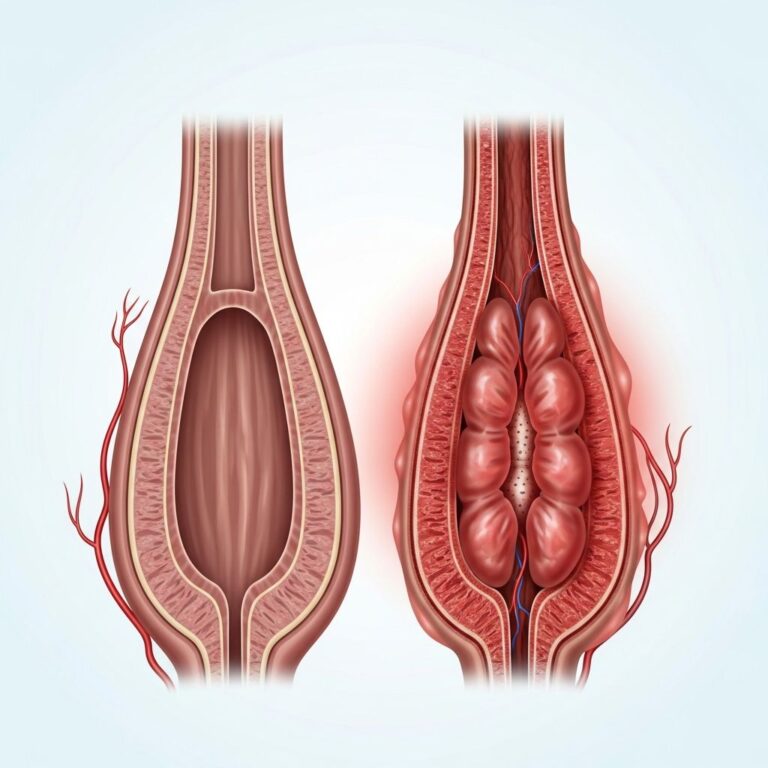
Strabismus: What You Need To Know About Causes And Treatment
Discover the causes, symptoms, diagnosis, and effective treatments for strabismus, the common eye condition affecting alignment in children and adults.

Strabismus involves the eyes not pointing in the same direction, leading to one eye focusing on a target while the other drifts. This misalignment affects about 4% of the population and can occur in children or adults, potentially causing vision issues if not addressed early.
Understanding the Basics of Eye Alignment Disorders
The human visual system relies on six extraocular muscles per eye to coordinate movements and maintain alignment. When these muscles or their nerve controls fail to synchronize, strabismus develops. Normally, eyes work as a team for binocular vision, enabling depth perception through stereopsis. Disruption leads the brain to suppress input from the misaligned eye, risking amblyopia or lazy eye.
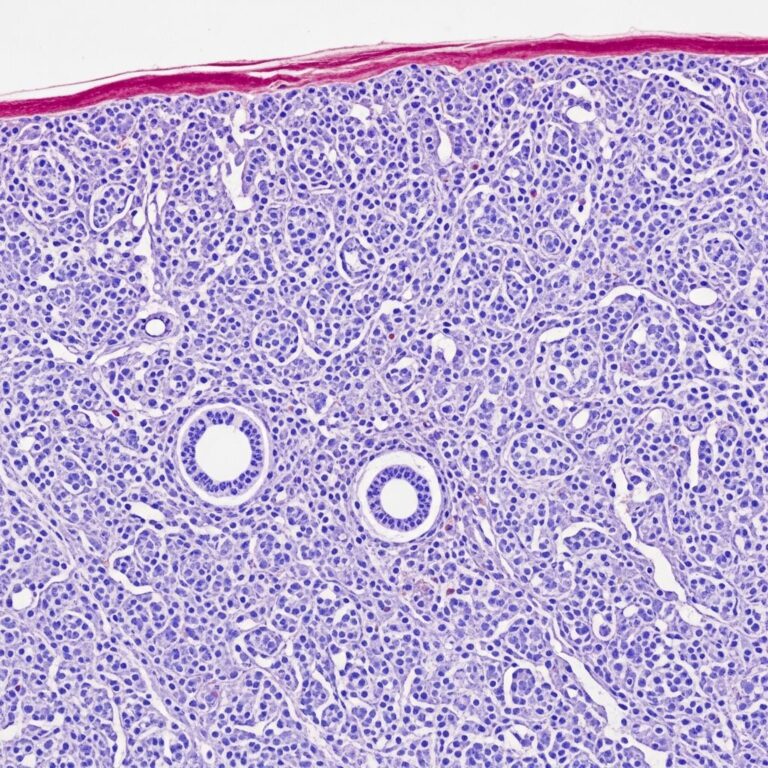
Transmission electron microscopy studies reveal structural changes in strabismic muscles, including myofibril degeneration and mitochondrial clustering, highlighting neuromuscular roots. Early intervention is key, as binocular coordination stabilizes around 3 months in infants.
Common Forms of Strabismus
Strabismus manifests in various directions and patterns:
- Esotropia: Inward deviation, often called crossed eyes, prevalent in young children.
- Exotropia: Outward drift, or wall-eyed, which may worsen with fatigue or bright light.
- Hypertropia: Vertical upward shift of one eye relative to the other.
- Hypotropia: Downward misalignment.
Deviations can be constant, intermittent, unilateral, or alternating. Pattern types like V-pattern involve greater separation in upgaze. Congenital forms appear at birth, while acquired ones develop later due to illness or trauma.
Recognizing Symptoms in Daily Life
Visible eye turn is the hallmark sign, but subtler indicators include:
- Head tilting or turning to compensate for misalignment.
- Double vision (diplopia), especially alarming if sudden in adults.
- Headaches, eye strain, and fatigue during reading.
- Closure of one eye in sunlight or difficulty with near tasks.
- Reduced depth perception, leading to clumsiness.
In children, parents may notice squinting or bumping into objects. Untreated cases foster amblyopia, permanent vision loss in the weaker eye.
Factors Contributing to Strabismus Development
Causes span genetic, refractive, and neurological origins:
| Type | Description | Examples |
|---|---|---|
| Refractive | Uncorrected farsightedness strains focusing | Hyperopia leading to accommodative esotropia |
| Neuromuscular | Muscle or nerve dysfunction | Cranial nerve palsies, Down syndrome |
| Infantile | Present before 6 months | Idiopathic, resolves spontaneously in some |
| Sensory | Poor vision in one eye | Cataract or retinoblastoma |
Family history increases risk, and conditions like cerebral palsy correlate strongly.
Diagnostic Approaches for Accurate Assessment
Eye specialists use clinical exams:
- Visual acuity testing and cover-uncover test to detect movement.
- Hirschberg test measures light reflection for deviation angle.
- Prism tests quantify misalignment via versions and ductions.
- Dilating drops reveal refractive errors; fundoscopy checks retina.
Related Stories



Neurological evaluation rules out brain issues if sudden onset. Monofixation syndrome shows no recovery movement under prism.
Non-Surgical Management Strategies
Conservative options often suffice for mild cases:
- Corrective Lenses: Glasses address refractive errors, aligning eyes in accommodative esotropia.
- Patching: Covers stronger eye to strengthen amblyopic one, gold standard.
- Prism Lenses: Bend light to reduce double vision without surgery.
- Vision Therapy: Exercises enhance eye teaming, focusing, and neuroplasticity for lasting improvement.
Topical agents like atropine drops penalize the better eye.
Surgical Interventions for Persistent Cases
When non-surgical methods fail, surgery adjusts muscle tension:
- Recession weakens overactive muscles by repositioning.
- Resection shortens slack muscles.
- Bilateral procedures for alternating strabismus.
For exotropia, lateral rectus recession corrects divergence. V-patterns require vertical displacements. Success rates are high with early timing, though adjustments may be needed.
Potential Complications and Long-Term Outlook
Neglect risks permanent amblyopia, lost binocular vision, and psychosocial effects like low self-esteem. Early treatment yields excellent prognosis; post-8 years, amblyopia fixes harder. Adults may face diplopia post-correction but gain better alignment. Regular follow-ups ensure stability.
Preventive Measures and Family Guidance
Screen infants at well-child visits. Prompt refractive correction prevents progression. Educate on sunlight avoidance triggers for intermittent cases. Genetic counseling aids high-risk families.
Frequently Asked Questions (FAQs)
Can strabismus resolve without treatment?
Some infantile cases self-correct by 3 months, but persistent deviation needs evaluation.
Is strabismus surgery painful?
Performed under anesthesia, with minimal post-op discomfort managed by drops.
Does strabismus affect learning?
Yes, via reading fatigue and poor depth perception; therapy improves outcomes.
How common is strabismus in adults?
Less than children but can arise from thyroid disease or stroke.
Can vision therapy cure strabismus?
It improves alignment and binocularity in many, especially convergence issues.
This guide empowers informed decisions. Consult an ophthalmologist for personalized care.
References
- What Is Strabismus (Crossed-Eyes)? — Optometrists.org. 2023. https://www.optometrists.org/childrens-vision/a-guide-to-eye-turns/strabismus-crossed-eyes/
- Strabismus (Misaligned Eyes) — Bascom Palmer Eye Institute, University of Miami Health. 2024. https://umiamihealth.org/en/bascom-palmer-eye-institute/specialties/strabismus-(misaligned-eyes)
- Strabismus Explained: A Comprehensive Guide for Patients — Optical Academy. 2023. https://optical-academy.com/blog/strabismus-explained-a-comprehensive-guide-for-patients/
- Strabismus – StatPearls — NCBI Bookshelf, National Library of Medicine. 2023-10-01. https://www.ncbi.nlm.nih.gov/books/NBK560782/
- Strabismus – Pediatrics — Merck Manual Professional Edition. 2024. https://www.merckmanuals.com/professional/pediatrics/eye-defects-and-conditions-in-children/strabismus
Similar Articles








Read full bio of Sneha Tete