Strabismus in Older Adults: Diagnosis and Care
Discover effective strategies for identifying and managing eye misalignment in seniors, improving vision and quality of life through targeted interventions.
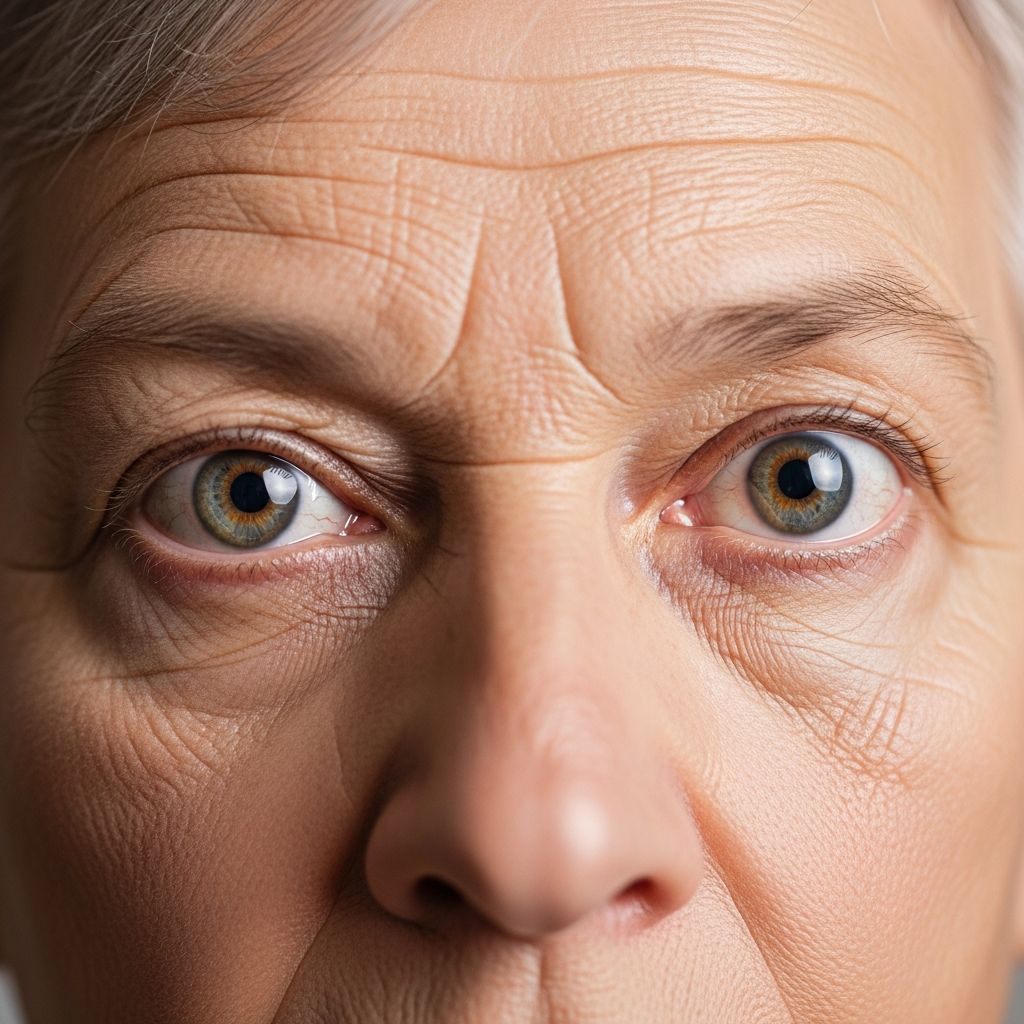
Strabismus, characterized by the misalignment of the eyes, becomes increasingly prevalent among seniors, often leading to double vision and reduced visual comfort. Effective management in this age group focuses on restoring alignment to enhance daily functioning and prevent complications like falls.
Understanding Eye Misalignment in the Aging Population
As people age, changes in eye muscle function and nerve control can cause the eyes to drift out of sync. This condition, known as strabismus, disrupts binocular vision, where both eyes work together to create a single, clear image. In seniors, it frequently manifests as diplopia, or double vision, which can impair reading, driving, and navigating environments safely.
Unlike childhood strabismus, which often stems from developmental issues, adult-onset cases in older individuals may result from muscle weakening, prior injuries, or neurological shifts. These factors contribute to a higher incidence, affecting quality of life profoundly by limiting independence.
Common Signs and Symptoms to Watch For
Recognizing strabismus early in seniors is crucial for timely intervention. Key indicators include:
- Persistent double vision, especially when focusing on distant objects.
- Head tilting or turning to compensate for misalignment.
- Eye strain, headaches, or fatigue after visual tasks.
- Difficulty with depth perception, increasing fall risks.
- Noticeable inward (esotropia) or outward (exotropia) eye deviation.
These symptoms can mimic other age-related issues like cataracts or macular degeneration, underscoring the need for specialized evaluation.
Comprehensive Diagnostic Approaches
Diagnosis begins with a detailed eye examination by an ophthalmologist specializing in strabismus. The process involves:
- Cover-uncover test: Alternately covering each eye to detect movement, confirming misalignment.
- Ocular motility assessment: Evaluating eye movement range in all directions to identify muscle weaknesses.
- Prism measurement: Quantifying deviation angle using prisms for precise deviation sizing.
- Visual acuity and fusion checks: Testing clarity and ability to merge images from both eyes.
Additional imaging or neurological consults may rule out underlying causes like strokes or thyroid issues. In seniors, distinguishing decompensated phorias from acute paralytic strabismus is vital.
| Test | Purpose | Key Finding in Seniors |
|---|---|---|
| Cover Test | Detects deviation | Reveals latent misalignment under fatigue |
| Motility Exam | Assesses muscle function | Highlights age-related restrictions |
| Prism Deviation | Measures angle | Guides prism or surgical planning |
| Fusion Test | Evaluates binocularity | Indicates diplopia risk |
Non-Surgical Management Strategies
For mild cases, conservative approaches often suffice, avoiding invasive procedures. These include:
- Prism lenses: Incorporated into glasses to optically realign images; effective for deviations under 10 prism diopters.
- Orthoptic exercises: Targeted training to strengthen eye coordination and improve fusion.
- Eye patching or occlusion: Temporarily covering one eye to eliminate diplopia in non-surgical candidates.
- Botulinum toxin injections (Botox): Temporarily weakens overactive muscles, offering relief for 3+ months and aiding surgical planning.
Observation suits asymptomatic small deviations, but progression warrants escalation. Prisms prevent spectacle distortion in early stages.
Surgical Interventions for Lasting Alignment
When non-surgical methods fail, surgery adjusts extraocular muscles for alignment. Techniques mirror those in younger patients but incorporate adult-specific adaptations:
Related Stories



- Adjustable sutures: Allow post-operative tweaking under local anesthesia, boosting success to 80-84%.
- Muscle recession/resection: Weakens or strengthens specific muscles based on deviation type.
Surgery excels in complex cases like prior trauma or inelastic muscles, with seniors tolerating procedures well. Goals prioritize straight-ahead and reading gazes to support essential activities. Outcomes are predictable, though side-gaze diplopia may persist, manageable via head adjustments.
Factors Influencing Treatment Success in Seniors
Several elements affect outcomes:
- Deviation size and chronicity.
- Pre-existing binocular vision capacity.
- Comorbidities like diabetes or prior surgeries.
- Patient compliance with post-op care.
Studies show 80%+ success with one surgery when targeting primary gazes. Adjustable methods equalize non-adjustable results if initial alignment succeeds.
Recovery Process and Post-Treatment Care
Post-surgery, patients experience mild discomfort, redness, and temporary double vision, resolving in days. Follow-up refines alignment via suture adjustments within 24-48 hours.
Long-term care involves:
- Protective eyewear and activity restrictions.
- Vision therapy to rebuild fusion.
- Regular monitoring for recurrence.
Most resume normalcy within weeks, gaining improved stereopsis and confidence.
Preventive Measures and Lifestyle Adjustments
While not all strabismus is preventable, seniors can mitigate risks:
- Annual eye exams to catch decompensation early.
- Managing systemic conditions like hypertension.
- Ergonomic reading setups to reduce strain.
- Balanced nutrition supporting muscle health.
These steps enhance resilience against age-related drifts.
Common Challenges and Solutions
Seniors may face misdiagnosis as neurological issues, delaying care. Patching is overused; prisms or surgery better restore binocularity. Trauma risk from diplopia heightens urgency.
Frequently Asked Questions (FAQs)
Can strabismus develop suddenly in seniors?
Yes, often due to muscle imbalance or nerve palsy, requiring prompt evaluation.
Is surgery safe for older patients?
Absolutely; adjustable techniques yield high success with minimal risks.
How effective are prisms long-term?
Ideal for small angles; larger ones may need surgery to avoid distortion.
Does strabismus affect driving?
Diplopia impairs depth judgment; treatment restores safety.
What if diplopia persists post-treatment?
Adjustments or therapy often resolve it; consult specialists.
This guide empowers informed decisions, emphasizing specialized care’s role in vibrant aging.
References
- How to Take on Strabismus in Adults — Review of Ophthalmology. 2023. https://www.reviewofophthalmology.com/article/how-to-take-on-strabismus-in-adults
- Age related strabismus — PMC (PubMed Central). 2017-11-28. https://pmc.ncbi.nlm.nih.gov/articles/PMC5711365/
- Strabismus: Symptoms, Causes and Treatments — Cure Blindness. 2023. https://cureblindness.org/eye-conditions/strabismus-symptoms-causes-treatments
- Adult Strabismus — Yale Medicine. 2024. https://www.yalemedicine.org/conditions/adult-strabismus
- Strabismus Surgery: Types, Symptoms, Procedure — Medpark Hospital. 2024. https://www.medparkhospital.com/en-US/disease-and-treatment/strabismus-surgery
- Strabismus (Eye Misalignment) – Symptoms, Causes & Treatment — Cleveland Clinic. 2024-02-21. https://my.clevelandclinic.org/health/diseases/strabismus-eye-misalignment
- Age-related distance esotropia. Diagnosis and treatment — ICRC. 2023. https://icrcat.com/en/eye-conditions/age-related-distance-esotropia/
Similar Articles








Read full bio of medha deb