Straight Talk on 9 Popular Foot Products
Expert guide to evaluating foot care products: what works and what's marketing hype.
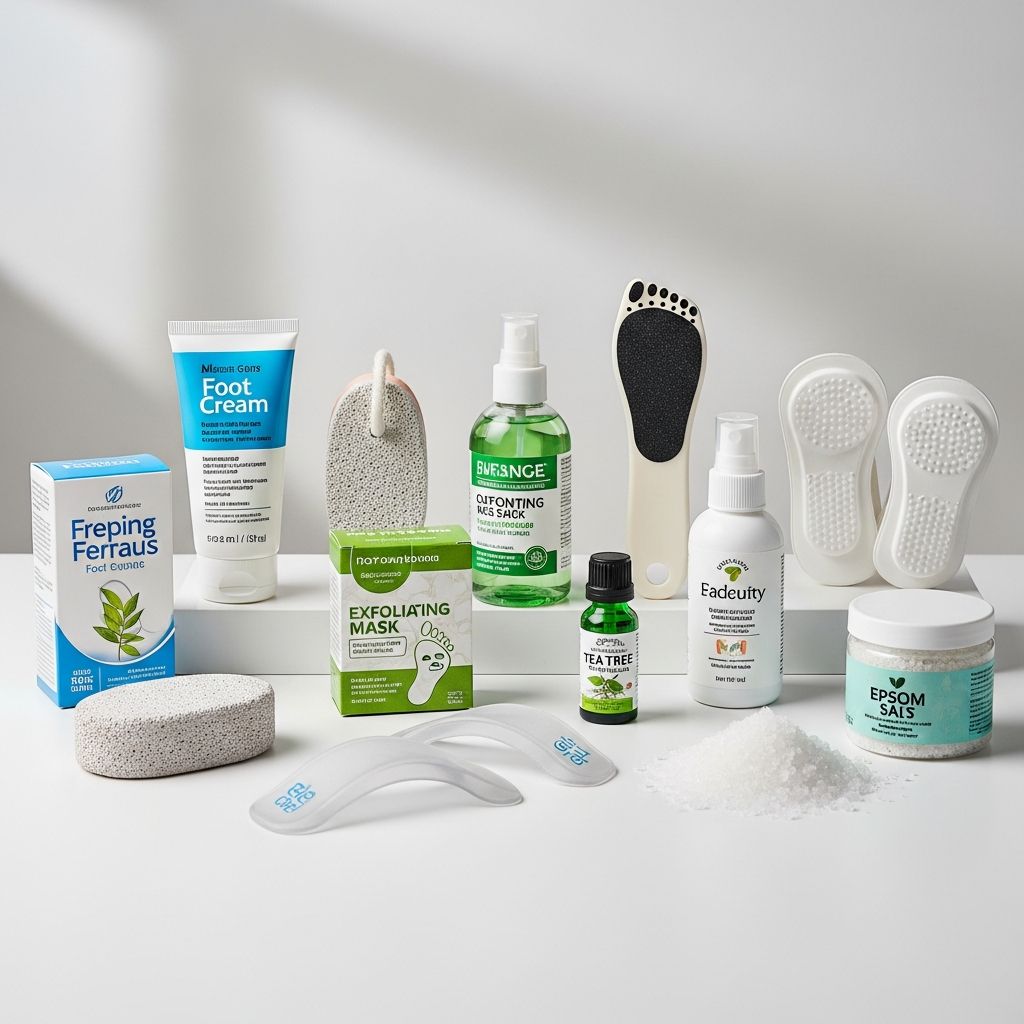
Straight Talk on 9 Popular Foot Products: What Really Works
Foot problems affect millions of people worldwide, and the market is flooded with products promising relief from pain, discomfort, and various foot conditions. From over-the-counter orthotics to specialized creams and devices, consumers face overwhelming choices when trying to address foot health issues. However, not all products deliver on their promises. This guide provides an evidence-based evaluation of nine popular foot products, helping you make informed decisions about which solutions may actually benefit your feet.
Understanding Common Foot Problems
Before evaluating foot products, it’s important to understand the conditions these products aim to treat. Foot problems become increasingly common with age as the body experiences natural changes. The padding in your feet naturally diminishes over time, leaving feet more vulnerable to pain and injury from daily activities. Additionally, common conditions like plantar fasciitis, bunions, Morton’s neuroma, and fungal infections affect significant portions of the population, each requiring different treatment approaches.
Over-the-Counter Orthotics and Insoles
What They Claim: Over-the-counter orthotics and shoe insoles promise to provide arch support, reduce foot pain, and improve alignment during daily activities and exercise.
What the Evidence Shows: Orthotics can be genuinely helpful for certain conditions. For individuals with flat feet, orthotics and physical therapy are recognized treatment options that can help address the structural issues causing discomfort. However, the effectiveness varies significantly depending on the specific condition and individual foot structure. Generic over-the-counter orthotics may provide temporary relief for some users but often don’t address the underlying biomechanical issues that cause pain.
Expert Recommendation: While over-the-counter orthotics offer an affordable starting point, custom-made orthotics prescribed by a podiatrist or orthopedic specialist tend to be more effective for persistent foot problems. If you experience ongoing pain despite using standard insoles, professional evaluation is warranted.
Plantar Fasciitis-Specific Insoles
What They Claim: These specialized insoles target plantar fasciitis by providing enhanced arch support and heel cushioning to reduce strain on the plantar fascia ligament.
What the Evidence Shows: Plantar fasciitis, the leading cause of heel pain, results from repeated stress on the ligament running along the sole of your foot that supports your arch. Treatment approaches that have demonstrated effectiveness include rest, ice, over-the-counter pain medications, and calf muscle stretches. Insoles designed specifically for plantar fasciitis support the arch and reduce tension on the affected ligament, making them a legitimate component of a comprehensive treatment plan.
Expert Recommendation: Plantar fasciitis-specific insoles work best as part of a multi-faceted approach that includes stretching exercises, appropriate footwear choices, and activity modification. They’re most effective for mild to moderate cases and should be combined with other treatments for severe symptoms.
Gel and Foam Cushioning Products
What They Claim: Gel pads, foam cushions, and padded inserts claim to replace lost fat padding in the feet and provide shock absorption during daily activities.
What the Evidence Shows: As people age, the natural fat pad in the feet diminishes, leading to increased pain in the ball of the foot and heel. Shoes with adequate cushioning and custom-made foam shoe inserts called orthotics can help address this issue. Gel and foam products can provide temporary relief and protection from daily pounding, but they don’t restore the structural integrity that natural fat pads provide.
Expert Recommendation: Quality cushioning products can significantly improve comfort for people experiencing age-related fat pad loss. However, if pain persists despite cushioning, consult a foot specialist who may recommend filler injections or other treatments to restore lost padding.
Bunion Treatment Products
What They Claim: Bunion correctors, splints, and special pads claim to straighten the big toe, reduce pain, and prevent progression of bunions without surgery.
What the Evidence Shows: Bunions are painful bony lumps that grow along the inside of the foot where the big toe meets the foot, developing as the big toe angles inward. While bunions can be hereditary and are more common in women—particularly those who wear tight, narrow shoes like high heels—non-surgical interventions have limited effectiveness in reversing the deformity. However, icing, special pads, and properly fitted shoes can reduce pain and slow progression.
Expert Recommendation: Non-surgical bunion products are best viewed as pain management tools rather than cures. They can provide relief and potentially prevent worsening, but surgical intervention is the only way to correct the structural problem. Most experts recommend conservative treatment first, resorting to surgery only when pain significantly impacts daily life.
Anti-Fungal Creams and Treatments
What They Claim: Topical antifungal creams promise to eliminate fungal infections of the feet and toenails quickly and effectively.
What the Evidence Shows: Fungal infections become more common with age due to less elastic skin and weaker immunity in seniors. While antifungal creams can be effective, fungal infections are notoriously difficult to eliminate and often require extended treatment periods. Over-the-counter antifungal treatments work best for mild, early-stage infections on the foot’s sole. More severe cases or toenail infections frequently require prescription-strength antifungal medications, sometimes in pill form.
Expert Recommendation: Use antifungal medications exactly as directed for the full treatment duration, even if symptoms improve. Stopping treatment early often results in recurrence. Important caution: never apply cortisone creams to fungal infections, as they weaken the skin’s natural defenses and worsen the condition. If over-the-counter treatments don’t resolve the infection within two to three weeks, seek professional evaluation.
Keratolytic Creams for Cracked Heels
What They Claim: These specialized creams claim to remove thick, dead skin from cracked heels and prevent future cracking and hardening.
What the Evidence Shows: Mature skin produces less oil and elastin, leaving it drier and less supple, which can cause heels to harden, crack, and become painful. Keratolytic creams work by chemically exfoliating the tough outer layer of skin, and they have demonstrated effectiveness when used consistently. These products work best when combined with mechanical exfoliation using a pumice stone and regular moisturizing.
Expert Recommendation: Keratolytic creams are legitimate tools for managing cracked heels. Use them as directed, follow up with gentle pumice stone exfoliation, and apply moisturizing lotion daily. If heels become swollen and red despite treatment, consult a healthcare provider, as this may indicate infection requiring prescription treatment.
Compression Socks and Stockings
What They Claim: Compression socks promise improved circulation, faster recovery, reduced swelling, and prevention of blood clots during air travel or prolonged immobility.
What the Evidence Shows: Compression garments have legitimate clinical applications, particularly for conditions affecting circulation and lymphatic drainage. They can help reduce swelling in the feet and ankles caused by various conditions, and medical-grade compression is prescribed for specific circulatory disorders. However, the effectiveness of over-the-counter compression socks for general wellness and athletic recovery is less definitively established.
Expert Recommendation: Compression products are worth trying for swelling, particularly if you sit for extended periods or have circulatory concerns. However, ensure you’re using appropriate compression levels—too much compression can actually impair circulation. For therapeutic use, medical-grade compression recommended by a healthcare provider is more reliable than general retail products.
Callus and Corn Removal Products
What They Claim: These products promise to painlessly dissolve or remove calluses and corns without professional intervention.
What the Evidence Shows: Calluses and corns develop from repeated friction and pressure, often from tight or poorly-fitting shoes. Corns, in particular, can be associated with hammertoes and other foot deformities. While salicylic acid-based products can soften and help remove surface calluses, they don’t address the underlying structural issues causing the problem. More stubborn corns often require professional removal.
Expert Recommendation: Over-the-counter callus and corn products work best for mild cases and as preventive measures. Combine their use with proper footwear selection and foot care. If corns are painful, recurrent, or associated with toe deformities, professional podiatric treatment is more appropriate and effective.
Foot Soaks and Spa Products
What They Claim: Specialized foot soaks and spa products claim to relieve pain, soften skin, eliminate odor, and provide therapeutic benefits comparable to professional foot treatments.
What the Evidence Shows: While foot soaks can provide temporary relief and comfort, their therapeutic benefits are primarily short-term. Many active ingredients in these products offer genuine benefits—such as salts for soaking or essential oils for odor reduction—but evidence for long-term pain relief or significant skin improvement is limited.
Expert Recommendation: Foot soaks are best viewed as wellness and relaxation products rather than medical treatments. They can soften skin, provide temporary pain relief, and enhance overall foot hygiene. For chronic foot problems, they work best as complementary therapy alongside other evidence-based treatments.
Morton’s Neuroma Relief Products
What They Claim: Specialized pads and products claim to relieve pain from Morton’s neuroma by reducing pressure on the affected nerve.
What the Evidence Shows: Morton’s neuroma, affecting as many as one in three people, causes pain in the front of the foot or a sensation of walking on a rock or marble. It occurs more frequently in older women and people who wear high heels or shoes with tight toe boxes. Switching to properly-fitted footwear, using specialized pads, and massage can all help manage symptoms.
Expert Recommendation: Products designed to reduce pressure on the affected area can provide meaningful relief. However, addressing the root cause—usually tight footwear—is equally important. If pain becomes severe despite conservative measures, your doctor may recommend steroid injections or surgical intervention.
Comparison Table: Foot Product Effectiveness
| Product Type | Best For | Effectiveness | Cost Range |
|---|---|---|---|
| Over-the-counter orthotics | General arch support, mild discomfort | Moderate | $20-$60 |
| Plantar fasciitis insoles | Heel and arch pain | High (when combined with stretching) | $30-$80 |
| Gel and foam cushioning | Age-related fat pad loss, impact protection | Moderate to High | $15-$50 |
| Bunion correctors | Pain management, slow progression | Low to Moderate | $25-$100 |
| Antifungal creams | Mild to moderate fungal infections | Moderate | $10-$30 |
| Keratolytic creams | Cracked heels, calluses | High | $8-$25 |
| Compression socks | Swelling, circulation, travel | Moderate to High | $15-$80 |
| Callus removal products | Minor calluses and corns | Moderate | $5-$20 |
| Foot soaks and spa products | Relaxation, temporary relief | Low to Moderate | $10-$40 |
Key Principles for Choosing Foot Products
When evaluating foot care products, keep several important principles in mind:
Match Products to Specific Conditions: The most effective foot products target specific conditions rather than making broad claims. Understanding your particular foot issue allows you to select products designed for that problem.
Combine Products with Lifestyle Changes: No product works optimally in isolation. Foot problems often require comprehensive approaches including appropriate footwear, stretching exercises, weight management, and activity modification.
Be Patient with Results: Most foot problems develop gradually over time and require extended treatment periods. Expect incremental improvement rather than overnight solutions.
Know When to Seek Professional Help: If over-the-counter products don’t provide relief within two to three weeks, or if pain interferes with daily activities, professional evaluation is warranted. A podiatrist or orthopedic specialist can provide accurate diagnosis and personalized treatment recommendations.
Frequently Asked Questions About Foot Products
Q: Are custom orthotics worth the investment over over-the-counter options?
A: For persistent foot problems, custom orthotics are often worth the investment. They’re specifically designed for your individual foot structure and biomechanics, making them more effective than generic options. Start with over-the-counter solutions; if they don’t help after several weeks, consider custom orthotics.
Q: How long should I try a foot product before deciding it doesn’t work?
A: Most foot products require two to four weeks of consistent use before you can fairly evaluate their effectiveness. Give products adequate time, but don’t hesitate to seek professional guidance if symptoms worsen or don’t improve within this timeframe.
Q: Can I combine multiple foot products?
A: Yes, combining complementary products often works better than using a single solution. For example, plantar fasciitis insoles work best with stretching exercises and compression socks. However, avoid using conflicting treatments—for instance, don’t apply both antifungal cream and cortisone cream to the same area.
Q: What should I look for in a quality foot product?
A: Look for products that target your specific condition, use proven ingredients, come from reputable manufacturers, and have reasonable expectations. Read reviews from verified purchasers, and be skeptical of products claiming to completely cure chronic foot conditions.
Q: When should I see a doctor instead of trying products?
A: Seek professional medical advice if you have severe pain, visible deformity, signs of infection (redness, warmth, drainage), numbness or tingling, or if symptoms interfere with your ability to work or exercise. Don’t delay professional evaluation for persistent problems.
Q: Are expensive foot products more effective than affordable options?
A: Price doesn’t always correlate with effectiveness. Many affordable foot products work just as well as expensive alternatives. Focus on product quality, targeted design, and how well it matches your specific problem rather than cost alone.
Q: How do I know if a foot product is actually helping?
A: Track specific metrics like pain level (using a 1-10 scale), mobility, activity tolerance, and swelling. Keep a simple log noting changes over time. If you’re experiencing objective improvement in these areas, the product is likely working.
Conclusion: Making Informed Foot Care Decisions
The foot care market offers many legitimate products that can help manage common foot problems, but they’re most effective when selected thoughtfully and used as part of comprehensive treatment approaches. Over-the-counter orthotics, specialized creams, and cushioning products can provide real relief when they match your specific condition.
However, remember that foot problems often have underlying biomechanical or structural causes that products alone cannot address. Proper footwear selection, stretching exercises, weight management, and professional evaluation when needed are equally important components of effective foot care.
Start with conservative, evidence-based treatments tailored to your specific condition. Give products adequate time to work, combine them with appropriate lifestyle modifications, and don’t hesitate to seek professional podiatric care if over-the-counter solutions don’t provide sufficient relief. Your feet support you throughout life—investing in their health through informed product selection and comprehensive care is time well spent.
References
- What Can Go Wrong With Your Feet As You Age — WebMD. 2024. https://www.webmd.com/healthy-aging/ss/slideshow-foot-problems-as-you-age
- Gait Abnormalities — Stanford Medicine 25, Stanford School of Medicine. 2024. https://med.stanford.edu/stanfordmedicine25/the25/gait.html
- Eat, Drink, and Be Healthy: The Harvard Medical School Guide to Healthy Eating — Harvard Medical School. 2023. https://www.hsph.harvard.edu/nutritionsource/healthy-eating-plate/
Similar Articles








Read full bio of medha deb