Stranger Danger and Stranger Safety: Protecting Kids
Empowering children and families with practical safety strategies for everyday situations.
Understanding Stranger Danger and Stranger Safety
Teaching children about stranger danger and stranger safety is a crucial part of parenting and child development. While the concept of “stranger danger” is widely known, it’s important to recognize that not all dangers come from people children don’t know. In fact, many incidents involve individuals who are familiar to the child, such as neighbors, family friends, or even relatives. Therefore, the focus should be on teaching children to be smart and cautious in all situations, not just with strangers.
Why Stranger Safety Matters
Children are naturally curious and trusting, which makes them vulnerable to potential risks. According to the National Center for Missing & Exploited Children, most child abductions are committed by someone the child knows, rather than a complete stranger. This highlights the importance of teaching children to be vigilant and to recognize potentially dangerous situations, regardless of the person involved.
Key Concepts in Stranger Safety
- People Smarts: Teach children to be aware of their surroundings and to recognize suspicious behavior, regardless of whether the person is a stranger or someone they know.
- Safe Adults: Help children identify safe adults they can turn to in case of an emergency, such as police officers, firefighters, teachers, or trusted family members.
- Emergency Preparedness: Ensure children know how to reach you and how to call 9-1-1 in an emergency.
Practical Safety Tips for Parents and Guardians
Parents and guardians play a vital role in keeping children safe. Here are some practical tips to help safeguard children:
- Always know where your children are and when they are supposed to return home.
- Know your children’s friends, where they live, and how to contact them.
- Never leave a small child alone, at home or in the car, even for a few minutes.
- Talk to your children about “People Smarts” and what they should do in uncomfortable situations.
- Teach your children that bad people don’t necessarily look mean; they often smile and act friendly.
- Discuss with your children how to identify safe adults who they can go to when they are in danger.
- Encourage your children to talk to you about places they don’t feel safe.
- Use role-playing and “what if” scenarios so children can practice what to do and how to respond in different situations.
- Decide on a secret code word to use in emergency situations.
- Give your children whistles to blow on if they feel in danger.
- Make sure your child knows how to reach you in an emergency.
- Teach your children how and when to call 9-1-1.
Teaching Children About Stranger Safety
Teaching children about stranger safety involves more than just telling them to avoid strangers. It’s about empowering them with the knowledge and skills to handle various situations. Here are some key points to cover:
- Always tell you where they are going and when they will be back.
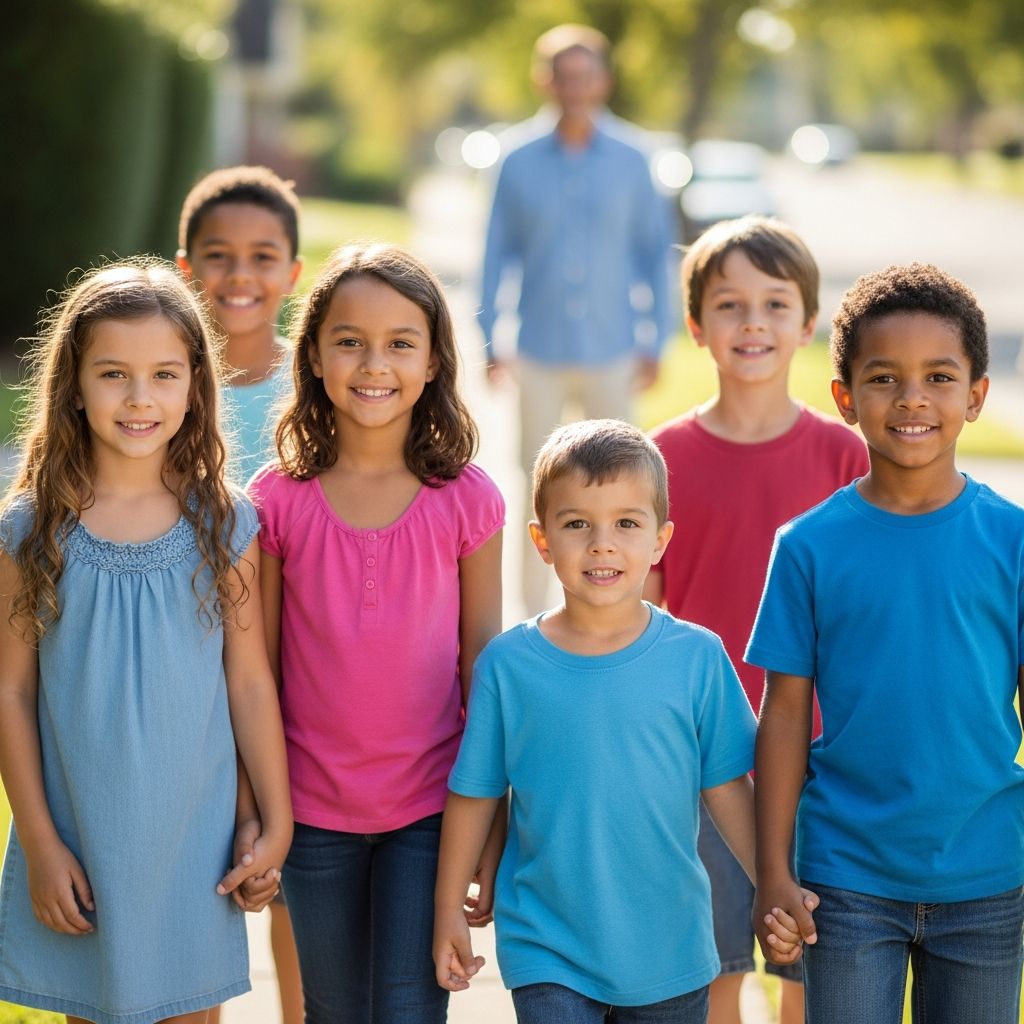
- Do not walk anywhere alone; walk with a friend.
- Do not take shortcuts through the woods, a back street, or an empty lot.
- Only play in safe areas, not empty buildings or other dangerous places.
- Pay attention to their surroundings and be on the lookout for suspicious people and vehicles.
- Strangers are not only people they don’t know, but also people they don’t know very well.
- Stay at least two arm’s lengths away from people they don’t know well.
- Never talk to, provide assistance to, accept anything from, or give personal information to people they don’t know well.
- Never get into a car with anyone they don’t know well.
- If they get lost, stay put. If they don’t feel safe there, go to the nearest safe place and stay there.
Related Stories



What to Do in Dangerous Situations
If a child feels in danger, they should know what to do. Here are some steps to teach them:
- If a person follows or grabs them, they should yell real loud. Teach them to shout, “I don’t know you” or something similar, so people know they are in trouble.
- It is OK for them to fight back and make as much noise as they can to get help.
- Run away and ask a safe adult for help.
- Know what safe places they can go to, such as a police or fire station, the library, a store, or a friend’s house.
- If anyone touches them in their private areas, they should say “NO.” Explain that they should tell you about these kinds of incidents as soon as possible.
Home Alone Safety
If a child is home alone, they should know how to stay safe:
- Know how to reach you.
- Know how and when to call 9-1-1.
- Keep the door locked at all times.
- Never let anyone inside, even if they know the person, if you did not give permission in advance.
- Never open the door to anyone unless they have your permission.
- Never tell anyone on the phone they are alone.
- Do not tell callers their name, phone number, or address.
- Take a message, but hang up right away if they don’t like what someone is saying on the phone.
Role-Playing and Practice Scenarios
Role-playing and practice scenarios are effective ways to help children understand and remember safety rules. Here are some examples:
- Practice what to do if a stranger offers a ride or a gift.
- Practice what to do if a stranger asks for help or directions.
- Practice what to do if a stranger tries to grab them.
- Practice what to do if they get lost in a public place.
Online Safety
With the increasing use of technology, online safety is also a critical aspect of stranger safety. Teach children to:
- Not share personal information online.
- Be careful when talking to strangers online.
- Use technology smartly, such as GPS or apps, to see where they are, but remind them not to share their location with people they do not know.
- Let you know if something feels weird or if they have questions.
FAQs
Q: What is the difference between stranger danger and stranger safety?
A: Stranger danger focuses on avoiding strangers, while stranger safety emphasizes being smart and cautious in all situations, including with people the child knows.
Q: How can I teach my child to recognize a safe adult?
A: Help your child identify safe adults such as police officers, firefighters, teachers, or trusted family members. Practice scenarios where they can ask for help from these adults.
Q: What should I do if my child feels unsafe?
A: Encourage your child to talk to you about places they don’t feel safe. Help them find new routes or walk with them. Don’t hesitate to talk with the school principal or the police if there is a serious problem.
Q: How can I use role-playing to teach safety?
A: Practice different scenarios with your child, such as what to do if a stranger offers a ride or a gift, or if they get lost in a public place. This helps them remember and apply safety rules.
Q: What should I do if my child is home alone?
A: Make sure your child knows how to reach you and how to call 9-1-1. Keep the door locked, and never let anyone inside without your permission. Teach them not to tell anyone on the phone they are alone.
References
References
- Stranger Danger and Stranger Safety — Johns Hopkins Medicine. http://www.hopkinsmedicine.org/health/wellness-and-prevention/stranger-danger-and-stranger-safety
- People Smarts (Stranger Danger) — Children’s Hospital of Pittsburgh. https://www.chp.edu/injury-prevention/safety/street/stranger-danger
- Stranger Safety: Helping Kids Stay Safe — Valley Children’s Healthcare. https://www.valleychildrens.org/blog/stranger-safety-helping-kids-stay-safe
Similar Articles








Read full bio of medha deb