Strategies for Tapering Eczema Treatments Safely
Discover evidence-based methods to reduce atopic dermatitis medications while maintaining skin health and preventing flares.
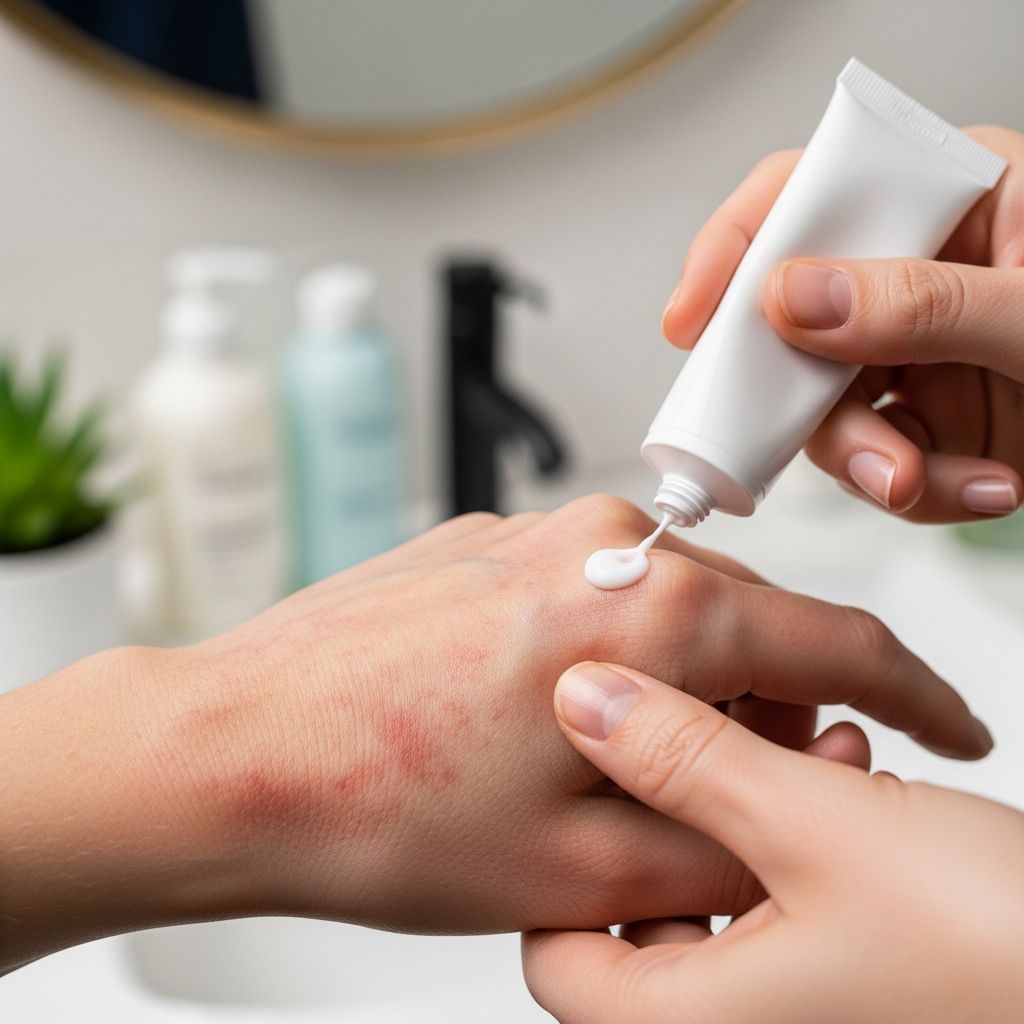
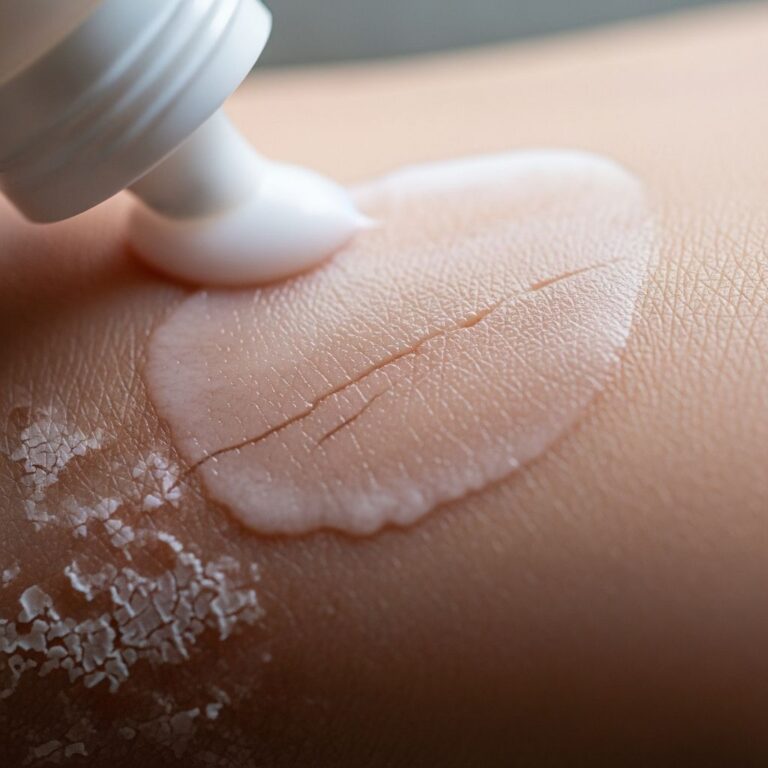
Atopic dermatitis, commonly known as eczema, often requires ongoing medication to control symptoms like itching, inflammation, and skin barrier dysfunction. However, many patients seek ways to reduce reliance on treatments to minimize side effects and improve quality of life. Safely tapering medications involves a structured approach based on clinical guidelines, patient response, and disease severity assessment.
Understanding When to Consider Tapering
Tapering eczema treatments is appropriate when the skin achieves sustained remission, defined as clear or nearly clear skin without active flares for several weeks to months. Key indicators include reduced itching, healed lesions, and stable skin barrier function. Guidelines from the American Academy of Dermatology (AAD) and American Academy of Allergy, Asthma & Immunology (AAAAI) emphasize evaluating disease control before any reduction.
Patients should track symptoms using validated tools like the Eczema Area and Severity Index (EASI) or Patient-Oriented Eczema Measure (POEM). A drop in scores signals potential for de-escalation. Always consult a dermatologist or allergist to avoid rebound flares, which occur when inflammation returns more intensely upon abrupt cessation.
Optimizing Topical Therapies Before Reduction
Topical treatments form the foundation of eczema management. Before tapering, ensure maximal benefit from basics like moisturizers and gentle skin care routines.
- Daily Moisturization: Apply thick, fragrance-free emollients immediately after bathing to lock in moisture and repair the skin barrier. AAD guidelines strongly recommend this as first-line therapy, showing modest reductions in severity.
- Bathing Practices: Use lukewarm water for 5-10 minutes daily or every other day with a gentle, non-soap cleanser. Pat dry and moisturize within 3 minutes to prevent transepidermal water loss.
- Proactive Maintenance: Apply low-potency topical corticosteroids (TCS) or calcineurin inhibitors (TCI) 1-2 times weekly to previously affected areas, even when clear, to prevent relapses. This “proactive therapy” is strongly endorsed by both AAD and JTF (Joint Task Force) guidelines.
Once these are optimized, transition to tapering active anti-inflammatory agents.
Step-by-Step Guide to Reducing Topical Corticosteroids
Topical corticosteroids are highly effective for flares but long-term use raises concerns like skin thinning. Guidelines support their intermittent use for safety.
- Assess Control: Confirm no active disease for 4-6 weeks.
- Switch Potency: Move from high- to mid- or low-potency TCS over 2-4 weeks.
- Reduce Frequency: From daily to every other day, then twice weekly.
- Substitute with Non-Steroidal Options: Replace with TCI (e.g., tacrolimus) or PDE4 inhibitors like crisaborole for sensitive areas.
- Monitor: Re-evaluate every 2 weeks; resume if flare occurs.
The AAD strongly recommends TCS for acute flares and maintenance, while JTF supports their use in refractory cases. Studies show proactive TCS reduces flares by 50-70% compared to reactive use.
Related Stories



Navigating Non-Steroidal Topicals for Long-Term Use
Non-steroidal options allow safer tapering from TCS.
| Agent Type | Strength of Recommendation | Best For | Guideline Source |
|---|---|---|---|
| Topical Calcineurin Inhibitors (TCI) | Strong | Face, folds, maintenance | AAD, JTF |
| PDE4 Inhibitors (e.g., crisaborole) | Strong (AAD); Conditional (JTF) | Mild-moderate AD | AAD, JTF |
| Topical JAK Inhibitors | Strong (AAD); Conditional against (JTF) | Moderate AD | AAD |
| Tapinarof/Roflumilast Creams | Strong (2025 update) | Adults with mild-moderate | AAD |
These agents target inflammation without steroid-related risks. JTF conditionally recommends crisaborole for milder cases, noting better efficacy there. Newer options like tapinarof (aryl hydrocarbon receptor agonist) and roflumilast (PDE4 inhibitor) received strong AAD endorsements in 2025 updates for adults.
Advanced Options: Tapering Systemic Therapies
For moderate-to-severe eczema unresponsive to topicals, systemic agents may be needed. Tapering requires close monitoring.
Biologics and Small Molecules
Injectables like dupilumab (IL-4/13 inhibitor) and tralokinumab are strongly recommended for ages 6 months+ and 12+, respectively. Upadacitinib, abrocitinib, and baricitinib (JAK inhibitors) also have strong endorsements.
- Dupilumab Tapering: After 6-12 months of control, extend dosing intervals (e.g., every 4 weeks) while monitoring EASI scores.
- JAK Inhibitors: Reduce dose or frequency per label; AAD 2025 update expanded approvals.
Newer biologics like lebrikizumab and nemolizumab (with topicals) earned strong recommendations in recent updates. Avoid abrupt stops to prevent rebound.
Traditional Immunosuppressants
Agents like methotrexate, azathioprine, cyclosporine, and mycophenolate receive conditional recommendations from AAD but conditional against from JTF due to risks vs. newer options. Taper gradually over months, starting with dose reduction by 25% every 4-6 weeks, with blood tests.
Both guidelines strongly recommend against systemic corticosteroids due to rebound flares and side effects.
Adjunctive Therapies to Support Tapering
- Dilute Bleach Baths: JTF suggests for moderate-severe AD (conditional, low evidence), not mild; add 1/2 cup bleach to full tub 2-3x/week if infection suspected. AAD limits to clinical infection signs.
- Phototherapy: Conditional AAD recommendation for systemic therapy candidates.
- Wet Wraps: Use with topicals for severe flares to enhance absorption.
- Diet and Allergens: JTF suggests against routine elimination diets; consider allergen immunotherapy for moderate-severe with confirmed allergies.
Patient Monitoring and Flare Prevention Plan
Create a personalized action plan:
- Daily moisturizer + weekly proactive topicals.
- Escalation triggers: Itching >7/10, new lesions.
- Quarterly dermatologist visits with symptom logs.
Address steroid fears through education; guidelines note safety with proper use.
Frequently Asked Questions (FAQs)
How long after clearing skin can I start tapering?
Wait 4-6 weeks of sustained control, per guidelines.
Can I stop moisturizers when tapering meds?
No—moisturizers are foundational and should continue indefinitely.
What if flares return during tapering?
Resume previous dose temporarily and reassess with your doctor.
Are biologics easier to taper than oral meds?
Yes, with flexible dosing; follow 2025 AAD updates for specifics.
Is proactive therapy safe long-term?
Yes, strongly recommended to prevent flares without significant risks.
Key Takeaways for Lasting Eczema Control
Safe tapering prioritizes skin barrier repair, proactive maintenance, and guideline-driven choices. Newer therapies expand options for steroid-sparing regimens. Collaborate with healthcare providers for tailored plans.
References
- Updates from the AAD and AAAAI Guidelines for Managing Atopic Dermatitis — Journal of Clinical and Aesthetic Dermatology (JCAD). 2023. https://jcadonline.com/aad-aaaai-guidelines-atopic-dermatitis/
- Atopic Dermatitis (Eczema) Guidelines: 2023 American Academy of Allergy, Asthma & Immunology/American College of Allergy, Asthma & Immunology — AAAAI. 2023-07-31. https://www.aaaai.org/Aaaai/media/Media-Library-PDFs/Allergist%20Resources/Statements%20and%20Practice%20Parameters/JTF-Atopic-Dermatitis-Guideline-2023-07-31-2026.pdf
- Atopic Dermatitis Clinical Guideline — American Academy of Dermatology (AAD). 2025. https://www.aad.org/member/clinical-quality/guidelines/atopic-dermatitis
- The Latest Changes to Atopic Dermatitis Treatment Guidelines — Guideline Central. 2025-05. https://www.guidelinecentral.com/insights/may-2025-atopicdermatitis-guideline-realtime
- Atopic Dermatitis Guidelines Update — Dermatology Advisor. Recent. https://www.dermatologyadvisor.com/features/atopic-dermatitis-eczema-guidelines-update/
Similar Articles








Read full bio of Sneha Tete