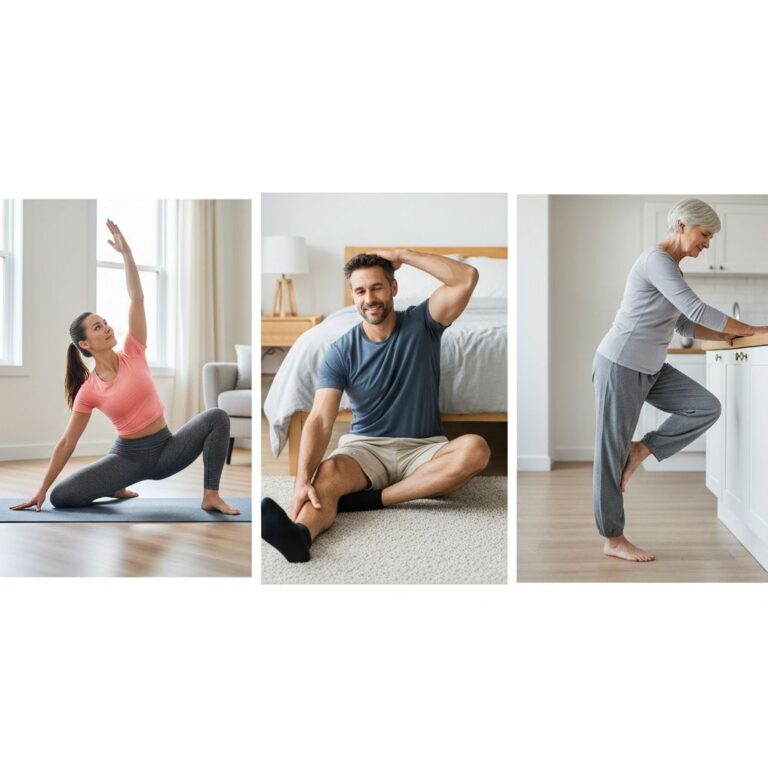
Strengthening Pelvic Floor Muscles for Women
Discover effective exercises and strategies to build stronger pelvic floor muscles, enhancing bladder control, sexual health, and overall wellness for women.
The pelvic floor comprises a network of muscles and tissues forming a supportive hammock at the base of the pelvis. These muscles are vital for women, as they uphold key organs such as the bladder, uterus, and bowels while facilitating continence, sexual function, and core stability. Weakness in this area can arise from pregnancy, childbirth, menopause, or aging, leading to issues like urinary leakage or pelvic discomfort. Regular training can restore strength, prevent complications, and boost daily confidence.
Why Pelvic Floor Strength Matters for Every Woman
Maintaining robust pelvic floor muscles offers multifaceted benefits that extend across life stages. For expectant mothers, strong muscles provide better support for the growing baby and ease labor efforts. Postpartum, they accelerate recovery and diminish incontinence risks. In later years, they counteract prolapse tendencies and preserve sexual satisfaction. Even without symptoms, incorporating these exercises promotes overall pelvic resilience.
- Enhanced bladder and bowel regulation to avoid unintended leaks.
- Reduced likelihood of organ descent or prolapse.
- Heightened sexual pleasure and minimized intercourse pain.
- Improved postpartum and surgical healing outcomes.
- Greater core stability for physical activities.
Research underscores that consistent practice yields measurable improvements in continence and pelvic support, making it a cornerstone of preventive women’s health.
Understanding Your Pelvic Floor Anatomy
Visualize the pelvic floor as a dynamic sling stretching from the pubic bone to the tailbone, with extensions to the sit bones. It includes layers of muscle that contract to close urethral, vaginal, and anal passages. When functioning optimally, these muscles lift and tighten during activities like coughing or lifting. Dysfunction often stems from overstretching during vaginal births or hormonal shifts in menopause, which thin muscle tissues.
To locate these muscles, try halting urine mid-flow or gently drawing the vaginal opening upward as if lifting an internal object. Avoid straining the abdomen, thighs, or buttocks—true engagement feels like an internal ‘up and in’ pull. If uncertainty persists, consult a pelvic physiotherapist for biofeedback guidance.
Foundational Exercises to Build Pelvic Strength
Begin with basic contractions before advancing to integrated movements. Aim for daily sessions, starting short to master form, then progressing in duration and reps. Consistency trumps intensity for lasting gains.
Mastering the Basic Kegel Contraction
Kegels target the pelvic floor directly. Sit, stand, or lie comfortably. Contract the muscles for 3-5 seconds, then relax equally. Perform 10 reps per set, three times daily. Gradually extend holds to 10 seconds as endurance builds. Breathe steadily—do not hold breath.
| Level | Hold Time | Reps per Set | Sets per Day |
|---|---|---|---|
| Beginner | 3 seconds | 10 | 3 |
| Intermediate | 5-8 seconds | 15 | 3-4 |
| Advanced | 10 seconds | 20 | 4 |
Bridge Pose for Lift and Endurance
Lie on your back, knees bent, feet flat hip-width apart. Inhale, then exhale while squeezing pelvic floor and glutes to lift hips skyward. Hold 5-10 seconds, lower slowly. Repeat 10-15 times. This engages the deep core alongside pelvic muscles.
Squats with Pelvic Engagement
Feet shoulder-width, lower as if sitting into a chair, keeping chest upright. As you descend, contract pelvic floor; release on ascent. Do 3 sets of 10-15. Squats bolster legs while fortifying the pelvic base.
Advanced Techniques for Optimal Results
Once basics are solid, incorporate dynamic exercises to mimic real-life demands. These build functional strength for activities like running or jumping.
Related Stories



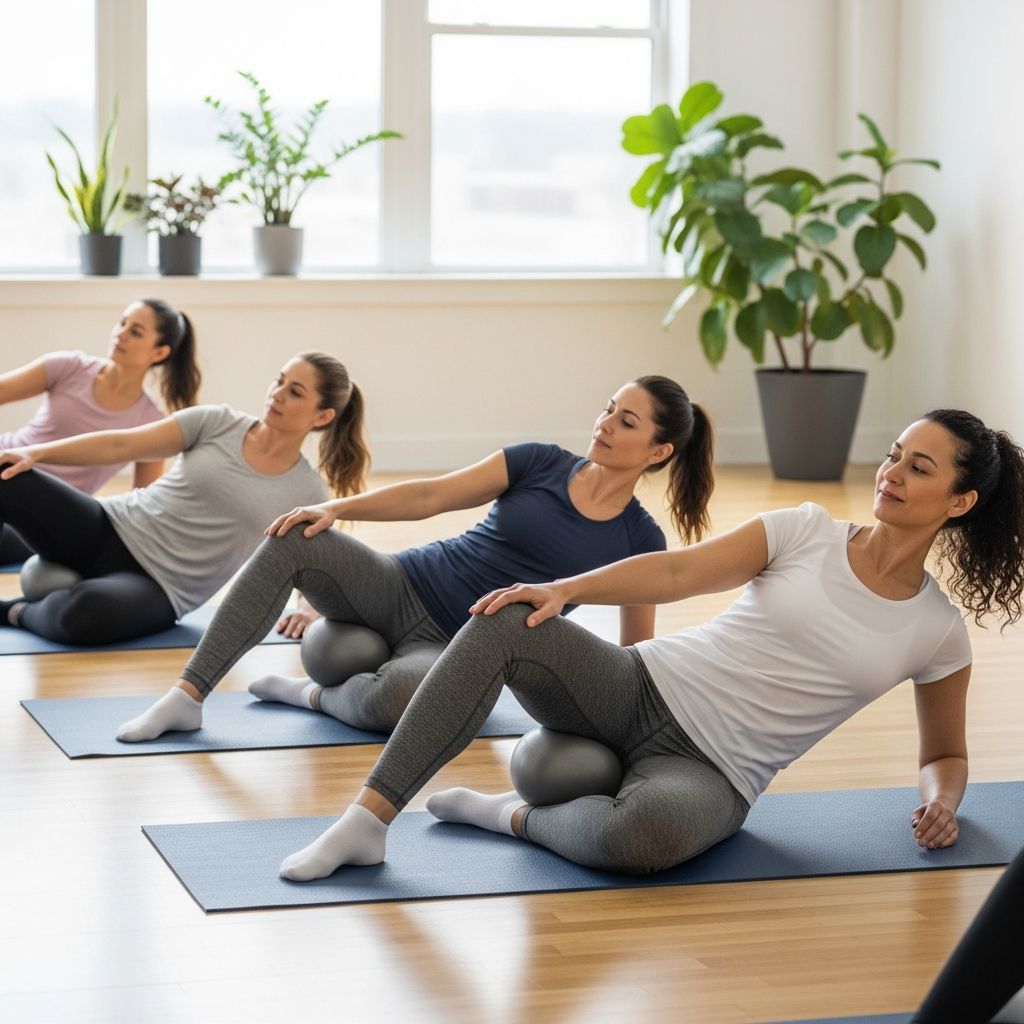
- Knee Squeezes: Sit with a soft ball between knees. Squeeze for 5-10 seconds, release. 2 sets of 10. Isolates inner thighs and pelvic support.
- Pelvic Tilts: On back, knees bent. Tilt pelvis to flatten lower back against floor, engaging pelvic floor. Hold 5 seconds, 10-15 reps.
- Bird Dog: On all fours, extend opposite arm and leg while contracting pelvic floor. Hold 5 seconds per side, 10 reps.
- Walking with Awareness: During brisk walks, consciously engage pelvic floor on each step. Strengthens through motion.
Progress by adding resistance, like weights during bridges, or quick flicks—rapid 1-second contracts for responsiveness.
Tailoring Training to Life Stages
Pregnancy and Postpartum Focus
Pregnant women benefit from daily Kegels to support fetal weight and prepare for delivery. Post-birth, resume gently after clearance, emphasizing endurance to heal stretched tissues. Incontinence affects up to 30% postpartum, but exercises resolve most cases.
Menopause and Aging Considerations
Estrogen decline weakens tissues; counter with longer holds and combination moves. These prevent prolapse, common in 40% of older women.
High-Impact Athletes
Runners and jumpers need ‘power’ Kegels—quick contracts during activity to avert leaks under pressure.
Common Mistakes and How to Avoid Them
Many strain incorrectly, bearing down instead of lifting, which worsens weakness. Others forget relaxation phases, leading to fatigue. Tips:
- Use a mirror or app for visual feedback.
- Combine with deep breathing for coordination.
- Track progress in a journal.
- Seek professional assessment if no improvement in 3 months.
Overdoing reps without rest can cause spasm; balance with full relaxation.
Integrating Pelvic Training into Daily Routines
Discretion is key—practice during commutes, desk work, or TV time. Pair with habits like brushing teeth for cues. Apps with reminders enhance adherence. Group classes or physiotherapy offer motivation and correction.
For variety, try yoga poses like child’s pose or happy baby, which stretch and strengthen concurrently.
FAQs on Pelvic Floor Training
How long until I see results?
Most notice improvements in 4-6 weeks with daily practice. Full strength takes 3-6 months.
Can I do these during pregnancy?
Yes, with doctor approval; they aid delivery and recovery.
What if I feel pain?
Stop and consult a specialist—could indicate incorrect technique or underlying issue.
Are there devices to help?
Biofeedback tools or weighted cones assist, but start with bodyweight.
Do men need this too?
Yes, for prostate health and continence, though women’s needs differ due to reproductive anatomy.
Long-Term Maintenance and Professional Support
Sustain gains with lifelong 3x weekly sessions. Annual check-ins with pelvic specialists monitor progress. Conditions like hypertonicity (overtight muscles) require tailored therapy.
Empowerment comes from knowledge: a strong pelvic floor enhances vitality at every age.
References
- Female Pelvic Floor Muscles | Exercises – Continence Health Australia — Continence Health Australia. 2023. https://www.continence.org.au/who-it-affects/women/female-pelvic-floor-muscles
- The Benefits of Pelvic Floor Exercises — Avant Gynecology. 2021-04-01. https://www.avantgynecology.com/2021/04/01/the-benefits-of-pelvic-floor-exercises/
- 4 Foolproof Pelvic Floor Strengthening Exercises for Women — Virtua Health. 2023. https://www.virtua.org/articles/4-surefire-pelvic-strengthening-exercises-for-all-women
- Five exercises to strengthen your pelvic floor — UT Health San Antonio MD Anderson Cancer Center. 2023. https://cancer.uthscsa.edu/news-and-stories/five-exercises-strengthen-your-pelvic-floor
- Kegel Exercises: Benefits, How To & Results — Cleveland Clinic. 2023-08-23. https://my.clevelandclinic.org/health/articles/14611-kegel-exercises
Similar Articles








Read full bio of Sneha Tete