Strep Throat: Symptoms, Causes & Treatment
Learn about strep throat symptoms, diagnosis, and effective treatments to prevent complications.
What Is Strep Throat?
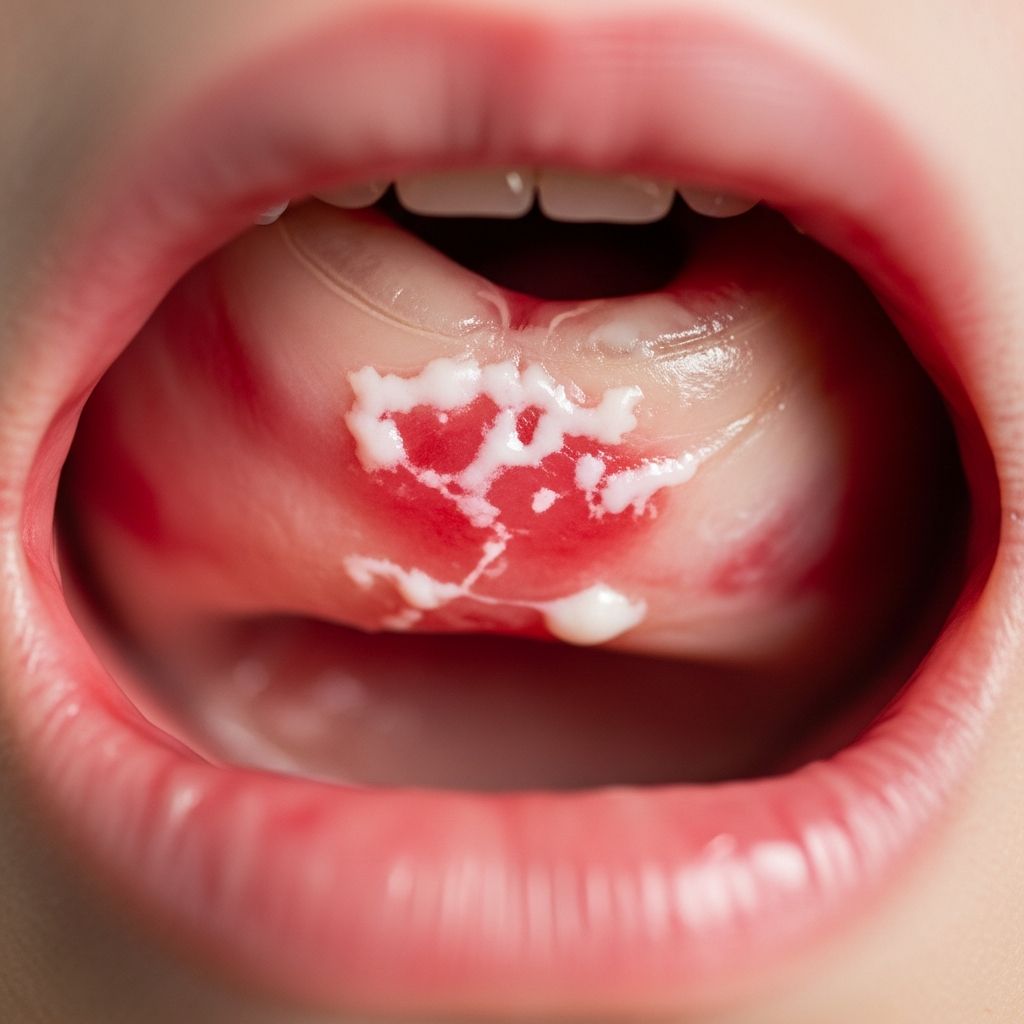
Strep throat is a bacterial infection that affects the throat and tonsils, caused by group A Streptococcus (group A strep). This infection leads to severe inflammation and a painful sore throat. While strep throat can be uncomfortable, it is easily treatable with antibiotics. If left untreated, it can lead to more serious complications such as rheumatic fever, which can cause permanent damage to the heart and heart valves. Therefore, prompt diagnosis and treatment are crucial.
Who Is Most at Risk?
Strep throat is most common in school-aged children between the ages of 5 and 15. However, it can also affect siblings, parents, teachers, and other caregivers who have direct contact with school-aged children. Anyone exposed to the bacteria can develop strep throat, regardless of age.
Symptoms of Strep Throat
The symptoms of strep throat can vary but typically include:
- Severe sore throat
- Fever
- Swollen and tender lymph nodes in the neck
- Red and swollen tonsils, sometimes with white patches or streaks of pus
- Headache
- Nausea or vomiting, especially in younger children
- Body aches
- Loss of appetite
It is important to note that strep throat usually does not cause a cough, runny nose, or hoarseness, which are more commonly associated with viral infections like the common cold.
Diagnosis of Strep Throat
A healthcare provider can diagnose strep throat using a rapid strep test or a throat culture. Both tests involve swabbing the back of the throat with a specialized cotton swab.
Rapid Strep Test
The rapid strep test is a quick and painless procedure that takes about 20 minutes. If the test is positive, it means group A strep bacteria are present, and the diagnosis is confirmed. If the test is negative, a throat culture may be performed to double-check the results.
Throat Culture
A throat culture involves sending the swab to a laboratory where it is placed on a culture dish. It takes one to two days to see if group A strep bacteria grow. Throat cultures can sometimes detect bacteria that rapid strep tests miss.
Treatment of Strep Throat
Strep throat is treated with antibiotics, which are medications that kill the bacteria causing the infection. Common antibiotics used to treat strep throat include penicillin and amoxicillin. If a patient is allergic to penicillin, the healthcare provider may prescribe an alternative antibiotic.
Antibiotic Administration
Antibiotics can be given as a shot, pill, or liquid. The typical course of treatment lasts 10 days. It is important to follow the healthcare provider’s instructions and take all of the medication, even if symptoms improve before the course is completed. The bacteria can still be present even if the patient feels better.
Related Stories



Home Remedies and Symptom Management
While antibiotics are necessary to treat the infection, there are several home remedies that can help manage symptoms:
- Drink warm liquids such as tea or broth
- Use over-the-counter pain relievers like acetaminophen or ibuprofen
- Gargle with warm salt water
- Rest and stay hydrated
Recovery and Return to Activities
Most people start to feel better within a day or two of beginning antibiotic treatment. Symptoms should be gone within seven to 10 days. If there is no fever, individuals can return to regular activities 24 hours after taking the first dose of antibiotics.
Complications of Untreated Strep Throat
If strep throat is not treated, it can lead to more serious illnesses such as:
- Rheumatic fever, which can cause permanent damage to the heart and heart valves
- Peritonsillar abscess, a collection of pus behind the tonsils
- Scarlet fever, a rash that can accompany strep throat
- Kidney inflammation (post-streptococcal glomerulonephritis)
It is important to seek medical care if symptoms do not improve within one to two days of starting antibiotics or if any of the following symptoms occur:
- High fever
- Difficulty swallowing
- Severe pain
- Swelling in the neck
- Difficulty breathing
Prevention of Strep Throat
Preventing strep throat involves good hygiene practices:
- Wash hands frequently with soap and water
- Avoid close contact with people who have strep throat
- Cover the mouth and nose when coughing or sneezing
- Do not share personal items such as utensils, drinking glasses, or towels
Frequently Asked Questions (FAQs)
Can strep throat go away on its own?
No, strep throat will not go away on its own. It is caused by bacteria and requires antibiotics to clear the infection. Untreated strep throat can lead to serious complications.
Can you get strep throat if you don’t have tonsils?
Yes, you can still get strep throat even if you don’t have tonsils. However, having your tonsils removed may reduce the frequency and severity of strep throat infections.
How long does strep throat last?
With proper treatment, strep throat usually resolves within seven to 10 days. Symptoms may start to improve within a day or two of beginning antibiotic treatment.
When should I see a healthcare provider?
You should see a healthcare provider if you have a severe sore throat, fever, swollen lymph nodes, or other symptoms of strep throat. It is important to get a proper diagnosis and start treatment promptly.
Can strep throat be prevented?
While it is not always possible to prevent strep throat, practicing good hygiene and avoiding close contact with infected individuals can reduce the risk.
References
References
- Strep Throat Symptoms, Causes & Treatment — Cleveland Clinic. 2022-12-20. https://my.clevelandclinic.org/health/diseases/4602-strep-throat
- Strep Throat vs. Sore Throat: How To Tell the Difference — Cleveland Clinic. https://health.clevelandclinic.org/strep-throat-sore-throat-best-ways-can-tell
- Group A Streptococcal Infections: Types & Symptoms — Cleveland Clinic. 2022-05-02. https://my.clevelandclinic.org/health/diseases/5911-group-a-streptococcal-infections
Similar Articles








Read full bio of Sneha Tete