Strep Throat Symptoms: 6 Key Signs And Treatment Guide
Recognize strep throat symptoms early to prevent complications and ensure prompt antibiotic treatment.
Strep throat is a contagious bacterial infection caused by group A Streptococcus bacteria, primarily affecting the throat and tonsils. It leads to sudden onset of severe sore throat, often accompanied by fever and swollen lymph nodes, distinguishing it from viral sore throats.
What Is Strep Throat?
Strep throat occurs when group A Streptococcus bacteria infect the throat and tonsils, causing inflammation and pain. This infection is highly contagious, spreading through respiratory droplets from coughing, sneezing, or close contact, or via shared surfaces. It commonly affects children aged 5-15 but can occur in adults too. Unlike viral infections, strep requires antibiotics to prevent rare but serious complications like rheumatic fever or kidney inflammation.
Symptoms typically appear 2-5 days after exposure. The bacteria can also cause related conditions such as scarlet fever, sinus infections, or ear infections.
Strep Throat Symptoms
The hallmark of strep throat is a rapid-onset sore throat that worsens quickly, making swallowing painful. Key symptoms include:
- Sudden, severe sore throat, especially painful when swallowing
- Fever of 100.4°F (38°C) or higher, often peaking on the second day
- Red, swollen tonsils with white or yellow patches/streaks/pus
- Swollen, tender lymph nodes in the neck
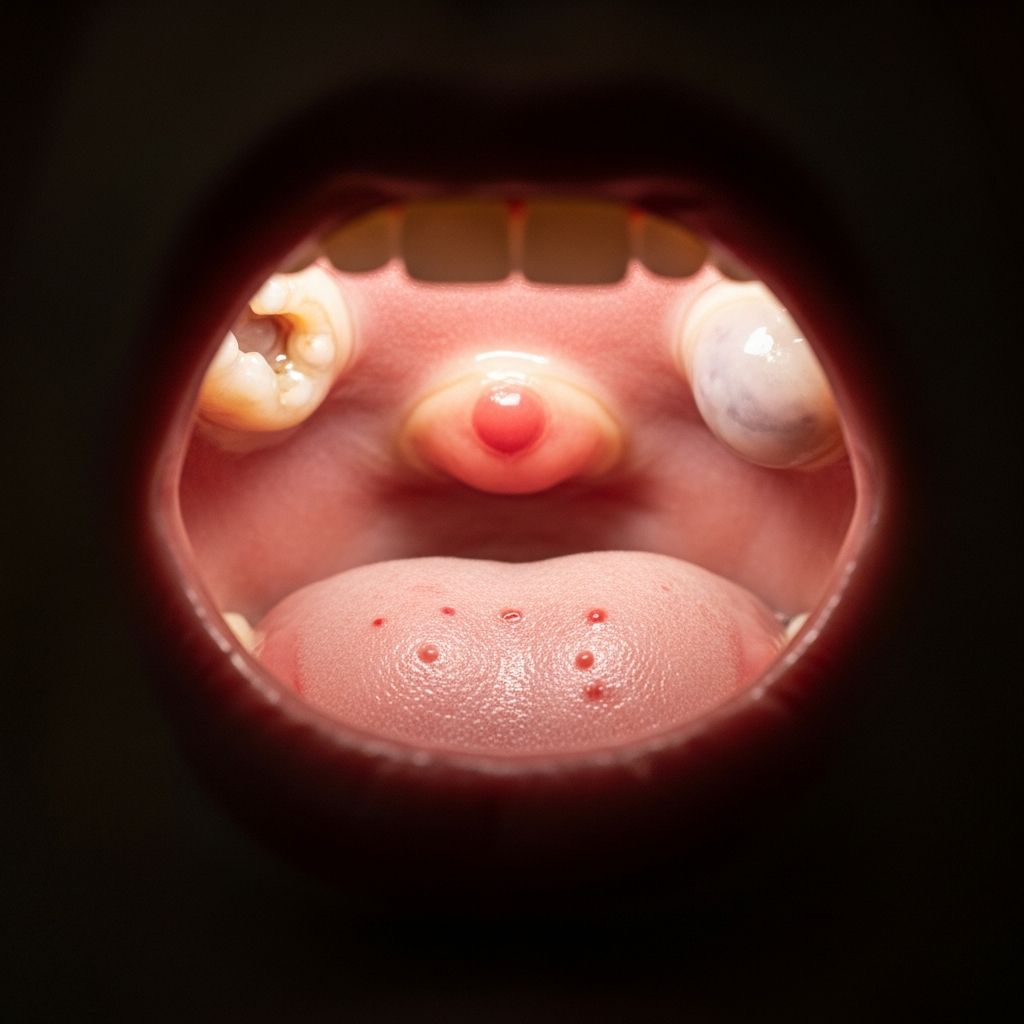
- Red spots on the roof of the mouth (petechiae)
- Strawberry-like red tongue or bright red tongue
Additional symptoms, particularly in children, may include:
- Headache
- Stomach pain, nausea, vomiting, or loss of appetite
- General malaise or fussiness
- Tiny red spots on the soft or hard palate
Strep throat typically lacks cough or runny nose, which points more to viral causes.
Strep Throat vs. Viral Sore Throat
Differentiating strep from viral pharyngitis is crucial, as only strep needs antibiotics. Use this comparison:
| Feature | Strep Throat | Viral Sore Throat |
|---|---|---|
| Cough | Rare/absent | Common |
| Onset | Sudden | Gradual |
| Fever | High (≥100.4°F) | Mild or absent |
| Tonsils | Swollen with white exudate | May be red, no pus |
| Lymph nodes | Tender, enlarged | Less prominent |
| Conjunctivitis/Runny nose | Rare | Common |
Presence of all four classic signs—no cough, fever, tender cervical nodes, tonsillar exudate—raises strep likelihood to 60-70%.
Complications of Strep Throat
Untreated strep can lead to:
- Scarlet fever: Sandpaper-like red rash starting on neck/chest, spreading body-wide; strawberry tongue; skin peeling after 7 days
- Peritonsillar abscess (pus collection near tonsils)
- Rheumatic fever (heart/kidney damage)
- Post-streptococcal glomerulonephritis (kidney inflammation)
- Ear or sinus infections
These are rare with prompt treatment but underscore the need for antibiotics.
Strep Throat Diagnosis
Diagnosis involves clinical assessment plus testing. Doctors use the Centor criteria (fever, no cough, tonsillar exudate, tender nodes) to gauge risk. Key tests:
- Rapid antigen detection test (RADT): Swab detects strep in 5-15 minutes; 70-90% sensitive. Negative in high-risk cases needs culture follow-up
- Throat culture: Gold standard, confirms in 24-48 hours
No routine blood tests needed unless complications suspected.
Strep Throat Treatment
Antibiotics are the mainstay, shortening symptoms by 1-2 days and preventing complications:
- Penicillin or amoxicillin (first-line, 10 days)
- Cephalexin or clindamycin for penicillin-allergic
- Azithromycin for broader allergies
Symptom relief:
- Acetaminophen or ibuprofen for pain/fever
- Throat lozenges, warm saltwater gargles
- Hydration, soft foods, humidifier
Complete full antibiotic course to avoid resistance/rhe recurrence.
When to See a Doctor for Strep Throat
Seek care if:
- Sore throat lasts >3 days, severe, or prevents swallowing
- Fever >100.4°F unresponsive to meds
- Signs of dehydration (few wet diapers, dry mouth, sunken eyes)
- Rash, stiff neck, drooling, muffled voice, breathing difficulty
- Child <3 months with fever; or any age with rash/hot exposure/lethargy
Related Stories



Immunocompromised individuals need urgent evaluation.
Strep Throat in Children
Children show similar symptoms but more GI issues (vomiting, abdominal pain). Infants may sleep excessively or refuse food. Dehydration risks are higher—monitor wet diapers: <6>
Prevention of Strep Throat
Prevent spread by:
- Handwashing with soap for 20 seconds
- Covering coughs/sneezes
- Avoiding close contact with infected people
- Not sharing utensils/food/drink
- Staying home until 24 hours fever-free on antibiotics
No vaccine exists.
Frequently Asked Questions (FAQs)
Is strep throat contagious?
Yes, highly contagious via droplets or surfaces; most infectious in first 2-3 days before antibiotics.
How long does strep throat last?
Untreated: 3-7 days; antibiotics shorten to 1-3 days.
Can adults get strep throat?
Yes, though less common than in children.
Does strep throat cause cough?
No, cough suggests viral infection.
What is scarlet fever?
Strep complication with sandpaper rash and strawberry tongue.
Can I test for strep at home?
No reliable home tests; see a doctor for swab.
This comprehensive guide equips you to identify strep throat promptly. Always consult healthcare providers for personalized advice.
References
- Strep Throat (Bacterial) — Nationwide Children’s Hospital. Accessed 2026. https://www.nationwidechildrens.org/conditions/strep-throat
- Strep Throat — Rady Children’s Health. Accessed 2026. https://www.rchsd.org/health-article/strep-throat/
- Strep throat — MedlinePlus Medical Encyclopedia. Accessed 2026. https://medlineplus.gov/ency/article/000639.htm
- What Is Strep Throat? — JAMA Network. 2024. https://jamanetwork.com/journals/jama/fullarticle/2818355
- 4 Tell-Tale Signs You Have Strep Throat — University of Utah Health. 2018-07-04. https://healthcare.utah.edu/the-scope/health-library/all/2018/07/4-tell-tale-signs-you-have-strep-throat
Similar Articles








Read full bio of medha deb