Stress Acne: Causes, Symptoms, And Effective Treatments
Uncover how chronic stress triggers and worsens acne breakouts, plus proven strategies to break the cycle and reclaim clear skin.
Stress Acne: How It Happens and What to Do About It
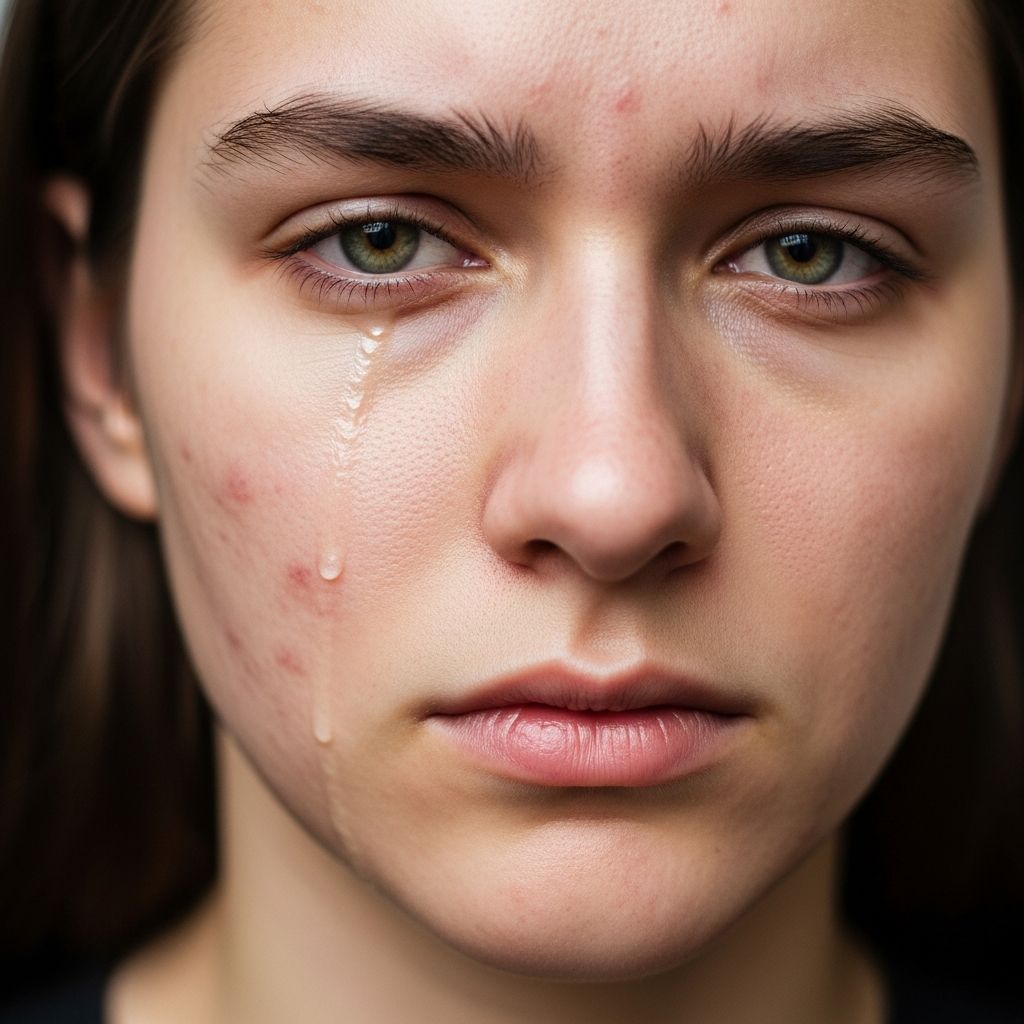
Stress acne refers to breakouts triggered or worsened by psychological stress, affecting up to 85% of adolescents and many adults worldwide. While stress doesn’t directly cause acne in pristine skin, it amplifies existing conditions by disrupting hormones, immunity, and healing processes, leading to more severe and persistent pimples.
What Causes Stress Acne?
The connection between stress and acne is well-documented in medical research. A cross-sectional study of 144 female medical students found a statistically significant positive correlation between perceived stress levels (measured by the Perceived Stress Scale, PSS) and acne severity (graded by the Global Acne Grading System, GAGS), with higher stress scores linked to worse acne (r=0.23; p<0.01).
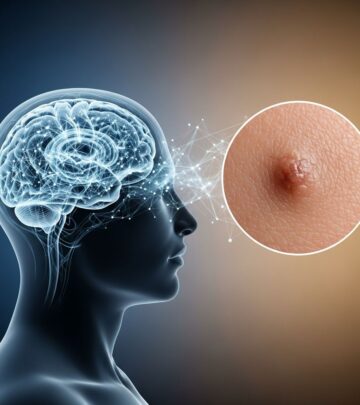
During stress, the body activates the hypothalamic-pituitary-adrenal (HPA) axis, releasing corticotropin-releasing hormone (CRH) and cortisol. CRH, expressed more in acne-affected sebaceous glands than normal skin, stimulates excess sebum production, lipid synthesis, and inflammation via cytokines like IL-6 and IL-11. This creates an oily, inflamed environment ideal for Propionibacterium acnes bacteria overgrowth, clogging pores and forming pimples.
Chronic stress also elevates adrenal androgens, causing sebaceous hyperplasia (enlarged oil glands) particularly in adult women. Wounds, including acne lesions, heal slower under stress due to impaired immune response, prolonging breakouts and increasing severity. Students often report flare-ups during exams, confirming real-world patterns.
- HPA axis activation: Releases CRH and cortisol, boosting sebum and inflammation.
- Androgen surge: Increases oil production, leading to clogged pores.
- Delayed healing: Stress slows skin repair, making pimples linger.
- Inflammatory cytokines: IL-6/IL-11 promote redness and swelling.
Symptoms of Stress Acne
Stress acne typically appears as deep, cystic pimples along the jawline, chin, and mouth—areas rich in androgen-sensitive glands—often in adults over 25. Unlike hormonal acne tied to cycles, stress variants flare unpredictably with life pressures.
| Symptom | Characteristics | Common Locations |
|---|---|---|
| Cystic nodules | Painful, pus-filled under-skin bumps | Jawline, chin |
| Inflammatory papules | Red, tender raised spots | Cheeks, forehead |
| Excess oiliness | Shiny T-zone despite washing | Nose, forehead |
| Slow healing | Pimples persist 2+ weeks | Face-wide |
Accompanying signs include fatigue, anxiety, poor sleep, and emotional distress, forming a vicious cycle where acne heightens stress.
Does Stress Acne Affect Men and Women Differently?
Women are more prone due to estrogen-androgen fluctuations amplified by stress, leading to adult-onset acne. Men experience similar sebum spikes but often attribute breakouts to diet or hygiene. Research shows no gender disparity in correlation strength, but women report higher psychological impact.
Stress Acne vs. Hormonal Acne
| Aspect | Stress Acne | Hormonal Acne |
|---|---|---|
| Triggers | Exams, work deadlines, anxiety | Menstrual cycle, PCOS, pregnancy |
| Onset | Sudden flares | Cyclic, predictable |
| Severity | Worsens existing acne | Can initiate de novo |
| Management | Stress reduction + topicals | Hormonal therapies + topicals |
Overlap exists; stress often exacerbates hormonal patterns via cortisol-androgen interplay.
Treatments for Stress Acne
Address both root causes: skin and stress. Topical treatments unclog pores and reduce bacteria; systemic options target inflammation.
Over-the-Counter Options
- Benzoyl peroxide (2.5-5%): Kills P. acnes, reduces inflammation. Start low to avoid dryness.
- Salicylic acid (0.5-2%): Exfoliates pores, prevents clogs.
- Adapalene (0.1% gel): Retinoid for cell turnover, blackhead prevention.
Prescription Treatments
- Topical retinoids (tretinoin, tazarotene): Normalize skin shedding, fade post-acne marks.
- Oral antibiotics (doxycycline): For moderate inflammatory acne, short-term use.
- Spironolactone (women): Blocks androgens, ideal for jawline cysts.
- Isotretinoin (Accutane): For severe, refractory cases; monitored for side effects.
Combine with non-comedogenic moisturizers and sunscreen. Improvement takes 4-8 weeks; consult a dermatologist for persistence.
Home Remedies and Lifestyle Changes
Support medical treatments with daily habits targeting stress and skin health.
- Double cleanse: Oil-based then foaming cleanser to remove makeup/sebum without stripping.
- Non-comedogenic products: Oil-free moisturizers, mattifying sunscreen.
- Diet tweaks: Low-glycemic foods, reduce dairy/sugar which may spike androgens.
- Sleep hygiene: 7-9 hours nightly; cortisol peaks with sleep debt.
Stress Management Techniques
Reducing stress directly improves acne by normalizing HPA axis activity. Evidence supports these for faster healing.
- Mindfulness meditation (10 min/day): Lowers cortisol; apps guide beginners.
- Yoga or tai chi: 3x/week reduces androgens, improves circulation.
- Deep breathing (4-7-8 method): Instant cortisol drop during flares.
- Exercise (30 min moderate): Endorphins counter stress hormones.
- Cognitive behavioral therapy (CBT): For chronic anxiety fueling breakouts.
Biofeedback and relaxation training have shown acne improvements in interventional studies.
Prevention Tips
Proactive steps minimize flares:
- Track stressors and skin via journal/app.
- Maintain consistent skincare routine.
- Prioritize sleep and nutrition.
- Use stress buffers preemptively (e.g., pre-exam meditation).
- Avoid picking/squeezing to prevent scarring.
When to See a Dermatologist
Seek professional care if:
- Acne scars, cysts, or nodules form.
- OTC fails after 8 weeks.
- Signs of infection (fever, swelling).
- Acne causes depression/anxiety.
Dermatologists assess via GAGS, prescribe tailored regimens, and screen for underlying issues like PCOS.
Frequently Asked Questions (FAQs)
Can stress cause acne if I never had it before?
No, stress worsens existing acne predisposition but doesn’t create it from clear skin. It amplifies genetic/oil factors.
How long does stress acne last?
With stress reduction and treatment, 2-6 weeks. Untreated, it persists with stressors.
Does diet play a role in stress acne?
Indirectly; high-glycemic foods mimic stress by spiking insulin/androgens. Focus on balanced meals.
Can stress acne lead to permanent scars?
Yes, cystic types inflame deeply. Early treatment prevents this.
Is stress acne more common in adults?
Yes, affecting 40-50% of adults vs. teens, often hormonal-stress hybrid.
References
- The association between stress and acne among female medical students — Al-Amin MM et al. 2017-10-31. https://pmc.ncbi.nlm.nih.gov/articles/PMC5722010/
- Acne, stress and depression — La Roche-Posay. Accessed 2026. https://www.laroche-posay.me/en/article/acne-stress-and-depression
- How Stress Affects Acne — Healthline. Accessed 2026. https://www.healthline.com/health/stress-acne
Similar Articles



Read full bio of Sneha Tete