Stress And Insulin Resistance: 7 Ways To Protect Blood Sugar
Discover how chronic stress elevates insulin resistance risk and practical strategies to mitigate its impact on metabolic health.
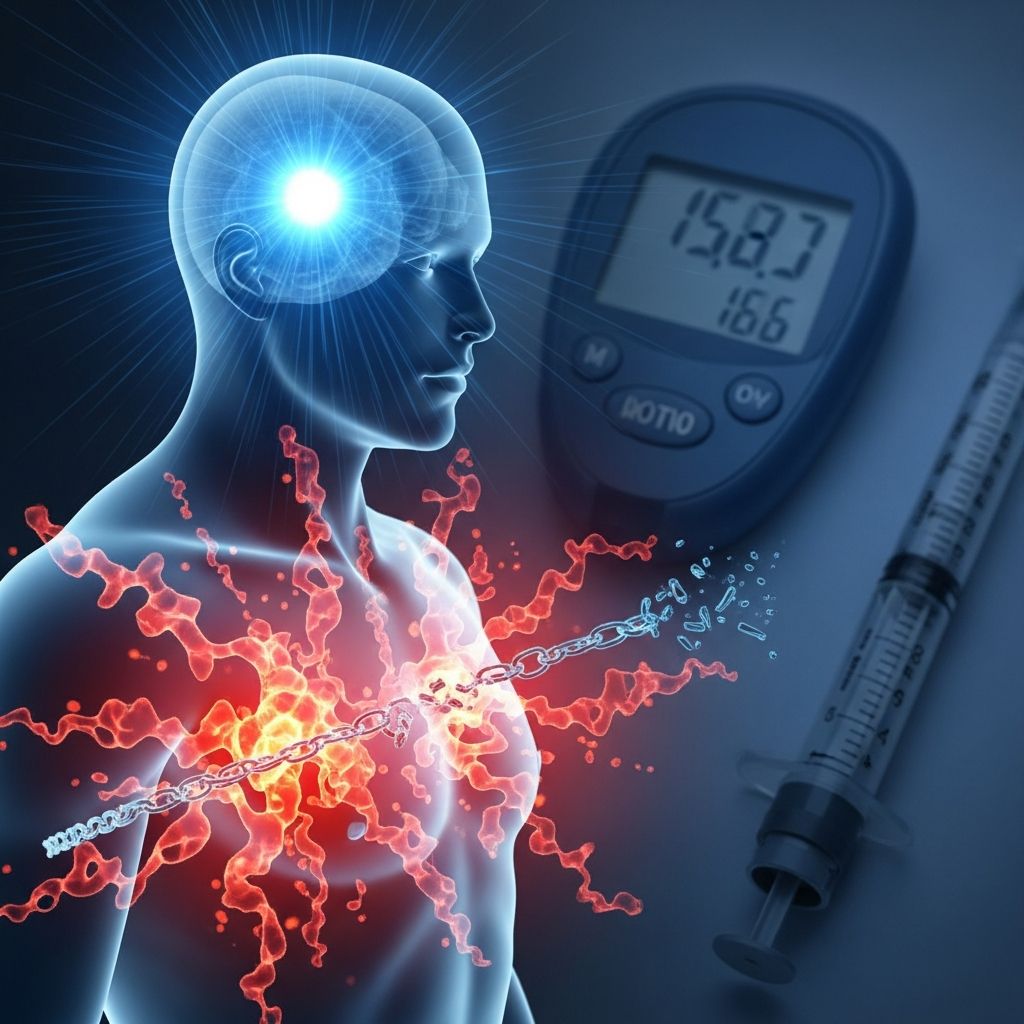
Stress and Insulin Resistance Risk
Chronic stress significantly increases the risk of
insulin resistance
, a precursor to type 2 diabetes, by disrupting glucose homeostasis through multiple molecular pathways including the HPA axis, autonomic nervous system, and immune responses. This article examines the mechanisms, symptoms, risk factors, and practical interventions to counteract stress-induced metabolic dysfunction.What Is Insulin Resistance?
**Insulin resistance** occurs when cells in muscles, fat, and liver fail to respond effectively to insulin, forcing the pancreas to produce more insulin to regulate blood sugar. Over time, this leads to hyperinsulinemia and elevated blood glucose, setting the stage for prediabetes and type 2 diabetes.
Stress exacerbates this by activating counter-regulatory hormones like cortisol and adrenaline, which promote gluconeogenesis and impair insulin signaling. Clinical evidence shows stressed individuals exhibit poorer glycemic control, with chronic exposure correlating to higher diabetes incidence.
How Does Stress Affect Insulin Sensitivity?
Stress triggers the body’s “fight or flight” response via three primary systems: the hypothalamus-pituitary-adrenal (HPA) axis, renin-angiotensin system (RAS), and autonomic nervous system (ANS). Acute stress induces transient hyperglycemia, but chronic activation leads to sustained insulin resistance.
- HPA Axis Dysregulation: Prolonged cortisol elevation antagonizes insulin action in peripheral tissues, promoting fat accumulation and lipotoxicity.
- ANS Overactivation: Sympathetic dominance reduces insulin sensitivity by modulating adipokines and catecholamines.
- Immune and Inflammatory Pathways: Stress-induced cytokines like TNF-α and IL-6 interfere with insulin receptor substrates (IRS-1/2).
Behavioral changes compound these effects: stressed individuals often engage in emotional eating, consume high-calorie foods, and neglect exercise, further impairing metabolic health.
Mechanisms Linking Stress to Insulin Resistance
Research identifies six key molecular pathways:
- Pancreatic Beta-Cell Dysfunction: Chronic stress hormones exhaust beta cells, reducing insulin secretion.
- Lipid Metabolism Disruption: Elevated free fatty acids from stress-induced lipolysis create ectopic fat deposits that hinder insulin signaling.
- Renin-Angiotensin System (RAS): Angiotensin II impairs glucose uptake in skeletal muscle.
- Autonomic Nervous System: Sympathetic hyperactivity predicts insulin resistance via catecholamine surges.
- Immune Response: Pro-inflammatory states from stress activate NF-κB, blocking insulin pathways.
- Endocrine Hormones: Growth hormone and glucagon oppose insulin during prolonged stress.
Workplace stress studies, like Chandola et al. (2006), confirm chronic job strain correlates with insulin resistance in large cohorts.
Symptoms of Insulin Resistance
Early signs are subtle but progressive:
- Fatigue after meals due to inefficient glucose utilization.
- Cravings for sugary foods from blood sugar instability.
- Weight gain, especially abdominal fat, as stress promotes visceral adiposity.
- Dark skin patches (acanthosis nigricans) indicating hyperinsulinemia.
- High blood pressure and elevated triglycerides.
In stressed populations, symptoms worsen with poor sleep and irregular eating, mimicking reactive hypoglycemia.
Risk Factors Beyond Stress
| Risk Factor | Description | Stress Interaction |
|---|---|---|
| Sedentary Lifestyle | Lack of exercise reduces muscle glucose uptake | Stress discourages physical activity |
| Poor Diet | High-GI foods spike insulin demand | Emotional eating favors refined carbs |
| Sleep Deprivation | Disrupts cortisol rhythms | Chronic stress causes insomnia |
| Genetics | Family history of T2D | Stress amplifies genetic predisposition |
| Obesity | Adipose tissue inflammation | Cortisol drives central obesity |
Women under chronic stress face elevated type 2 diabetes risk, per recent findings.
7 Ways Stress Makes Blood Sugar Unpredictable
- Hormonal Surges: Cortisol/adrenaline raise blood sugar and induce insulin resistance.
- Reduced Insulin Sensitivity: Cells ignore insulin signals during stress.
- Emotional Eating: High-sugar intake causes spikes and crashes.
- Sleep Disruption: Poor rest impairs insulin use.
- Skipped Monitoring: Stress leads to inconsistent glucose checks.
- Exercise Neglect: Inactivity worsens resistance.
- Hypoglycemia Risk: Reactive drops post-meals in stressed states.
Strategies to Improve Insulin Sensitivity and Manage Stress
Lifestyle modifications can reverse stress-induced damage:
Dietary Approaches
- Choose
low-GI foods
: Vegetables, whole grains, legumes for steady glucose release. - Eat balanced meals with protein, fiber, healthy fats every 3-4 hours.
- Avoid high-sugar drinks and refined carbs.
Stress Reduction Techniques
- Mindfulness: Deep breathing, meditation lower cortisol.
- Exercise: 30 minutes daily aerobic activity enhances insulin sensitivity.
- Sleep Hygiene: 7-9 hours nightly regulates hormones.
Sample Weekly Plan
| Day | Meal Focus | Stress Relief | Activity |
|---|---|---|---|
| Monday | Protein + veggies | 10-min meditation | Brisk walk |
| Tuesday | Low-GI grains | Journaling | Yoga |
| Wednesday | Healthy fats | Deep breathing | Strength training |
| Thursday | Fiber-rich | Music therapy | Swim |
| Friday | Balanced plate | Walk in nature | Cycling |
| Weekend | Flexible, mindful | Social support | Rest/active recovery |
Consistent application yields measurable improvements in insulin sensitivity within weeks.
Bottom Line
Managing stress is crucial for preventing insulin resistance progression to type 2 diabetes. By addressing HPA dysregulation, adopting low-GI eating, prioritizing sleep, and incorporating stress relief, individuals can restore metabolic balance. Consult healthcare providers for personalized plans, especially with existing conditions.
Frequently Asked Questions (FAQs)
What is the direct link between stress and insulin resistance?
Stress hormones like cortisol impair insulin signaling via HPA axis, ANS, and inflammation, leading to glucose dysregulation.
Can stress cause blood sugar crashes?
Yes, through reactive hypoglycemia or excessive insulin response post-high-carb meals under stress.
How much exercise reverses insulin resistance?
150 minutes weekly moderate activity, combined with resistance training, significantly improves sensitivity.
Does diet alone fix stress-related insulin issues?
No, but low-GI, balanced meals reduce glycemic load; pair with stress management for optimal results.
Who is at highest risk from stress-induced diabetes?
Those with chronic work stress, poor coping skills, obesity, or genetic predisposition.
References
- Molecular mechanisms linking stress and insulin resistance — Yaribeygi H et al. PMC. 2022-03-29. https://pmc.ncbi.nlm.nih.gov/articles/PMC8971350/
- Can stress affect blood sugar? 7 ways to keep your blood sugar stable — Baylor Scott & White Health. 2023-10-12. https://www.bswhealth.com/blog/can-stress-affect-blood-sugar
- Insulin Resistance: What It Is, Causes, Symptoms & Treatment — Cleveland Clinic. 2023-11-17. https://my.clevelandclinic.org/health/diseases/22206-insulin-resistance
Similar Articles







Read full bio of Sneha Tete