Stress Causing Inflammation: What You Can Do About It
Discover how chronic stress triggers harmful inflammation and learn practical, science-backed strategies to reduce it for better health.
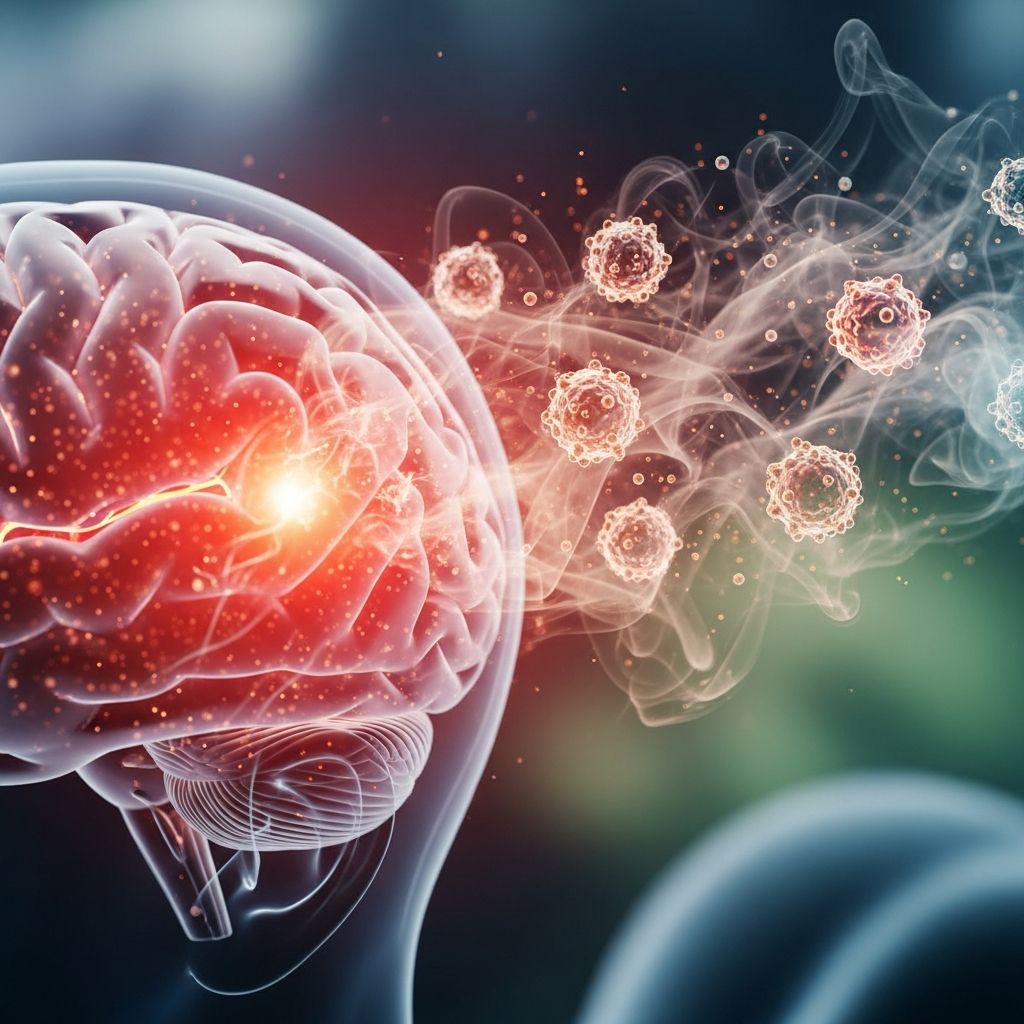
Chronic stress doesn’t just affect your mind—it triggers persistent inflammation throughout your body, contributing to serious health issues like heart disease, diabetes, depression, and more. Understanding this connection empowers you to take control with targeted lifestyle changes.
How Stress Causes Inflammation
When you face stress, your body activates the fight-or-flight response, releasing hormones like cortisol and adrenaline. This is adaptive for short-term threats but harmful when chronic. Prolonged exposure leads to overproduction of pro-inflammatory cytokines such as IL-6, TNF-α, and CRP, creating a state of low-grade, systemic inflammation.
Research shows intense or repeated stress over-activates the immune system via the sympathetic nervous system (SNS) and hypothalamic-pituitary-adrenal (HPA) axis. This imbalance suppresses anti-inflammatory responses, like glucocorticoid sensitivity, allowing inflammation to persist. For instance, chronic stressors elevate circulating inflammatory markers, linking stress to endothelial dysfunction in arteries and increased cardiovascular risk.
The Health Impacts of Stress-Induced Inflammation
Persistent inflammation from stress acts as a common pathway for numerous chronic conditions. Here’s how it manifests:
- Cardiovascular Disease (CVD): Stress-induced IL-6 and CRP promote plaque buildup and hypertension, accelerating atherosclerosis.
- Metabolic Disorders: Inflammation disrupts insulin signaling, contributing to type 2 diabetes and non-alcoholic fatty liver disease (NAFLD).
- Mental Health Issues: Pro-inflammatory cytokines cross the blood-brain barrier, altering serotonin and dopamine, heightening depression and anxiety risk.
- Neurodegenerative Diseases: Chronic neuroinflammation exacerbates Alzheimer’s by promoting amyloid-beta deposits.
- Musculoskeletal Pain: Inflammation flares arthritis, fibromyalgia, and muscle tension.
Studies confirm that work-related or early-life stress correlates with elevated CRP and IL-6, directly tying psychosocial factors to disease progression.
Signs Your Stress Is Causing Inflammation
Stress-induced inflammation often presents subtly before major diseases emerge. Common symptoms include:
- Persistent fatigue and low energy
- Frequent headaches or migraines
- Digestive problems like bloating or IBS
- Joint pain and muscle stiffness
- Skin issues such as acne or eczema flares
- Mood changes: irritability, anxiety, or depression
- Sleep disturbances and weakened immunity
These arise because cytokines disrupt gut health, impair neuroplasticity, and heighten pain sensitivity. If you notice these alongside high stress, it’s a signal to intervene.
6 Ways to Reduce Stress and Inflammation
Fortunately, evidence-based strategies can break this cycle. Focus on holistic approaches targeting both stress and inflammation.
1. Prioritize Physical Activity
Regular exercise lowers cortisol, boosts anti-inflammatory cytokines, and enhances HPA axis regulation. Aim for 150 minutes of moderate aerobic activity weekly, plus strength training. Activities like walking, yoga, or swimming are ideal as they combine movement with mindfulness.
- Brisk walking reduces IL-6 by 20-30% post-session.
- Yoga decreases CRP and improves mood via vagal tone.
2. Adopt an Anti-Inflammatory Diet
Nutrition directly modulates inflammation. Emphasize whole foods rich in omega-3s, antioxidants, and fiber while limiting sugar and processed items.
| Pro-Inflammatory Foods (Limit) | Anti-Inflammatory Foods (Emphasize) |
|---|---|
| Sugary drinks, refined carbs | Fatty fish (salmon), berries |
| Processed meats, trans fats | Leafy greens, nuts, olive oil |
| Excess alcohol | Turmeric, ginger, green tea |
Mediterranean-style eating patterns reduce CRP by up to 20% and buffer stress responses.
3. Practice Mindfulness and Meditation
Mindfulness-based stress reduction (MBSR) lowers pro-inflammatory gene expression (e.g., NF-κB) and increases anti-inflammatory pathways. Daily 10-20 minute sessions of meditation or deep breathing can drop cortisol by 25%.
- Apps-guided sessions build resilience to stressors.
- Progressive muscle relaxation eases physical tension.
4. Optimize Sleep Hygiene
Poor sleep amplifies inflammation; aim for 7-9 hours nightly. Chronic sleep deprivation elevates IL-6 and TNF-α. Tips:
- Consistent bedtime routine
- Avoid screens 1 hour pre-bed
- Cool, dark environment
5. Foster Social Connections
Strong relationships buffer stress via oxytocin release, which dampens inflammation. Loneliness, conversely, raises CRP comparably to smoking. Schedule regular calls, meetups, or join groups.
6. Consider Supplements (with Professional Guidance)
Omega-3s (EPA/DHA), curcumin, and probiotics show promise in reducing cytokines. Always consult a doctor, as they interact with meds.
How Long Does It Take to Reduce Inflammation from Stress?
Noticeable reductions in markers like CRP can occur in 4-8 weeks with consistent changes. Acute improvements in symptoms like fatigue may appear sooner (1-2 weeks), but reversing chronic damage takes 3-6 months. Track progress with blood tests or journals.
Frequently Asked Questions (FAQs)
Can stress alone cause chronic inflammation?
Yes, chronic stress dysregulates the immune system, leading to sustained cytokine production independent of injury or infection.
Does exercise increase inflammation?
Acute bouts cause temporary rises, but regular exercise net-reduces chronic inflammation by improving immune balance.
Is inflammation from stress reversible?
Absolutely—with lifestyle interventions, inflammatory markers decline, and health risks lessen significantly.
What’s the best diet for stress and inflammation?
The Mediterranean diet, high in plants, fish, and healthy fats, excels at lowering both.
Can meditation really lower inflammation?
Yes, studies show it downregulates pro-inflammatory genes and cytokines.
References
- Inflammation: The Common Pathway of Stress-Related Diseases — Han, Y., et al. National Library of Medicine (PMC). 2017-06-15. https://pmc.ncbi.nlm.nih.gov/articles/PMC5476783/
- Is Chronic Stress Causing Your Body Inflammation? — WeFixBrains. 2023-10-01. https://wefixbrains.com/resources/is-chronic-stress-causing-your-body-inflammation
- How Reducing Stress Reduces Inflammation — ArthritisSJ. 2024-05-12. https://arthritissj.com/how-reducing-stress-reduces-inflammation/
- Stress Effects on the Body — American Psychological Association. 2023-11-01. https://www.apa.org/topics/stress/body
- 10 Strange Things Stress Can Do to Your Body — Cleveland Clinic. 2024-02-20. https://health.clevelandclinic.org/things-stress-can-do-to-your-body
Similar Articles





Read full bio of Sneha Tete