Stress Fractures: Symptoms, Causes & Treatment
Understanding stress fractures: causes, symptoms, diagnosis, and effective treatment options for recovery.
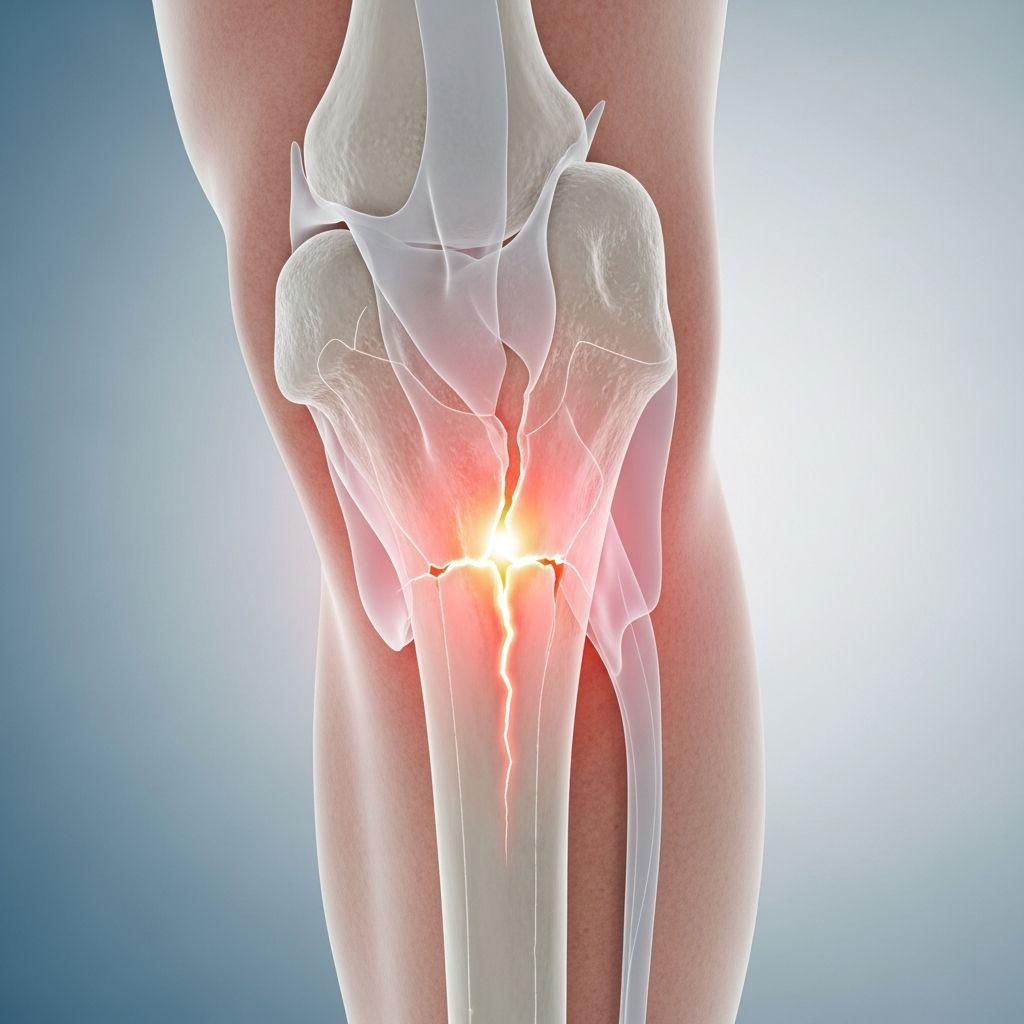
What Are Stress Fractures?
A stress fracture is a small crack in a bone that develops due to repetitive stress and overuse. Unlike acute fractures that occur suddenly from a single traumatic event, stress fractures develop gradually as the bone experiences cumulative pressure without adequate recovery time. These injuries are particularly common in athletes, military personnel, and individuals engaged in high-impact activities.
Stress fractures typically begin as inflammation on a bone’s surface, which healthcare providers refer to as a stress reaction. A stress reaction functions similarly to a deep bone bruise. If pressure continues on the same area before the stress reaction heals completely, the bone may crack, creating a stress fracture. This process occurs as the bruise penetrates deeper into the bone structure, progressively weakening it until it becomes susceptible to breaking.
The weight-bearing bones of the lower leg and foot are the most common sites for stress fractures, accounting for more than half of all cases. These bones and their supporting muscles constantly bear your body weight and absorb the forces generated during walking, running, jumping, and other physical activities. When the supporting muscles become fatigued, they transfer force to the bones, adding stress that can result in cracks.
Common Locations for Stress Fractures
While stress fractures can occur anywhere on the body, certain bones are more susceptible due to their function and the forces they bear:
- Tibia (shinbone): The most common location for stress fractures, particularly in runners and military recruits
- Fibula (smaller leg bone): Often affected in athletes participating in jumping and running sports
- Metatarsals (foot bones): Frequently affected in runners, dancers, and basketball players
- Calcaneus (heel bone): Can develop stress fractures from both overuse and acute trauma
- Hip and pelvis: More serious stress fractures that require careful monitoring
- Navicular (foot bone): A particularly challenging location due to limited blood supply
Symptoms and Signs of Stress Fractures
Recognizing the early signs of a stress fracture is crucial for prompt treatment and prevention of progression. Symptoms typically develop gradually and may include:
- Pain that begins or worsens with physical activity and improves with rest
- Localized swelling and tenderness over the affected bone
- Gradual onset of discomfort in the heel or foot area
- Pain that is typically limited to the area directly over the injured bone rather than being generalized
- Visible swelling in the affected area
- Increasing pain if the activity continues without adequate rest
The pain associated with stress fractures is distinctive because it typically localizes to a specific point over the injured bone. This is an important clinical finding that helps differentiate stress fractures from other conditions that may cause more generalized foot or leg pain.
Causes and Risk Factors
Stress fractures result from the combination of repetitive stress and insufficient recovery time. Understanding the causes helps identify individuals at higher risk for developing these injuries.
Primary Causes
The primary cause of stress fractures is overtraining with inadequate recovery. When muscles fatigue from repetitive activity, they can no longer absorb the impact forces effectively, transferring this stress directly to the bones. This is particularly common in athletes who dramatically increase their training intensity or volume without allowing proper adaptation time.
Risk Factors
Several factors increase an individual’s susceptibility to stress fractures:
- Sudden increase in activity level: Rapidly escalating training intensity or duration without gradual progression
- Poor training techniques: Improper form or biomechanics in running or other activities
- Inadequate footwear: Shoes that lack proper support or cushioning
- Low bone mineral density: Osteoporosis or osteopenia increases fracture risk
- Nutritional deficiencies: Insufficient calcium and vitamin D intake
- Hormonal factors: Irregular menstrual cycles in female athletes
- Age: Adolescents and young adults are more susceptible
- Chronic smoking: Impairs bone healing and increases fracture risk
- Certain medical conditions: Metabolic disorders affecting bone health
Diagnosis of Stress Fractures
Accurate diagnosis is essential for proper treatment and recovery. Healthcare providers employ various clinical examination techniques and imaging studies to confirm stress fractures.
Clinical Examination
During a physical examination, your provider will assess your symptoms and medical history. They will examine your foot and ankle for areas of tenderness and apply gentle pressure directly to the suspected injured bone. A key diagnostic indicator is pain in response to this direct pressure. Your provider might also ask you to stand or hop on one leg and then the other to understand where the stress fracture might be located and how it affects your ability to move normally.
Imaging Studies
Several imaging techniques can help identify stress fractures:
- Plain radiographs (X-rays): Often the initial imaging study, though stress fractures may not be visible in early stages
- Magnetic resonance imaging (MRI): Highly sensitive for detecting stress fractures, even when plain radiographs appear normal. MRI is particularly useful when initial X-rays are inconclusive
- Computed tomography (CT scan): Provides detailed three-dimensional images and can be useful for assessing complex fractures
- Bone scan (scintigraphy): Can detect stress fractures by showing areas of increased bone activity
Treatment Options for Stress Fractures
Treatment strategies depend on the location and severity of the fracture, as well as individual factors affecting healing. Most stress fractures respond well to conservative management, though some cases require more aggressive intervention.
Nonsurgical Treatment
The primary goal of stress fracture treatment is to allow the bone to heal completely. Most people respond well to conservative approaches:
- Rest and activity modification: Stop the activities that caused the stress fracture while your bone heals. Rest is the foundation of treatment, typically requiring several weeks to months of modified activity
- RICE protocol: Rest, ice, compression, and elevation help reduce pain and inflammation
- Anti-inflammatory medications: Over-the-counter pain relievers can help manage discomfort
- Weight-bearing restrictions: Using crutches or other assistive devices to keep weight off the affected foot until pain subsides
- Protective footwear: Ankle boots or specialized shoes may be recommended to immobilize the area
- Modified activities: Switch to low-impact activities like swimming or cycling that don’t stress the injured bone
- Nutritional support: Calcium and vitamin D supplementation to support bone healing
- Progressive rehabilitation: Gradual return to normal activities as healing progresses
Surgical Treatment
Surgery is generally reserved for cases that don’t respond adequately to conservative treatment. Your doctor might suggest surgery if the fracture isn’t healing as expected, if you’re experiencing severe symptoms, or if the fracture is located in a bone more likely to cause complications, such as your hip joint. Surgical treatment typically involves supporting the bones by inserting internal fixation devices such as specialized pins, screws, and plates that hold the small bones together during the healing process.
Healing Timeline and Recovery
The recovery timeframe varies depending on the fracture’s severity and location. In most cases, stress fractures take 6 to 8 weeks to heal with appropriate treatment. More serious stress fractures may require longer healing periods, and chronic stress fractures or those in bones with limited blood supply can take even longer to recover completely.
As long as you can feel pain, the bone is still fragile in that area and could break again in the same place. It’s critical to avoid returning to activities too soon, as doing so can result in prolonged recovery or even a sudden worsening of the fracture that could require surgery.
Complications of Untreated or Poorly Managed Stress Fractures
Stress fractures usually heal successfully with adequate rest and appropriate treatment. However, complications can arise if you continue participating in aggravating activities or don’t allow sufficient healing time before returning to normal activities. Potential complications include:
- Nonunion: Incomplete healing where the bone doesn’t fully mend
- Malunion: Abnormal healing that can result in chronic pain and disability
- Complete fracture: Progression of the stress fracture to a full break
- Repetitive fractures: Recurring stress fractures in the same or other bones
- Chronic pain: Persistent discomfort even after the bone has healed
Prevention Strategies
Preventing stress fractures is more effective than treating them. Consider these evidence-based prevention strategies:
- Gradual progression: Increase training intensity or duration by no more than 10% per week
- Adequate recovery: Allow sufficient rest days between intense training sessions
- Proper footwear: Wear shoes appropriate for your sport that provide adequate cushioning and support
- Technique optimization: Work with coaches or trainers to ensure proper form and biomechanics
- Nutritional support: Maintain adequate intake of calcium, vitamin D, and protein
- Cross-training: Vary activities to avoid repetitive stress on the same bones
- Bone health assessment: Get a DEXA scan if you have risk factors for low bone density
- Lifestyle modifications: Avoid smoking and limit alcohol consumption
When to Seek Medical Care
Visit a healthcare provider if you experience persistent pain during or after physical activity, localized swelling, or tenderness in your foot, leg, or other bones. Early diagnosis and treatment can significantly accelerate healing and prevent complications. A healthcare provider needs to diagnose and treat all stress fractures, even though rest and recovery are the most common treatments, because you still need your injury examined and diagnosed by a professional before returning to sports or other physical activities.
Frequently Asked Questions
Q: Can stress fractures heal on their own without medical treatment?
A: While rest plays a crucial role in healing, it’s important to have a stress fracture diagnosed and monitored by a healthcare provider. Professional guidance ensures you’re following appropriate activity modifications and can prevent progression to a complete fracture.
Q: How long before I can return to sports after a stress fracture?
A: Most people need to rest for at least a few weeks after experiencing a stress fracture and might need to avoid sports and other physical activities for several months. Your healthcare provider will provide specific guidance based on the fracture’s location and severity.
Q: Can stress fractures occur from a single injury?
A: While stress fractures typically result from repetitive overuse, they can occasionally result from acute trauma, as documented in case studies of calcaneal stress fractures following a single stepping event. However, underlying risk factors often contribute to fracture development.
Q: What’s the difference between a stress fracture and a regular fracture?
A: Stress fractures develop gradually from repetitive stress and overuse, while regular fractures typically occur suddenly from a traumatic injury. Stress fractures are often not visible on initial X-rays, requiring MRI for confirmation.
Q: Do I need surgery for a stress fracture?
A: Most people don’t need surgery to treat a stress fracture. Surgery is typically only recommended if the fracture isn’t healing properly, if symptoms are severe, or if the fracture is in a location prone to complications.
Q: How can I prevent stress fractures?
A: Prevent stress fractures by gradually increasing training intensity, allowing adequate recovery time, wearing appropriate footwear, maintaining good nutrition with sufficient calcium and vitamin D, and using proper technique during physical activities.
References
- Calcaneus and Traumatic Stress Fracture — National Institutes of Health / PubMed Central. 2024. https://pmc.ncbi.nlm.nih.gov/articles/PMC12422668/
- Stress Fractures: Symptoms, Causes & Treatment — Cleveland Clinic. 2023-05-23. https://my.clevelandclinic.org/health/diseases/15841-stress-fractures
- Stress Fractures of the Foot and Ankle — American Academy of Orthopaedic Surgeons (AAOS). https://orthoinfo.aaos.org/en/diseases–conditions/stress-fractures-of-the-foot-and-ankle/
- Stress Fractures: Symptoms, Causes, Risk Factors & Treatment — Healthgrades. https://resources.healthgrades.com/right-care/bones-joints-and-muscles/stress-fracture
- Stress Fracture and Bone Stress — Reach Physiotherapy. https://reachphysiotherapy.com/stress-fracture-and-bone-stress/
Similar Articles








Read full bio of medha deb