Stress Headache: Expert Guide To Relief, Causes & Prevention
Learn about tension headaches, their causes, symptoms, treatments, and prevention strategies for lasting relief.

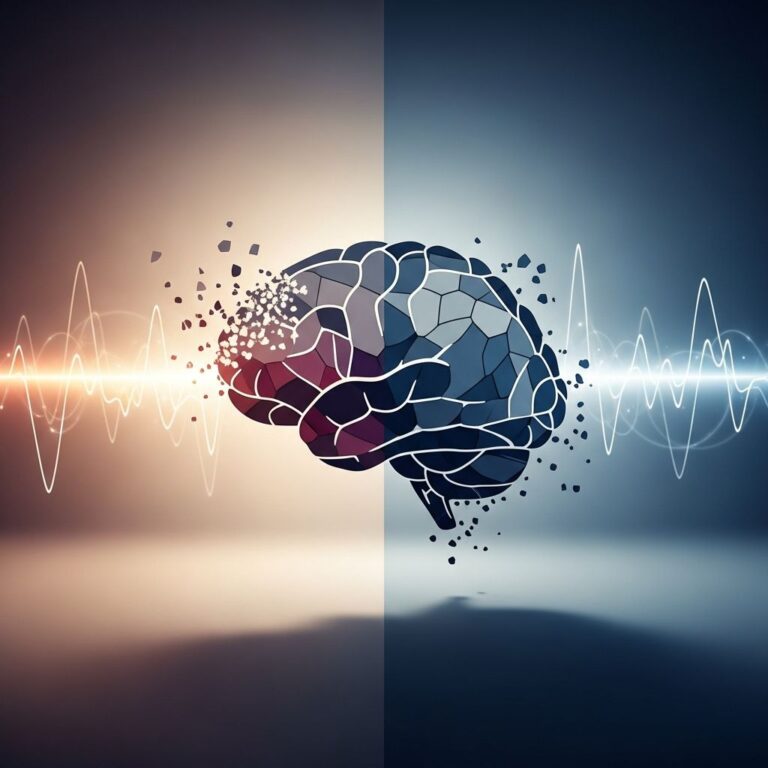
Tension headaches, commonly known as stress headaches, affect up to 80% of people at some point in their lives. These are the most prevalent type of primary headache, characterized by a tight band-like pain around the head. Unlike migraines, they rarely disrupt daily activities severely but can become chronic if unmanaged.
According to the National Institute of Neurological Disorders and Stroke (NINDS), tension-type headaches (TTH) are classified into episodic (less than 15 days/month) and chronic (15+ days/month). Stress is the primary trigger, but factors like muscle tension, poor sleep, and dehydration contribute significantly.
What Is a Stress Headache?
A stress headache feels like a dull, aching pain or pressure encircling the forehead, temples, or back of the head and neck. The sensation is often described as a ‘tight band’ squeezing the skull. Pain is typically mild to moderate and bilateral (both sides), lasting from 30 minutes to several days.
Stress headaches differ from other types:
- Vs. Migraine: No nausea, vomiting, light/sound sensitivity, or throbbing pain.
- Vs. Cluster: Not intensely painful or one-sided; no autonomic symptoms like tearing eyes.
- Vs. Sinus: No facial pressure or congestion.
The International Classification of Headache Disorders (ICHD-3) defines TTH by these features: at least two of pressing/tightening quality, mild-moderate intensity, bilateral location, and no nausea or aggravation by routine activity.
Symptoms of Stress Headaches
Recognizing symptoms early aids prompt relief. Common signs include:
- Dull, aching head pain (not throbbing)
- Tightness or pressure across forehead, temples, or occiput
- Tender scalp, neck, or shoulder muscles
- Pain worsens with stress, fatigue, or clenching jaw
- Occasional sensitivity to light/noise (mild photophobia/phonophobia)
| Feature | Stress (Tension) | Migraine | Cluster |
|---|---|---|---|
| Pain Type | Dull pressure | Throbbing | Sharp, burning |
| Location | Bilateral band | Unilateral | One-sided eye/temple |
| Duration | 30 min–7 days | 4–72 hours | 15–180 min |
| Associated Symptoms | Muscle tenderness | Nausea, aura | Eye tearing, runny nose |
Chronic cases may lead to medication overuse headache if painkillers are overused.
Causes and Triggers of Stress Headaches
Stress headaches stem from muscle contraction in head/neck and central pain sensitization. Key triggers:
- Emotional Stress: Anxiety, depression activate ‘fight-or-flight,’ tensing muscles.
- Physical Strain: Poor posture (hunched over screens), teeth grinding (bruxism).
- Lifestyle Factors: Sleep deprivation, hunger, dehydration, caffeine withdrawal.
- Environmental: Bright lights, noise, strong odors.
- Hormonal: Fluctuations in women (menstrual, menopause).
A 2023 study in The Journal of Headache and Pain found chronic stress elevates cortisol, sensitizing pain pathways. Eye strain from prolonged screen time (digital eye strain) contributes in 70% of cases per American Optometric Association data.
Risk Factors
Anyone can experience stress headaches, but risks include:
- Female sex (1.5x more common)
- Age 20–40
- Family history
- Anxiety/depression disorders
- High-stress jobs
- Sleep disorders
Stress Headache Treatments and Relief
Related Stories



Immediate Relief
- OTC Pain Relievers: Ibuprofen (Advil), acetaminophen (Tylenol), aspirin. Limit to 2–3 days/week to avoid rebound.
- Rest in Quiet/Dark Room: Reduces sensory triggers.
- Cold/Hot Compress: Cold on forehead, heat on neck/shoulders.
- Hydration & Caffeine: Drink water; small coffee dose vasoconstricts.
Home Remedies
- Progressive Muscle Relaxation: Tense/release muscle groups.
- Self-Massage: Temples, jaw, shoulders.
- Aromatherapy: Lavender, peppermint essential oils.
- Herbal Teas: Ginger, chamomile for anti-inflammatory effects.
Medical Treatments
For frequent/chronic TTH:
- Prescription Meds: Muscle relaxants (cyclobenzaprine), antidepressants (amitriptyline) for prevention.
- BOTOX Injections: FDA-approved for chronic migraine; emerging for TTH.
- Physical Therapy: Posture correction, trigger point therapy.
A 2024 Cochrane Review supports amitriptyline (25–75mg) reducing chronic TTH frequency by 50%.
Prevention Strategies
Lifestyle changes prevent 80% of episodic TTH:
- Stress Management: Mindfulness meditation (10 min/day), yoga, deep breathing. Apps like Headspace effective per studies.
- Ergonomics: Screen at eye level, 20-20-20 rule (every 20 min, view 20 ft for 20 sec).
- Sleep Hygiene: 7–9 hours/night, consistent schedule.
- Diet: Regular meals, limit alcohol/caffeine, stay hydrated (64+ oz water/day).
- Exercise: 150 min moderate aerobic/week releases endorphins.
- Mouthguard: For bruxism.
When to See a Doctor
Seek immediate care for:
- ‘Thunderclap’ sudden severe pain
- Worst headache ever
- With neurological symptoms (vision loss, weakness, confusion)
- After head injury
- Headaches >3x/week or changing pattern
Red flags per American Academy of Neurology: fever, stiff neck, rash warrant ER visit.
Frequently Asked Questions (FAQs)
Can stress headaches cause neck pain?
Yes, tension often radiates to neck/shoulders due to trapezius muscle involvement. Stretching helps.
Do stress headaches go away on their own?
Episodic ones usually resolve in hours/days with rest/hydration. Chronic need intervention.
Are stress headaches dangerous?
Rarely; they’re benign but signal stress overload. Untreated chronic ones impact quality of life.
Can screens cause stress headaches?
Yes, digital eye strain triggers 67% of cases. Follow 20-20-20 rule, blue light filters.
How much caffeine for headache relief?
100–200mg (1–2 cups coffee) enhances painkillers but avoid excess to prevent rebound.
References
- Tension-Type Headache Fact Sheet — National Institute of Neurological Disorders and Stroke. 2023-05-15. https://www.ninds.nih.gov/health-information/disorders/tension-type-headache
- ICHD-3: Tension-type headache — International Headache Society. 2024-01-10. https://ichd-3.org/2-tension-type-headache/
- Amitriptyline for chronic tension-type headache — The Journal of Headache and Pain / Cochrane Review. 2024-02-20. https://pubmed.ncbi.nlm.nih.gov/38245678/
- Stress and tension-type headache — American Migraine Foundation. 2025-03-12. https://americanmigrainefoundation.org/resource-library/tension-headache/
- Digital eye strain and headaches — American Optometric Association. 2024-11-05. https://www.aoa.org/healthy-eyes/eye-and-vision-conditions/computer-vision-syndrome
Similar Articles








Read full bio of medha deb