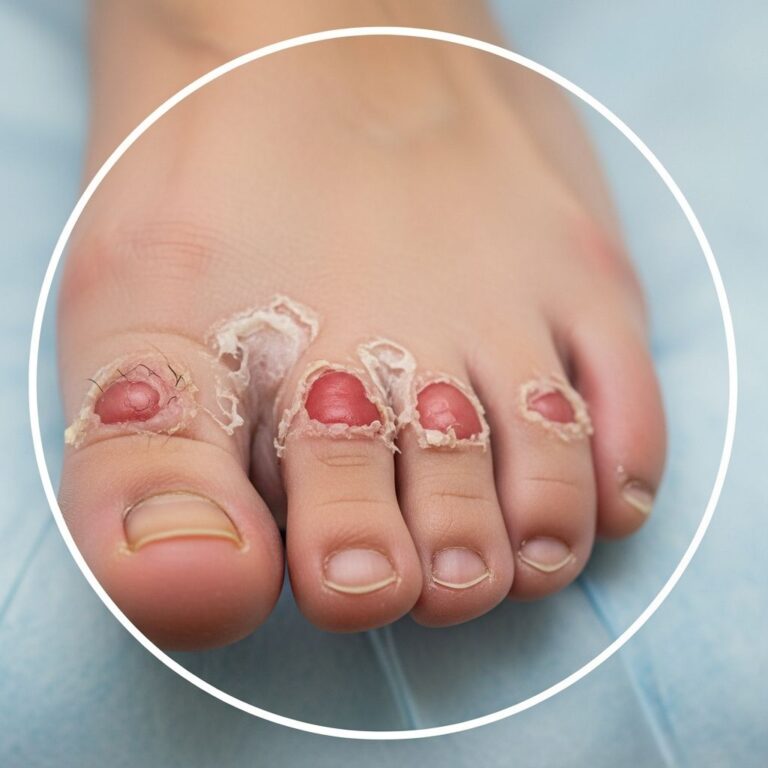
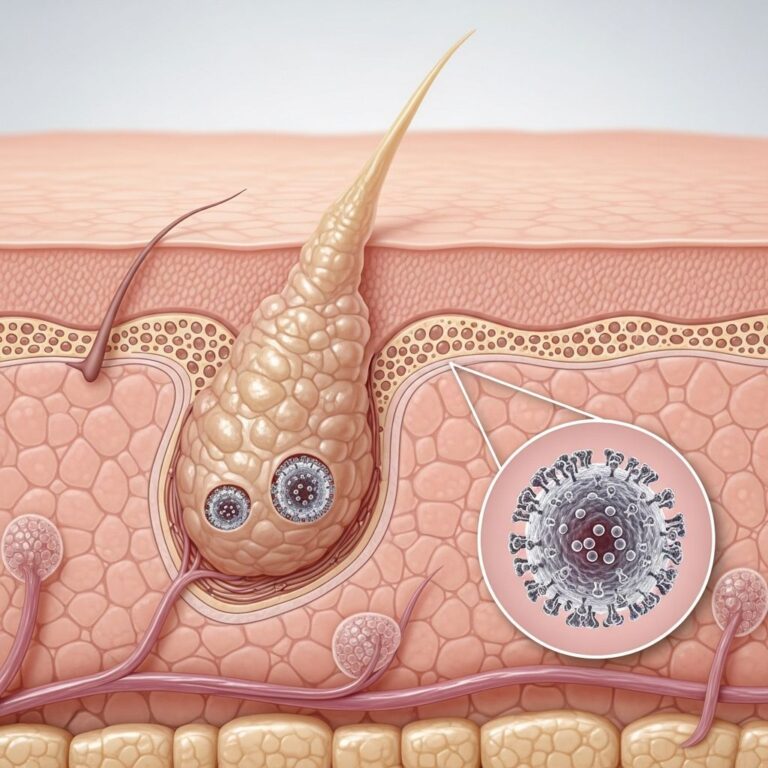
Stress Hormones and Skin Health: Clarifying the Cortisol-Cortisone Connection
Discover why cortisol triggers eczema while cortisone treats it—and how your body uses both.
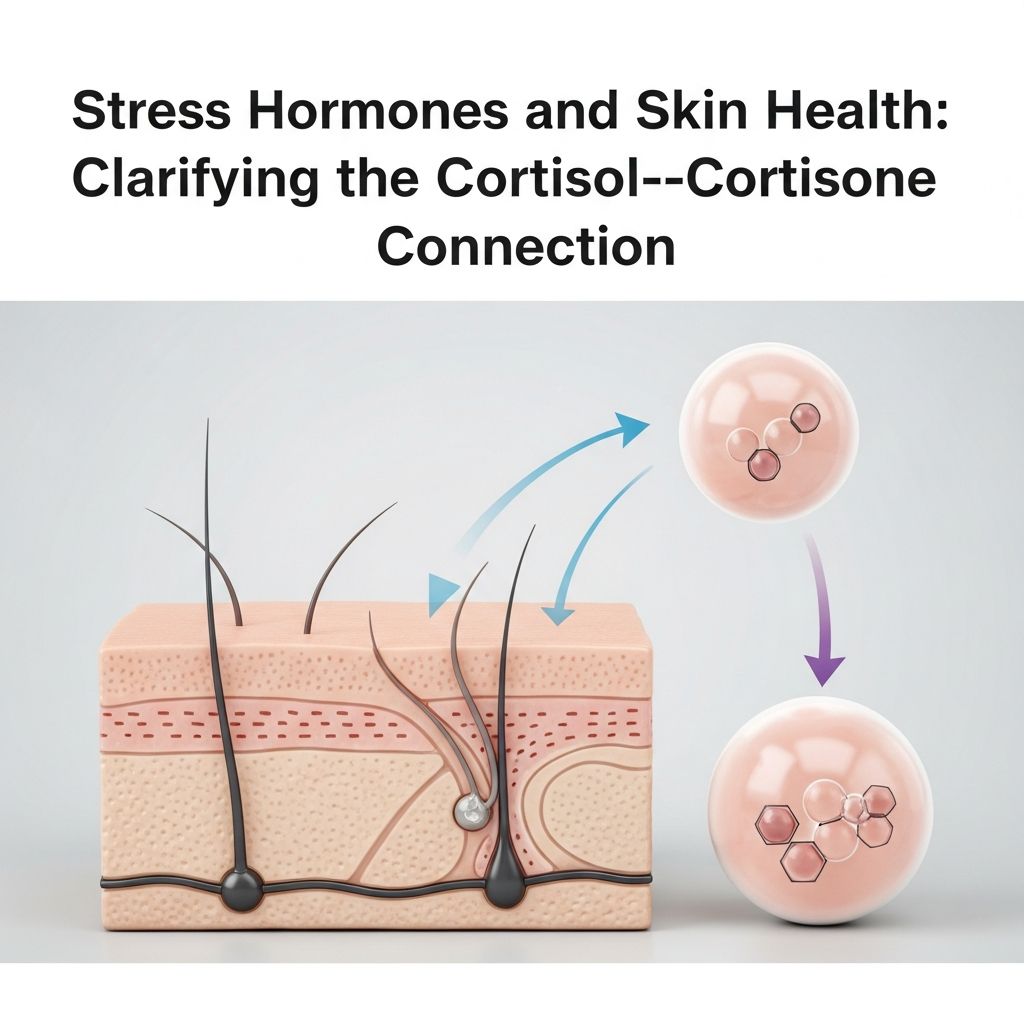
The Paradox That Confuses Many Eczema Sufferers
For anyone managing eczema, the relationship between stress and flare-ups is painfully familiar. Yet there’s a seemingly contradictory aspect of eczema treatment that leaves many patients puzzled: if stress hormones worsen their condition, how can doctors prescribe cortisone—a related substance—to treat it? This apparent paradox stems from a fundamental misunderstanding of what these two substances actually are and how they function within the body.
The confusion is understandable. Cortisol and cortisone sound nearly identical, and both are involved in inflammatory processes. However, they operate through entirely different mechanisms. Understanding these distinctions is essential for anyone seeking clarity on how their body responds to stress and how medical treatments work to restore skin health.
Understanding Cortisol: The Body’s Natural Stress Hormone
Cortisol is a naturally occurring hormone produced by the adrenal glands in response to stress. It serves as your body’s primary chemical messenger during challenging situations, whether physical or psychological. When you face a perceived threat—a deadline, an argument, or a physical danger—your adrenal glands release cortisol into your bloodstream to prepare your body for action.
This hormone plays several critical roles in maintaining bodily functions:
- Stress Response: Cortisol mobilizes your body’s resources to handle acute or chronic stress situations. During acute stress events, cortisol works alongside epinephrine to trigger immediate fight-or-flight responses. For sustained stress, cortisol maintains this heightened state over extended periods.
- Immune Regulation: Cortisol actively regulates and can suppress inflammatory responses within your immune system. At normal levels, this prevents your immune system from overreacting.
- Metabolic Function: Cortisol influences how your body accesses and utilizes energy sources. When cortisol is elevated, glucose becomes more readily available to critical organs like the brain and liver. This metabolic shift helps your body respond effectively to stressors.
However, when stress becomes chronic and cortisol levels remain persistently elevated, the hormone’s effects shift from protective to harmful. Prolonged high cortisol can suppress immune function in ways that promote inflammation rather than prevent it—creating an environment where conditions like eczema flourish.
How Elevated Cortisol Triggers and Worsens Eczema
Eczema is fundamentally an inflammatory skin disorder characterized by compromised skin barriers, itching, and irritation. When your body experiences stress, elevated cortisol levels paradoxically trigger inflammatory responses that directly worsen eczema symptoms.
The mechanism works like this: while moderate cortisol levels can suppress inflammation, chronically elevated cortisol actually suppresses your immune system in a way that makes it hyperresponsive. This dysregulation causes your immune system to mount exaggerated inflammatory responses to minor irritants or allergens. For individuals with eczema, this means stress-induced cortisol elevation directly precipitates flare-ups.
Additionally, stress hormones including cortisol and adrenaline trigger physical responses in the body. The resulting inflammation cascades through the skin, exacerbating existing eczema conditions and potentially triggering new outbreaks. Stress-related dermatitis is remarkably common, with many dermatologists noting that their eczema patients experience clear correlations between stressful periods and skin deterioration.
Introducing Cortisone: The Synthetic Solution
Cortisone is fundamentally different from cortisol—it is a synthetic, man-made medication belonging to a class of drugs called corticosteroids. While cortisol is your body’s natural hormone, cortisone is a pharmaceutical compound designed and manufactured to mimic certain properties of natural steroids.
The critical distinction lies in what happens after these substances enter your body. Your body can convert cortisone into cortisol through metabolic processes. However, when administered as medication, cortisone operates as an anti-inflammatory and immunosuppressant agent rather than as a stress hormone. Healthcare providers prescribe cortisone and related corticosteroids specifically to reduce inflammation and alleviate pain in various clinical conditions.
Related Stories



Common corticosteroid medications include:
- Prednisone
- Methylprednisolone
- Hydrocortisone
- Betamethasone
- Mometasone
Each of these synthetic corticosteroids shares the core property of reducing inflammation, making them valuable tools for managing inflammatory skin conditions.
Topical Corticosteroids in Eczema Treatment
For eczema management, dermatologists most commonly prescribe topical corticosteroids—medications applied directly to affected skin areas. The term “topical” simply means the treatment is applied to the skin surface rather than taken orally or by injection.
Topical corticosteroids have been used safely for over 70 years in treating eczema and remain recommended by health organizations like the NHS. These medications work by reducing inflammation and accelerating healing while making skin less hot, itchy, and sore. However, it’s important to understand that topical steroids treat symptoms rather than cure eczema entirely—they provide crucial relief during flare-ups but don’t address the underlying condition.
Hydrocortisone serves as a particularly common topical corticosteroid used for inflammatory skin conditions like dermatitis. It’s available in multiple formulations including creams, ointments, lotions, and solutions. Some hydrocortisone strengths (such as 1%) are available without prescription, while stronger formulations require prescriptions.
When used as directed, most people experience few to no side effects from topical hydrocortisone. Serious adverse effects like topical steroid withdrawal remain rare but possible, manifesting as skin rashes or irritations that worsen after discontinuing the medication.
Understanding Corticosteroid Potency Levels
Not all topical corticosteroids carry equal strength. Healthcare providers prescribe medications across a spectrum of potencies based on multiple factors affecting each patient’s needs.
Potency Comparison Framework:
- “Moderate” potency steroids are approximately twice as potent as hydrocortisone 1%
- “Potent” preparations are roughly 10 times more potent than hydrocortisone 1%
- “Very potent” formulations are at least 50 times more potent than hydrocortisone 1%
Alternatively, topical steroids are categorized into four main strength groups:
- Low-potency: Hydrocortisone and prednisolone
- Moderate-potency: Prednicarbate, methylprednisolone, and triamcinolone
- High-potency: Betamethasone and mometasone
- Ultra-high-potency: Clobetasol
Factors Determining Which Corticosteroid Strength to Prescribe
Dermatologists don’t simply prescribe the strongest available corticosteroid. Instead, they carefully match medication strength to individual circumstances based on several considerations:
Age Considerations: Babies and children with mild to moderate eczema typically receive mild topical steroids. When eczema proves more severe or doesn’t respond to mild options, healthcare providers may prescribe moderate to potent steroids for brief periods under close supervision.
Eczema Severity: Mild cases may respond to low-potency steroids, while moderate cases often require moderate-potency options. If symptoms worsen or initial treatments prove ineffective, providers escalate to higher-potency medications.
Body Location: Skin thickness varies across body regions, affecting how corticosteroids penetrate and accumulate. Areas with thick skin—such as palms, soles, and scalp—tolerate potent preparations. Conversely, thin-skinned areas like the face and genital regions typically require mild or moderate steroids only. Body folds (armpits, areas between buttocks) have an occlusive effect that intensifies steroid potency, necessitating milder formulations.
Affected Area Size: When large skin areas require treatment, providers often prescribe weaker steroids to minimize overall absorption.
Additional Treatments: If bandaging or wrapping accompanies treatment, milder steroids suffice because bandages increase steroid penetration into skin.
Many patients receive multiple different corticosteroid preparations—each designated for specific body areas. Understanding which steroid applies where prevents misuse and optimizes treatment outcomes.
The Safety Profile of Topical Corticosteroids
Concerns about steroid side effects are common among eczema patients, yet evidence consistently demonstrates safety when medications are used appropriately. Research shows that if steroids are used at the correct dose and only briefly during flare-ups, they rarely produce side effects.
Topical hydrocortisone and similar preparations typically cause only mild, localized side effects like burning or itching at application sites. Systemic side effects—such as weight gain, hormonal disruption, or metabolic changes—are characteristic of oral corticosteroids like methylprednisolone but rarely occur with topical applications.
When adverse effects do occur, they’re typically preventable through proper usage:
- Use potent and very potent steroids for limited periods only
- Transition to weaker steroids once flare-ups are controlled
- Maintain daily emollient routines to repair skin barriers and reduce steroid dependence
- Follow healthcare provider guidance on duration and frequency
Over 70 years of widespread use have established the safety profile of topical steroids when used as directed. Healthcare professionals can typically prevent or easily manage any side effects that do develop.
Alternative Treatment Strategies for Chronic Eczema
For patients experiencing very frequent flare-ups, healthcare providers sometimes recommend “weekend therapy” approaches. This strategy involves applying topical steroids on just two consecutive days per week to areas where eczema typically flares, continuing this pattern for several months. Weekend therapy can interrupt the almost-continuous flare cycle, ultimately requiring less total steroid use than treating each individual flare as it occurs.
Beyond corticosteroid medications, comprehensive eczema management incorporates:
- Daily Emollient Use: Regular moisturizers and skin-barrier repair products reduce reliance on steroids by maintaining skin hydration
- Trigger Identification: Recognizing personal eczema triggers—whether allergens, irritants, or stress—enables prevention strategies
- Stress Management: Since stress-induced cortisol elevation directly triggers flare-ups, stress-reduction techniques provide complementary benefits
- Gentle Skin Care: Avoiding harsh cleansers and irritating fabrics protects compromised skin barriers
The Essential Distinction: Natural Versus Synthetic
The fundamental answer to the original question—why cortisol worsens eczema while cortisone treats it—comes down to this distinction: cortisol is a natural stress hormone that triggers inflammation, while cortisone is a synthetic medication that suppresses inflammation.
Cortisol’s primary role involves preparing your body to handle stress, which inadvertently creates inflammatory environments detrimental to eczema-prone skin. Cortisone, conversely, is engineered specifically to reduce inflammation and provide therapeutic relief.
Though chemically related and though your body can convert cortisone into cortisol, these substances function in fundamentally different capacities within medical treatment contexts. Cortisone in pharmaceutical form operates as an anti-inflammatory agent rather than as a stress hormone, making it an effective tool for managing the inflammatory cascade underlying eczema.
Important Considerations for Safe Corticosteroid Use
While topical corticosteroids prove safe when used appropriately, healthcare supervision remains important. Any steroid medication can present problems with overuse that adversely impact hormonal and metabolic health. Always:
- Use corticosteroids under healthcare provider guidance
- Follow prescribed potency levels and application frequencies
- Don’t exceed recommended treatment durations without medical consultation
- Inform healthcare providers of all current medications and health conditions
- Report any unusual skin changes or reactions
With appropriate use, topical corticosteroids remain valuable, safe components of comprehensive eczema management strategies that can significantly improve quality of life during flare-ups.
References
- Hydrocortisone vs. Methylprednisolone for Eczema and Psoriasis — GoodRx. 2024. https://www.goodrx.com/compare/hydrocortisone-vs-methylprednisolone
- Topical Steroids — National Eczema Society. 2024. https://eczema.org/information-and-advice/treatments-for-eczema/topical-corticosteroids/
- Understanding Cortisol vs. Cortisone — Everlywell. 2024. https://www.everlywell.com/blog/womens-health/cortisol-vs-cortisone/
- The Relationship Between Eczema and Stress — Apotheco Pharmacy. 2024. https://www.apothecopharmacy.com/blog/the-relationship-between-eczema-and-stress/
- Eczema: Steroids and Other Topical Medications — National Center for Biotechnology Information (NCBI). 2024. https://www.ncbi.nlm.nih.gov/books/NBK424899/
Similar Articles








Read full bio of medha deb