Stress Rash: Pictures, Symptoms, Causes, Treatment
Discover what stress rash looks like, its symptoms, causes, and effective treatments to manage and prevent this common stress-induced skin condition.
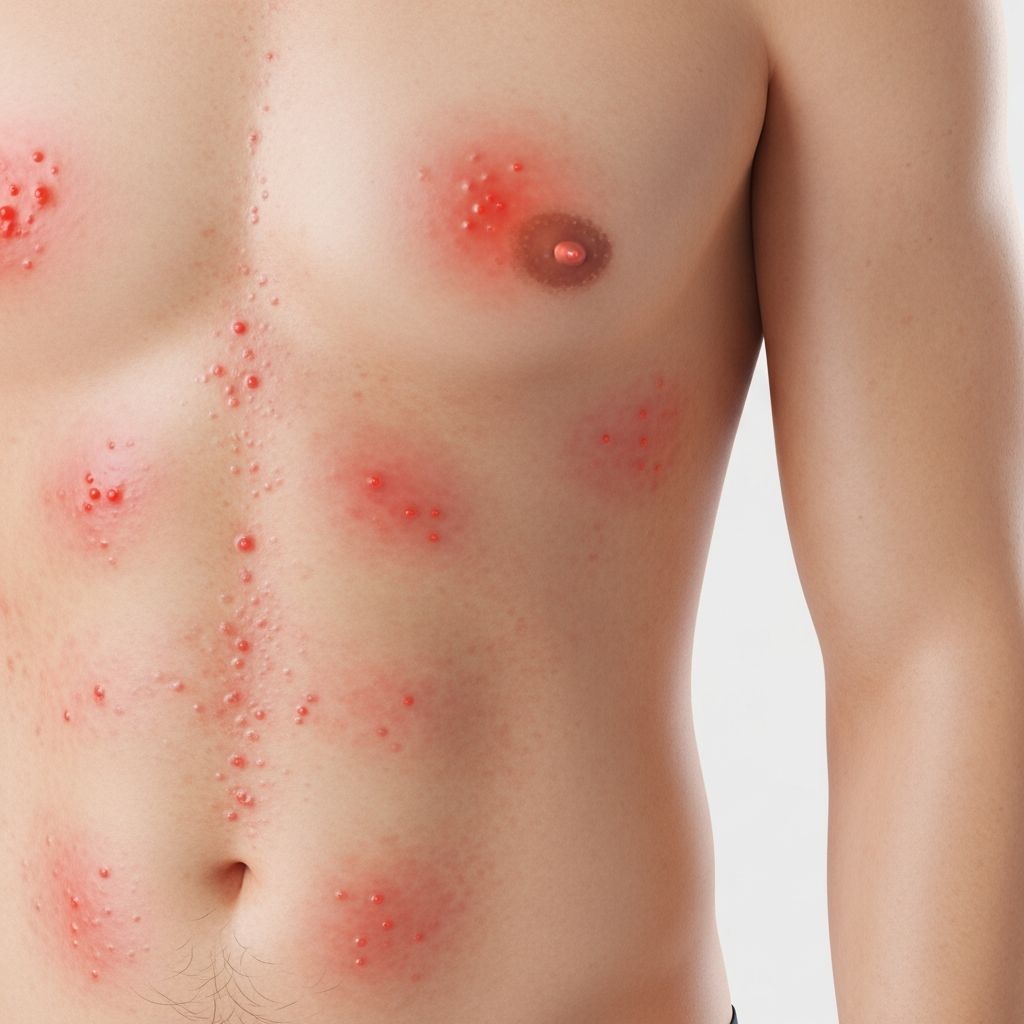
Stress rash, also known as stress hives, manifests as raised red bumps on the skin triggered directly by emotional, psychological, or physical stress. These hives can appear suddenly and often itch intensely, affecting areas like the face, neck, chest, and arms.
What Does a Stress Rash Look Like?
A
stress rash
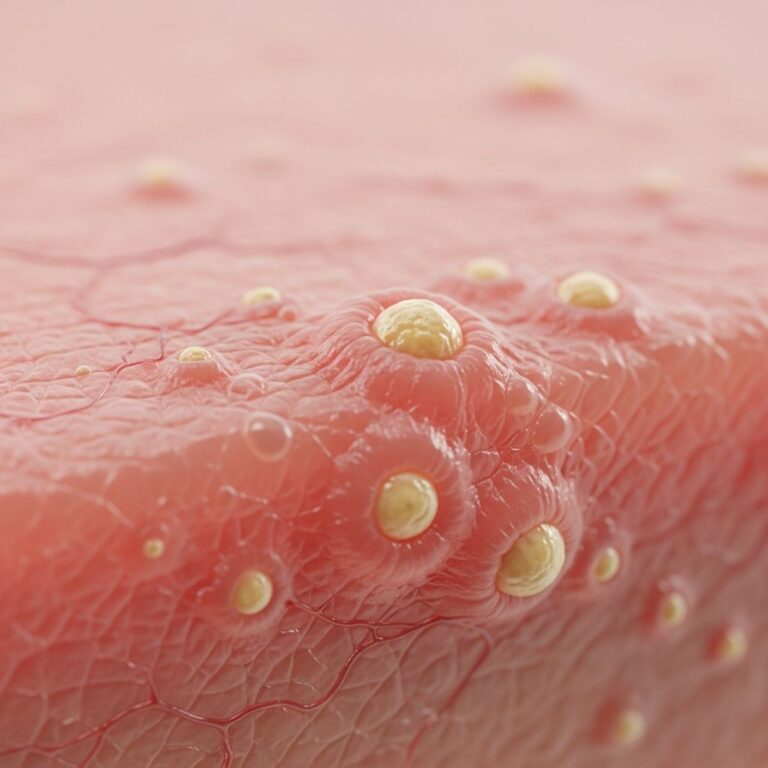
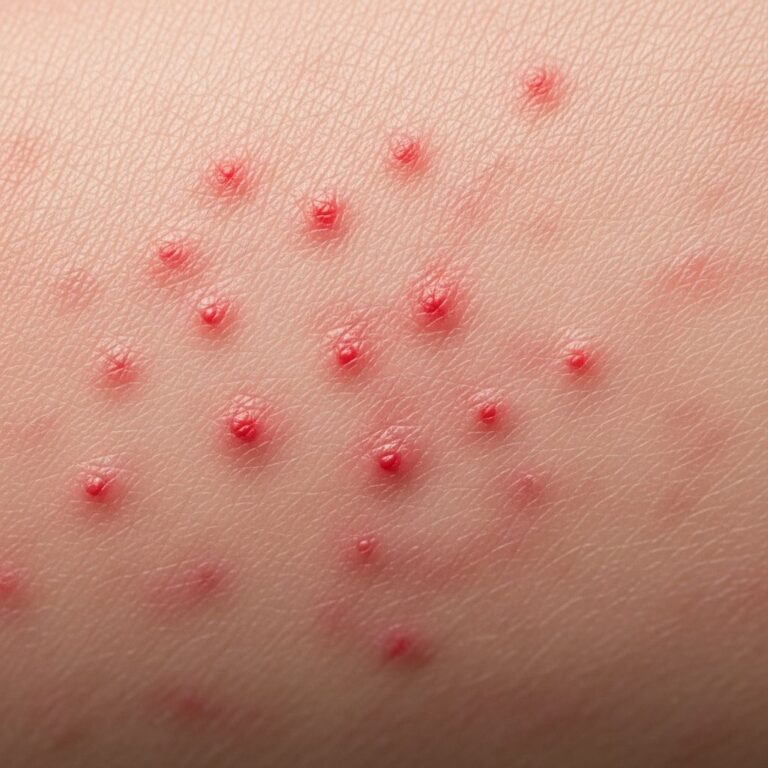
typically presents as hives—elevated, red welts that may resemble bug bites. On lighter skin, they appear reddish; on darker tones, they might look purple or brownish. Individual bumps can start small, like pinpoints, but merge into larger irregular patches or clusters, sometimes covering significant areas like a dinner plate.Key visual characteristics include:
- Raised, puffy welts that blanch (turn white) when pressed.
- Red or inflamed edges with possible central pallor.
- Shapes that shift—welts can change size, migrate, or disappear and reappear within hours.
- In severe cases, extensive swelling resembling a single large patch.
Stress rashes on the face may cause noticeable swelling around the eyes, lips, or throat, adding to discomfort. Unlike allergic hives, stress-induced ones lack an external allergen but stem from internal physiological responses.
Symptoms of Stress Rash
Beyond appearance, stress rash brings sensory symptoms that signal its presence:
- Itching: Intense pruritus that worsens at night or with heat.
- Burning or stinging: A fiery sensation over affected areas.
- Tingling: Precedes visible bumps in some cases.
- Pain: If swelling presses on nerves or skin stretches excessively.
These symptoms can flare episodically, lasting from minutes to days. Chronic stress may lead to recurrent episodes lasting weeks or months, overlapping with conditions like eczema flare-ups.
Where Does Stress Rash Appear?
Hives from stress can erupt anywhere on the body but favor exposed or high-tension zones:
- Face, including cheeks, eyelids, and lips.
- Neck and chest.
- Arms, hands, and forearms.
- Occasionally torso, legs, or palms.
They migrate unpredictably—welts on the neck might resolve while new ones bloom on the arms. Facial involvement heightens visibility and urgency, especially with lip or eye swelling.
Causes of Stress Rash
Stress triggers rashes through the body’s fight-or-flight response. Acute or chronic stressors elevate
cortisol
, the primary stress hormone, which ramps up inflammation. This histamine release from mast cells causes hives.Predisposing factors amplify risk:
- Pre-existing skin issues: Eczema, psoriasis, rosacea, acne.
- Allergies: To pollen, foods, or dander.
- Environmental shifts: Heat, cold, sunlight.
- History of asthma or atopy (allergic tendencies).
Unlike infectious rashes, stress hives lack pathogens; they’re a neuro-immunological reaction where perceived threats prompt mast cell degranulation.
Risk Factors for Developing Stress Rash
Not everyone under stress develops hives. Susceptibility ties to:
| Risk Factor | Description |
|---|---|
| Genetic Predisposition | Family history of hives, allergies, or atopy increases likelihood. |
| Chronic Stress | Prolonged anxiety, work pressure, or trauma sustains cortisol elevation. |
| Skin Conditions | Eczema/psoriasis patients see exacerbated flares under stress. |
| Age | More common in adults 20-40, but can affect any age. |
| Gender | Slightly higher in females due to hormonal fluctuations. |
Related Stories



Those with autoimmune tendencies or frequent allergens face higher odds.
How Is Stress Rash Diagnosed?
Diagnosis starts with a clinical history: timing with stressors, rash pattern, and absence of new exposures. Physical exam confirms hives’ blanching and transience.
If unclear, tests rule out mimics:
- Skin biopsy for chronic cases.
- Blood work for infection/inflammation markers.
- Allergy patch/prick tests.
- Scrapings for fungal/bacterial causes.
No single lab confirms “stress rash”; exclusion and correlation suffice.
Treatments for Stress Rash
Most resolve spontaneously in 24 hours, but symptomatic relief speeds recovery:
Over-the-Counter Options
- Antihistamines: Loratadine (Claritin), fexofenexadine (Allegra), cetirizine (Zyrtec). Non-drowsy for daytime.
- Diphenhydramine (Benadryl): Nighttime use due to sedation.
- Topical hydrocortisone: 1% cream for localized itch.
Home Remedies
- Cool compresses or milk soaks (whole milk’s fats soothe).
- Oatmeal/baking soda baths.
- Loose clothing; avoid irritants.
- No scratching—prevents infection.
For persistent cases (>6 weeks), doctors prescribe H2 blockers, oral steroids, or biologics like omalizumab.
When to See a Doctor
Seek care if:
- Rash lasts >1 week or recurs frequently.
- Swelling affects breathing, throat, or lips (emergency!).
- OTC fails after 48 hours.
- Accompanies fever, joint pain, or GI issues.
Anaphylaxis signs demand 911.
Prevention Tips for Stress Rash
Target root causes:
- Stress reduction: Daily meditation, yoga, deep breathing.
- Exercise: 30 minutes moderate activity releases endorphins.
- Sleep: 7-9 hours nightly regulates cortisol.
- Diet: Anti-inflammatory foods—fruits, veggies, omega-3s.
- Social support: Connect with friends/family.
- Trigger avoidance: Known allergens, extreme temps.
Mindfulness apps or therapy (CBT) build resilience.
Frequently Asked Questions (FAQs)
Can stress cause a rash on my face?
Yes, stress hives commonly appear on the face, causing red, itchy welts and possible swelling around eyes or lips.
How long does a stress rash last?
Individual welts fade in hours to days; full episodes resolve in 24-48 hours but can recur for weeks if stress persists.
Is stress rash contagious?
No, it’s not infectious—purely physiological from stress hormones.
Can children get stress rashes?
Yes, though less common; similar presentation and management.
Does stress rash scar?
Rarely, unless scratched excessively leading to secondary infection.
Related Conditions
Stress exacerbates:
- Eczema: Dry, inflamed patches.
- Psoriasis: Scaly plaques.
- Acne: Inflammatory breakouts.
- Rosacea: Facial redness/flushing.
Differentiate via persistence and triggers.
References
- Are Skin Rashes Caused by Stress? Symptoms & Treatment — eMedicineHealth. 2023. https://www.emedicinehealth.com/what_does_stress_rash_look_like/article_em.htm
- Stress Rash: What It Looks Like, Symptoms & Treatment — American Institute of Stress. 2023. https://www.stress.org/news/stress-rash-what-it-looks-like-symptoms-treatment-2/
Similar Articles








Read full bio of Sneha Tete