Stress-Relieving Tips: 8 Daily Practices To Feel Calmer
Discover simple, daily habits like mindfulness, exercise, and essential oils to effectively manage and reduce everyday stress levels.
Stress isn’t necessarily a bad thing. In fact, short-term stress can be useful, such as in a sporting context or even in the workplace, where it may improve performance.However, chronic stress can harm your health, making daily stress-relief practices essential. Dr Chi-Chi Obuaya, Consultant Psychiatrist at Nightingale Hospital, notes that learning to manage stress helps maintain calm and supports overall well-being. This article explores practical, everyday tips to reduce stress, drawing from expert recommendations and evidence-based strategies.
Take a Mindful Pause
**Mindfulness**—focusing on the present moment—is widely recognized as an effective stress reducer. You don’t need hours in a class; short practices work wonders.
Vari McLuskie, a mindfulness and meditation trainer, recommends a simple
mindful pause
: Stop what you’re doing and breathe deeply three times to become fully present. Let go of anxieties, plans, and thoughts, focusing solely on your breath. This brief interruption from mental busyness provides immediate relief.Research supports this: Techniques like focused breathing calm the body’s stress response, reducing physiological impacts. The CDC also endorses deep breathing, stretching, or meditation as daily coping tools. Practice during commutes, breaks, or waiting times—even apps can guide you.
Incorporate it by setting phone reminders for three mindful breaths hourly. Over time, this builds resilience against daily pressures, promoting emotional balance.
Visualise the Positive
Visualization harnesses the mind’s power to shift focus from stress to positivity. Guided imagery involves picturing calming scenes, which can lower stress hormones.
Close your eyes and imagine a peaceful place—like a beach or forest. Engage all senses: feel the sand, hear waves, smell the sea air. Studies show this activates relaxation responses similar to real experiences.
David Spiegel from Stanford emphasizes calming the body through such mental techniques, as they demonstrate control over feelings, reducing helplessness. Pair it with breathing: Inhale positivity, exhale tension. Do this for 2-5 minutes daily, especially when overwhelmed.
For variety, try
mantra meditation
: Repeat phrases like “I am relaxed” silently. NPs teach this to patients for quick SNS (sympathetic nervous system) relief.Step Away from the Biscuit Tin
Stress often triggers emotional eating, like reaching for biscuits or junk food. Instead,
step away
and choose healthier responses to avoid compounding stress with guilt or energy crashes.Mayo Clinic advises avoiding unhealthy habits during stress. Opt for nutritious snacks like nuts, fruit, or yogurt to stabilize blood sugar and mood. Keep a journal to track eating triggers, as recommended by CDC—writing reduces rumination.
Replace the habit: When cravings hit, drink water, take a walk, or do a quick stretch. This breaks the cycle, fostering mindful choices that support long-term stress management.
Move Your Body
Physical activity is a powerhouse for stress relief. Even short bursts release
dopamine
, calm the mind, and improve mood.Dr Obuaya highlights exercise as a top coping mechanism. Take desk breaks for walks, or add evening activity—no gym needed. Mayo Clinic notes any movement pumps endorphins, refocusing the mind from irritations.
Related Stories



A systematic review links exercise to better sleep quality, crucial since stress disrupts rest. Aim for 10-30 minutes daily: walk, jog, garden, or yoga. Yoga’s postures and breathing particularly ease anxiety.
- Brisk walk during lunch
- Evening bike ride
- Home stretches or dancing
- Yoga for body-mind peace
Start small to build the habit, reaping calming effects on mind and body.
Release the Pressure
When stress builds, physical release techniques provide instant relief. Reflexologists suggest a simple hand pressure method.
Using your left thumb, press slightly above the center of your right palm for 30-60 seconds, hold briefly, then switch hands. Repeat as needed. This targets pressure points, mimicking acupressure to ease tension.
Similar to CDC’s stretching or deep breaths, it interrupts the stress cycle. Combine with progressive muscle relaxation: Tense and release muscle groups from toes to head.
For ongoing use, fidget tools may help some, though evidence varies. These quick interventions empower you during high-stress moments.
Repeat a Positive Mantra
A
positive mantra
reprograms negative thought patterns. Choose affirming phrases like “I am calm” or “This too shall pass” and repeat them.Mantra meditation quiets the mind; repeat slowly, focusing inward. Mindfulness meditation observes thoughts non-judgmentally, reducing their power.
Spiegel notes mantras build agency over emotions. Use during commutes or before bed. Apps offer guided sessions. Daily practice fosters resilience.
Try Essential Oils
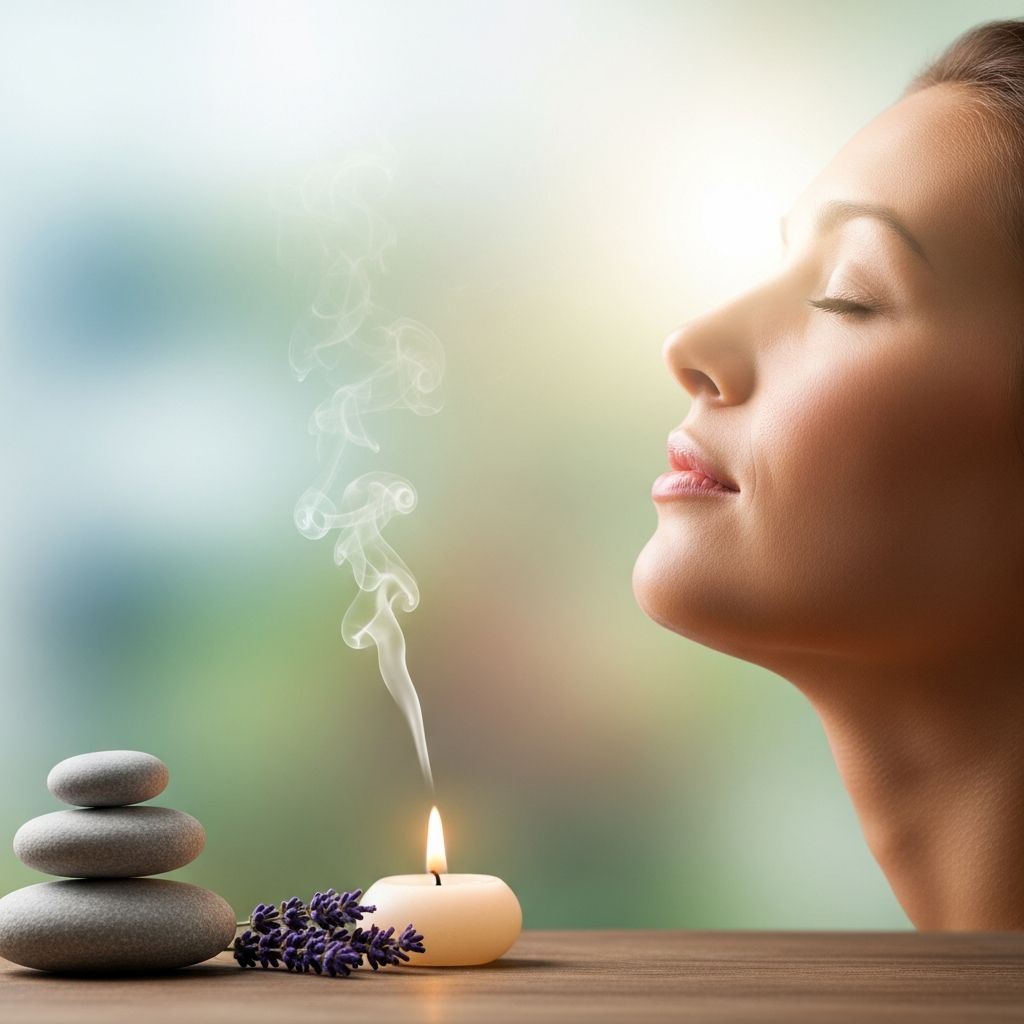
**Essential oils** create calming atmospheres via aromatherapy. Lavender, clary sage, or chamomile soothe nerves.
Aromatherapist Lisa Basso advises 4-6 drops in a diffuser or on a radiator. Avoid if pregnant without consulting a professional.
Evidence shows scents lower stress hormones; inhale deeply for quick effects. Music or creativity pairs well—listen while diffusing. Keep oils at your desk for easy access.
Create a Pre-Bed Routine
A consistent
pre-bed routine
signals wind-down, improving sleep vital for stress recovery.- Dim lights 1 hour before bed
- Relaxation audio or reading
- Breathing exercises like box breathing
- Avoid screens, caffeine
CDC suggests unwinding time, journaling, or outdoors. Exercise earlier aids sleep. Poor sleep amplifies stress; routines counteract this.
Frequently Asked Questions (FAQs)
Q: How quickly do these tips work?
A: Many, like mindful pauses or hand presses, offer immediate relief, while habits like exercise build benefits over days.
Q: Can I combine these techniques?
A: Yes—pair breathing with visualization or oils with routines for enhanced effects.
Q: What if stress persists?
A: Consult a GP for professional help alongside self-care.
Q: Are essential oils safe for everyone?
A: Generally yes, but pregnant individuals should seek advice.
Q: How much exercise is needed?
A: 10-30 minutes daily suffices for stress relief.
References
- Stress-relieving tips to try every day — Patient.info. 2023. https://patient.info/features/mental-health/stress-relieving-tips-to-try-every-day
- Stress management: Ways to cope with stressors large and small — Stanford Medicine. 2025-12. https://med.stanford.edu/news/insights/2025/12/stress-management-coping-skills-and-tools.html
- Managing Stress | Mental Health — CDC. 2024. https://www.cdc.gov/mental-health/living-with/index.html
- Stress management strategies for NP practice — PMC / NIH. 2023-12-28. https://pmc.ncbi.nlm.nih.gov/articles/PMC10795964/
- Stress relievers: Tips to tame stress — Mayo Clinic. 2024. https://www.mayoclinic.org/healthy-lifestyle/stress-management/in-depth/stress-relievers/art-20047257
- How to deal with stress through exercise — Patient.info. 2023. https://patient.info/features/mental-health/how-to-deal-with-stress-through-exercise
Similar Articles








Read full bio of medha deb