Stress: What It Is, Symptoms, Management & Prevention
Understanding stress: Learn about types, symptoms, and evidence-based strategies for managing stress effectively.

Stress is the natural reaction your body has when changes or challenges occur in your life. Whether you’re facing a tight deadline at work, navigating relationship issues, or dealing with major life transitions, stress is an inevitable part of the human experience. It can result in many different physical, emotional, and behavioral responses that affect your overall well-being.
While some stress can actually be beneficial and help you stay alert and motivated, chronic stress can have serious consequences for your health. Understanding what stress is, recognizing its symptoms, and learning effective management techniques are crucial steps toward maintaining your physical and mental health.
Understanding the Three Types of Stress
Not all stress is created equal. There are three main kinds of stress, each with different characteristics and effects on your body and mind.
Acute Stress
Acute stress is the most common type and typically occurs in response to immediate challenges or threats. This type of stress is short-term and usually resolves once the stressful situation passes. Examples include experiencing traffic, missing a deadline, or having a difficult conversation. While uncomfortable, acute stress generally doesn’t cause long-term health problems.
Episodic Acute Stress
Episodic acute stress occurs when a person frequently experiences acute stress episodes. This happens when stressful events occur repeatedly or when someone has a tendency to worry excessively. Individuals with episodic acute stress may feel constantly overwhelmed, anxious, or irritable, even when facing manageable challenges.
Chronic Stress
Chronic stress is prolonged stress that persists over weeks, months, or even years. This type of stress results from ongoing difficult situations such as financial problems, unhappy relationships, or demanding work environments. Unlike acute stress, chronic stress can have serious health consequences and requires active management to prevent long-term damage to your physical and mental health.
How Your Body Responds to Stress
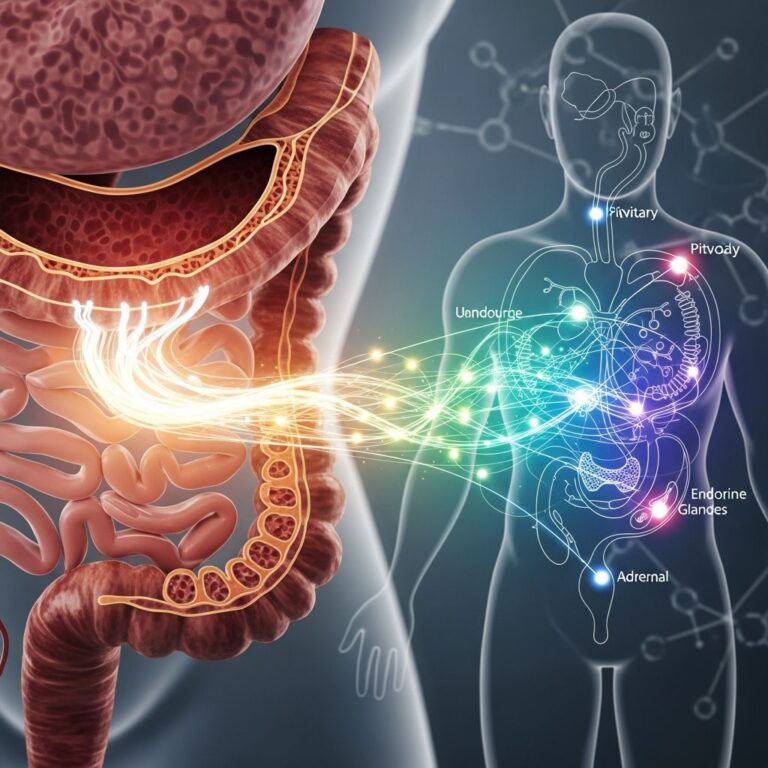
Your body’s autonomic nervous system controls your heart rate, breathing, vision changes, and more. When you encounter stress, this system activates your built-in stress response, commonly known as the “fight-or-flight response.” This ancient survival mechanism helped our ancestors respond to physical dangers, and it still activates today in response to modern stressors.
During the fight-or-flight response, your body releases cortisol, a stress hormone that signals your body to release glucose—a type of sugar that provides energy to your muscles. Cortisol also stifles insulin production and narrows arteries. In short spurts, cortisol can actually boost your immunity by limiting inflammation. However, when your body reaches chronic stress, your body can get used to having too much cortisol in your blood, which opens the door for more inflammation.
Related Stories



Once a threat passes, cortisol levels typically return to normal, and your body recovers from its effects. But when stress is chronic, cortisol levels stay elevated, keeping your body stuck in overdrive. Your body becomes flooded with cortisol continuously, which causes inflammation and makes you vulnerable to chronic disease.
Physical Symptoms of Stress
Stress manifests in your body through various physical symptoms that you may experience:
– Headaches- Chest pain or discomfort- Stomach pain or digestive issues- Muscle tension, tightness, or soreness- Muscle spasms or pain- Sleep difficulties or insomnia- Fatigue or exhaustion- Rapid heartbeat or palpitations- High blood pressure- Sweating- Trembling or shaking- Frequent colds or infections
Stress can cause pain, tightness, or soreness in your muscles, as well as spasms of pain. The effects of stress on your body often move through what experts call the “tension triangle,” which includes your shoulders, head, and jaw. Stress can trigger tension headaches, tightness in the neck and jaw, and knots and spasms in your neck and shoulders. It also may contribute to TMJ, a jaw disorder.
Interestingly, stress can even cause stress rashes, often appearing as pink or discolored, raised bumps called hives. Hives are welts that can develop and swell on the surface of your skin. While hives are usually an allergic reaction to something like certain foods, fabrics, or chemicals, stress can sometimes trigger an outbreak.
Emotional and Psychological Symptoms
Beyond physical manifestations, stress can lead to significant emotional and mental symptoms:
– Anxiety or nervousness- Depression- Irritability or anger- Mood swings- Overwhelming feelings- Racing thoughts- Difficulty concentrating- Trouble making decisions- Low self-esteem- Loneliness or isolation
High stress levels can cause depression and anxiety, which also can lead to higher levels of inflammation. In the long-term, sustained, high levels of inflammation point to an overworked, over-tired immune system that cannot properly protect you.
Behavioral Changes Associated with Stress
Often, people with chronic stress try different things to cope. Some of those coping mechanisms are habit-forming and can have negative impacts on your health, including:
– Overeating or undereating- Increased alcohol or substance use- Smoking- Social withdrawal- Changes in sleep patterns- Decreased physical activity- Procrastination or neglecting responsibilities
Long-Term Health Effects of Chronic Stress
When you have long-term chronic stress, continued activation of the stress response causes wear and tear on your body. Chronic inflammation can accompany unmanaged high stress levels, which can contribute to the development and progression of many diseases. Additionally, chronic stress decreases your body’s lymphocytes—the white blood cells that help fight off infection. The lower your lymphocyte level, the more at risk you are for viruses, including the common cold and cold sores. This is when you can start experiencing a “stress-induced sickness.”
Under sustained, long-term stress, you also can develop cardiovascular problems, including a fast heart rate and heart disease, as well as gastric ulcers. You’ll also be at greater risk for Type 2 diabetes, certain cancers, and mental decline. Too much of the stress hormone cortisol may make heart and lung conditions worse, including heart disease, heart rhythm abnormalities, high blood pressure, stroke, and asthma.
Diagnosing Stress
Stress is subjective and not measurable with tests. Only the person experiencing it can determine whether it’s present and how severe it feels. A healthcare provider may use questionnaires to understand your stress and how it affects your life. If you have chronic stress, your healthcare provider can evaluate symptoms that result from stress. For example, they can diagnose and treat conditions like high blood pressure that may develop as a consequence of ongoing stress.
Stress Management Techniques
It’s important to use stress management techniques to reduce the effects of stress on your body. Proven strategies include:
– Mindfulness and meditation practices- Regular physical exercise- Deep breathing exercises- Progressive muscle relaxation- Yoga or tai chi- Journaling- Spending time in nature- Social connection and support- Adequate sleep and rest- Limiting caffeine and stimulants- Time management and prioritization- Engaging in hobbies and enjoyable activities
When to Seek Professional Help
It’s natural to have stress sometimes. You might feel stressed when you’re running late, facing a challenging situation, or dealing with unexpected changes. However, long-term stress can cause physical, emotional, and behavioral symptoms that significantly impact your quality of life.
If symptoms of stress aren’t going away with stress relief techniques and if you’re feeling overwhelmed, it’s important to talk to a healthcare provider. Questions you may want to ask your provider include:
– How can I better manage my stress?- Should I consider counseling or therapy?- Are there medications that could help?- What lifestyle changes would be most beneficial?- How often should I follow up with you?
Frequently Asked Questions (FAQs)
Q: Is all stress bad for my health?
A: No, not all stress is bad. A certain amount of stress can help to keep you on your toes and improve performance. However, chronic or long-term stress that persists for weeks, months, or years can contribute to serious health problems including cardiovascular disease, diabetes, and mental health conditions.
Q: How can I tell the difference between normal stress and chronic stress?
A: Normal or acute stress is temporary and goes away once the stressful situation resolves. Chronic stress persists over an extended period, often lasting weeks, months, or years. If your stress symptoms are ongoing and affecting your daily functioning, you may be experiencing chronic stress.
Q: Can stress really weaken my immune system?
A: Yes, chronic stress can weaken your immune system. It decreases your body’s lymphocytes—the white blood cells that help fight off infection. This makes you more susceptible to viruses and infections, potentially leading to more frequent illnesses.
Q: What is the fight-or-flight response?
A: The fight-or-flight response is your body’s automatic reaction to perceived threats or stressors. During this response, your body releases cortisol and adrenaline, increases heart rate and breathing, and prepares muscles for action. While this response was essential for survival in our ancestors, it can be problematic when activated repeatedly by modern stressors.
Q: How does stress affect my heart?
A: Stress can make your heart rate increase and can contribute to heart disease, heart rhythm abnormalities, high blood pressure, and stroke. Chronic stress keeps your body in a state of elevated cortisol, which can damage your cardiovascular system over time.
Q: Can stress cause physical symptoms like headaches and muscle pain?
A: Yes, stress commonly causes physical symptoms including headaches, muscle tension, neck and shoulder pain, and stomach issues. According to the American Psychological Association, when you experience stress, your muscles tense up. When the stress continues without relief, this tension can persist and cause pain.
Q: What should I do if stress management techniques aren’t working?
A: If self-help stress management techniques aren’t providing relief and you’re feeling overwhelmed, you should talk to a healthcare provider. They can evaluate your symptoms, identify underlying conditions, and recommend appropriate treatment options, which may include counseling, therapy, or other interventions.
References
- Stress: What It Is, Symptoms, Management & Prevention — Cleveland Clinic. 2024. https://my.clevelandclinic.org/health/diseases/11874-stress
- Stress Sickness: Stress and Your Immune System — Cleveland Clinic Health. 2024. https://health.clevelandclinic.org/what-happens-when-your-immune-system-gets-stressed-out
- 10 Strange Things Stress Can Do to Your Body — Cleveland Clinic Health. 2024. https://health.clevelandclinic.org/things-stress-can-do-to-your-body
- How Stress Can Make You Sick — Cleveland Clinic Health. 2024. https://health.clevelandclinic.org/can-stress-actually-make-you-sick
- Stress Management and Emotional Health — Cleveland Clinic. 2024. https://my.clevelandclinic.org/health/treatments/6409-stress-management-and-emotional-health
- Diagnostic and Statistical Manual of Mental Disorders, 5th Edition (DSM-5) — American Psychiatric Association. 2013. https://www.psychiatry.org/psychiatrists/practice/dsm
Similar Articles








Read full bio of medha deb