Stress Urinary Incontinence in Women: Effective Treatments
Discover proven strategies to manage and overcome stress urinary incontinence, empowering women to regain bladder control and confidence.
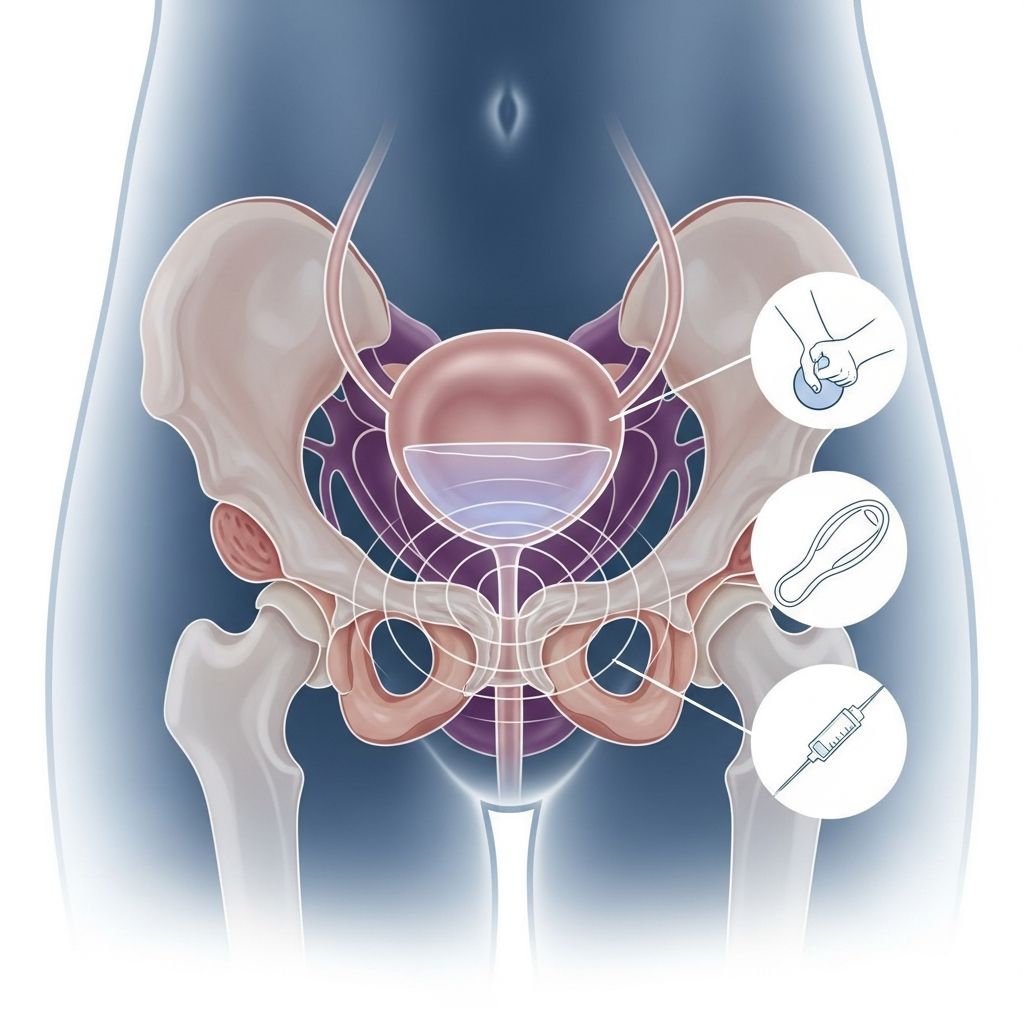
Stress urinary incontinence (SUI) affects millions of women worldwide, characterized by involuntary urine leakage during activities that increase abdominal pressure, such as coughing, sneezing, laughing, or exercising. This condition arises primarily from weakened pelvic floor muscles and urethral sphincter, leading to challenges in daily life and emotional distress. Fortunately, a range of treatments from conservative measures to surgical interventions offer relief and restoration of bladder control.
Understanding the Mechanics of SUI
The bladder and urethra work together to store and release urine voluntarily. In a healthy system, the pelvic floor muscles and urethral sphincter maintain closure against pressure. With SUI, these structures fail under sudden strain, allowing small amounts of urine to escape. This is distinct from urge incontinence, which involves sudden bladder contractions, or mixed incontinence combining both types.
Women are disproportionately affected due to anatomical vulnerabilities. Pregnancy stretches pelvic tissues, vaginal delivery can damage nerves and muscles, and menopause reduces estrogen levels that support urethral integrity. Aging further contributes by diminishing muscle tone.
Common Symptoms and Daily Impact
Symptoms typically include leaking a few drops to tablespoons of urine during physical exertion. Mild cases occur with high-impact activities like jumping; severe ones during bending or standing. Additional signs may involve frequent nighttime urination or urgency, often overlapping with overactive bladder.
- Leakage triggered by coughing, sneezing, or laughing
- Dribbling during exercise or heavy lifting
- Social withdrawal due to fear of accidents
- Disrupted intimacy from leakage during sex
Untreated SUI can lead to emotional complications like embarrassment, anxiety, and reduced quality of life, affecting work, relationships, and self-esteem. Approximately 75% of affected women never discuss it with providers, delaying effective care.
Risk Factors and Prevention Strategies
Several modifiable and non-modifiable factors elevate SUI risk. Understanding them empowers proactive steps.
| Risk Factor | Description | Prevention Tip |
|---|---|---|
| Childbirth | Vaginal delivery weakens pelvic muscles | Pelvic floor training during pregnancy |
| Obesity | Excess weight pressures bladder | Maintain healthy BMI through diet/exercise |
| Menopause | Estrogen loss affects tissues | Hormonal therapy if appropriate |
| Smoking | Chronic cough strains pelvis | Quit smoking programs |
| Chronic Strain | Coughing, constipation, heavy lifting | Treat underlying conditions |
Other contributors include pelvic surgery, diabetes, and high-impact sports. Early intervention through weight management—even 8% loss—can halve symptoms.
Non-Invasive Treatment Approaches
Initial management focuses on lifestyle and behavioral changes, effective for mild to moderate SUI.
Lifestyle Modifications
Weight loss reduces abdominal pressure. Smoking cessation eliminates irritative coughs. Managing constipation prevents straining. Limiting caffeine and alcohol decreases bladder irritation.
Pelvic Floor Muscle Training (PFMT)
Also known as Kegel exercises, PFMT strengthens the pelvic floor. Performed by contracting muscles used to stop urine flow for 5-10 seconds, 3-4 sets daily. Consistency yields 50-70% improvement in 3 months. Physical therapists specializing in pelvic health enhance outcomes with biofeedback.
Related Stories



- Identify muscles: Stop urine midstream (once only)
- Contract for 5 seconds, relax 5 seconds; progress to 10
- Aim for 30-50 contractions daily
- Avoid over-tightening abdomen or buttocks
Vaginal Pessaries
These removable devices fit into the vagina, supporting the urethra and bladder. Ideal for those avoiding surgery, they provide immediate relief but require fitting and hygiene maintenance.
Pharmacological and Minimally Invasive Options
For persistent symptoms, medications and procedures bridge to surgery.
Topical estrogen cream restores urethral tissue post-menopause, reducing leakage by 40-50% in some. Duloxetine, a serotonin-norepinephrine reuptake inhibitor, strengthens urethral closure but may cause nausea.
Injectable Bulking Agents
Bulking materials like collagen are injected into urethral walls to add bulk and improve closure. Outpatient procedure with 50-80% short-term success, though effects may wane.
Neuromodulation Devices
Tibial nerve stimulation or sacral neuromodulation modulates nerve signals to the bladder, effective for mixed incontinence.
Surgical Interventions for Lasting Relief
When conservative treatments fail, surgery boasts 85-95% success rates.
Mid-Urethral Sling Procedure
The gold standard, this minimally invasive surgery places a synthetic mesh sling under the urethra to mimic pelvic floor support. Performed outpatient under local anesthesia, recovery is quick with low complication rates.
Burch Colposuspension
Sutures elevate the bladder neck to the abdominal wall, suitable for prolapse cases. More invasive but durable.
Other Options
Pubovaginal slings use autologous tissue for those avoiding mesh. Robotic-assisted procedures enhance precision.
Patient selection is key; success depends on severity, health, and preferences. Complications like mesh erosion are rare (2-5%) with modern techniques.
Comparing Treatment Effectiveness
| Treatment | Success Rate | Invasiveness | Duration |
|---|---|---|---|
| PFMT | 50-70% | Low | 3-6 months |
| Pessary | 60-80% | Low | Immediate |
| Estrogen | 40-50% | Low | Ongoing |
| Bulking Agents | 50-80% | Moderate | 6-12 months |
| Sling Surgery | 85-95% | High | Permanent |
Diagnostic Process for Personalized Care
Diagnosis begins with history and physical exam, including cough stress test. Urodynamic studies measure bladder pressure. Imaging assesses prolapse. Voiding diaries track patterns.
Living with SUI: Support and Outlook
Support groups and counseling address emotional toll. Absorbent products offer interim protection. Most women achieve continence with tailored plans, reclaiming active lives.
Frequently Asked Questions (FAQs)
Is SUI preventable?
Yes, through pelvic exercises, weight control, and avoiding smoking.
How long do Kegels take to work?
3-6 months with daily practice.
Can SUI affect sex life?
Yes, but treatments like slings resolve it.
Is surgery safe for older women?
Yes, minimally invasive options suit most ages.
Does menopause worsen SUI?
Yes, but estrogen therapy helps.
References
- Stress Urinary Incontinence Specialist in Surprise, AZ — Dr. Siv. Accessed 2026. https://drsiv.com/womens-health/what-is-stress-urinary-incontinence/
- All About Urinary Incontinence — Magee-Womens Research Institute. Accessed 2026. https://mageewomens.org/for-researchers/research-centers/all-about-urinary-incontinence
- Stress Incontinence Fact Sheets — Yale Medicine. Accessed 2026. https://www.yalemedicine.org/conditions/stress-incontinence
- Stress Incontinence Symptoms and Causes — Mayo Clinic. 2023-10-15. https://www.mayoclinic.org/diseases-conditions/stress-incontinence/symptoms-causes/syc-20355727
- Symptoms & Causes of Bladder Control Problems — National Institute of Diabetes and Digestive and Kidney Diseases (NIDDK). 2024-05-28. https://www.niddk.nih.gov/health-information/urologic-diseases/bladder-control-problems/symptoms-causes
- Stress Incontinence (SUI): Causes, Symptoms & Treatment — Cleveland Clinic. 2023-12-07. https://my.clevelandclinic.org/health/diseases/22262-stress-incontinence
- From Leaking Urine to Sudden Urges to Go — American College of Obstetricians and Gynecologists (ACOG). Accessed 2026. https://www.acog.org/womens-health/experts-and-stories/the-latest/from-leaking-urine-to-sudden-urges-to-go-an-ob-gyn-talks-bladder-control-problems
Similar Articles








Read full bio of medha deb