Stretch Marks: Causes, Prevention, and Treatment
Complete guide to understanding stretch marks, their causes, prevention strategies, and effective treatment options.
Understanding Stretch Marks: A Complete Guide
Stretch marks, medically known as striae, are a common skin concern affecting millions of people worldwide. These marks represent a form of scarring that occurs when the dermis—the layer of connective tissue beneath the skin’s surface—stretches beyond its normal capacity. While often associated with pregnancy, stretch marks can develop for various reasons and affect people of all ages and body types. Understanding what causes them, how to prevent them, and the available treatment options can help you make informed decisions about your skin health.
What Are Stretch Marks?
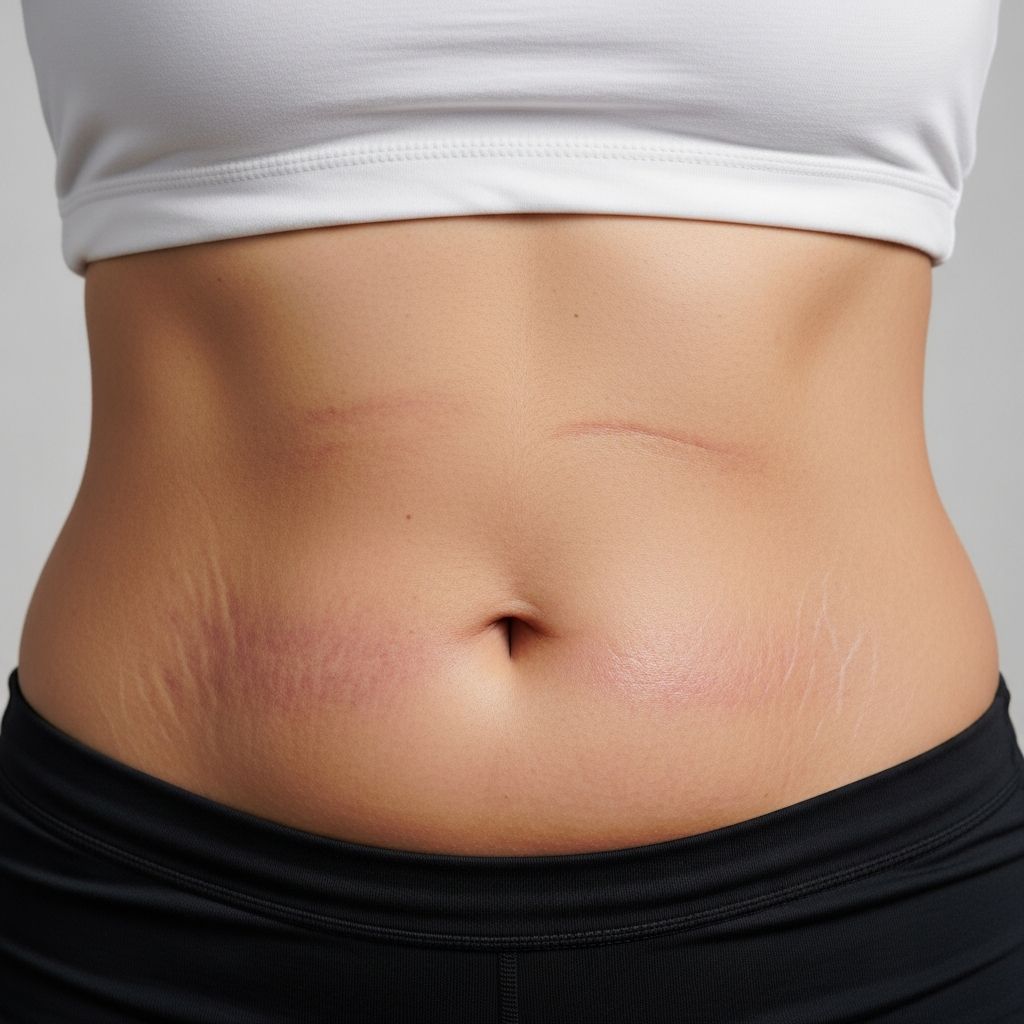
Stretch marks are visible lines or streaks that appear on the skin when it undergoes rapid expansion or contraction. The medical term striae refers to these scarring patterns that form in the dermis, the middle layer of skin composed of connective tissue. When this layer stretches rapidly, the collagen and elastin fibers can break down, resulting in the characteristic appearance of stretch marks.
Stretch marks typically progress through color stages as they age. Initially, they appear as pink, red, or purple marks on the skin surface. Over time, usually spanning months to years, these marks gradually fade to a silver or white color as the skin heals and blood flow to the area decreases. The faded appearance is often less noticeable, though the marks may never completely disappear.
Common Types of Stretch Marks
Different types of stretch marks are classified based on their causes and appearance:
– Striae gravidarum: Stretch marks that develop during pregnancy- Striae atrophicae: Marks resulting from weight loss or rapid muscle loss- Striae distensae: Marks caused by rapid weight gain or muscle development
What Causes Stretch Marks?
Stretch marks develop when the skin stretches rapidly, exceeding the dermis’s natural elasticity. Several factors contribute to their formation:
Pregnancy
Pregnancy is the most common cause of stretch marks. During pregnancy, multiple factors work together to increase stretch mark risk. The rapidly expanding uterus and developing baby create significant physical stretching of the abdominal skin. Simultaneously, hormonal changes—particularly elevated cortisol levels—weaken the skin’s natural elasticity, making it more susceptible to tearing. Even individuals who gain minimal weight during pregnancy may develop stretch marks due to these hormonal effects.
Weight Gain and Loss
Rapid weight gain stretches the skin faster than it can naturally adapt, creating stress on the dermis. Conversely, extreme weight loss can also produce stretch marks as the skin loses its underlying support structure. Bodybuilders and athletes who build muscle quickly often experience stretch marks as their expanding muscles stretch the skin rapidly.
Medical Conditions
Certain medical conditions significantly increase stretch mark risk:
– Cushing syndrome: Causes excessive cortisol production, weakening skin elasticity- Anorexia nervosa: Leads to rapid weight loss and nutritional deficiencies affecting skin health- Chronic liver disease: Impairs the body’s ability to produce and maintain collagen
Related Stories



Medications
Extended use of topical or systemic corticosteroids, such as prednisone, can significantly increase stretch mark development. These medications affect collagen production and skin elasticity, making the dermis more vulnerable to tearing during stretching.
Genetic Factors
Genetics play a crucial role in determining whether someone develops stretch marks. Your skin type, natural elasticity, and predisposition to scarring are partly inherited traits. If your parents experienced stretch marks, you may have a higher likelihood of developing them as well.
When Do Stretch Marks Appear?
In pregnancy, stretch marks most commonly appear during the second half of pregnancy, particularly in the third trimester when the baby bump grows more rapidly. Some individuals may notice them as early as the second trimester, while others may not develop them until the final weeks of pregnancy. The timing varies significantly based on individual factors including skin elasticity, genetics, and the rate of weight gain. It’s important to note that not everyone experiences stretch marks during pregnancy—genetics and individual skin characteristics significantly influence their development.
Prevention Strategies
While no foolproof method completely prevents stretch marks, several strategies can reduce your risk of developing them or minimize their severity:
Moisturization and Topical Treatments
The American Academy of Dermatology Association recommends using moisturizing creams and lotions before stretch marks appear. Applying these products daily and gently massaging them into the skin may help maintain skin hydration and elasticity. Products containing ingredients like hyaluronic acid and vitamin A derivatives show promise in supporting skin health, though they cannot completely prevent stretch marks from forming if the skin is stretched significantly.
Hydration
Staying well-hydrated supports overall skin health and elasticity. Drinking adequate water helps your skin maintain its natural moisture barrier and flexibility, making it better able to accommodate stretching.
Nutritional Support
Maintaining a healthy, balanced diet rich in vitamins and minerals supports collagen production and skin integrity. Nutrients including vitamin C, zinc, and protein are essential for maintaining healthy skin structure.
Lifestyle Modifications
Avoiding excessive caffeine consumption and maintaining gradual weight gain rather than rapid fluctuations can help reduce stretch mark risk. Moderate, regular exercise supports skin health and helps manage weight gain in a controlled manner.
Stretch Mark Treatment Options
If you already have stretch marks, several medically proven treatments can reduce their appearance. The key principle in treating stretch marks is that newer scars respond better to treatment than mature scars, making early intervention particularly valuable.
At-Home Treatments
Prescription Medications: Topical treatments containing tretinoin (a retinoid) and hyaluronic acid can help reduce the appearance of stretch marks. Tretinoin works by stimulating collagen production and promoting skin renewal, gradually improving the appearance of newer stretch marks. Retinol products, derived from vitamin A, offer similar benefits and are available over-the-counter in varying strengths.
Camouflage Options: Self-tanning products can temporarily mask the appearance of stretch marks by evening out skin tone and making the marks less visible against surrounding skin.
Professional Dermatological Procedures
Dermatologists can perform several advanced procedures that significantly reduce stretch mark appearance, though complete removal is not possible:
| Procedure | How It Works | Benefits | Recovery ||———–|————-|———-|———-|| Laser Therapy | Stimulates collagen remodeling and improves skin texture | Effective for both red and white stretch marks | Few days to weeks || Microdermabrasion | Mechanically exfoliates upper skin layers | Promotes collagen production and skin blending | Several days || Chemical Peels | Uses chemical solutions to remove skin layers | Reduces redness and promotes healing | Days to weeks || Radiofrequency Treatment | Uses heat energy to stimulate collagen | Tightens skin and improves elasticity | Minimal downtime || Ultrasound Therapy | Stimulates deep collagen production | Non-invasive with gradual improvement | No downtime || Microneedling | Creates controlled micro-injuries to trigger healing | Promotes collagen growth and blending | Several days |
Recovery time after professional procedures varies depending on the chosen treatment, ranging from a few days to several weeks. Your dermatologist can help determine which procedure best suits your specific stretch marks and skin type.
Post-Treatment Skin Care
Following professional procedures, using clinically proven topical treatments can support your skin’s natural healing process. Quality body care products designed to hydrate and nourish skin help optimize treatment results and maintain skin health during recovery.
Stretch Marks After Pregnancy
The good news for new parents is that pregnancy-related stretch marks typically fade significantly after delivery, though they may not completely disappear. The healing process occurs gradually over months and years as the marks transition from red or purple to lighter silver or white tones. During this natural fading process, various treatments can accelerate improvement and enhance results.
More than half of all pregnant people experience stretch marks as a natural consequence of pregnancy. However, the degree of fading and the final appearance vary considerably based on individual factors including genetics, skin type, age, and the intensity of the marks.
Why Professional Guidance Matters
Each person’s skin responds differently to stretch marks and treatments. Factors including age, skin type, mark severity, and overall skin health influence which treatments will be most effective for your unique situation. Consulting with a dermatologist or healthcare provider allows for personalized treatment planning that considers your specific needs and goals.
Frequently Asked Questions
Q: Can stretch marks be completely removed?
A: No, stretch marks cannot be completely removed as they are a form of scarring. However, various treatments can significantly reduce their appearance, making them much less noticeable. The goal of treatment is improvement rather than complete elimination.
Q: When is the best time to treat stretch marks?
A: Treating stretch marks early produces better results. Newer stretch marks that are still red or purple respond better to treatment than mature, white or silver marks. However, treatment remains beneficial even for older stretch marks.
Q: Are stretch marks dangerous or harmful?
A: No, stretch marks are not dangerous or harmful to your health. They are purely cosmetic concerns and do not pose any medical risk. They represent your skin’s natural response to stretching and are a normal part of many life experiences.
Q: Can I prevent stretch marks completely during pregnancy?
A: While there is no guaranteed way to completely prevent stretch marks, maintaining good hydration, proper nutrition, and skin moisture can reduce your risk. Genetics and hormonal factors significantly influence whether you develop stretch marks, so some cases are beyond your control.
Q: Is tretinoin safe during pregnancy or while breastfeeding?
A: Tretinoin should not be used during pregnancy or while breastfeeding without consulting your healthcare provider. It’s best to discuss treatment options with your doctor to ensure safety for both you and your baby.
Q: How much do professional stretch mark treatments cost?
A: Treatment costs vary significantly depending on the procedure type, severity of stretch marks, and geographic location. Laser therapy, microdermabrasion, and other professional procedures typically range from hundreds to thousands of dollars, often requiring multiple sessions for optimal results.
Conclusion: Moving Forward With Your Skin
Stretch marks are a common, natural occurrence that affects a significant portion of the population. Whether you develop them during pregnancy, through weight changes, or due to other factors, understanding your treatment options empowers you to make informed decisions about your skin care. While prevention strategies can help reduce risk, remember that developing stretch marks is often beyond your control due to genetic and hormonal factors. If you choose to address existing stretch marks, the combination of at-home treatments and professional procedures offers effective options for improving their appearance. Consult with a dermatologist or healthcare provider to develop a personalized treatment plan that aligns with your goals and skin type.
References
- A Guide to Stretch Marks Removal — ALASTIN Skincare. https://alastin.com/blogs/intheglow/a-guide-to-stretch-mark-removal
- All About Stretch Marks During and After Pregnancy — Pampers. https://www.pampers.com/en-us/pregnancy/pregnancy-symptoms/article/pregnancy-stretch-marks
- Retinol: Cream, Serum, What It Is, Benefits, How To Use — Cleveland Clinic. https://my.clevelandclinic.org/health/treatments/23293-retinol
- Scars: Treatment and Cause — Cleveland Clinic. https://my.clevelandclinic.org/health/diseases/11030-scars
Similar Articles








Read full bio of Sneha Tete