Stretch Marks: Causes, Treatments, and Prevention
Understanding stretch marks: Learn what causes them, effective treatments, and prevention strategies.

What Are Stretch Marks?
Stretch marks are a form of scarring that develops when your skin rapidly stretches or shrinks. The medical term for stretch marks is striae, and they appear as long, thin lines on the skin that often change in color and prominence over time. These marks form at a 90-degree angle to the direction in which the skin stretches.
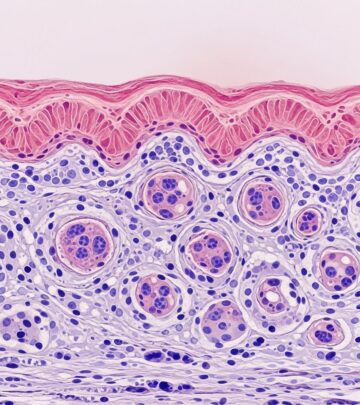
When your skin undergoes rapid expansion or contraction, the elastin and collagen in your dermis (the middle layer of skin) break. Elastin is responsible for allowing your skin to stretch and return to its original shape, while collagen provides structure, strength, and support. As your skin heals from this damage, stretch marks become visible in the affected areas.
Stretch marks are very common and are a normal part of life, especially during adolescence and pregnancy. They pose no health risks, and there is no medical need to eliminate them, though many people choose to reduce their appearance for cosmetic reasons.
Appearance and Stages of Stretch Marks
Stretch marks evolve in appearance over time. Initially, they often appear as raised pink, purple, or reddish linear streaks on the skin that can look indented and have a different texture from surrounding skin. These early-stage marks may feel slightly elevated and distinct from normal skin.
Over the next few months to years, stretch marks undergo significant color changes. They gradually transition from their initial reddish or purplish hue to white or silver scars. Eventually, stretch marks often turn lighter and can almost disappear over time, though they may never completely vanish.
In most cases, stretch marks do not cause any symptoms. However, some people report that their stretch marks feel itchy, though this is relatively uncommon.
Common Causes of Stretch Marks
Stretch marks develop when the dermis becomes stretched beyond its normal capacity. Understanding the causes can help you identify your risk factors:
- Pregnancy — One of the most common causes, particularly affecting the abdomen, breasts, and thighs. Pregnant women with larger abdominal circumference due to large fetal size face increased risk.
- Weight gain or loss — Rapid changes in body weight can stretch or compress skin, leading to stretch marks.
- Growth spurts — During adolescence, rapid physical growth can cause stretch marks, commonly appearing on the thighs and buttocks in adolescent females and the back in adolescent males.
- Muscle building — Exercises and activities that rapidly increase muscle size can cause stretch marks.
- Medical conditions — Certain conditions like Cushing syndrome, Marfan syndrome, and diabetes mellitus can increase stretch mark development.
- Corticosteroid use — Long-term use of systemic or topical steroids can contribute to stretch mark formation.
- Medication side effects — Some medications may trigger stretch marks as a side effect.
Risk Factors for Developing Stretch Marks
Certain factors increase your likelihood of developing stretch marks:
- Young age — Stretch marks typically develop between ages 5 and 50, with higher prevalence in younger individuals.
- Family history — Having parents or relatives with stretch marks increases your risk.
- Skin type — Certain skin phototypes may be more susceptible to stretch mark development.
- Female gender — Women are at higher risk, particularly during pregnancy and adolescence.
- Pre-pregnancy weight — Higher pre-pregnancy weight is associated with increased stretch mark risk.
- Maternal age during pregnancy — Younger pregnant women have higher risk than older pregnant women.
- Vitamin D levels — Some studies suggest women with normal vitamin D values are at lower risk of developing stretch marks.
Where Stretch Marks Appear
Stretch marks can develop anywhere on the body where skin stretches, but they appear most commonly in specific areas:
- Abdomen (especially during pregnancy)
- Breasts (during pregnancy and puberty)
- Thighs (inner and outer, particularly common in adolescents and during weight changes)
- Buttocks
- Back (especially in adolescent males)
- Arms and shoulders (during muscle development)
Treatment Options for Stretch Marks
While treating stretch marks is challenging and they may not disappear completely, several treatment options can improve their appearance. Addressing stretch marks when they first appear yields the best results. Older, deep stretch marks may be more difficult to treat.
Laser Skin Resurfacing
Laser skin resurfacing is a surgical treatment where your healthcare provider directs short, concentrated, pulsating beams of light onto your stretch marks. The laser removes layers of skin very precisely, which stimulates the growth of new collagen fibers to create smoother skin. In general, stretch marks take between six and 12 months to fade, though with laser treatment they often fade faster.
Microneedling
Microneedling is another effective treatment option that stimulates the body’s natural healing response and collagen production.
Dermabrasion
Dermabrasion is a treatment that removes the outer layers of skin to reduce the appearance of stretch marks.
Retinol Creams
Topical retinol creams are among the most common treatments for stretch marks. Retinoids may help improve skin texture and appearance over time.
Collagen Therapies
Increasing collagen production at the site of the stretch mark may make skin more elastic, thereby reducing appearance. Doctors may recommend a combination of products to help reduce the appearance of stretch marks.
Over-the-Counter Topical Creams and Gels
The most common treatments for stretch marks are topical creams, ointments, and gels, some of which have evidence supporting their use. However, studies have discovered that almond oil, cocoa butter, olive oil, and vitamin E have been unsuccessful in making stretch marks fade.
Prevention Strategies
While you can’t guarantee you won’t develop stretch marks, a combination of hydration, diet, and exercise can help reduce your risk:
Maintain Healthy Hydration
Staying hydrated helps keep your skin soft and supple. Soft skin is somewhat less likely to develop stretch marks than dry skin.
Implement Good Nutrition
Eat foods that promote healthy skin, including those rich in vitamins, minerals, and antioxidants. Proper nutrition supports your skin’s elasticity and healing capacity.
Exercise Regularly
Exercise increases circulation and helps your body produce collagen. Increased circulation and collagen help your skin stay strong and stretchy.
Watch Your Weight
Gradual weight gain is less likely to cause stretch marks than rapid weight changes. For pregnant women, gaining a healthy amount of weight may lessen stretch marks by preventing overstretched skin.
Check Vitamin D Levels
Some studies suggest women with normal vitamin D values are at lower risk of developing stretch marks.
Do Stretch Marks Require Medical Attention?
It is not necessary to see your healthcare provider about stretch marks. However, it’s a good idea to consult a doctor if your stretch marks cover a large area of your skin or you’d like to explore treatment options. Additionally, if you develop stretch marks for no obvious reason (such as without rapid weight gain or pregnancy), it’s recommended to talk to your doctor to rule out any underlying healthcare concerns.
Stretch marks may be difficult to treat, but they aren’t harmful to your physical health. They’ll also become less noticeable over time, even without treatment. While stretch marks can have a significant physical and psychological impact on quality of life, they are purely cosmetic and do not pose functional health risks.
Key Takeaways About Stretch Marks
- Stretch marks are a common form of scarring affecting 50-90% of the population.
- They result from rapid skin stretching or shrinking, breaking elastin and collagen fibers.
- Initial appearance is reddish or purple, gradually fading to white or silver over time.
- Pregnancy, weight changes, growth spurts, and muscle building are primary causes.
- Early treatment with laser therapy, microneedling, or topical creams yields better results.
- Prevention focuses on hydration, nutrition, exercise, and gradual weight changes.
- Stretch marks pose no health risks and are purely cosmetic concerns.
- Certain medications and medical conditions can increase stretch mark risk.
Frequently Asked Questions About Stretch Marks
Q: Are stretch marks permanent?
A: Stretch marks are permanent scars, but they become less noticeable over time, even without treatment. With treatment options like laser therapy or microneedling, they can fade faster.
Q: Can I prevent stretch marks completely?
A: You cannot guarantee you won’t develop stretch marks, but maintaining hydration, good nutrition, regular exercise, and gradual weight changes can help reduce your risk.
Q: Are stretch marks dangerous?
A: No, stretch marks pose no health risks and are painless. They are purely cosmetic concerns that may affect appearance but not physical health.
Q: When should I seek treatment for stretch marks?
A: Addressing stretch marks when they first appear yields the best results. Consult a healthcare provider if your stretch marks cover a large area or you’d like to explore treatment options.
Q: Can topical creams alone eliminate stretch marks?
A: Topical creams can help reduce appearance, but they may not completely eliminate stretch marks. Combination treatments and professional procedures like laser therapy tend to be more effective.
Q: Do natural remedies like cocoa butter work?
A: Studies have found that almond oil, cocoa butter, olive oil, and vitamin E are unsuccessful in making stretch marks fade. However, staying hydrated and maintaining good skin health can help prevent new stretch marks.
Q: How long does it take for stretch marks to fade naturally?
A: In general, stretch marks take between six and 12 months to fade naturally. With professional treatment, they often fade faster.
Q: Are younger women more prone to stretch marks during pregnancy?
A: Yes, during pregnancy, younger females have a higher risk than older females of developing stretch marks. Additionally, pregnant women with larger abdominal circumference due to large fetal size are at increased risk.
References
- Stretch Marks: Causes, Treatment Options & Prevention — Cleveland Clinic. 2024. https://my.clevelandclinic.org/health/diseases/10785-stretch-marks
- Stretch marks on thighs: Appearance, causes, and treatments — Medical News Today. 2024. https://www.medicalnewstoday.com/articles/326525
- Can I Avoid Getting Stretch Marks? — Orlando Health. 2024. https://www.orlandohealth.com/services-and-specialties/orlando-health-womens-institute/content-hub/can-i-avoid-getting-stretch-marks/
- A Narrative Review of Current Striae Treatments — National Center for Biotechnology Information (NIH). 2023. https://pmc.ncbi.nlm.nih.gov/articles/PMC9777947/
- Stretch Marks (for Teens) — Nemours KidsHealth. 2024. https://kidshealth.org/en/teens/stretch-marks.html
Similar Articles



Read full bio of medha deb