Stridor: Noisy Breathing Symptoms, Causes & Treatment
Understanding stridor: Learn about causes, symptoms, diagnosis, and effective treatment options.

Understanding Stridor: What You Need to Know
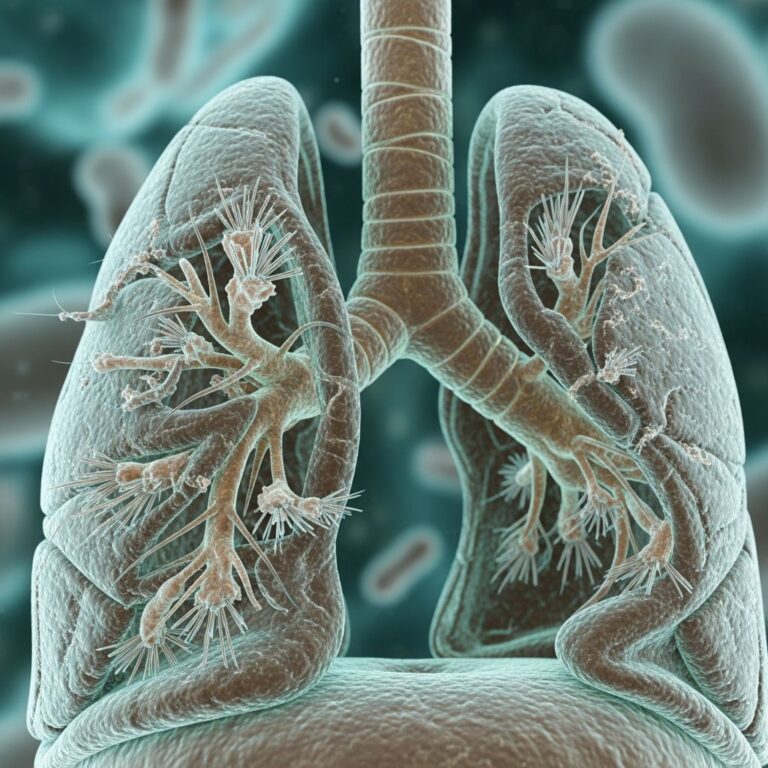
Stridor, commonly referred to as noisy breathing, is a high-pitched whistling or squeaking sound that occurs when you breathe in or out. This abnormal sound is a clear indication that something is obstructing your airway and requires prompt medical attention. The condition develops when there is a blockage in your throat (pharynx), voice box (larynx), or windpipe (trachea). While stridor can affect people of any age, it is particularly prevalent among children whose narrower airways make them more susceptible to blockages. Understanding what stridor is, why it occurs, and when to seek help is essential for managing this potentially serious condition effectively.
What Causes Stridor?
Stridor results from a blockage in your airway, preventing air from passing smoothly through your respiratory system. The exact cause varies widely depending on individual circumstances and age groups. In children, the most common cause is an upper airway infection, particularly viral croup, which affects an estimated 5 to 6 out of every 100 toddlers between 6 months and 3 years of age. Other significant causes include foreign body aspiration, which accounts for approximately 17,000 emergency room visits annually in the United States.
Additional causes of stridor encompass laryngomalacia, a congenital condition where the larynx is abnormally formed; bacterial infections such as epiglottitis; allergic reactions; vocal cord dysfunction; tumors or growths in the airway; trauma to the throat or neck; and various other medical conditions affecting the upper respiratory tract. The specific cause determines the appropriate treatment approach and the urgency of medical intervention required.
Types of Stridor
Medical professionals classify stridor into three distinct types based on the location of the airway blockage and when the noise occurs during the breathing cycle:
Inspiratory Stridor
Inspiratory stridor occurs when you breathe in and is characterized by a high-pitched sound during inhalation. This type typically indicates a blockage in the upper larynx or upper trachea. It is often associated with conditions like laryngomalacia or epiglottitis. The sound is most noticeable when the patient is inhaling and may improve or disappear during exhalation.
Expiratory Stridor
Expiratory stridor develops during exhalation and suggests a blockage in the intrathoracic trachea or lower airway. This type of stridor may indicate conditions such as tracheomalacia or foreign body lodged in the lower airway. The sound is predominantly heard when air is being expelled from the lungs.
Biphasic Stridor
Biphasic stridor occurs during both inhalation and exhalation, indicating a fixed obstruction at a single point in the airway. This type commonly results from fixed airway obstructions, such as hemangiomas, strictures, or vocal cord paralysis. The continuous noise throughout the breathing cycle suggests a more significant airway compromise.
Recognizing Stridor Symptoms
The primary sign of stridor is the distinctive high-pitched whistling or squeaking sound when breathing. However, depending on the underlying cause, patients may experience additional symptoms that accompany the abnormal breathing noise.
Common Symptoms Associated with Stridor
Beyond the characteristic noisy breathing, individuals with stridor may exhibit:
Related Stories



- Difficulty breathing or shortness of breath
- Hoarseness or changes in voice quality
- Chronic cough that doesn’t improve with standard treatments
- Throat pain or discomfort
- Fever, particularly if caused by infection
- Fatigue and reduced energy levels
- Difficulty swallowing
- Retractions (visible pulling in of skin around ribs and neck during breathing)
Severe Symptoms Requiring Immediate Medical Attention
Certain symptoms indicate a medical emergency and require immediate evaluation at an emergency room or a call to 911:
- Severe difficulty breathing or gasping for air
- Blue or pale skin coloration (cyanosis)
- Loss of consciousness or extreme drowsiness
- Inability to speak, cry, or make normal sounds
- Drooling or inability to swallow saliva
- Stridor at rest that is progressively worsening
- Signs of severe respiratory distress
- Choking or gagging sensations
How Stridor Is Diagnosed
Diagnosing stridor involves a comprehensive evaluation process that begins with gathering detailed information about your medical history and current symptoms. Your healthcare provider will conduct a thorough physical examination and may recommend various diagnostic tests to identify the underlying cause of your noisy breathing.
Diagnostic Procedures and Tests
Your provider may recommend one or more of the following tests:
- Laryngoscopy: Direct visualization of the larynx using a thin, flexible tube with a camera to assess the voice box structure and function
- Bronchoscopy: Examination of the lower airway and trachea to identify blockages or abnormalities
- Chest X-rays: Imaging to evaluate the airways and lungs for obstructions or abnormalities
- CT scans: Detailed imaging to identify masses, strictures, or structural abnormalities
- Pulmonary function tests: Breathing tests to assess how well your lungs are functioning
- Allergy testing: If allergic reactions are suspected as the cause
- Throat culture: Testing for bacterial or viral infections
Treatment Options for Stridor
Treatment for stridor focuses on opening your airways and removing or treating the underlying blockage. The specific approach depends on what caused your stridor and the severity of your symptoms. Your healthcare provider will develop a personalized treatment plan tailored to your individual needs.
Medical Treatments
For stridor caused by infections or inflammation, medical management may include corticosteroids to reduce swelling in the airway, antibiotics if bacterial infection is present, and supportive care such as humidified air or oxygen therapy. Antihistamines or epinephrine may be prescribed if allergic reactions or anaphylaxis are contributing to airway obstruction.
Surgical Interventions
When medical management is insufficient or the obstruction cannot be resolved through medication, surgical intervention may be necessary. Procedures may include removal of foreign objects from the airway, correction of laryngeal or tracheal abnormalities, removal of growths or tumors, or surgical reconstruction of damaged airways. The specific surgical approach depends on the nature and location of the obstruction.
Supportive Care Measures
Regardless of the specific treatment, supportive care plays an important role in managing stridor. This may include using a humidifier to add moisture to the air you breathe, elevating your head while sleeping, staying well-hydrated, avoiding irritants and allergens, and following your healthcare provider’s instructions carefully during your recovery period.
Recovery and Prognosis After Treatment
Your recovery time depends significantly on the underlying cause of your stridor and the type of treatment used to address it. Medical treatments such as medications can typically produce improvement within two to three days, allowing you to resume normal breathing patterns relatively quickly. Surgical interventions, however, require a longer recovery period that may extend several weeks before you return to normal functioning.
Regardless of the treatment approach, you should experience immediate relief once your healthcare provider removes or treats the airway blockage. The prognosis for stridor is generally positive when quick treatment is pursued to remove the obstruction. Your provider will continue monitoring your symptoms after treatment to ensure successful recovery and prevent complications. Most importantly, prompt diagnosis and treatment of the underlying cause lead to excellent outcomes and prevent life-threatening complications such as respiratory failure.
Preventing Stridor
While you cannot prevent all cases of stridor because multiple different causes exist, you can take several steps to reduce your risk:
- Prevent foreign object aspiration by keeping small objects away from young children and supervising their play
- Ensure current vaccinations to protect against infections like epiglottitis
- Manage existing allergies and asthma with appropriate medications and environmental controls
- Avoid smoking and secondhand smoke exposure
- Practice good hygiene to reduce upper respiratory infections
- Seek prompt treatment for respiratory infections to prevent complications
- Use proper technique when administering medications to avoid aspiration
When to Contact Your Healthcare Provider
You should contact your healthcare provider immediately if you develop stridor or notice noisy breathing in yourself or a family member. Stridor indicates that something abnormal is occurring in your airway and requires professional evaluation. Do not delay seeking care because your body needs a constant supply of oxygen to survive and maintain organ function. If you experience any of the severe symptoms previously mentioned, proceed immediately to the nearest emergency room or call 911 rather than waiting to contact your primary care provider.
Frequently Asked Questions
Q: Can stridor go away on its own?
A: Some cases of stridor caused by viral infections or mild inflammation may improve over time with supportive care. However, stridor should always be evaluated by a healthcare provider to determine the underlying cause and ensure appropriate treatment. Do not assume stridor will resolve without professional assessment.
Q: Is stridor more common in children or adults?
A: Stridor is more common in children because their airways are narrower than adults, making them more susceptible to blockages. However, stridor can affect people of any age and should be taken seriously whenever it occurs.
Q: What is the difference between stridor and wheezing?
A: Stridor is a high-pitched sound caused by blockage in the large central airways (larynx or trachea) and is usually heard without a stethoscope. Wheezing is a lower-pitched sound caused by narrowing in the small airways of the lungs and is typically detected during examination with a stethoscope.
Q: Can viral croup cause permanent damage?
A: Most cases of viral croup resolve completely without permanent damage when treated appropriately. However, severe or recurrent cases may require additional evaluation to rule out underlying conditions.
Q: How long does treatment for stridor typically take?
A: Medical treatment may produce improvement within 2-3 days, while surgical recovery can take several weeks. The timeline depends on the underlying cause and treatment type. Your healthcare provider will give you a specific recovery timeline based on your situation.
Q: Can stridor be life-threatening?
A: Yes, stridor can be life-threatening if left untreated, potentially leading to respiratory failure when your body cannot maintain adequate oxygen levels. This is why prompt medical attention is essential whenever stridor develops.
References
- Stridor (Noisy Breathing) Symptoms & Causes — Cleveland Clinic. 2022-06-20. https://my.clevelandclinic.org/health/diseases/23303-stridor
- A speech therapy treatment protocol for exercise induced laryngeal obstruction — National Center for Biotechnology Information (NCBI). 2024. https://pmc.ncbi.nlm.nih.gov/articles/PMC11208626/
- Vocal cord dysfunction — American Nurse Journal. https://www.myamericannurse.com/vocal-cord-dysfunction/
- All that wheezes: When to suspect stridor — Cleveland Clinic Journal of Medicine. 2021-03. https://www.ccjm.org/content/88/3/150
- Clinical Acute Stridor in Children — Journal of Urgent Care Medicine. 2011. https://www.jucm.com/wp-content/uploads/2021/02/2011-5109-16-Clinical-Mgmt.pdf
- Laryngomalacia: Symptoms, Causes & Treatment — Cleveland Clinic. https://my.clevelandclinic.org/health/diseases/22076-laryngomalacia
Similar Articles








Read full bio of medha deb