Stroke: Understanding Causes, Symptoms, and Treatment
Comprehensive guide to stroke prevention, recognition, and recovery strategies.
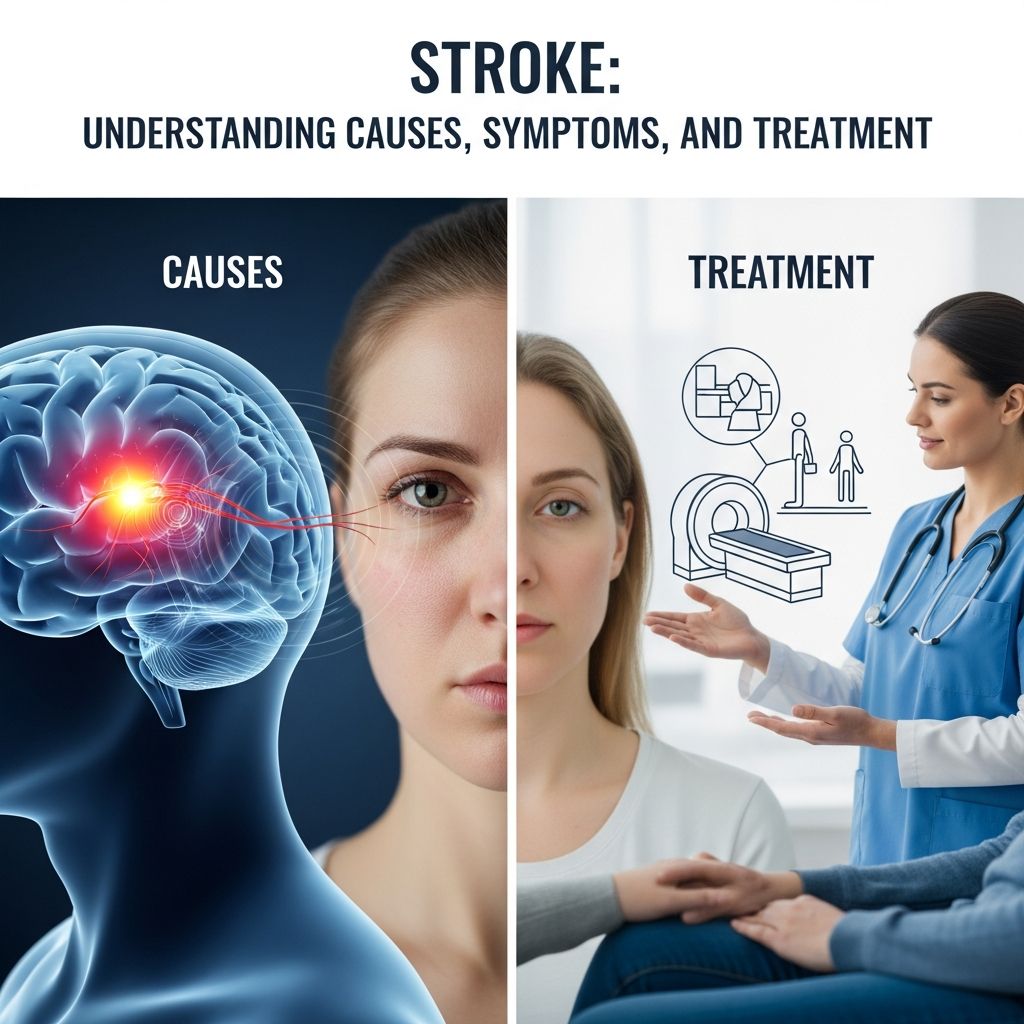
Understanding Stroke: A Medical Emergency
A stroke occurs when blood flow to the brain is interrupted, preventing oxygen-rich blood from reaching brain cells. This disruption causes brain cells to die within minutes, leading to potential long-term disability or death. Stroke is a medical emergency that requires immediate professional intervention. The concept of “time is brain” emphasizes that every minute counts in stroke treatment, as rapid intervention significantly improves patient outcomes and reduces the severity of complications.
Approximately one American experiences a stroke every 40 seconds, making it a leading cause of disability in the United States. Understanding stroke types, recognizing warning signs, and knowing how to respond can be lifesaving. Modern treatment approaches combine emergency interventions with comprehensive rehabilitation programs to help patients achieve the best possible recovery.
Types of Stroke
There are two main categories of stroke, each requiring different treatment approaches:
Ischemic Stroke
Ischemic strokes account for approximately 87% of all strokes and occur when a blood vessel becomes blocked by a clot, preventing blood flow to the brain. These strokes are further subcategorized by their cause:
– Large-vessel atherosclerosis: Occurs when plaque buildup narrows major blood vessels supplying the brain- Cardio-embolic disease: Results from blood clots formed in the heart that travel to the brain- Small-vessel disease: Involves blockages in small arteries deep within the brain- Cryptogenic strokes: Approximately 25% of ischemic strokes have no identified cause
Hemorrhagic Stroke
Hemorrhagic strokes occur when a weakened blood vessel ruptures, allowing blood to leak into the brain tissue. This type accounts for about 13% of strokes but is often more severe. Causes include high blood pressure, aneurysms, and arteriovenous malformations. The bleeding can increase intracranial pressure, damaging brain cells and potentially causing brain herniation if not treated urgently.
Risk Factors and Prevention
Understanding and managing stroke risk factors is crucial for prevention. Healthcare providers recommend comprehensive stroke risk screening to identify individuals at higher risk and implement preventive measures.
Major Modifiable Risk Factors
– High blood pressure (hypertension)- Atrial fibrillation and other heart conditions- High cholesterol levels- Diabetes mellitus- Smoking and tobacco use- Excessive alcohol consumption- Physical inactivity and obesity- Poor diet high in sodium and low in nutrients
Non-Modifiable Risk Factors
– Age (risk increases with age, particularly after 55)- Family history of stroke- Race and ethnicity (African Americans have higher stroke risk)- Previous stroke or transient ischemic attack (TIA)- Male gender (though women have more strokes overall due to longevity)
Prevention Strategies
Effective stroke prevention involves lifestyle modifications and medical management. Individuals should maintain a healthy diet rich in fruits, vegetables, and whole grains while limiting sodium intake. Regular physical activity of at least 150 minutes per week of moderate-intensity exercise helps reduce stroke risk. Smoking cessation is critical, as smokers have significantly elevated stroke risk. Managing chronic conditions like diabetes and hypertension through medication adherence and regular monitoring is essential. Weight management and limiting alcohol consumption to moderate levels further reduce risk.
Related Stories



Recognizing Stroke Symptoms
Recognizing stroke symptoms immediately is vital for survival and recovery. The acronym FAST helps identify common stroke warning signs:
FAST Criteria
Face Drooping: One side of the face may droop or feel numb. Ask the person to smile and look for asymmetry.
Arm Weakness: Weakness or numbness in one arm is common. Have the person raise both arms and observe if one drifts downward.
Speech Difficulty: Speech may be slurred, difficult to understand, or the person may struggle to find words. Ask them to repeat a simple phrase.
Time to Call 911: Any of these signs warrant immediate emergency response. The window for administering time-sensitive treatments like thrombolytics is very narrow, typically within 3-4.5 hours of symptom onset.
Other Stroke Symptoms
– Sudden severe headache with no known cause- Sudden vision problems in one or both eyes- Sudden difficulty walking or loss of balance- Sudden confusion or difficulty understanding others- Sudden numbness or weakness in the legs- Sudden dizziness or loss of coordination
Diagnosis and Emergency Treatment
Diagnostic Procedures
Upon arrival at the emergency department, stroke patients undergo rapid diagnostic evaluation. Imaging studies are performed immediately to determine stroke type, as treatment differs significantly between ischemic and hemorrhagic strokes.
CT or MRI Scans: These imaging modalities quickly identify whether bleeding has occurred in the brain, which is essential for treatment decisions. Advanced imaging can also assess the extent of brain damage and identify salvageable brain tissue.
Blood Tests: Laboratory work checks for clotting disorders, glucose levels, and other factors affecting treatment eligibility.
Electrocardiogram (EKG): Evaluates heart rhythm to identify conditions like atrial fibrillation that may have caused cardio-embolic stroke.
Carotid Ultrasound: May be performed to assess for narrowing in the carotid arteries.
Acute Stroke Treatment
Treatment depends on stroke type and time from symptom onset. Emergency departments now utilize coordinated team approaches with neurologists, nurses, interventional radiologists, and other specialists working simultaneously to provide rapid intervention.
Thrombolytic Therapy (tPA): For ischemic strokes, tissue plasminogen activator (tPA) is a clot-busting medication that can be administered intravenously within 3-4.5 hours of symptom onset. This medication works by dissolving the clot and restoring blood flow to the brain.
Mechanical Thrombectomy: This surgical procedure involves inserting a catheter to physically remove the clot from the artery. It can be effective up to 24 hours after symptom onset in selected patients and is often used alongside or instead of thrombolytic therapy.
Supportive Care: Patients receive continuous monitoring, management of vital signs, prevention of complications, and other supportive measures while waiting for or undergoing definitive treatment.
Comprehensive Stroke Center Approach
Leading medical institutions like Johns Hopkins Hospital’s Comprehensive Stroke Center provide multidisciplinary care addressing all aspects of stroke management. These centers employ integrated teams including emergency physicians, stroke neurologists, nurses, physical and occupational therapists, speech-language pathologists, pharmacists, nutritionists, social workers, and psychologists.
Hospital Care and Early Rehabilitation
Modern stroke centers emphasize beginning rehabilitation activities within the first 24 hours of hospitalization. Early rehabilitation capitalizes on the brain’s neuroplasticity, its ability to reorganize and form new neural connections during recovery. Research demonstrates that patients receiving more intensive early therapy achieve better long-term functional outcomes and reduced disability.
Digital therapeutics and innovative rehabilitation technologies are increasingly integrated into stroke recovery programs. These include virtual reality training, robotic-assisted therapy, and specialized software designed to facilitate motor recovery and cognitive rehabilitation.
Transition to Home Care
Safe transition from hospital to home is critical for continued recovery. Specialized telemedicine programs like the Johns Hopkins Stroke Transitions Program (J-STEP) provide remote monitoring and specialist access immediately after discharge. These programs ensure medical conditions remain stable, medications are appropriate, therapies continue safely, and patients receive support during the vulnerable post-hospitalization period.
Stroke Rehabilitation and Recovery
Rehabilitation Team and Services
Effective stroke rehabilitation requires coordinated effort from multiple disciplines working collaboratively. Physical therapists address mobility and strength, occupational therapists focus on activities of daily living, speech-language pathologists manage communication and swallowing difficulties, and psychologists address emotional and cognitive changes. Social workers help with discharge planning and community resource coordination.
Recovery Timeline and Expectations
Recovery varies significantly among individuals based on stroke severity, location, and pre-stroke health. The brain demonstrates greatest plasticity during the first three months, though recovery can continue for months or years with appropriate therapy. Many patients achieve significant functional improvement, though some residual effects may persist.
Rehabilitation Goals
– Restore physical strength and mobility- Improve balance and coordination- Restore communication abilities- Address cognitive changes and memory problems- Manage emotional and psychological impacts- Regain independence in self-care activities- Return to work or previous activities when possible
Long-term Management and Secondary Prevention
After surviving an acute stroke, preventing recurrent strokes becomes paramount. Stroke survivors have significantly elevated risk for another stroke, and approximately 25% experience recurrent strokes within five years without appropriate prevention strategies.
Medication Management
– Antiplatelet agents (aspirin, clopidogrel) for ischemic stroke prevention- Anticoagulation therapy for cardio-embolic stroke prevention- Antihypertensive medications to control blood pressure- Statin therapy to manage cholesterol- Diabetes medications for glucose control
Lifestyle Modifications
Continued adherence to healthy lifestyle choices is essential. Patients should maintain regular physical activity, follow a heart-healthy diet, continue smoking cessation, manage stress effectively, and maintain medication compliance. Regular follow-up appointments with healthcare providers ensure ongoing assessment and adjustment of prevention strategies.
Clinical Research and Innovation
Stroke centers actively participate in clinical research advancing stroke prevention, acute treatment, and rehabilitation. Research focuses on developing more effective thrombolytic agents, extending treatment windows, improving rehabilitation interventions, and understanding recovery mechanisms. Patients who participate in clinical trials often access innovative treatments not yet available to the general population while contributing to medical advancement.
Frequently Asked Questions
Q: What is the difference between a stroke and a TIA?
A: A transient ischemic attack (TIA) is a temporary blockage of blood flow to the brain with symptoms that resolve within 24 hours, typically within minutes to hours. While TIA symptoms are temporary, it indicates significant stroke risk and requires medical evaluation and preventive intervention. A stroke causes permanent brain damage and persistent neurological symptoms.
Q: Can I drive after a stroke?
A: Driving ability depends on the severity and location of stroke damage. Many stroke survivors eventually return to driving after appropriate recovery and rehabilitation, but this requires medical clearance and sometimes driving evaluations. Residual weakness, vision problems, or cognitive changes may affect driving safety.
Q: How long does stroke recovery take?
A: Recovery timelines vary significantly. Most significant recovery occurs in the first three months, but improvement can continue for years with appropriate rehabilitation. Some patients achieve near-complete recovery while others experience permanent disability, depending on stroke severity and individual factors.
Q: What increases stroke risk in women specifically?
A: Women face additional stroke risk factors including pregnancy, oral contraceptive use, hormone replacement therapy, and pregnancy-related complications like preeclampsia. Women also tend to have strokes at older ages and may experience atypical symptoms, leading to delayed recognition and treatment.
Q: Can stroke be prevented?
A: While not all strokes can be prevented, approximately 90% are preventable through lifestyle modifications and management of risk factors. Controlling blood pressure, managing diabetes, quitting smoking, maintaining healthy weight, exercising regularly, and eating a healthy diet significantly reduce stroke risk.
Q: What should I do if I suspect someone is having a stroke?
A: Call 911 immediately. Note the time symptoms began, as this information is crucial for treatment decisions. Do not wait to see if symptoms resolve. Do not drive the person to the hospital yourself. Provide emergency responders with detailed information about observed symptoms.
References
- Guidelines for Adult Stroke Rehabilitation and Recovery: A Guideline for Healthcare Professionals from the American Heart Association/American Stroke Association — American Heart Association. 2016-06-01. https://www.ahajournals.org/doi/10.1161/STR.0000000000000098
- Stroke — Johns Hopkins Guides, The Johns Hopkins University. 2022-08-07. https://www.hopkinsguides.com/hopkins/view/Johns_Hopkins_Diabetes_Guide/547139/all/Stroke
- The Johns Hopkins Hospital Comprehensive Stroke Center: Innovations in Stroke Care — Johns Hopkins Medicine. 2022-05-09. https://www.hopkinsmedicine.org/health/conditions-and-diseases/stroke
- About Stroke — Centers for Disease Control and Prevention (CDC). 2024. https://www.cdc.gov/stroke/about.html
- Stroke: Signs and Symptoms — National Institutes of Health (NIH). 2024. https://www.ninds.nih.gov/Disorders/All-Disorders/Stroke-Information-Page
Similar Articles








Read full bio of Sneha Tete