Stroke: What It Is, Causes, Symptoms & Treatment
Understanding stroke: Learn about types, warning signs, risk factors, and emergency treatment options.
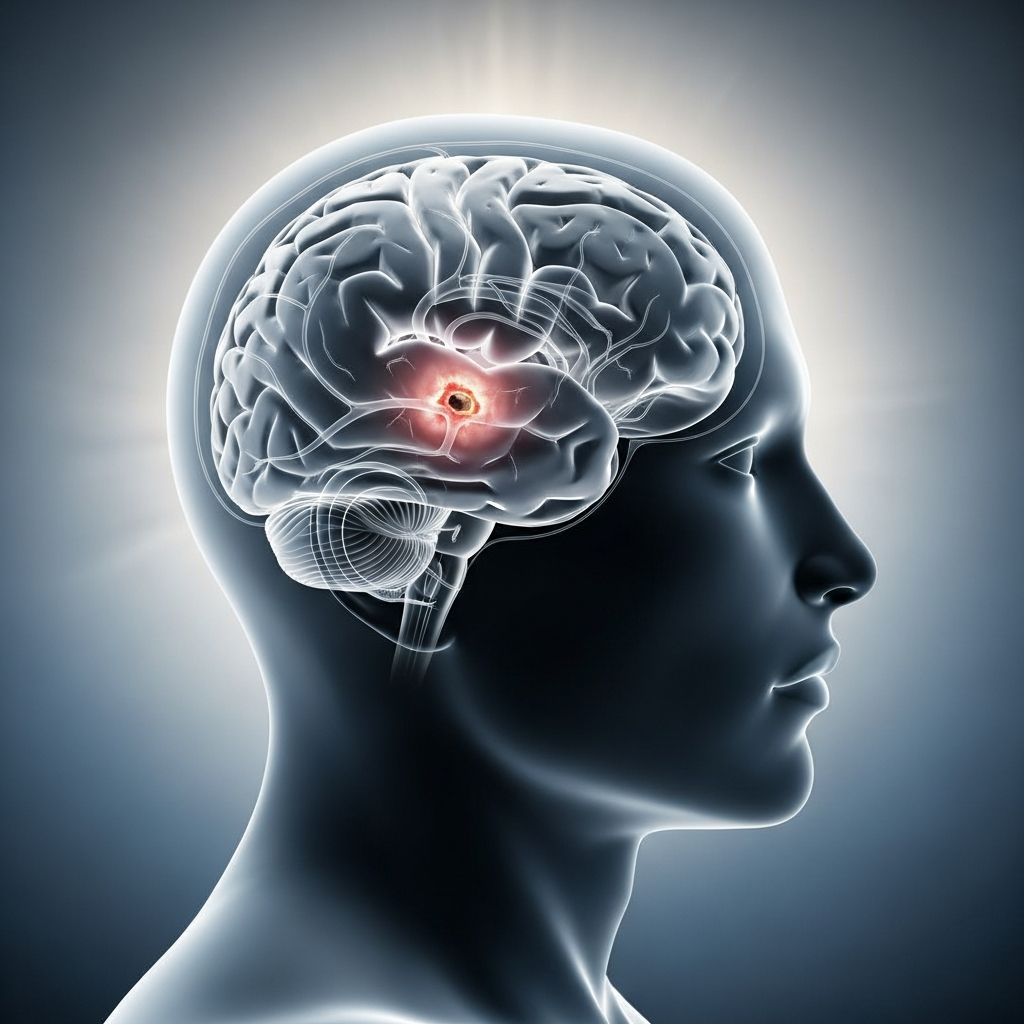
A stroke, commonly referred to as a “brain attack,” is a serious medical emergency that occurs when blood flow to the brain is interrupted. Every 40 seconds, someone in the United States suffers a stroke, and approximately 800,000 people experience a new or recurrent stroke each year. Understanding what a stroke is, recognizing its warning signs, and knowing how to respond can be lifesaving. When brain cells do not receive the oxygen and nutrients they need due to blocked or reduced blood flow, they begin to die within minutes, potentially causing permanent brain damage, disability, or death.
Types of Stroke
There are two primary types of stroke, each requiring different treatment approaches:
Ischemic Stroke
Ischemic strokes account for approximately 87% of all strokes and occur when a blood clot or other blockage obstructs an artery that carries blood to the brain. This blockage prevents oxygen-rich blood from reaching brain tissue, causing cells to die rapidly. Ischemic strokes can result from blood clots that form in the brain’s arteries or from clots that travel from other parts of the body, such as the heart.
Hemorrhagic Stroke
Hemorrhagic strokes account for approximately 13% of all strokes and occur when a blood vessel in the brain ruptures or bursts, causing bleeding into the brain tissue. This bleeding increases pressure within the skull and can damage brain cells. Hemorrhagic strokes are often more severe than ischemic strokes and may result from conditions such as high blood pressure, aneurysms, or arteriovenous malformations.
Transient Ischemic Attack (TIA)
While not classified as a true stroke, a transient ischemic attack (TIA), sometimes called a “mini-stroke” or “warning stroke,” is a temporary episode that produces stroke-like symptoms that disappear after a short time. TIAs are strong indicators of a possible major stroke and should be taken seriously as warning signs to seek medical evaluation and preventive care.
Recognizing Stroke Symptoms: The BE FAST Method
Time is critical in stroke treatment. Recognizing symptoms and calling 911 immediately can mean the difference between recovery and permanent disability. Use the BE FAST method to evaluate whether someone may be having a stroke:
B – Balance
Watch for a sudden loss of balance or coordination. The person may experience dizziness, difficulty walking, or inability to maintain steady posture.
E – Eyes
Look for sudden vision problems in one or both eyes. This may include blurred vision, double vision, or complete loss of vision in one eye. Vision loss may affect only part of the visual field.
F – Face
Ask the person to smile and look for facial drooping on one side. Facial weakness or numbness, particularly on one side of the face, is a classic stroke symptom. One corner of the mouth may droop or appear uneven.
A – Arms
Ask the person to raise both arms. If one arm drifts downward or cannot be raised, this indicates arm weakness or paralysis, commonly seen in stroke patients. Numbness on one side of the body may also be present.
S – Speech
Ask the person to repeat a simple phrase. Slurred speech, difficulty finding words, or speech that sounds strange may indicate a stroke. The person may also have difficulty understanding what is being said to them.
Related Stories



T – Time
If you observe any of these signs, call 911 immediately. Do not wait or try to drive to the hospital yourself. Time is brain, and emergency medical treatment is essential within the first few hours of symptom onset.
Other Stroke Symptoms
In addition to the BE FAST symptoms, other warning signs of stroke may include:
- Sudden severe headache with no known cause
- Sudden confusion or difficulty understanding others
- Sudden numbness or weakness, especially on one side of the body
- Sudden trouble walking or loss of coordination
- Sudden difficulty swallowing
- Sudden unconsciousness or unresponsiveness
Stroke Risk Factors
Understanding risk factors for stroke can help you take preventive measures. Risk factors include:
Non-Modifiable Risk Factors
Some risk factors cannot be changed, including age (stroke risk increases with age), family history of stroke, race and ethnicity (African Americans have higher stroke risk), and previous stroke or TIA.
Modifiable Risk Factors
Many stroke risk factors can be controlled through lifestyle changes and medical treatment:
- High blood pressure (hypertension) – the leading cause of stroke
- Atrial fibrillation and other heart conditions
- High cholesterol
- Diabetes
- Smoking
- Excessive alcohol consumption
- Physical inactivity
- Obesity
- Poor diet
- Illegal drug use
Diagnostic Testing for Stroke
When you arrive at the hospital with suspected stroke symptoms, healthcare providers will perform several tests to confirm the diagnosis and determine the type of stroke:
Imaging Tests
Computed Tomography (CT) Scan: This is typically the first imaging test performed. A CT scan uses X-rays to create detailed images of the brain and can quickly determine whether a stroke is ischemic or hemorrhagic.
Magnetic Resonance Imaging (MRI): An MRI provides more detailed images of the brain than CT scans and may be used to assess the extent of brain damage and identify areas at risk.
Carotid Ultrasound: This non-invasive test uses sound waves to evaluate blood flow through the carotid arteries in the neck, which supply blood to the brain.
Transcranial Doppler: This ultrasound technique measures blood flow in the brain’s arteries and can detect blockages or abnormalities.
Biplane Neuroangiography: This advanced imaging technique provides detailed visualization of blood vessels in the brain.
Other Diagnostic Tests
Blood Tests: Blood work may assess cholesterol levels, blood sugar, clotting ability, and other factors relevant to stroke.
Electrocardiogram (EKG): This test evaluates heart rhythm and function to identify heart conditions that may contribute to stroke risk.
Stroke Treatment Options
The treatment approach depends on the type of stroke and how quickly medical care is received. Time is critical, as treatments are most effective when administered within a specific window following symptom onset.
Ischemic Stroke Treatment
Thrombolytic Medications: “Clot-busting” medications, such as tissue plasminogen activator (tPA), work to dissolve blood clots and restore blood flow to the brain. These medications are most effective when given within 3 to 4.5 hours of symptom onset, though some patients may benefit if treated within a longer window.
Mechanical Thrombectomy: This minimally invasive surgical procedure involves inserting a small catheter through an artery until the blocked blood vessel is reached. A stent retriever device is deployed to capture and remove the blood clot, restoring blood flow to the brain. This technique can be effective for up to 24 hours after symptom onset in selected patients.
Blood Pressure Management: Healthcare providers will monitor and manage blood pressure during and after treatment to optimize outcomes and prevent complications.
Hemorrhagic Stroke Treatment
Bleeding Control: Medications are administered to stop the bleeding in the brain and stabilize the patient’s condition.
Blood Pressure Management: Controlling blood pressure is essential to prevent additional bleeding and reduce pressure on surrounding brain tissue.
Surgery: In some cases, surgery may be necessary to remove blood from the brain, repair ruptured blood vessels, or reduce increased intracranial pressure. This may involve procedures such as craniotomy or external ventricular drainage.
Supportive Care
After the acute phase of stroke treatment, patients receive comprehensive supportive care including medication management, monitoring for complications, and preparation for rehabilitation.
Stroke Recovery and Rehabilitation
Recovery from stroke varies widely depending on the severity and location of brain damage. Many patients benefit from comprehensive rehabilitation services including:
- Physical therapy to restore strength, balance, and mobility
- Occupational therapy to help with activities of daily living
- Speech therapy for communication and swallowing difficulties
- Cognitive therapy for memory and thinking problems
- Psychological support for emotional and behavioral changes
- Caregiver education and support services
Rehabilitation typically begins in the acute care hospital setting and continues in specialized rehabilitation facilities or through outpatient services. The intensity and duration of rehabilitation depend on individual needs and recovery progress.
Stroke Prevention
Preventing stroke is preferable to treating it. Key prevention strategies include:
- Managing high blood pressure through medication and lifestyle changes
- Controlling diabetes with proper diet, exercise, and medication
- Maintaining healthy cholesterol levels
- Quitting smoking
- Limiting alcohol consumption
- Eating a heart-healthy diet rich in fruits, vegetables, and whole grains
- Getting regular physical activity
- Maintaining a healthy weight
- Managing stress
- Taking prescribed medications such as antiplatelet or anticoagulant drugs if recommended by your healthcare provider
Frequently Asked Questions
Q: What should I do if I think someone is having a stroke?
A: Call 911 immediately. Do not drive yourself or the person to the hospital. Emergency medical personnel can begin treatment in the ambulance and ensure the patient receives care at an appropriate stroke center. Note the time when symptoms began, as this information is important for treatment decisions.
Q: How long does stroke recovery take?
A: Recovery time varies widely depending on stroke severity, location, and individual factors. Some people recover quickly while others require months or years of rehabilitation. The most significant recovery typically occurs in the first three months following stroke, but improvement can continue for a year or longer.
Q: Can strokes be prevented?
A: While not all strokes can be prevented, many can be significantly reduced through controlling risk factors such as high blood pressure, diabetes, high cholesterol, and smoking. Regular medical check-ups and adherence to prescribed medications are important preventive measures.
Q: What is the difference between a stroke and a TIA?
A: A TIA produces stroke-like symptoms that resolve completely within 24 hours, usually within minutes to hours. A stroke causes permanent brain damage. However, a TIA is a warning sign that a major stroke may occur and requires medical evaluation and preventive treatment.
Q: Are there long-term effects of stroke?
A: Stroke can cause long-term effects including paralysis, weakness, speech difficulties, cognitive changes, vision problems, and emotional or behavioral changes. The specific effects depend on the area of the brain affected and the stroke’s severity. Rehabilitation and ongoing support can help manage these effects.
References
- Stroke Statistics — American Heart Association/American Stroke Association. 2024. https://www.heart.org/en/about-us/statements-and-positions/heart-disease-and-stroke-statistics
- Acute Stroke General Considerations — Ohio Department of Public Safety, Emergency Medical Services. 2024. https://ems.ohio.gov
- Guidelines for the Early Management of Patients with Acute Ischemic Stroke — American Heart Association/American Stroke Association. 2024. https://www.stroke.org/en/professionals/professional-education/stroke-guidelines
- Joint Commission Certification for Stroke Centers — The Joint Commission. 2024. https://www.jointcommission.org
- Mechanical Thrombectomy for Acute Ischemic Stroke — National Institutes of Health, National Institute of Neurological Disorders and Stroke. 2024. https://www.ninds.nih.gov
- Post-Stroke Rehabilitation and Recovery — Centers for Disease Control and Prevention. 2024. https://www.cdc.gov/stroke/recovery.html
Similar Articles








Read full bio of Sneha Tete