Stroke Overview: 3 Types, Symptoms, Risks & Prevention Tips
Understand stroke types, symptoms, causes, treatments, prevention, and recovery for better health awareness.
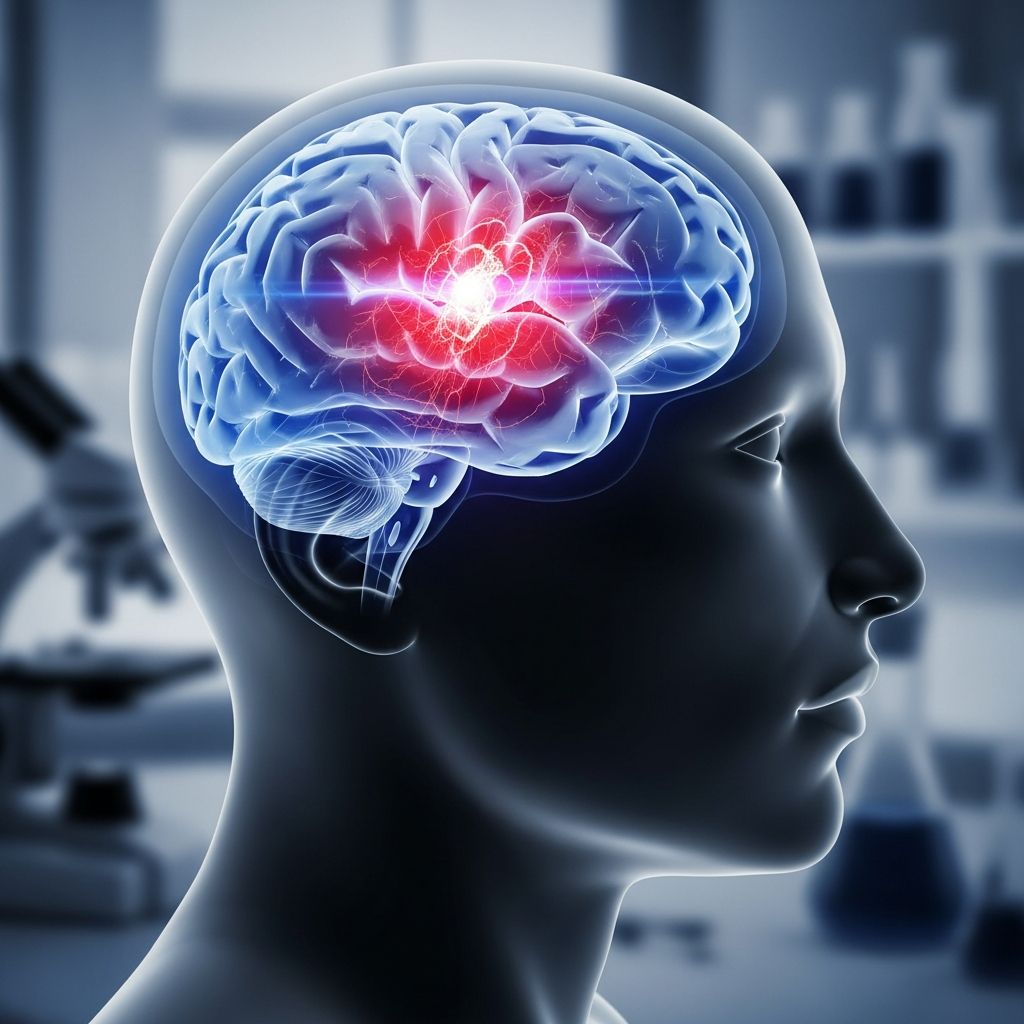
A stroke is a medical emergency that occurs when blood flow to the brain is interrupted, leading to brain cell death and potential long-term disability or death. It ranks as the No. 5 cause of death and a leading cause of disability in the United States, affecting arteries leading to and within the brain.
What Is a Stroke?
A stroke happens when a blood vessel carrying oxygen and nutrients to the brain is either blocked by a clot or bursts, depriving part of the brain of essential blood flow. This results in rapid brain cell death, with effects depending on the affected brain region. According to the American Heart Association, approximately 80% of strokes are preventable through lifestyle changes and medical management.
The brain controls vital functions like movement, speech, and memory. When blood flow is disrupted, the corresponding functions fail, leading to symptoms ranging from mild weakness to complete paralysis. Strokes are time-sensitive; prompt treatment can minimize damage.
Types of Stroke
There are three primary types of stroke, each with distinct causes and implications:
- Ischemic Stroke: The most common type, accounting for about 87% of cases, occurs when a blood clot blocks a vessel supplying the brain. Subtypes include thrombotic (clot forms locally) and embolic (clot travels from elsewhere, like the heart).
- Hemorrhagic Stroke: Caused by a weakened blood vessel rupturing, leading to bleeding into the brain. This type is less common but more deadly, often linked to high blood pressure or aneurysms.
- Transient Ischemic Attack (TIA): Known as a ‘mini-stroke,’ it involves temporary blockage, with symptoms resolving within 24 hours. TIAs are warning signs of potential full strokes.
Ischemic strokes result from clots obstructing flow, while hemorrhagic ones involve vessel rupture preventing proper blood delivery. TIAs require immediate attention as they signal high stroke risk.
Symptoms of Stroke
Recognizing stroke symptoms can save lives. Use the
FAST
acronym:- Face drooping: Ask the person to smile; does one side droop?
- Arm weakness: Raise both arms; does one drift downward?
- Speech difficulty: Slurred speech or inability to repeat a simple sentence?
- Time to call 911: Act immediately if any symptom appears.
Other signs include sudden numbness, confusion, trouble seeing, severe headache, dizziness, or loss of balance. Symptoms often appear abruptly. Women may experience additional symptoms like fatigue or nausea.
Stroke Risk Factors
Risk factors are divided into non-modifiable and modifiable categories.
Non-Modifiable Risk Factors
- Age (risk doubles every decade after 55)
- Family history
- Prior stroke or TIA
- Sex (men slightly higher risk, but women more deaths)
- Race (higher in African Americans, Hispanics)
Modifiable Risk Factors
| Risk Factor | Description | Prevention Tip |
|---|---|---|
| High blood pressure | Leading cause, damages vessels | Monitor and control with meds/diet |
| High cholesterol | Builds plaque in arteries | Statins, low-fat diet |
| Diabetes | Damages blood vessels | Blood sugar management |
| Smoking | Doubles risk | Quit smoking |
| Obesity | Linked to other risks | Healthy weight via exercise/diet |
| Atrial fibrillation | Irregular heartbeat causes clots | Anticoagulants |
Managing these can significantly reduce risk. About one in four survivors experiences a second stroke, emphasizing prevention plans.
Related Stories



Causes and Diagnosis
Ischemic strokes stem from clots or plaque buildup (atherosclerosis). Hemorrhagic types result from aneurysms, arteriovenous malformations, or trauma. Diagnosis involves CT scans to differentiate types, MRI for detailed imaging, and angiography. Blood tests check clotting factors, and ECG assesses heart issues.
Stroke Treatment
Treatment depends on type and speed.
Emergency Treatments:
- For ischemic: tPA (tissue plasminogen activator) within 4.5 hours dissolves clots. Thrombectomy (mechanical removal) up to 24 hours in select cases.
- For hemorrhagic: Surgery to repair vessels, control bleeding, or reduce pressure.
Supportive Care: Blood pressure management, antiplatelets like aspirin, statins, and rehabilitation.
TIAs and strokes are medical emergencies requiring immediate care.
Stroke Recovery and Rehabilitation
Recovery varies; many regain function with therapy. Rehab includes:
- Physical therapy for mobility
- Occupational therapy for daily tasks
- Speech therapy for communication
- Psychological support for emotional challenges
Timeline: Improvements in weeks to months; some permanent deficits. Support groups aid adjustment.
Preventing Stroke
80% preventable. Strategies:
- Control blood pressure (<120/80 mmHg)
- Exercise 150 minutes/week
- Healthy diet (DASH or Mediterranean)
- Quit smoking
- Limit alcohol
- Manage weight, diabetes, cholesterol
Regular check-ups and meds for high-risk individuals.
Stroke in Special Populations
Children: Rare, often from congenital issues or sickle cell.
Pregnancy: Risk higher due to hormonal changes; monitor closely.
Elderly: Highest risk; focus on fall prevention and polypharmacy review.
Living with Stroke
Survivors adapt via home modifications, caregiver support, and tech like communication apps. Emotional health crucial; depression common.
Frequently Asked Questions (FAQs)
What is the difference between ischemic and hemorrhagic stroke?
Ischemic strokes are caused by clots blocking blood flow (87% of cases), while hemorrhagic strokes involve vessel rupture and bleeding into the brain.
How can I recognize a stroke quickly?
Use FAST: Face drooping, Arm weakness, Speech difficulty, Time to call 911.
Can strokes be prevented?
Yes, about 80% are preventable by managing blood pressure, quitting smoking, healthy diet, exercise, and treating conditions like diabetes.
What happens after a TIA?
TIAs are warnings; seek immediate care to prevent full stroke. Risk is high within 48 hours.
How long does stroke recovery take?
Varies from weeks to years; intensive rehab yields best outcomes.
Stroke Statistics
In the US, someone has a stroke every 40 seconds; 795,000 annually. Globally, 13.7 million yearly per WHO data. Disability affects 1 in 6 survivors permanently.
References
- About Stroke — American Stroke Association. 2023 (Accessed 2026). https://www.stroke.org/en/about-stroke
- Stroke Facts — Centers for Disease Control and Prevention (CDC). 2024-09-01. https://www.cdc.gov/stroke/facts.htm
- Guidelines for the Early Management of Patients With Acute Ischemic Stroke — American Heart Association. 2021 (updated 2023). https://www.ahajournals.org/doi/10.1161/STR.0000000000000375
- WHO Fact Sheet on Stroke — World Health Organization. 2024-05-15. https://www.who.int/news-room/fact-sheets/detail/stroke-cerebrovascular-accident
- Prevention of Stroke — National Institute of Neurological Disorders and Stroke (NINDS). 2024. https://www.ninds.nih.gov/health-information/stroke
Similar Articles








Read full bio of Sneha Tete