Stroke Recovery Timeline: Phases and Expectations
Understanding the stroke recovery journey: Key phases, timelines, and rehabilitation milestones.
Understanding Stroke Recovery Timeline
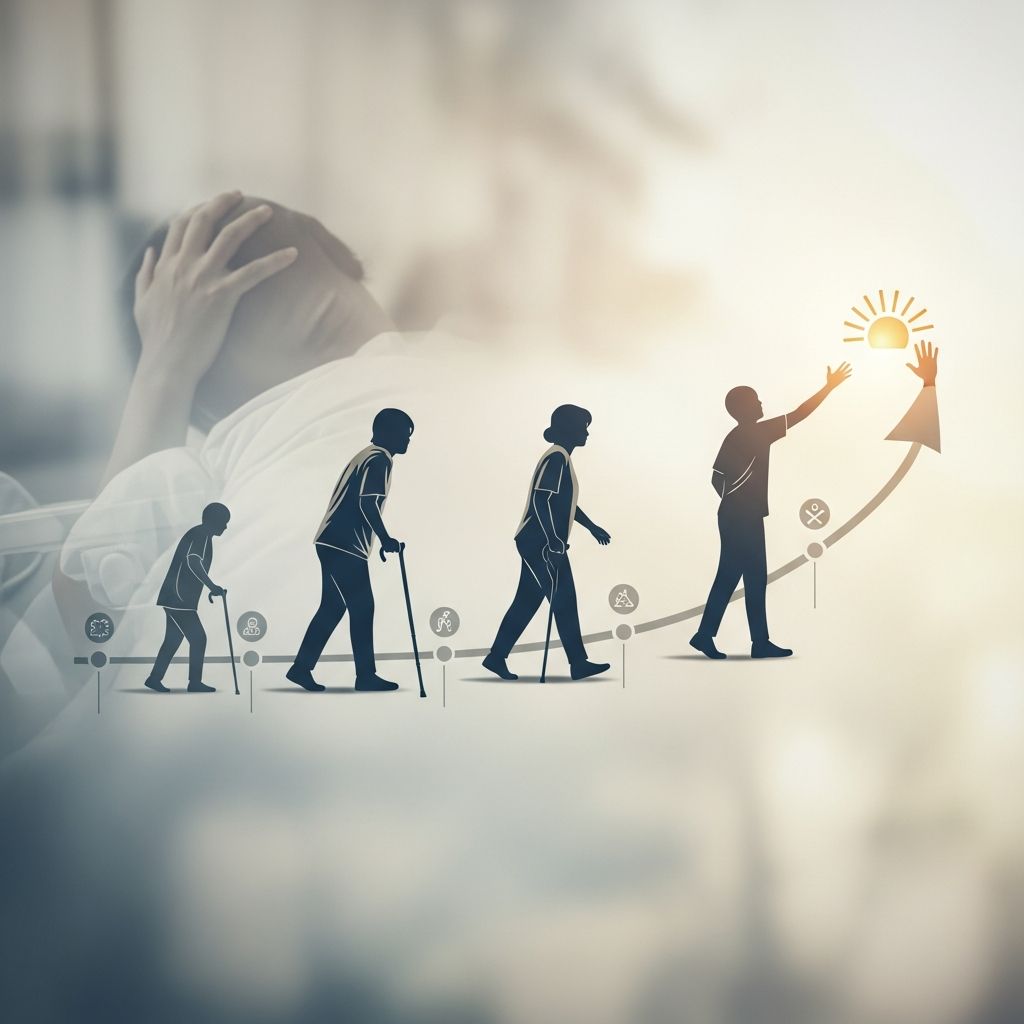
A stroke is a serious medical event that affects how the brain functions, and recovery from a stroke is a complex, gradual process that requires patience, determination, and comprehensive medical support. The question most stroke survivors ask immediately after their event is, “How long will my recovery take?” The answer is deeply personal and depends on numerous factors including the severity of the stroke, the area of the brain affected, the quality of immediate medical intervention, and the intensity of rehabilitation efforts. Understanding the stroke recovery timeline helps patients, families, and caregivers set realistic expectations and prepare for the rehabilitation journey ahead. Recovery can extend far beyond the commonly cited six-month window, and many survivors continue to experience improvements over years of consistent therapy and effort.
The Acute Phase: First Few Days
The first few days following a stroke are critical and represent the most time-sensitive phase of treatment. During this period, the priority shifts entirely toward medical stabilization and minimizing further brain damage. Patients are typically admitted to a hospital stroke unit or intensive care unit where a multidisciplinary team of specialists works around the clock to monitor vital signs, manage blood pressure, prevent additional strokes, and assess the extent of neurological damage. According to current clinical guidelines, early rehabilitation should begin within 24 to 48 hours post-stroke when medically appropriate, as this timing significantly improves long-term outcomes.
During these initial days, a comprehensive assessment team evaluates the patient’s condition. This team includes neurologists, neuroradiologists, nurses, physical therapists, occupational therapists, and speech-language pathologists. They work to understand the stroke’s characteristics: whether it was ischemic (caused by a blood clot) or hemorrhagic (caused by bleeding), where in the brain the damage occurred, and how extensive the injury is. This information forms the foundation for the personalized rehabilitation plan that will guide recovery in the weeks and months ahead.
Hospital Rehabilitation Phase: Weeks 1-4
After the initial stabilization period, patients typically transition from the intensive care unit to an acute rehabilitation facility, skilled nursing facility, or return home with intensive outpatient therapy. This phase, usually lasting from one to four weeks, represents a critical window for beginning structured rehabilitation. During this time, patients receive intensive therapy multiple times per week, often involving several hours of combined physical therapy, occupational therapy, and speech therapy.
The goals during this phase focus on relearning basic motor skills and fundamental activities of daily living. Patients work on regaining the ability to move their affected limbs, sit up in bed, transfer safely from bed to wheelchair or chair, and begin standing with assistance. Speech therapists work on communication and swallowing function, as stroke often affects the ability to speak clearly or swallow safely. Occupational therapists focus on relearning self-care skills such as eating, drinking, grooming, and dressing. The intensity of therapy during this phase is crucial, as the brain is most responsive to rehabilitation efforts immediately following a stroke.
Early Recovery Phase: Weeks 3-6
As patients move through the third to sixth week post-stroke, many are transferred from acute rehabilitation to a neurological ward or continue with intensive outpatient services depending on their progress and discharge status. This phase typically marks a transition point where patients begin to show more measurable progress in their functional abilities. Physical therapy intensifies with greater emphasis on standing balance, gait training, and fine motor control. Patients begin practicing walking with assistance or devices, progressing from parallel bars to walkers to canes as their strength and balance improve.
During this period, family members and caregivers become increasingly involved in the rehabilitation process. Education about proper body mechanics, transfer techniques, and home safety becomes essential. Many patients begin adapting to their “new normal” during this phase, developing compensatory strategies for any permanent deficits. The emotional aspects of recovery also become more apparent during this time, as patients confront the reality of their situation and begin adjusting to changes in their abilities.
Related Stories



Intermediate Recovery: Weeks 6 Months to 6 Months
The period from six weeks to six months post-stroke represents what rehabilitation specialists call the “golden window” of recovery. During this time, most stroke survivors experience the most rapid and noticeable functional improvements. The brain undergoes significant neuroplasticity during this window, meaning it can reorganize itself and form new neural pathways to compensate for damaged areas. Therapy during this phase becomes increasingly focused on independence in essential functions such as standing without assistance, walking independently or with minimal assistance, toileting independently, and performing basic self-care activities.
Outpatient therapy typically occurs three to five times weekly during this phase, with sessions lasting one to two hours. Physical therapists work on advancing walking ability, balance, and endurance. Occupational therapists focus on fine motor skills, activities of daily living, and instrumental activities of daily living such as cooking, cleaning, and managing finances. Speech therapists continue addressing communication and swallowing concerns. Many patients who have experienced relatively mild strokes return to work or significantly modified work duties during this phase, while those with more severe strokes continue making steady progress toward independence in self-care.
Extended Recovery: Months 6-12
After approximately six months, the rate of recovery typically slows, though meaningful improvements can continue indefinitely with appropriate therapy and effort. Many stroke survivors reach a functional plateau around the six-month mark, where major improvements become less frequent. However, research demonstrates that recovery and improvement can occur years or even decades after a stroke when therapy is continued consistently. During the six to twelve month period, therapy often transitions from intensive clinic-based sessions to less frequent outpatient visits combined with home exercise programs.
Goals during this extended phase shift toward maximizing independence and quality of life. Driving evaluations may occur for those who were drivers before their stroke. Home modifications such as installing grab bars, ramps, or accessibility features become important considerations. Many patients work on more complex functional tasks such as returning to hobbies, managing household responsibilities, and participating in community activities. The focus broadens from basic survival and self-care skills to genuine quality-of-life improvements and vocational or leisure pursuits.
Long-Term Recovery: Beyond One Year
The period from one to two years post-stroke and beyond represents the chronic recovery phase. While dramatic improvements may be less common than in earlier months, research increasingly shows that the brain retains its capacity for reorganization and improvement far beyond the traditionally accepted one-year window. Some stroke survivors experience continued functional improvement over several years, particularly when they maintain consistent rehabilitation efforts.
During this phase, outpatient therapy typically becomes less frequent, often occurring monthly or quarterly for supervision, program adjustment, and motivation. Many patients transition to primarily home-based exercise programs developed by their therapy team. Some return to work, pursue education, or increase community involvement. The emotional and psychological aspects of living with stroke effects often become more prominent during this phase, with some survivors experiencing depression, anxiety, or adjustment challenges as they adapt to permanent changes.
Factors Influencing Recovery Timeline
The individual stroke recovery timeline varies tremendously based on multiple factors. The severity of the initial stroke is paramount—minor strokes may result in minimal lasting effects with recovery occurring over weeks, while severe strokes affecting large brain areas may result in permanent disability despite years of rehabilitation. The specific location of the brain damage significantly influences what functions are affected and how quickly they might recover. A small stroke in a critical area might cause more functional limitation than a larger stroke in a less critical region.
The time elapsed between stroke onset and initiation of treatment dramatically affects outcomes. Strokes are medical emergencies where “time is brain”—every minute of delay allows more brain tissue to die. The type of stroke (ischemic versus hemorrhagic) influences treatment options and recovery potential. Individual factors such as age, overall health status, presence of other medical conditions, motivation to recover, access to quality rehabilitation services, and quality of family support all play significant roles in determining recovery trajectory.
The Role of Rehabilitation Therapies
Comprehensive stroke rehabilitation involves several specialized therapy disciplines working together. Physical therapy addresses gross motor skills, balance, strength, endurance, and mobility. Occupational therapy focuses on fine motor skills, activities of daily living, adaptive techniques, and return to meaningful activities. Speech-language pathology addresses communication disorders and swallowing dysfunction. Neuropsychology may address cognitive changes, memory issues, or emotional adjustment. Vocational rehabilitation helps patients return to work when appropriate. This multidisciplinary approach, tailored to each individual’s specific impairments and goals, provides the best foundation for recovery.
The intensity and consistency of therapy matter significantly for outcomes. Research demonstrates that stroke survivors who participate in intensive, well-structured rehabilitation programs achieve better functional outcomes than those with minimal therapy. However, quality is equally important as quantity—therapy should be challenging, goal-directed, and progressively more demanding as the patient improves.
Emotional and Psychological Aspects of Recovery
While much attention focuses on physical recovery, the emotional and psychological dimensions of stroke recovery are equally important. Many stroke survivors experience depression, anxiety, frustration, or grief related to changes in their abilities and independence. Some develop fear of another stroke or anxiety about their health. Others struggle with changes in self-image or social roles. Family members and caregivers also experience significant emotional stress and often require support services themselves.
Addressing these psychological aspects through counseling, support groups, and peer connections often enhances overall recovery. Many patients benefit from connecting with other stroke survivors who understand their experience. Mental health support should be considered an integral part of comprehensive stroke rehabilitation, not a separate or optional component.
Home Safety and Long-Term Living
As stroke survivors progress through recovery and return to community living, home modifications and safety considerations become increasingly important. Depending on residual deficits, modifications might include installing grab bars in bathrooms, removing trip hazards, widening doorways for wheelchair access, installing ramps or stair lifts, or adapting the kitchen for easier use. Environmental modifications help maximize independence and reduce fall risk.
Stroke survivors should avoid activities that might increase their risk of another stroke, including excessive physical exertion without medical clearance, sudden changes in activity level, and inadequate management of stroke risk factors such as hypertension, diabetes, or atrial fibrillation. Careful attention to medication adherence, dietary modifications, regular monitoring, and lifestyle adjustments all contribute to preventing secondary strokes and supporting long-term health.
Advances in Stroke Recovery
Emerging therapeutic approaches offer hope for improved recovery beyond traditional physical, occupational, and speech therapy. Stem cell therapy, robotic rehabilitation, virtual reality training, constraint-induced movement therapy, and electrical stimulation techniques show promise in research settings. Neuroimaging studies reveal that the brain’s remarkable plasticity allows for recovery and reorganization far longer than previously believed, supporting the case for continuing intensive rehabilitation even years after stroke.
Realistic Expectations and Hope
While recovery from stroke varies tremendously between individuals, most stroke survivors achieve some degree of functional recovery. Complete recovery to pre-stroke status occurs in a minority of cases, particularly for those with more severe strokes. However, meaningful improvement in function and quality of life is achievable for most survivors, often extending over months and years. The key to optimal recovery involves beginning rehabilitation as early as medically appropriate, participating consistently in therapy, maintaining motivation despite setbacks, managing stroke risk factors to prevent recurrence, and adapting to changes while pursuing meaningful life activities.
Frequently Asked Questions About Stroke Recovery
Q: How long does stroke recovery typically take?
A: While most dramatic recovery occurs in the first six months, meaningful improvement can continue for years or even longer with appropriate therapy and effort. Each person’s timeline is unique based on stroke severity, location, and individual factors.
Q: Can someone recover from a stroke years later?
A: Yes, research demonstrates that recovery and functional improvement can occur years or even decades after a stroke when consistent therapy and rehabilitation efforts continue. The brain retains its capacity for reorganization long after initial injury.
Q: What type of therapy is most effective for stroke recovery?
A: A multidisciplinary approach combining physical therapy, occupational therapy, speech therapy, and cognitive rehabilitation, tailored to individual needs and maintained consistently, typically produces the best outcomes.
Q: When should rehabilitation start after a stroke?
A: Early rehabilitation should begin within 24 to 48 hours post-stroke when medically appropriate, as early intervention significantly improves long-term recovery outcomes.
Q: Will I return to normal after a stroke?
A: Complete return to pre-stroke status occurs in some cases, particularly for mild strokes. For more severe strokes, the goal is maximizing functional improvement and quality of life, which often involves significant adaptation rather than complete recovery.
References
- A Realistic Stroke Recovery Time Frame Explained in Detail — Bergin Motion. Retrieved December 1, 2025. https://berginmotion.ca/blog/stroke-recovery-time-frame
- Stroke Recovery Timeline: What to Expect in the First Year and Beyond — Home Helpers Home Care. August 2025. https://homehelpershomecare.com/martinsburg/community-blog/2025/august/the-stroke-recovery-timeline-what-to-expect-in-the-first-year-and-beyond
- Motor recovery beginning 23 years after ischemic stroke — National Center for Biotechnology Information (NCBI). https://pmc.ncbi.nlm.nih.gov/articles/PMC5539459
Similar Articles








Read full bio of Sneha Tete