Stroke Symptoms: Warning Signs You Must Know
Learn the critical warning signs of stroke and how to recognize them instantly.
Understanding Stroke Symptoms: A Critical Guide
A stroke is a medical emergency that occurs when the blood supply to part of the brain is disrupted—usually due to a clot blocking a blood vessel or bleeding in the brain. Recognizing stroke symptoms immediately is crucial because early treatment leads to higher survival rates and lower disability rates. Time is literally brain tissue: every minute without proper blood flow, brain cells begin to die. Understanding what symptoms to look for could mean the difference between life and death, or between full recovery and permanent disability.
Common Stroke Symptoms
Stroke symptoms typically appear suddenly and vary depending on which area of the brain is affected. The most common warning signs include:
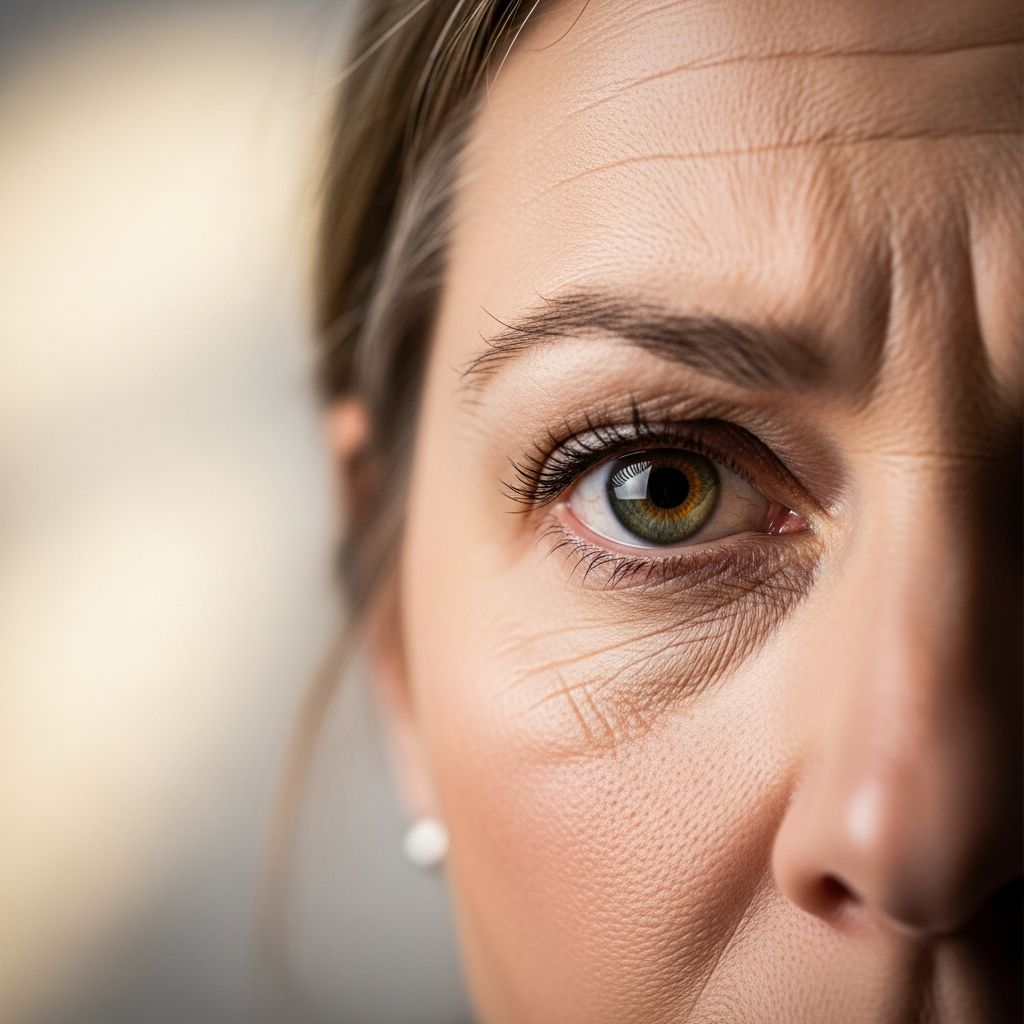
- Facial drooping – One side of the face droops or becomes numb, and a smile appears uneven
- Arm weakness – One arm becomes weak or numb, and may drift downward when raised
- Speech difficulties – Trouble speaking, slurred words, confusion, or difficulty understanding what others are saying
- Vision problems – Sudden blurred or blackened vision in one or both eyes, or double vision
- Loss of balance and coordination – Difficulty walking, stumbling, dizziness, or loss of balance
- Severe headache – A sudden, severe headache with no known cause, sometimes accompanied by vomiting or dizziness
- Numbness or paralysis – Sudden weakness or paralysis, typically on one side of the body
Most commonly, only one side of the body is affected, making it impossible to move one arm and/or leg, for example. The key characteristic of stroke symptoms is their sudden onset—they appear without warning, even if they seem mild at first.
The F.A.S.T. Warning System
The American Stroke Association developed the F.A.S.T. acronym as a simple tool to help everyone recognize stroke symptoms and know when to call emergency services. This system has become the gold standard for stroke recognition:
- F = Face Drooping – Ask the person to smile. Is the person’s smile uneven? Does one side of the face droop or is it numb?
- A = Arm Weakness – Ask the person to raise both arms. Does one arm drift downward?
- S = Speech Difficulty – Ask the person to repeat a simple phrase. Is their speech slurred or difficult to understand?
- T = Time to Call 911 – If the person shows any of these signs, call 911 immediately, even if symptoms seem to improve.
Calling 911 immediately when you notice these signs is critical. First responders can begin treatment on someone experiencing stroke symptoms before arriving at the hospital, significantly improving outcomes. Never wait to see if symptoms improve—call for emergency medical help right away.
Additional Stroke Symptoms Beyond F.A.S.T.
While F.A.S.T. captures the most recognizable symptoms, other important warning signs should also prompt immediate medical attention:
- Sudden confusion or disorientation
- Trouble seeing in one or both eyes
- Difficulty with memory or thinking
- Nausea or vomiting
- Loss of consciousness or altered awareness
- Weakness or numbness in the face, arm, or leg (especially on one side)
Any sudden neurological change warrants an immediate call to 911. The hallmark of stroke symptoms is their sudden onset—someone who was functioning normally suddenly experiences a noticeable change in their abilities.
Gender Differences in Stroke Symptoms
Research shows that men and women typically experience similar classic stroke symptoms such as face drooping, arm weakness, and speech difficulty. Both genders also commonly experience problems seeing out of one or both eyes and balance or coordination problems.
Related Stories



However, women may be more likely to experience some distinctive symptoms that can sometimes be mistaken for other conditions:
- General weakness
- Disorientation and confusion or memory problems
- Fatigue, nausea, or vomiting
- Loss of consciousness
Because some signs of stroke in women can be subtle enough to be missed or brushed off, women may experience delays in getting time-sensitive, lifesaving treatments. Healthcare providers and family members should be aware that atypical presentations don’t mean the stroke is less serious—they require the same urgent response.
Silent Strokes: The Invisible Threat
Not all strokes produce obvious symptoms. Silent strokes are undetected strokes that occur when a blood vessel blockage in the brain causes cells to die, but no warning signs or obvious symptoms are apparent. Approximately one-fourth of people over age 80 have at least one silent infarct (area of tissue death) in the brain. The condition is more common with increasing age and in people who smoke or have a history of vascular disease.
While silent strokes may not produce immediate noticeable effects, they can still cause cumulative brain damage and increase the risk of future, more obvious strokes. Regular medical checkups and brain imaging may detect these silent events, particularly for people at high risk.
Posterior Circulation Strokes: A Special Case
Posterior circulation strokes occur when a blood vessel in the back part of the brain is blocked, causing brain cell death in that area. This type of stroke can also result from a ruptured blood vessel in the back of the brain. The symptoms of posterior circulation strokes can be quite different from strokes affecting the front part of the brain:
- Vertigo (sensation that the room is spinning)
- Imbalance or one-sided arm or leg weakness
- Slurred speech or difficulty speaking (dysarthria)
- Double vision or other vision problems
- Headache
- Nausea and/or vomiting
Because these symptoms can mimic other conditions like inner ear disorders or migraines, posterior circulation strokes are sometimes initially misdiagnosed. Patients experiencing these symptoms should seek immediate medical evaluation to rule out stroke.
Long-Term Effects and Complications
Most people survive strokes, but they can result in serious, long-term impairments. Understanding potential complications helps emphasize why prevention and rapid treatment are so critical:
- Paralysis – Loss of muscle movement on one side of the body or loss of control of specific muscles
- Speech and language problems – Difficulty speaking clearly, understanding speech, reading, or writing
- Cognitive challenges – Memory loss, trouble thinking, reasoning, making judgments, or understanding concepts
- Swallowing difficulties – Trouble swallowing food and drinks safely
- Vision problems – Persistent vision impairments
- Muscle spasms – Involuntary muscle contractions
- Neglect – Lack of awareness of the affected side of the body
- Emotional changes – Difficulty controlling emotions, depression, or anxiety
- Pain or numbness – Tingling sensations or chronic pain in affected areas
Transient Ischemic Attacks (TIAs): Warning Strokes
A transient ischemic attack (TIA), commonly called a mini-stroke, is a warning stroke that produces stroke-like symptoms but typically resolves without causing permanent brain damage. However, TIAs are serious warning signs that a major stroke may occur in the future. People who experience a TIA should seek immediate medical evaluation and follow their doctor’s recommendations for stroke prevention to reduce the risk of a subsequent, more severe stroke.
When to Call 911
Call 911 immediately if you or someone with you experiences any stroke symptoms, even if they seem mild or temporary. Do not drive to the hospital yourself or wait to see if symptoms improve. Instead:
- Call 911 right away
- Note the time the first symptoms appeared
- Do not eat or drink before medical evaluation
- Stay calm and reassure the person experiencing symptoms
- If the person is unconscious, position them on their side
Early medical intervention can significantly reduce brain damage and improve recovery outcomes. The window for some stroke treatments is very narrow—as little as three to four and a half hours after symptom onset—making rapid recognition and response essential.
Frequently Asked Questions
Q: How quickly do stroke symptoms appear?
A: Stroke symptoms appear suddenly, often described as happening “out of nowhere.” They are not gradual. This sudden onset is one of the key distinguishing features of stroke compared to other medical conditions.
Q: Can stroke symptoms be temporary and then go away?
A: Yes, some symptoms may seem to improve or disappear, particularly with TIAs (transient ischemic attacks). However, you should still call 911 immediately because this could indicate a serious stroke or a warning sign of a future major stroke.
Q: Are stroke symptoms different in older adults?
A: The basic symptoms of stroke are similar across age groups, but older adults (particularly those over 80) have higher rates of silent strokes and may be more susceptible to stroke overall. Age is a significant risk factor for stroke.
Q: What should I do if I’m alone and experience stroke symptoms?
A: Call 911 immediately, even if you’re alone. If you’re able to reach a phone, emergency services can dispatch help quickly. If you lose consciousness, emergency responders will find you based on your call location. Do not delay calling for help.
Q: Can a person have a stroke without knowing it?
A: Yes, silent strokes occur without obvious symptoms. About one-fourth of people over age 80 have experienced at least one. These are typically only discovered through medical imaging like MRI or CT scans.
Q: How long does a stroke last?
A: A stroke lasts as long as the brain isn’t receiving adequate blood flow. Brain cells begin dying within minutes without oxygen. If enough brain cells die, the damage becomes permanent, which is why immediate treatment is critical.
Q: Is rehabilitation important after a stroke?
A: Yes, rehabilitation is crucial for helping people recover function and adapt to changes caused by stroke. Physical therapy, speech therapy, and occupational therapy can significantly improve outcomes and quality of life after stroke.
References
- Stroke Overview — National Center for Biotechnology Information (NCBI Bookshelf), InformedHealth.org. 2024. https://www.ncbi.nlm.nih.gov/books/NBK279214/
- Stroke Symptoms and Warning Signs — American Stroke Association. 2025. https://www.stroke.org/en/about-stroke/stroke-symptoms
- Stroke: Symptoms and Causes — Mayo Clinic. 2024. https://www.mayoclinic.org/diseases-conditions/stroke/symptoms-causes/syc-20350113
- What Are the Symptoms of a Stroke? — Ohio State Wexner Medical Center. May 6, 2025. https://www.youtube.com/watch?v=PDvnrHfJcgM
- Stroke: What It Is, Causes, Symptoms & Treatment — Cleveland Clinic. 2024. https://my.clevelandclinic.org/health/diseases/5601-stroke
Similar Articles








Read full bio of Sneha Tete