How Stroke Affects Vision and Eye Health
Understanding visual complications following stroke and recovery options
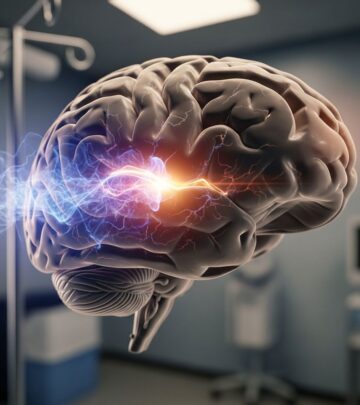
Approximately two-thirds of stroke survivors experience some form of vision impairment, making visual complications one of the most common side effects following a cerebrovascular event. The relationship between stroke and vision problems stems from the brain’s complex visual processing system, which extends far beyond the eyes themselves. When a stroke damages the pathways responsible for visual information transmission or the brain regions that interpret what we see, the consequences can significantly affect daily functioning and quality of life. Understanding these complications is essential for patients, caregivers, and healthcare providers involved in stroke recovery and rehabilitation.
The Visual Pathway and How Stroke Disrupts It
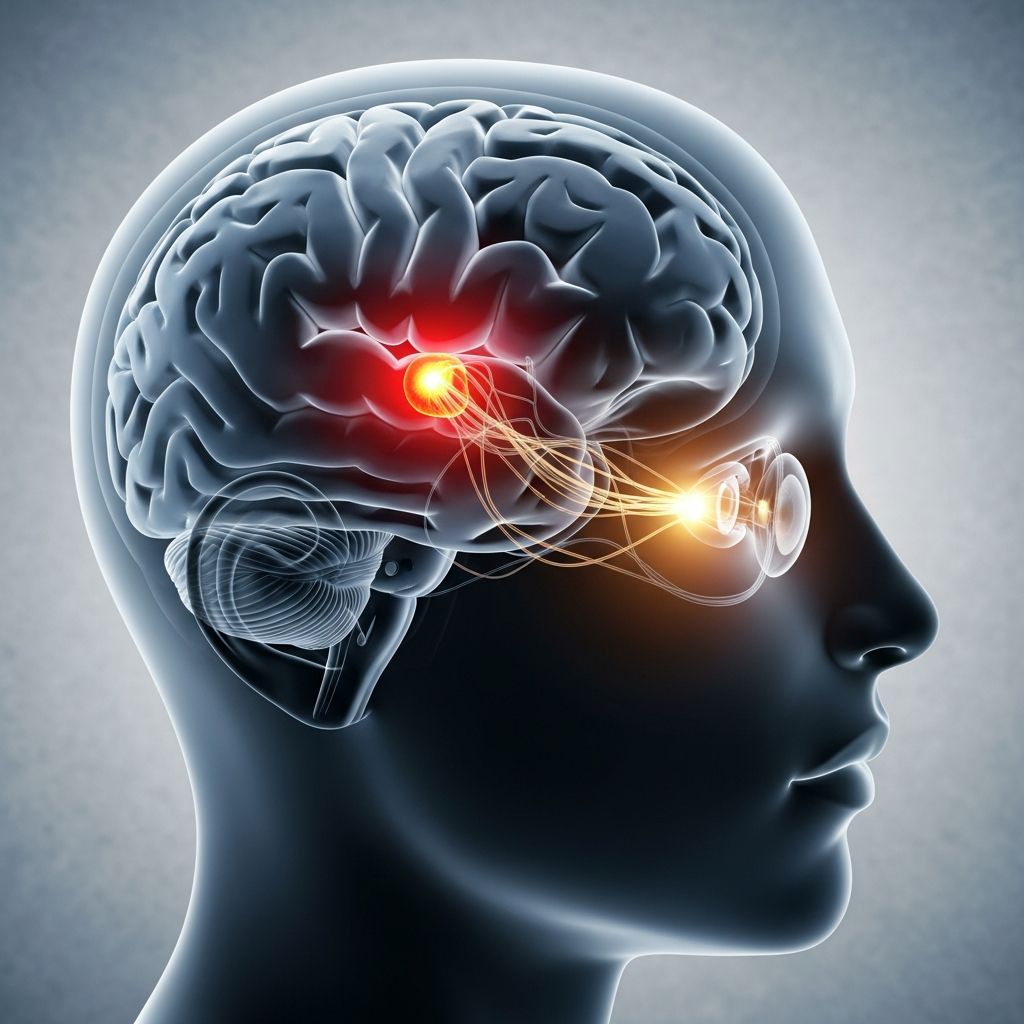
Vision involves far more than the eyes receiving light and focusing images. The complete process requires a sophisticated pathway that begins in the eyes and extends through the optic nerves to the occipital lobe, located at the back of the brain. This visual pathway travels through both hemispheres of the cerebral cortex, and any interruption along this route can produce vision problems.
The occipital lobe serves as the brain’s vision processing center, handling the interpretation of visual signals sent from the retinas. Since each hemisphere processes visual information from the opposite side of the visual field, damage to one side of the brain typically affects the opposite side of vision. For instance, a stroke affecting the right occipital lobe may impair the left visual field in both eyes, while a left-sided occipital stroke may compromise the right visual field. In rare cases where a stroke damages both occipital lobes, profound vision loss or even blindness can result.
Beyond the occipital lobe, the visual pathway involves multiple brain regions responsible for eye movement control, visual attention, and the interpretation of spatial relationships. Damage to these areas produces distinct visual complications that extend beyond simple vision loss.
Primary Categories of Vision Changes After Stroke
Visual Field Loss and Hemianopia
Visual field loss represents one of the most common vision complications following stroke, affecting approximately 30 percent of stroke survivors. This condition occurs when a stroke creates a lesion in the brain’s visual processing areas, resulting in the development of blind spots within the normal visual space. Patients typically describe missing areas in their peripheral vision or notice a dark shadow appearing in the upper or lower portion of their visual field.
Homonymous hemianopia, commonly referred to as a field cut, involves the loss of one half of the visual field in both eyes. For example, a person may lose the ability to see anything to the left of their center vision in both eyes, or conversely, lose all right-sided vision. This occurs because the stroke damages the neural pathways responsible for processing that portion of the visual scene. The severity and extent of field loss depend on the size and location of the stroke, with larger strokes typically producing more extensive visual field defects.
Living with visual field loss presents significant challenges for daily activities. Reading becomes particularly difficult because individuals cannot process the full width of a line of text. Navigation and awareness of surroundings become complicated, as people may collide with objects or people positioned in their blind spot. Rehabilitation strategies for this condition often include visual scanning training, which teaches individuals to systematically move their eyes to compensate for the missing visual field, and the use of devices like line guides to isolate text when reading.
Related Stories



Eye Movement and Coordination Problems
The nerves controlling eye movement originate from the brain stem and other brain regions. When stroke damages these nerves or the muscles they control, the eyes cannot work together as a coordinated pair. This disruption manifests in several distinct ways that compromise visual stability and coordination.
Double vision, medically termed diplopia, occurs when the two eyes fail to align properly and focus on the same point. Instead of receiving one unified image, the brain processes two slightly different images, creating visual confusion. This condition makes it nearly impossible to perform tasks requiring visual precision, such as reading, driving, or navigating stairs safely.
Nystagmus represents another eye movement abnormality where the eyes exhibit rapid, uncontrolled movements or “wobbling.” Rather than remaining still or moving smoothly to track objects, the eyes constantly jiggle. This involuntary movement creates blurred or jittery vision, making it difficult to focus on stationary objects or follow moving targets. Some stroke survivors experience darting eye movements, where the eyes shift abruptly and unpredictably.
A related condition called strabismus occurs when the eyes become misaligned, with one or both eyes turning inward or outward. When the eyes point in different directions, the brain receives conflicting visual information, leading to double vision and depth perception problems. The resulting difficulties with balance, coordination, and spatial awareness can make walking and navigating physical spaces hazardous.
Visual Processing and Perception Disorders
Vision extends beyond the mechanical function of eyes and the transmission of images to the brain. True vision involves the brain’s ability to process, interpret, and assign meaning to visual information. Stroke can damage these higher-level processing functions even when the eyes and initial visual pathways remain intact.
Visual neglect, also called spatial inattention, represents the most common visual processing problem after stroke, affecting up to 80 percent of stroke survivors with right-sided brain injury. In this condition, individuals lose awareness of objects, people, and stimuli located on one side of their environment. A person with left-sided visual neglect might not notice someone standing to their left, or when drawing a clock, might place all numbers exclusively on the right side of the circle, unaware that anything exists on the left.
Visual neglect differs fundamentally from simple field loss because the eyes and visual pathways function normally. Instead, the brain’s attention mechanisms fail to process information from one side. This creates a disconnect between physical vision capability and conscious perception, often causing individuals to be unaware of their deficit. They may bump into obstacles, miss written words, or overlook people in their neglected visual field.
Other visual processing problems include difficulties with depth perception and movement judgment. Stroke survivors may struggle to determine how far away objects are located, making tasks like pouring liquid into a cup or navigating stairs dangerously difficult. Some individuals experience visual agnosia, an inability to recognize objects or people despite having intact vision, or problems with visual memory that compromise their ability to recall what they have seen.
Additional Vision-Related Complications
Beyond the primary categories of vision loss, stroke can produce several other eye and vision problems that affect quality of life and require management.
Blurred or distorted vision occurs when stroke affects the eye muscles or the nerves controlling them. Unlike the coordinated eye movement problems described above, this blurriness results from the eyes’ inability to focus properly or maintain a steady image on the retina. The blur may be constant or intermittent, and it typically improves more readily than other vision complications.
Light sensitivity represents another common post-stroke symptom. Individuals may find bright light uncomfortable or painful, forcing them to wear sunglasses indoors or avoid well-lit environments. This photophobia can limit social participation and outdoor activities.
Dry eye syndrome frequently develops after stroke, particularly when nerve damage prevents normal blinking or eyelid closure. Without adequate blinking, the cornea dries out, causing discomfort and potentially leading to serious complications like corneal ulcers if untreated. Regular eye drops and other moisture-promoting strategies become necessary for eye health.
Warning Signs and Stroke Recognition
Vision changes can signal an impending stroke or indicate that a stroke is occurring and requires immediate emergency treatment. Recognizing these warning signs enables rapid medical intervention, which significantly improves outcomes and reduces long-term disability.
Sudden vision loss in one or both eyes demands immediate medical evaluation, as does transient vision loss that resolves spontaneously. Missing areas in peripheral vision, especially when affecting only one side, warrant urgent attention. Double vision with no previous history may indicate a stroke affecting the brainstem or nerves controlling eye movement. Darting eye movements (nystagmus) that appear suddenly also suggest possible stroke. Dizziness accompanying vision changes increases the likelihood of a cerebrovascular event, as does the development of unequal pupils.
Any combination of vision disturbances with other stroke symptoms—such as facial drooping, arm weakness, speech difficulty, or severe headache—requires immediate emergency care. The acronym FAST (Face, Arms, Speech, Time) helps identify stroke symptoms, and vision changes should prompt the same urgent response.
Recovery and Rehabilitation Strategies
The degree to which vision recovers after stroke varies considerably among survivors. Early diagnosis and prompt treatment beginning soon after stroke symptoms appear significantly improve recovery prospects. Some vision improvements occur naturally during the initial weeks and months after stroke, as the brain reorganizes and inflammation resolves.
Rehabilitation therapy addresses specific vision problems through targeted interventions. Visual scanning training teaches individuals with field loss to systematically move their eyes to compensate for blind spots. Prism glasses or special devices can help redirect light to functional visual areas. Eye patching may help some patients with double vision or nystagmus. Occupational and physical therapy address the functional limitations created by vision problems, helping individuals adapt and regain independence in daily activities.
Optometrists and ophthalmologists play crucial roles in diagnosing vision problems after stroke and recommending appropriate interventions. Rehabilitation specialists design personalized therapy programs based on the specific vision deficits present. Regular follow-up appointments allow providers to monitor recovery progress and adjust treatment strategies as needed.
Long-Term Considerations and Adaptation
While some vision recovery occurs naturally and through rehabilitation, many stroke survivors experience permanent vision changes. Accepting these limitations and learning to adapt represents an important part of recovery. Modifications to the home environment, such as improved lighting and removal of obstacles, enhance safety. Assistive devices, specialized reading aids, and adaptive strategies for daily tasks help individuals maintain independence despite vision limitations.
The psychological impact of vision loss requires attention as well. Many stroke survivors experience depression, anxiety, and reduced quality of life related to visual complications. Mental health support, participation in support groups, and engagement in meaningful activities help address these emotional consequences.
Frequently Asked Questions
How Common Are Vision Problems After Stroke?
Approximately 65 percent of stroke survivors experience vision problems, making visual complications among the most frequent post-stroke effects. The prevalence increases when stroke affects the back of the brain, where visual processing primarily occurs.
Can Vision Loss from Stroke Be Reversed?
Some vision loss improves with time and rehabilitation, but complete recovery is not guaranteed. Early intervention provides the best opportunity for recovery. Some individuals experience significant improvement in the first weeks and months after stroke, while others see minimal change. The prognosis depends on the stroke’s location, size, and severity.
What is the Difference Between Visual Field Loss and Visual Neglect?
Visual field loss represents an actual blind spot in the visual field caused by damage to the visual pathway or visual cortex. The eyes cannot receive or process information from that area. Visual neglect, by contrast, involves normal eye function and visual pathways, but the brain fails to attend to or process information from one side. A person with visual neglect may look directly at something in their neglected field but not consciously perceive it.
Should I See an Eye Doctor After Stroke?
Yes. An optometrist or ophthalmologist should evaluate vision after stroke to identify specific vision problems and recommend appropriate interventions. Early professional assessment and treatment improve recovery outcomes and help individuals adapt to any lasting vision changes.
References
- American Stroke Association – Visual Disturbances — American Heart Association. 2024. https://www.stroke.org/en/about-stroke/effects-of-stroke/vision-and-hearing/visual-disturbances
- Vision problems after stroke — Stroke Association UK. 2024. https://www.stroke.org.uk/stroke/effects/physical/vision-problems-after-stroke
- Stroke-related eye conditions — Royal National Institute of Blind People (RNIB). 2024. https://www.rnib.org.uk/your-eyes/eye-conditions-az/stroke-related-eye-conditions/
- The impact of stroke on vision. Here’s what you should know. — UK HealthCare, University of Kentucky. 2024. https://ukhealthcare.uky.edu/wellness-community/blog/impact-stroke-vision-heres-what-you-should-know
- Vision Changes After a Stroke — UMass Memorial Health. 2024. https://www.ummhealth.org/health-library/vision-changes-after-a-stroke
Similar Articles








Read full bio of Sneha Tete